Epobiocryne
Ukraine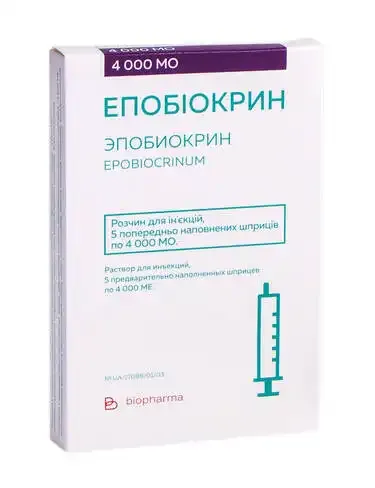
Table of Contents
INSTRUCTIONS for medical use of the medicinal product EPOLBIORIN (Epobiocrinum)
Composition:
Active substance: Epoetin alfa;
1 ml of solution contains 1000 IU, or 2000 IU, or 4000 IU, or 10,000 IU of recombinant human erythropoietin;
Excipients: human albumin, sodium citrate, sodium chloride, citric acid monohydrate, water for injections.
Pharmaceutical form. Solution for injection.
Main physicochemical properties: clear, colorless solution.
Pharmacotherapeutic group. Antianaemic agents. Erythropoietin.
ATC code B03XA01.
Pharmacological Properties.
Pharmacodynamics.
Recombinant human erythropoietin is biologically and immunologically equivalent to natural human erythropoietin – a glycoprotein hormone that acts as a mitosis-stimulating factor and regulates erythropoiesis, the process of red blood cell formation from hematopoietic stem cell precursors. In healthy individuals, erythropoietin is normally synthesized in the kidneys (90%) and Kupffer cells of the liver (10%). Its production level is determined by blood oxygen saturation. Erythropoietin stimulates proliferation and differentiation of erythroid cells into mature red blood cells. Its action occurs at early stages of erythropoiesis, affecting erythroid burst-forming units (BFU-E) and erythroid colony-forming units (CFU-E), and further at the levels of proerythroblast, erythroblast, and reticulocyte (the sensitivity of these cells to erythropoietin is proportional to their degree of maturation). Erythropoietin normalizes hemoglobin and hematocrit levels and alleviates symptoms associated with anemia.
The molecular mass of epoetin alfa is approximately 30,600 daltons. The protein component constitutes about 60% of the molecular mass and contains 165 amino acids. Four carbohydrate chains are attached to the protein via three N-glycosidic bonds and one O-glycosidic bond.
Pharmacokinetics.
Intravenous administration. After intravenous administration, the elimination half-life in subjects with normal renal function is approximately 4 hours; in patients with impaired renal function, it is about 5 hours. The elimination half-life in children is approximately 6 hours.
Subcutaneous administration. Plasma concentrations following subcutaneous administration are significantly lower than those after intravenous administration. After subcutaneous injection, drug concentration in blood rises slowly and reaches maximum levels within 12–18 hours post-administration. Peak plasma concentration after subcutaneous administration is lower than that after intravenous administration (approximately 1/20th of the intravenous level).
No cumulative effect has been observed; measured serum concentrations of erythropoietin remain at similar levels regardless of whether the drug concentration is measured 24 hours after the first injection or 24 hours after the last injection.
There are no data available regarding whether recombinant human erythropoietin can cross the placental barrier or be excreted in breast milk. However, this substance does not penetrate the blood-brain barrier.
The elimination half-life after subcutaneous administration is approximately 24 hours.
The bioavailability of the drug after subcutaneous administration is significantly lower than after intravenous administration and is approximately 20%.
Clinical characteristics.
Indications.
Treatment of symptomatic anemia associated with chronic kidney disease:
- treatment of anemia associated with chronic kidney disease in children and adults on hemodialysis and in adult patients on peritoneal dialysis;
- treatment of severe renal anemia accompanied by clinical symptoms in adult patients with renal insufficiency who have not yet undergone hemodialysis.
Treatment of anemia and reduction of the volume of required blood transfusions in adult patients receiving chemotherapy due to non-myeloma tumors, malignant lymphoma, or multiple myeloma, and who are at increased risk of transfusion, as assessed by general patient condition (including cardiovascular status, existing anemia prior to initiation of chemotherapy).
EpoBiocrin may be used within pre-deposit programs prior to major surgical interventions in patients with moderate anemia (hemoglobin level 10–13 g/dL (6.2–8.1 mmol/L), absence of iron deficiency) to facilitate autologous blood donation and reduce risks associated with allogeneic blood transfusions, when the expected need for transfused blood exceeds the amount obtainable by autologous donation without epoetin alfa.
EpoBiocrin is administered to adult patients with mild to moderate anemia (hemoglobin within 10–13 g/dL in the absence of iron deficiency) prior to extensive orthopedic surgeries with anticipated moderate blood loss (900–1800 mL of blood) to reduce the need for allogeneic blood transfusions and facilitate recovery of the erythropoietic system.
Contraindications.
Hypersensitivity to any component of the medicinal product.
Development of pure red cell aplasia as a result of treatment with epoetin alfa (see section "Special precautions").
Uncontrolled hypertension.
Contraindications related to autologous blood donation programs in patients receiving epoetin alfa.
Severe coronary, peripheral arterial, carotid, or cerebrovascular diseases, as well as recent myocardial infarction or stroke in patients undergoing elective orthopedic surgery who have not participated in an autologous blood donation program. Inability to apply adequate antithrombotic prophylaxis in surgical patients.
Interaction with other medicinal products and other types of interactions.
There are no data indicating that treatment with epoetin alfa affects the metabolism of other medicinal products.
Medicinal products that suppress erythropoiesis may reduce the response to epoetin alfa therapy.
Since cyclosporine binds to erythrocytes, there is a potential for drug interaction. When EpoBiocrin and cyclosporine are used concomitantly, cyclosporine blood levels should be monitored and the dose adjusted if necessary.
There is no evidence of interaction between epoetin alfa and G-CSF (granulocyte colony-stimulating factor) or GM-CSF (granulocyte-macrophage colony-stimulating factor) regarding hematological differentiation or tumor cell proliferation in biopsy samples in vitro.
In patients with metastatic breast cancer, subcutaneous administration of epoetin alfa at a dose of 40,000 IU/mL concurrently with trastuzumab at a dose of 6 mg/kg did not affect the pharmacokinetics of trastuzumab.
Special precautions for use.
Arterial pressure should be continuously monitored in all patients during treatment with EpoBioCryne. The medicinal product should be used with caution in patients with untreated hypertension or poorly controlled hypertension. Treatment with EpoBioCryne may necessitate initiation or intensification of antihypertensive therapy. If blood pressure cannot be controlled, administration of epoetin alfa should be discontinued.
Cases of hypertensive crisis with encephalopathy and seizures, requiring immediate medical evaluation and intensive therapy, have also been observed in patients with normal or low blood pressure at the beginning of treatment. Particular attention should be paid to the sudden onset of a shooting, migraine-like headache, which may be a warning sign (see section "Adverse reactions").
Epoetin alfa should be used with caution in patients with epilepsy, a history of seizures, or medical conditions that are risk factors for seizure development, such as central nervous system infections or brain metastases.
Epoetin alfa should be used with caution in patients with chronic hepatic insufficiency. The safety of epoetin alfa in this patient population has not been established.
Patients receiving erythropoiesis-stimulating agents are at increased risk of vascular disorders with thrombotic complications (see section "Adverse reactions"), including venous and arterial thrombosis and embolism (including fatal outcomes), such as deep vein thrombosis, pulmonary embolism, retinal vein thrombosis, and myocardial infarction. Cases of stroke (including ischemic stroke, hemorrhagic stroke, and transient ischemic attacks) have also been reported.
Before initiating epoetin alfa therapy, the risks of vascular disorders with thrombotic complications should be carefully weighed, especially in patients with existing risk factors, including excessive body weight and a history of vascular diseases (e.g., deep vein thrombosis, pulmonary embolism, and stroke).
Hemoglobin levels should be closely monitored in all patients due to the potential increased risk of thromboembolic complications and mortality when the medicinal product is used at hemoglobin levels above the target range indicated for use.
During treatment, a moderate dose-dependent increase in platelet count within normal limits may occur. This parameter decreases during further treatment. Cases of thrombocytosis have also been reported. Platelet counts should be monitored regularly during the first 8 weeks of treatment.
All other causes of anemia (iron deficiency, folic acid deficiency, vitamin B12 deficiency, aluminum toxicity, infection or inflammation, blood loss, hemolysis, or bone marrow fibrosis of any origin) must be identified and treated before initiating epoetin alfa therapy and before deciding to increase the dosage. In most cases, serum ferritin levels decreased simultaneously with an increase in hematocrit. To ensure an optimal response to epoetin alfa treatment, adequate iron supply must be ensured (see section "Dosage and administration"):
- Patients with chronic renal insufficiency are recommended to take iron (200–300 mg/day for adults and 100–200 mg/day for children orally, calculated as elemental iron) if serum ferritin levels are below 100 ng/mL;
- Patients with oncological diseases are recommended to take iron (200–300 mg/day orally, calculated as elemental iron) if transferrin saturation is below 20%;
- Patients participating in an autologous blood donation program are recommended to take iron (200 mg/day orally, calculated as elemental iron) several weeks before the start of autologous blood collection to achieve significant iron stores before the start of therapy and throughout the course of epoetin alfa treatment;
- Patients scheduled for major elective orthopedic surgery are recommended to take iron (200 mg/day orally, calculated as elemental iron) throughout the course of epoetin alfa treatment. Iron supplementation should be initiated, if possible, before starting epoetin alfa therapy to achieve significant iron stores.
Very rare cases of development or worsening of existing porphyria have been reported in patients receiving epoetin alfa treatment. Epoetin alfa should be used with caution in patients with porphyria.
With prolonged treatment with epoetin alfa, severe skin-related adverse reactions may occur, including Stevens-Johnson syndrome and toxic epidermal necrolysis, which may be life-threatening or fatal (see section "Adverse reactions").
Patients should be informed about possible skin-related adverse reactions. If signs and symptoms of skin-related adverse reactions occur, epoetin alfa treatment should be immediately discontinued and alternative treatment options considered.
Information about the trade name of erythropoiesis-stimulating agents used in treatment must be clearly documented in the patient's medical record. Switching a patient from one erythropoiesis-stimulating agent to another is possible only under physician supervision.
Pure red cell aplasia (PRCA).
There have been reports of antibody-mediated pure red cell aplasia (PRCA) after several months or years of subcutaneous administration of epoetin, primarily in patients with chronic renal insufficiency. Cases of pure red cell aplasia have also been reported in patients with hepatitis C receiving interferon and ribavirin concurrently with erythropoiesis-stimulating agents. Epoetin alfa is not indicated for the treatment of anemia associated with hepatitis C.
Patients who experience a sudden loss of treatment efficacy (manifested by a decrease in hemoglobin level of 1–2 g/dL per month) with an increased need for transfusions should be referred for evaluation of blood reticulocyte count and identification of typical causes of reduced clinical response (iron deficiency, folic acid deficiency, vitamin B12 deficiency, aluminum toxicity, infection or inflammation, blood loss, hemolysis, or bone marrow fibrosis of any origin).
In cases of paradoxical hemoglobin decrease and development of severe anemia associated with low reticulocyte count, treatment with EpoBioCryne should be interrupted, and the presence of antibodies to erythropoietin should be determined, along with bone marrow examination to confirm the diagnosis of pure red cell aplasia.
Patients should not be treated with other erythropoiesis-stimulating agents due to the possibility of cross-reactivity.
Treatment of symptomatic anemia in adult and pediatric patients with chronic renal insufficiency.
In patients with chronic renal insufficiency receiving epoetin alfa, hemoglobin levels should be monitored regularly until a stable level is achieved, then periodically. The rate of hemoglobin increase should be approximately 1 g/dL (0.62 mmol/L) per month and should not exceed 2 g/dL (1.25 mmol/L) per month to minimize the risk of arterial hypertension.
In patients with chronic renal insufficiency, the achieved hemoglobin level should not exceed the upper limit of the desired hemoglobin concentration (see section "Dosage and administration"). In clinical studies, an increased risk of mortality and serious cardiovascular adverse reactions was observed when erythropoiesis-stimulating agents were used to achieve hemoglobin concentrations above 12 g/dL (7.5 mmol/L).
Controlled clinical trials have not demonstrated significant benefits of epoetin use at hemoglobin concentrations above the level required to control anemia symptoms and prevent blood transfusions.
Dose escalation of EpoBioCryne should be performed cautiously in patients with chronic renal insufficiency, as high cumulative doses of erythropoietin may be associated with increased risk of mortality, serious cardiovascular, and cerebrovascular events. In patients with inadequate response to epoetin therapy, alternative approaches to overcoming poor response should be considered (see section "Dosage and administration").
Patients with chronic renal insufficiency receiving subcutaneous EpoBioCryne should be regularly monitored for loss of treatment efficacy, defined as a decrease or loss of response to epoetin alfa in patients who previously responded to therapy. Loss of efficacy is characterized by a persistent decrease in hemoglobin level regardless of increased epoetin alfa dosage (see section "Adverse reactions").
With extended dosing interval regimens (administration of epoetin alfa less frequently than once per week), hemoglobin levels may decrease in some patients, who may require dose increases. Hemoglobin levels should be monitored regularly.
In hemodialysis patients, shunt thrombosis has been observed, particularly in those prone to hypotension or with arteriovenous fistula complications (e.g., stenosis, aneurysms, etc.). Such patients are recommended to undergo shunt evaluation and thrombosis prophylaxis, for example, with acetylsalicylic acid.
Hyperkalemia has been observed in isolated cases, although a causal relationship has not been established. Electrolyte levels in serum should be monitored in patients with chronic renal insufficiency. In case of increased potassium levels, in addition to appropriate hyperkalemia treatment, temporary discontinuation of EpoBioCryne should be considered until hyperkalemia is fully corrected.
Due to increased hematocrit levels, patients on hemodialysis receiving EpoBioCryne often require increased heparin doses during dialysis. Inadequate heparinization may lead to dialysis system occlusion.
Based on current information, the use of EpoBioCryne in pre-dialysis patients does not accelerate the progression of renal insufficiency.
Treatment of patients with chemotherapy-induced anemia.
In oncology patients receiving epoetin alfa, hemoglobin levels should be monitored regularly until a stable level is achieved, then periodically.
Epoetins are growth factors that primarily stimulate erythrocyte production. Erythropoietin receptors have also been detected on the surface of various tumor cells. As with other growth factors, the possibility of epoetin-stimulated growth of certain tumor types cannot be excluded.
An effect of erythropoiesis-stimulating agents on tumor progression or reduced progression-free survival cannot be excluded. In controlled clinical trials, the use of EpoBioCryne and other erythropoiesis-stimulating agents was associated with reduced locoregional tumor control or overall survival:
- Reduced locoregional control in patients with progressing head and neck cancer receiving radiotherapy when used to increase hemoglobin levels above 14 g/dL (8.7 mmol/L);
- Shortened overall survival and increased number of fatal outcomes due to disease progression within 4 months in patients with metastatic breast cancer receiving chemotherapy when used to increase hemoglobin levels to 12–14 g/dL (7.5–8.7 mmol/L);
- Increased risk of fatal outcomes when used to increase hemoglobin levels to 12 g/dL (7.5 mmol/L) in patients with active malignant disease not receiving chemotherapy or radiotherapy. Erythropoiesis-stimulating agents are contraindicated in this patient group;
- 9% increased risk of disease progression or death in the group of patients receiving epoetin alfa and standard treatment, and a 15% increased risk, statistically not excluded, in patients with metastatic breast cancer receiving chemotherapy when used to increase hemoglobin levels to 10–12 g/dL (6.2–7.5 mmol/L).
Given the above, in certain clinical situations, blood transfusion may be preferred for the treatment of anemia in cancer patients. The decision to use recombinant erythropoietins should be based on a benefit-risk assessment for the individual patient, taking into account the specific clinical context. Factors to consider in such an assessment should include tumor type and stage; degree of anemia; expected life span; treatment setting; and patient preference.
In oncology patients receiving chemotherapy, a 2–3 week delay in response (from epoetin administration to appearance of epoetin-induced blood cells) is generally observed. This characteristic should be considered when evaluating treatment efficacy (especially in patients requiring transfusions).
Patients undergoing surgery and participating in an autologous blood donation program.
All special precautions related to the autologous blood donation program, particularly procedures for restoration of circulating blood volume, should be observed.
Patients scheduled for major elective orthopedic surgery.
Appropriate hemotransfusion practices should always be followed in the pre- and postoperative periods.
Patients scheduled for major elective orthopedic surgery should receive appropriate antithrombotic prophylaxis, as thrombotic and vascular complications may occur after surgery in these patients, especially in the presence of concomitant cardiovascular diseases. Particular caution should be exercised in treating patients predisposed to deep vein thrombosis. Moreover, in patients with an initial hemoglobin level > 13 g/dL, the likelihood of postoperative thrombotic or vascular complications associated with epoetin alfa therapy is significantly higher. Therefore, the use of epoetin alfa in patients with an initial hemoglobin level > 13 g/dL is not recommended.
Elderly patients
The safety of epoetin alfa in this patient population has not been established.
Use during pregnancy or breastfeeding.
Pregnancy.
Currently, there are no results from controlled studies on the use of the medicinal product EpoBioCryne in pregnant women. Animal studies have shown reproductive toxicity. Therefore, EpoBioCryne should be used in pregnant women only if the potential benefit of therapy outweighs the possible risk to the fetus. The use of epoetin alfa in pregnant women participating in an autologous blood donation program is not recommended.
Breastfeeding.
It is unknown whether exogenous epoetin alfa is excreted in breast milk. Epoetin alfa should be used with caution in breastfeeding women. The decision to continue or discontinue breastfeeding or to continue or discontinue epoetin alfa treatment should be made, taking into account the benefit of breastfeeding for the child and the benefit of epoetin alfa treatment for the woman.
The use of epoetin alfa in patients participating in an autologous blood donation program during breastfeeding is not recommended.
Fertility.
Studies on the effect of epoetin alfa on fertility in men or women have not been conducted.
Ability to affect reaction speed when driving or operating machinery.
Studies on the effect on reaction speed when driving or operating machinery have not been conducted.
Administration and Dosage.
Epoetin alfa can be administered by subcutaneous and intravenous injection.
As with any parenteral medicinal product, Epobiochrin should be inspected visually for particulate matter and discoloration prior to administration.
All other causes of anemia (iron deficiency, folic acid deficiency, vitamin B12 deficiency, aluminum intoxication, infection or inflammation, blood loss, hemolysis, or bone marrow fibrosis of any etiology) must be identified and treated before initiating epoetin alfa therapy and prior to any decision to increase the dosage. To achieve an optimal response to epoetin alfa treatment, adequate iron availability should be ensured, and iron supplementation should be administered as needed (see section "Special Warnings and Precautions for Use").
Intravenous administration.
Epoetin alfa is administered as an injection over 1 to 5 minutes, depending on the dose. For patients undergoing hemodialysis, the bolus injection can be given directly during the procedure via the venous port of the dialysis line. Alternatively, the medicinal product may be administered at the end of hemodialysis through the fistula catheter, followed by a 10 mL flush with isotonic sodium chloride solution to ensure proper distribution of the drug into the circulation.
Slow intravenous injection is preferred for patients experiencing symptoms of cold-like illness.
Epoetin alfa must not be administered as intravenous infusions or mixed with other medicinal products.
Subcutaneous administration.
The maximum volume for subcutaneous injection at a single site is 1 mL. If larger volumes are required, subcutaneous administration should be performed at multiple sites.
The medicinal product should be administered subcutaneously in the extremities or the anterior abdominal wall.
If, in the physician’s opinion, the patient or caregiver is capable of safely and effectively self-administering Epobiochrin subcutaneously, they should be properly instructed on correct dosing and administration techniques.
Treatment of symptomatic anemia in adult and pediatric patients with chronic renal failure.
In patients with chronic renal failure, intravenous administration is preferred when feasible (e.g., hemodialysis patients). In cases where intravenous administration is not practical (e.g., patients not yet on hemodialysis or those on peritoneal dialysis), epoetin alfa may be administered subcutaneously.
Symptoms of anemia and associated complications may vary depending on age, sex, and disease-related conditions; therefore, individual clinical assessment by the physician is essential.
Epobiochrin should be used to increase hemoglobin levels to no more than 12 g/dL (7.5 mmol/L). Increases in hemoglobin greater than 2 g/dL (1.25 mmol/L) within a 4-week period should be avoided. If such an increase occurs, the dose should be reduced as described below.
Due to individual variability, periodic hemoglobin values may be higher or lower than the desired target range in individual patients.
Hemoglobin levels should be maintained within the range of 10 g/dL (6.2 mmol/L) to 12 g/dL (7.5 mmol/L) through dose adjustments. In pediatric patients, the recommended optimal hemoglobin range is 9.5–11 g/dL (5.9–6.8 mmol/L).
Sustained hemoglobin levels above 12 g/dL (7.5 mmol/L) should be avoided. If hemoglobin concentration increases by 2 g/dL (1.25 mmol/L) or more per month, or if sustained hemoglobin levels exceed 12 g/dL (7.5 mmol/L), the epoetin dose should be reduced by 25%. If hemoglobin levels exceed 13 g/dL (8.1 mmol/L), treatment should be discontinued until hemoglobin decreases to 12 g/dL (7.5 mmol/L), after which therapy should be resumed at a dose 25% lower than the previous dose.
Patients should be closely monitored to ensure that the lowest approved dose of erythropoiesis-stimulating agents provides adequate control of anemia symptoms.
Serum ferritin (or serum iron concentration) should be assessed in all patients before starting and during treatment with Epobiochrin. Iron supplementation should be administered as needed. Other types of anemia (e.g., vitamin B12 or folic acid deficiency) must be excluded before initiating Epobiochrin therapy. Lack of clinical response to Epobiochrin treatment requires investigation for contributing factors such as iron, folic acid, or vitamin B12 deficiency, aluminum intoxication, intercurrent infections, inflammatory conditions, trauma, hemolysis, or bone marrow fibrosis of any etiology.
Adult patients on hemodialysis.
For patients undergoing hemodialysis, the medicinal product is administered intravenously.
Treatment is divided into two phases.
Correction phase.
50 IU/kg three times weekly.
If necessary, the dose may be increased stepwise (no more frequently than once every 4 weeks) by 25 IU/kg three times weekly until the optimal hemoglobin concentration (10–12 g/dL, or 6.2–7.5 mmol/L) is achieved.
Maintenance phase.
Dosage adjustments to maintain the desired hemoglobin level (Hb) of 10–12 g/dL (6.2–7.5 mmol/L).
The recommended weekly dose ranges from 75 to 300 IU/kg.
Patients with very low initial hemoglobin levels (< 6 g/dL, or < 3.75 mmol/L) may require higher maintenance doses than patients with less severe anemia (hemoglobin > 8 g/dL, or > 5 mmol/L).
Pediatric patients on hemodialysis.
For pediatric patients undergoing hemodialysis, the medicinal product is administered intravenously.
Treatment is divided into two phases.
Correction phase.
50 IU/kg three times weekly.
If necessary, the dose may be increased stepwise (no more frequently than once every 4 weeks) by 25 IU/kg three times weekly until the optimal hemoglobin concentration of 9.5–11 g/dL (5.9–6.8 mmol/L) is achieved.
Maintenance phase.
Dosage adjustments to maintain the desired hemoglobin level (Hb) of 9.5–11 g/dL (5.9–6.8 mmol/L).
Children with body weight below 30 kg require higher maintenance doses than adults and children with body weight above 30 kg.
Maintenance doses of epoetin alfa:
| Dose (IU/kg over 3 weeks) |
||
| Weight (kg) |
Mean dose |
Usual maintenance dose |
| < 10 |
100 |
75–150 |
| 10–30 |
75 |
60–150 |
| > 30 |
33 |
30–100 |
Patients with a very low initial haemoglobin level (< 6.8 g/dL, or < 4.25 mmol/L) may require higher doses to maintain concentration compared to patients with less severe anaemia (haemoglobin > 6.8 g/dL, or > 4.25 mmol/L).
Adult patients with renal insufficiency in the pre-dialysis period.
For patients with renal insufficiency who are in the pre-dialysis period, if intravenous access is not available, the medicinal product may be administered subcutaneously.
Treatment is divided into two phases.
Correction phase.
50 IU/kg three times weekly.
If necessary, dose adjustments may be made by increasing by 25 IU/kg three times weekly, with intervals between increments of at least 4 weeks until haemoglobin levels reach the target range of 10–12 g/dL (6.2–7.5 mmol/L).
Maintenance phase.
During the maintenance phase, Epobiochrin may be administered either three times weekly, or, in case of subcutaneous administration, once weekly or once every two weeks. Doses and intervals between administrations should be adjusted to maintain the desired haemoglobin level (Hb) of 10–12 g/dL (6.2–7.5 mmol/L). Extending the intervals between administrations may require dose increases. The maximum dose should not exceed 150 IU/kg three times weekly, 240 IU/kg (maximum up to 20,000 IU) once weekly, or 480 IU/kg (maximum up to 40,000 IU) once every two weeks.
Adult patients undergoing peritoneal dialysis.
For patients undergoing peritoneal dialysis, if intravenous access is not available, the medicinal product may be administered subcutaneously.
Treatment is divided into two phases.
Correction phase.
50 IU/kg twice weekly.
Maintenance phase.
The usual dose to maintain the desired haemoglobin level (Hb) of 10–12 g/dL (6.2–7.5 mmol/L) is 25–50 IU/kg twice weekly, administered as two equal injections.
Treatment of patients with anaemia induced by chemotherapy.
Patients with anaemia (e.g., haemoglobin concentration ≤ 10 g/dL (6.2 mmol/L)) should receive Epobiochrin subcutaneously. Symptoms of anaemia and complications depend on the patient's age, sex, and disease-related conditions; therefore, individual clinical assessment by a physician is required.
Due to individual variability, periodic haemoglobin levels in each patient may be higher or lower than the desired level. Haemoglobin levels should be monitored and doses adjusted accordingly, aiming to maintain levels between 10 g/dL (6.2 mmol/L) and 12 g/dL (7.5 mmol/L). A sustained haemoglobin level above 12 g/dL (7.5 mmol/L) should be avoided. Dose adjustment recommendations for haemoglobin levels exceeding 12 g/dL (7.5 mmol/L) are described below.
Epoetin alfa therapy should be continued for one month after cessation of chemotherapy.
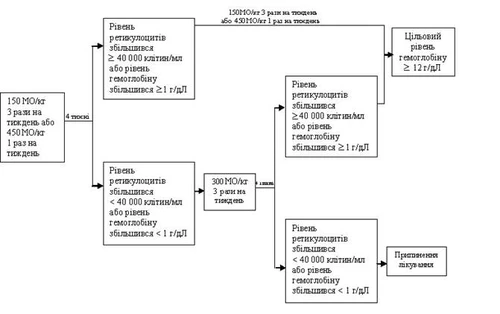
The initial dose for treating anaemia in this patient group is 150 IU/kg three times weekly. As an alternative, epoetin alfa may be administered at an initial dose of 450 IU/kg subcutaneously once weekly.
If, after 4 weeks of initial dose administration, haemoglobin increases by at least 1 g/dL (0.6 mmol/L) (or reticulocyte count increases to ≥ 40,000 cells/mL), the dose should remain at 150 IU/kg three times weekly or 450 IU/kg subcutaneously once weekly. If, after 4 weeks of initial dose administration, haemoglobin increases by less than 1 g/dL (0.62 mmol/L) or reticulocyte count increases to < 40,000 cells/mL, the dose should be increased to 300 IU/kg three times weekly or 40,000 IU once weekly.
If, after 4 weeks of treatment with the increased dose of 300 IU/kg three times weekly, haemoglobin increases by ≥ 1 g/dL (≥ 0.62 mmol/L) or reticulocyte count increases to ≥ 40,000 cells/mL, the dose should remain unchanged. However, if haemoglobin increases by < 1 g/dL (< 0.62 mmol/L) or reticulocyte count increases by < 40,000 cells/mL, the clinical response is considered negative and treatment should be discontinued.
Recommended dosing regimen:
Patients should be closely monitored to ensure that the lowest approved dose of erythropoiesis-stimulating agents provides adequate control of anaemia symptoms.
Dose adjustment to maintain target haemoglobin level of 10–12 g/dL.
If the rate of haemoglobin increase exceeds 2 g/dL (1.25 mmol/L) per month and the total haemoglobin level approaches 12 g/dL (7.5 mmol/L), the dose of Epobiochrin should be reduced by 25–50%, depending on the rate of haemoglobin increase. If haemoglobin exceeds 13 g/dL (8.1 mmol/L), therapy should be temporarily discontinued until levels decrease to 12 g/dL (7.5 mmol/L), then resumed at a dose 25% lower than the previous dose.
Adult patients participating in autologous blood donation programs prior to surgery.
Intravenous administration should be used.
Epoetin alfa should be administered after each blood donation procedure.
For patients with moderate anaemia (haematocrit level 33–39%) who require ≥ 4 units of blood, treatment with epoetin alfa at a dose of 600 IU/kg twice weekly should be administered for 3 weeks prior to surgery.
All patients receiving epoetin alfa should receive adequate iron supplementation (200 mg daily orally) throughout the entire treatment course. Iron supplementation should be initiated as early as possible, even several weeks before starting the autologous blood donation program.
Adult patients undergoing elective orthopaedic surgery.
Subcutaneous administration is recommended.
The recommended dosing regimen is 600 IU/kg weekly for 3 weeks prior to surgery (on days 21, 14, and 7 before surgery) and on the day of surgery.
If medical indications require shortening the preoperative period to less than 3 weeks, Epobiochrin should be administered daily at a dose of 300 IU/kg for 10 consecutive days before surgery, on the day of surgery, and for 4 days after surgery. If preoperative haematological tests show haemoglobin levels reaching 15 g/dL or higher, epoetin alfa administration must be completely discontinued.
All patients receiving epoetin alfa should receive adequate iron supplementation (200 mg daily orally) throughout the entire treatment course. Iron supplementation should be initiated as early as possible, even several weeks before starting the autologous blood donation program.
Children.
Epoetin alfa is indicated for the treatment of anaemia associated with chronic renal insufficiency in children aged 1 month to 18 years who are on dialysis. Safety and efficacy of the medicinal product in children under 1 month of age have not been established.
Overdose.
The medicinal product has a wide therapeutic window. Overdose of epoetin alfa results in effects reflecting the maximum expression of the hormone's pharmacological activity. In cases of excessively high haemoglobin levels, phlebotomy may be performed. Symptomatic therapy should be applied if necessary.
Adverse Reactions
The most common adverse reaction associated with epoetin alfa treatment in oncology patients and patients with chronic kidney disease is dose-dependent increase in arterial blood pressure or worsening of pre-existing hypertension. Blood pressure monitoring should be initiated from the beginning of treatment. Other common adverse reactions include deep vein thrombosis, pulmonary embolism, seizures, diarrhea, nausea, headache, flu-like symptoms, pyrexia, rash, and vomiting.
At the beginning of treatment, cold-like symptoms such as headache, muscle and joint pain, and chills may occur. Frequency may vary depending on the indication.
Worsening of airway patency, including nasal congestion and nasopharyngitis, may also be observed.
Serious adverse reactions include venous and arterial thrombosis, embolism (including fatal outcomes), deep vein thrombosis, pulmonary embolism, arterial thrombosis (including myocardial infarction and myocardial ischemia), retinal thrombosis, and shunt thrombosis (including dialysis system occlusion). Cerebrovascular complications (including stroke and cerebral hemorrhage), transient ischemic attacks, aneurysms, and hypersensitivity reactions, including rash, urticaria, anaphylactic reactions, and angioedema, may also occur.
Additionally, during epoetin alfa treatment, hypertensive crisis with encephalopathy and seizures may develop in patients with previously normal or low blood pressure, requiring immediate medical attention and intensive therapy. Particular attention should be paid to sudden, acute migraine-like headache as a possible warning sign.
Very rarely, antibody-mediated pure red cell aplasia may occur after several months or years of treatment.
Frequency of adverse reactions: very common (≥1/10); common (≥1/100 to <1/10); uncommon (≥1/1,000 to <1/100); rare (≥1/10,000 to <1/1,000); very rare (<1/10,000); frequency not known.
Blood and lymphatic system disorders
Uncommon – thrombocytosis (in cancer patients).
Frequency not known – thrombocytosis (in patients with chronic kidney disease).
Very rare – antibody-dependent pure red cell aplasia.
Immune system disorders
Frequency not known – anaphylactic reactions, hypersensitivity reactions.
Anaphylactic reactions are rare: potentially serious complications involving respiratory distress or hypotension. Immune responses (minimal ability to induce antibody formation) may occur.
Nervous system disorders
Very common – headache (in cancer patients).
Common – seizures (in patients with chronic kidney disease), headache (in patients with chronic kidney disease), stroke.
Uncommon – cerebral hemorrhage, seizures (in cancer patients).
Frequency not known – cerebrovascular stroke, hypertensive encephalopathy, transient ischemic attack, dizziness, somnolence.
Eye disorders
Frequency not known – retinal thrombosis.
Cardiac disorders
Frequency not known – myocardial infarction.
Vascular disorders
Common – deep vein thrombosis (in cancer patients), arterial hypertension.
Frequency not known – deep vein thrombosis (in patients with chronic kidney disease), arterial thrombosis, hypertensive crisis.
Respiratory system disorders
Common – pulmonary embolism (in cancer patients), cough.
Uncommon – worsening of airway patency.
Frequency not known – pulmonary embolism (in patients with chronic kidney disease).
Gastrointestinal disorders
Very common – nausea.
Common – diarrhea (in cancer patients), vomiting.
Uncommon – diarrhea (in patients with chronic kidney disease).
Skin and subcutaneous tissue disorders
Common – rash, eczema.
Frequency not known – angioedema, urticaria, pruritus, Quincke's edema, Stevens-Johnson syndrome, toxic epidermal necrolysis (which may be life-threatening or fatal).
Musculoskeletal, connective tissue and bone disorders
Very common – arthralgia (in patients with chronic kidney disease), bone pain, limb pain.
Common – arthralgia (in cancer patients).
Uncommon – myalgia (in cancer patients).
Frequency not known – myalgia (in patients with chronic kidney disease).
Congenital, familial and genetic disorders
Frequency not known – porphyria.
General disorders and administration site conditions
Very common – pyrexia (in cancer patients), flu-like symptoms (in patients with chronic kidney disease), injection site reactions, peripheral edema.
Common – flu-like symptoms (in cancer patients).
Frequency not known – chills, lack of response to treatment.
Investigations
Frequency not known – presence of antibodies to erythropoietin, hyperkalemia, hyperphosphatemia, increased plasma concentrations of urea, creatinine, and uric acid (in patients with chronic kidney disease).
Injury, poisoning and procedural complications
Common – shunt thrombosis, including dialysis equipment (in patients with chronic kidney disease).
Patients with chronic kidney disease
In patients with chronic kidney disease, hemoglobin levels above 12 g/dL may be associated with an increased risk of cardiovascular complications, including fatal outcomes.
Cases of shunt thrombosis have been reported in patients undergoing hemodialysis, particularly in those with a predisposition to hypotension or complications related to arteriovenous fistula (stenosis, aneurysms, etc.).
Oncology patients
Thrombotic complications may occur in patients receiving erythropoiesis-stimulating agents, including epoetin alfa (see section "Special precautions").
Adult surgical patients
It cannot be excluded that epoetin alfa treatment in patients with stable hemoglobin levels >13 g/dL may be associated with an increased risk of postoperative thrombotic/vascular complications.
Description of selected adverse reactions
Hypersensitivity reactions have been reported, including cases of rash (including urticaria), anaphylactic reactions, and angioedema (see section "Special precautions").
Cases of hypertensive crisis with encephalopathy and seizures requiring immediate medical evaluation and intensive therapy have been observed in patients with normal or low blood pressure at the start of treatment. Particular attention should be paid to sudden, shooting, migraine-like headache, which may be a warning signal (see section "Special precautions").
Very rarely (<1/10,000 patient-years), cases of antibody-mediated pure red cell aplasia (PRCA) have been reported in patients treated with erythropoietin products for several months or years (see section "Special precautions").
Children with chronic kidney disease on hemodialysis
Experience with erythropoietin use in children with chronic kidney disease undergoing hemodialysis during clinical trials and in the post-marketing period is limited. No adverse reactions specific to pediatric patients not listed in the table have been identified; nor have any adverse reactions unrelated to the underlying disease been observed.
Reporting suspected adverse reactions.
Reporting of suspected adverse reactions after drug authorization is important. It allows continuous monitoring of the benefit-risk balance of the medicinal product.
Healthcare professionals and patients or their legal representatives may report all suspected adverse reactions or lack of efficacy of medicinal products manufactured by LLC "FC "Biopharma" in any convenient way (by mail, email, or phone), in paper or electronic form. Reports on adverse reactions or lack of efficacy of medicinal products manufactured by LLC "FC "Biopharma" should be sent to the Pharmacovigilance Department at: 12 Mykola Amosov Street, Kyiv, 03680, Tel. +38 044 459 4600, email: [email protected]. In case of adverse effects or safety-related questions regarding the use of medicinal products manufactured by LLC "FC "Biopharma", please contact the Pharmacovigilance Department.
Additionally, reports of adverse reactions can be submitted via the Automated Pharmacovigilance Information System at: https://aisf.dec.gov.ua
Shelf life: 2 years.
Storage conditions: Store in the original packaging to protect from light at a temperature of 2 to 8 °C. Do not freeze. Do not shake.
Keep out of reach of children.
Incompatibilities: As compatibility studies are lacking, EpoBiocrin must not be mixed with other medicinal products.
Packaging: 1000 IU, 2000 IU, 4000 IU, 10,000 IU in pre-filled syringes or vials. Packs of 5 pre-filled syringes or 5 vials in a blister. One blister per carton.
Prescription status: Prescription only.
Manufacturer:
LLC "FC "STADA", Ukraine.
Manufacturer's address and location of operations:
37 Kyivska Street, Bila Tserkva, Kyiv Oblast, 09100, Ukraine.