Diazolin
Ukraine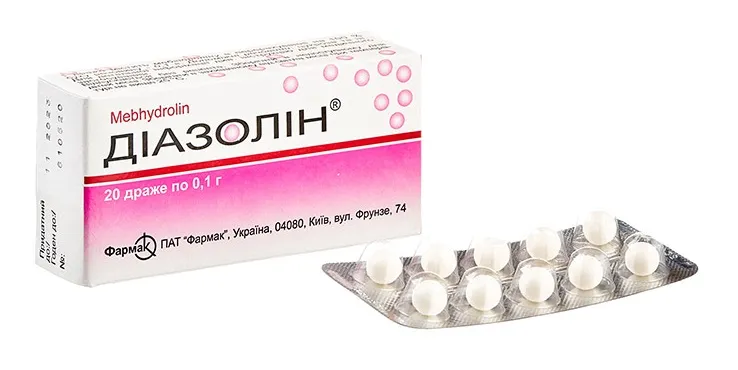
Table of Contents
INSTRUCTIONS FOR MEDICAL USE OF THE MEDICINAL PRODUCT DIAZOLINE® (DIAZOLINE®)
Composition:
Active substance: mebhydrolin;
One tablet contains mebhydrolin, recalculated to 100% substance, 50 mg (0.05 g) or 100 mg (0.1 g);
Excipients: lactose monohydrate, potato starch, povidone, sucrose, calcium stearate.
Pharmaceutical form. Tablets.
Main physicochemical properties: tablets of round shape with flat surface, scored and beveled edge, white or almost white in colour.
Pharmacotherapeutic group.
Antihistamines for systemic use.
ATC code R06A X15.
Pharmacological properties.
Pharmacodynamics.
Mebedrolin belongs to antihistamine agents and is an H1-histamine receptor blocker. Mebedrolin reduces the spasmogenic effect of histamine on smooth muscles of bronchi and intestines, as well as its influence on vascular permeability. Unlike first-generation antihistamines (diphenhydramine, suprastin), it has a less pronounced sedative and hypnotic effect. It possesses weak m-cholinoblocking and anesthetic properties.
Pharmacokinetics.
Rapidly absorbed from the gastrointestinal tract. Bioavailability ranges from 40–60%. Therapeutic effect develops within 15–30 minutes, with maximum action observed within 1–2 hours. Duration of effect may last up to 2 days. The drug practically does not penetrate through the blood-brain barrier, is metabolized in the liver via methylation, induces liver enzymes, and is excreted from the body by the kidneys.
Clinical characteristics.
Indications.
Prevention and treatment of seasonal and allergic rhinitis, pollinosis, urticaria, food and drug allergies, dermatoses accompanied by skin itching (eczema, neurodermatitis).
Contraindications.
Hypersensitivity to the active substance or to other components of the drug, peptic ulcer of the stomach and duodenum in the period of exacerbation, inflammatory diseases of the gastrointestinal tract, pylorostenosis, prostatic hyperplasia, closed-angle glaucoma, epilepsy, cardiac arrhythmias.
Interaction with other medicinal products and other forms of interaction.
Diazolinâ potentiates the effect of hypnotics, sedatives, and other drugs that depress the central nervous system, as well as alcohol.
Special precautions for use.
During treatment with this medicinal product, consumption of alcoholic beverages and medications containing ethanol is not recommended.
This medicinal product should be used with caution in patients with severe hepatic and/or renal impairment (dose adjustment and prolonged intervals between doses may be required).
This medicinal product contains lactose; therefore, it should not be administered to patients with rare hereditary forms of galactose intolerance, lactase deficiency, or glucose-galactose malabsorption syndrome.
If you have been diagnosed with intolerance to certain sugars, consult your doctor before taking this medicinal product.
Use during pregnancy or breastfeeding.
The use of this medicinal product is contraindicated during pregnancy and breastfeeding.
Ability to affect reaction rate when driving or operating machinery.
While taking this medicinal product, driving vehicles or operating machinery requiring attention and quick psychomotor reactions is not recommended.
Dosage and Administration
Diazolin® should be administered orally after meals. For adults and children aged 12 years and older: 100–200 mg once or twice daily. Maximum doses for adults: single dose – 300 mg, daily dose – 600 mg.
For children aged 5–12 years: 50 mg 1–3 times daily; for children aged 3–5 years: 25–50 mg 1–3 times daily.
The duration of treatment is determined by the physician depending on the nature of the disease, clinical response, and the patient's tolerance to the drug.
Children. The drug is indicated for children aged 3 years and older.
Overdose.
In case of overdose, the risk of adverse reactions described in the relevant section increases. The drug should be discontinued. If necessary, general detoxification measures (gastric lavage, forced diuresis) and symptomatic therapy should be implemented.
Adverse reactions.
Gastrointestinal system: irritation of gastrointestinal mucosa, sometimes manifested by dyspeptic symptoms (heartburn, nausea, epigastric pain).
Central nervous system: dizziness, paresthesia, increased fatigue, drowsiness, blurred vision, slowed reaction time, tremor, anxiety (at night).
Other: dry mouth, urinary disturbances, allergic reactions. Granulocytopenia and agranulocytosis may occur very rarely.
In children, paradoxical reactions may sometimes occur: increased excitability, tremor, sleep disturbances, irritability.
In isolated cases, the following adverse reactions have been reported in the post-marketing period: headache, pruritus, rash, urticaria, Quincke's edema.
Shelf life.
4 years.
Do not use the medicinal product after the expiry date stated on the packaging.
Storage conditions.
Store in the original packaging at a temperature not exceeding 25 °C.
Keep out of reach of children.
Packaging. 10 tablets in a blister. 1 or 2 blisters per carton.
Availability. Over-the-counter.
Manufacturer.
JSC "Farmak".
Manufacturer's address and place of business.
74, Kyrylivska Street, Kyiv, 04080, Ukraine.