Abizol
Ukraine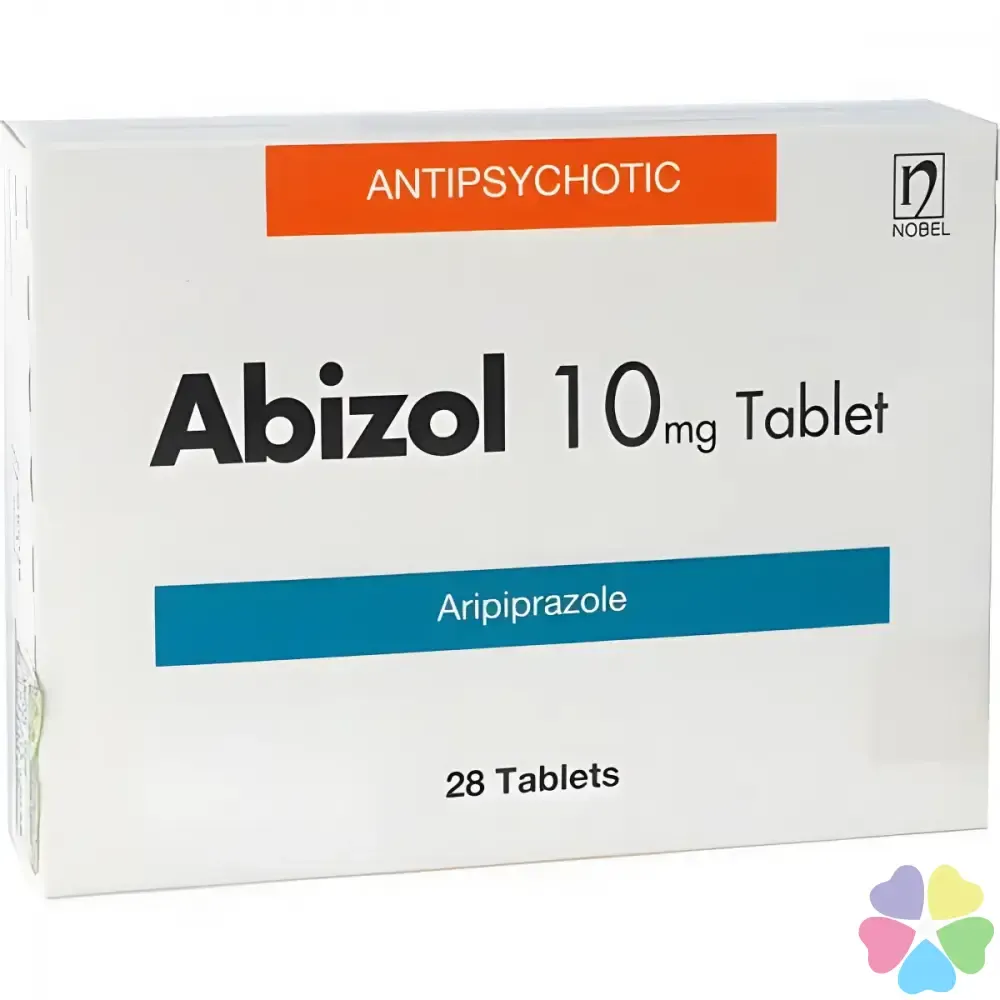
Table of Contents
INSTRUCTION FOR MEDICAL USE OF THE MEDICINAL PRODUCT ABIZOL (ABIZOL)
Composition:
Active substance: aripiprazole;
1 tablet contains aripiprazole 5 mg or 10 mg, or 15 mg, or 30 mg;
Excipients:
tablets 5 mg: mannitol (E 421), crospovidone, povidone, indigo carmine lake (E 132), magnesium stearate;
tablets 10 mg: mannitol (E 421), crospovidone, povidone, iron oxide red (E 172), magnesium stearate;
tablets 15 mg: mannitol (E 421), crospovidone, povidone, iron oxide yellow (E 172), magnesium stearate;
tablets 30 mg: mannitol (E 421), crospovidone, povidone, iron oxide red (E 172), magnesium stearate.
Pharmaceutical form. Tablets.
Main physicochemical properties:
tablets 5 mg: modified rectangular-shaped tablets, blue in colour, with "5" engraved on one side and a break line on the other; specks may be present;
tablets 10 mg: modified rectangular-shaped tablets, pink in colour, with "10" engraved on one side and a break line on the other; specks may be present;
tablets 15 mg: round, yellow tablets with "15" engraved on one side; specks may be present;
tablets 30 mg: round, pink tablets with "30" engraved on one side; specks may be present.
Pharmacotherapeutic group.
Antipsychotics. ATC code N05A X12.
Pharmacological Properties.
Pharmacodynamics.
The therapeutic effect of aripiprazole in schizophrenia is due to a combination of partial agonist activity at D2-dopaminergic and 5HT1a-serotonergic receptors and antagonist activity at 5HT2-serotonergic receptors.
Aripiprazole has high affinity in vitro for D2- and D3-dopaminergic receptors, 5HT1a- and 5HT2a-serotonergic receptors, and moderate affinity for D4-dopaminergic receptors, 5HT2c- and 5HT7-serotonergic receptors, α1-adrenergic receptors, and H1-histaminergic receptors. Aripiprazole also shows moderate affinity for serotonin reuptake sites and lacks affinity for muscarinic receptors. In animal experiments, aripiprazole demonstrated antagonism toward dopaminergic hyperactivity and agonism toward dopaminergic hypoactivity. The interaction with both dopaminergic and serotonergic receptors may explain some of the clinical effects of aripiprazole.
Pharmacokinetics.
The activity of the drug is due to its active substance—aripiprazole. The mean elimination half-life of aripiprazole is approximately 75 hours. Steady-state concentration is achieved within 14 days. Accumulation of the drug with repeated administration is predictable. Pharmacokinetic parameters of aripiprazole at steady state are dose-proportional. No diurnal fluctuations in the distribution of aripiprazole and its metabolite dehydroaripiprazole have been observed. It has been established that the main metabolite of the drug in human plasma, dehydroaripiprazole, has the same affinity for D2-dopaminergic receptors as aripiprazole.
Aripiprazole is rapidly absorbed after oral administration. Maximum plasma concentration (Cmax) of aripiprazole is reached within 3–5 hours. The absolute bioavailability of the drug is 87%. Food intake does not affect the bioavailability of aripiprazole.
At therapeutic concentrations, over 99% of aripiprazole is bound to plasma proteins, primarily to albumin. Aripiprazole undergoes minimal presystemic metabolism. It is metabolized in the liver via three pathways: dehydrogenation, hydroxylation, and N-dealkylation. In vitro studies indicate that dehydrogenation and hydroxylation of aripiprazole are mediated by CYP3A4 and CYP2D6 enzymes, while N-dealkylation is catalyzed by CYP3A4. Aripiprazole is the major component of the drug in the blood. At steady state, the area under the plasma concentration-time curve (AUC) of dehydroaripiprazole is approximately 39% of the AUC of aripiprazole.
After a single dose of radiolabeled [14C]aripiprazole, approximately 27% and 60% of radioactivity is recovered in urine and feces, respectively. Less than 1% of unchanged aripiprazole is excreted in urine, and about 18% of the administered dose is excreted unchanged in feces. The total clearance of aripiprazole is 0.7 mL/min/kg, primarily due to hepatic elimination.
Clinical characteristics.
Indications.
Adults.
Treatment of schizophrenia.
Treatment of moderate to severe manic episodes in bipolar I disorder.
Prevention of new manic episodes in patients who have already experienced such episodes and have been previously treated with aripiprazole.
Contraindications.
Hypersensitivity to aripiprazole or to any of the excipients. Phenylketonuria.
Interaction with other medicinal products and other forms of interaction.
Aripiprazole may potentially enhance the effect of certain antihypertensive agents due to blockade of α1-adrenergic receptors.
Due to the primary effect of aripiprazole on the central nervous system, caution should be exercised when aripiprazole is used concomitantly with alcohol or other medicinal products affecting the central nervous system.
Caution is advised when aripiprazole is used concomitantly with medicinal products that may prolong the QT interval or cause electrolyte imbalances.
No significant effect of the H2-histamine receptor blocker famotidine, which causes marked inhibition of gastric hydrochloric acid secretion, on the pharmacokinetics of aripiprazole has been observed.
Aripiprazole is metabolized via multiple pathways, including those involving CYP2D6 and CYP3A4 enzymes, but not CYP1A enzymes. Therefore, dose adjustment is not required for smokers.
Quinidine and other CYP2D6 inhibitors
Strong CYP2D6 inhibitors (quinidine) increase the AUC of aripiprazole by 107%, while Cmax remains unchanged.
The AUC and Cmax of dehydroaripiprazole, the active metabolite, decrease by 32% and 47%, respectively. The dose of aripiprazole should be reduced by half when coadministered with quinidine. Other CYP2D6 inhibitors, such as fluoxetine and paroxetine, may have a similar effect; therefore, a dose reduction of aripiprazole may be necessary.
Ketoconazole and other CYP3A4 inhibitors
Studies have shown that strong CYP3A4 inhibitors (ketoconazole) increase the AUC and Cmax of aripiprazole by 63% and 37%, respectively. The AUC and Cmax of dehydroaripiprazole increase by 77% and 43%, respectively. Concomitant use of strong CYP3A4 inhibitors may lead to increased plasma concentrations of aripiprazole. When coadministering ketoconazole or other strong CYP3A4 inhibitors, the potential benefits and possible risks for the patient should be carefully considered. The dose of aripiprazole should be reduced to approximately half the recommended dose when coadministered with ketoconazole. Similar effects and dose reductions are expected with other strong CYP3A4 inhibitors, such as itraconazole or HIV protease inhibitors. After discontinuation of CYP2D6 or CYP3A4 inhibitors, the aripiprazole dose should be increased to the original level. With concomitant use of weak CYP3A4 inhibitors (e.g., diltiazem, escitalopram) or CYP2D6 inhibitors, a moderate increase in aripiprazole concentration may be expected.
Carbamazepine and other CYP3A4 inducers
Administration of 30 mg aripiprazole together with carbamazepine, a strong CYP3A4 inducer, resulted in a 68% and 73% reduction in Cmax and AUC of aripiprazole, respectively, and a 69% and 71% reduction in Cmax and AUC of its active metabolite dehydroaripiprazole, respectively. The dose of aripiprazole should be doubled when coadministered with carbamazepine. A similar effect is expected with other strong CYP3A4 inducers (such as rifampicin, rifabutin, phenytoin, phenobarbital, primidone, efavirenz, nevirapine, St. John’s wort). After discontinuation of strong CYP3A inducers, the aripiprazole dose should be reduced to the recommended dose.
Valproate and lithium
No clinically significant effect on aripiprazole concentration was observed when valproate or lithium was coadministered with aripiprazole.
Serotonin syndrome
Cases of serotonin syndrome have been reported in patients taking aripiprazole, particularly when used concomitantly with serotonergic medicinal products, such as serotonin reuptake inhibitors/serotonin-norepinephrine reuptake inhibitors or medicinal products that increase aripiprazole concentrations.
Effect of aripiprazole on other medicinal products
At aripiprazole doses of 10–30 mg/day, no effect was observed on the metabolism of CYP2D6 substrates (dextromethorphan/3-methoxymorphine ratio), CYP2C9 (warfarin), CYP2C19 (omeprazole), or CYP3A4 (dextromethorphan). Additionally, aripiprazole and its main metabolite dehydroaripiprazole did not alter CYP1A2 enzyme activity in vitro. A clinically significant effect of aripiprazole on medicinal products metabolized by these enzymes is unlikely. Thus, aripiprazole does not cause clinically significant interactions mediated by these enzymes. When aripiprazole is administered concomitantly with valproate, lithium, or lamotrigine, no clinically important changes in the concentrations of valproate, lithium, or lamotrigine occur.
Special precautions for use.
Clinical improvement with antipsychotic agents may take from several days to several weeks. During this period, careful monitoring of these patients is required.
Suicidality.
In some cases, immediately after initiation or when changing antipsychotics, including aripiprazole, suicidal behaviour characteristic of psychiatric disorders and mood changes have been observed. Patients at high risk of suicide require careful medical supervision when treated with antipsychotics. Study data have shown no increased risk of suicide with aripiprazole compared to other antipsychotics in adult patients with schizophrenia or bipolar disorders.
Cardiovascular disorders.
Aripiprazole should be used with caution in patients with cardiovascular diseases (including history of myocardial infarction or ischemic heart disease, heart failure, or conduction disorders), cerebrovascular diseases, and conditions leading to arterial hypotension (dehydration, hypovolemia, and treatment with antihypertensive agents) or arterial hypertension, including acute or malignant hypertension. Venous thromboembolism has been reported during treatment with antipsychotics. Before and during antipsychotic therapy, potential risk factors for venous thromboembolism should be evaluated and appropriate preventive measures taken.
Conduction disorders.
Prolongation of the QT interval has been observed in clinical trials of aripiprazole compared to placebo. Aripiprazole, like other antipsychotics, should be used with caution in patients with a history of QT interval prolongation.
Tardive dyskinesia.
The risk of developing tardive dyskinesia increases with the duration of antipsychotic therapy. Therefore, if symptoms of tardive dyskinesia occur during treatment with aripiprazole, the dose should be reduced or therapy discontinued. After discontinuation of treatment, these symptoms may transiently worsen or even appear following cessation.
Other extrapyramidal symptoms.
Aripiprazole has been associated with akathisia and parkinsonism in children. If signs of other extrapyramidal symptoms occur, dose reduction should be considered, and careful clinical monitoring of the patient should be maintained.
Malignant neuroleptic syndrome (MNS).
A life-threatening clinical complex known as malignant neuroleptic syndrome has been reported during treatment with antipsychotics, including aripiprazole. This syndrome is characterized by hyperpyrexia, muscle rigidity, altered mental status, and autonomic instability (irregular pulse and blood pressure, tachycardia, diaphoresis, and cardiac arrhythmias). In addition, increased creatine phosphokinase activity, myoglobinuria (rhabdomyolysis), and acute renal failure may occur. If symptoms of MNS or unexplained fever occur, all antipsychotics, including aripiprazole, should be discontinued.
Seizures.
Seizures were infrequently reported in clinical trials of aripiprazole. Therefore, aripiprazole should be used with caution in patients with a history of seizures or conditions predisposing to seizures.
Elderly patients with psychosis associated with dementia.
Increased risk of mortality.
In clinical trials of aripiprazole in elderly patients with Alzheimer's disease (mean age 82 years), an increased risk of mortality was observed compared to placebo. Mortality rates were 3.5% with aripiprazole versus 1.7% with placebo. Causes of death included cardiovascular events (e.g., heart failure, sudden cardiac death) or infections (e.g., pneumonia).
Cerebrovascular adverse reactions.
Cerebrovascular adverse reactions (such as stroke and transient ischemic attacks), including fatal cases (mean age 84 years, range 78 to 88 years), have been reported. Overall, cerebrovascular adverse reactions occurred in 1.3% of patients receiving aripiprazole compared to 0.6% of those receiving placebo.
This difference was not statistically significant. However, in fixed-dose studies, a relationship between aripiprazole use and cerebrovascular adverse reactions was observed.
Aripiprazole is not indicated for the treatment of psychosis associated with dementia.
Hyperglycemia and diabetes mellitus.
Hyperglycemia, sometimes severe and associated with ketoacidosis, which may lead to hyperosmolar coma or even death, has been reported in patients treated with atypical antipsychotics, including aripiprazole. Although the relationship between atypical antipsychotics and hyperglycemia remains unclear, patients with diagnosed diabetes mellitus should have their blood glucose levels monitored regularly during treatment with atypical antipsychotics. Patients with risk factors for diabetes (obesity, family history of diabetes) should have blood glucose levels measured at the beginning of treatment and periodically during therapy. All patients receiving atypical antipsychotics should be continuously monitored for symptoms of hyperglycemia, including increased thirst, frequent urination, polyphagia, and weakness.
Hypersensitivity.
As with other medicinal products, hypersensitivity/allergic reactions are possible (see section "Adverse reactions").
Weight gain.
Weight gain is commonly observed in patients with schizophrenia or bipolar manic episodes due to comorbid conditions, use of other weight-gain-inducing antipsychotics, and uncontrolled lifestyle, which may lead to serious complications.
Weight gain has been observed in patients treated with aripiprazole. These patients have significant risk factors, such as history of diabetes mellitus, thyroid disorders, or pituitary adenoma.
In studies involving adolescent patients with bipolar mania, weight gain was observed within 4 weeks of aripiprazole treatment. Weight should be monitored in adolescents with bipolar mania. If significant weight gain occurs, dose reduction should be considered.
Dysphagia.
Antipsychotics, including aripiprazole, may impair esophageal motility and lead to aspiration. Aripiprazole, like other antipsychotics, should be used with caution in patients at increased risk of aspiration pneumonia.
Pathological gambling and other impulse control disorders.
Cases of pathological gambling and inability to control such urges have been reported in patients treated with aripiprazole. Reports also include hypersexuality, compulsive shopping, binge eating or uncontrolled eating, and other impulse and compulsive behaviour disorders. It is important that patients and caregivers inform the physician if such disorders develop during treatment with aripiprazole. Impulse control disorders may be related to the underlying condition, but in some cases, pathological urges have resolved after dose reduction or discontinuation of treatment. Impulse control disorders may harm the patient and others if not recognized. If such disorders develop during aripiprazole treatment, consideration should be given to dose reduction or discontinuation of therapy (see section "Adverse reactions").
Patients with comorbid attention deficit hyperactivity disorder (ADHD).
Despite the high prevalence of comorbid ADHD in bipolar disorders, there are limited safety data on the concomitant use of aripiprazole and stimulants. Therefore, caution should be exercised when using Abizol.
Falls.
Aripiprazole may cause somnolence, orthostatic hypotension, and motor or sensory instability, which may lead to falls. Caution should be exercised when treating patients at increased risk, and treatment should be initiated with lower starting doses (e.g., in elderly or debilitated patients; see section "Dosage and administration").
Use during pregnancy or breastfeeding.
Adequate and well-controlled studies on the use of aripiprazole in pregnant women have not been conducted. Congenital anomalies have been reported, but a causal relationship has not been established. Available animal data do not allow exclusion of embryofetotoxicity. Women taking aripiprazole should consult their physician if pregnancy occurs or is planned. Due to insufficient safety data during pregnancy, the drug should be prescribed only if the expected benefit to the woman outweighs the potential risk to the fetus. Use of antipsychotics, including aripiprazole, during the third trimester of pregnancy may pose a risk of adverse reactions in newborns, including extrapyramidal symptoms and/or withdrawal symptoms of varying severity and duration. Reports include agitation, arterial hypertension or hypotension, tremor, somnolence, respiratory distress, or feeding difficulties. Therefore, newborns should be carefully monitored.
Breastfeeding.
Aripiprazole passes into breast milk. A decision should be made whether to discontinue breastfeeding or to discontinue/abstain from aripiprazole therapy, taking into account the benefits of breastfeeding for the child and the benefits of therapy for the mother.
Fertility.
According to reproductive toxicity studies, aripiprazole does not affect fertility.
Ability to affect reaction speed when driving or operating machinery.
Aripiprazole may have a moderate or minor influence on the ability to drive or operate machinery due to nervous system and visual adverse reactions such as sedative effects, somnolence, syncope, blurred vision, and diplopia (see section "Adverse reactions").
Dosage and Administration
The tablets are intended for oral use in adults.
Schizophrenia. The recommended starting dose is 10 or 15 mg once daily, regardless of food intake. The maintenance dose is 15 mg daily. The effective dose range of the drug is 10 to 30 mg daily. Increased efficacy with doses higher than 15 mg has not been demonstrated, although some patients may require higher doses. The maximum daily dose should not exceed 30 mg.
Manic episodes in bipolar I disorder.
The recommended initial dose is 15 mg once daily, regardless of food intake, both as monotherapy and in combination therapy. Some patients may require a higher dose. The maximum daily dose should not exceed 30 mg.
Prevention of recurrent manic episodes in bipolar I disorder.
For prevention of manic episodes in patients previously treated with aripiprazole either as monotherapy or in combination therapy, treatment should be continued at the same doses.
Dose adjustment or dose reduction should be determined by the physician, taking into account the patient's clinical condition.
Patients with hepatic impairment.
Dose adjustment is not required in patients with mild to moderate hepatic impairment. Insufficient data are available to provide recommendations for patients with severe hepatic impairment. Dose selection in these patients should be made with extreme caution. The maximum daily dose of 30 mg should be used with caution in patients with severe hepatic impairment.
Patients with renal impairment.
Dose adjustment is not required.
Elderly patients.
The efficacy of aripiprazole in the treatment of schizophrenia and bipolar I disorder in patients aged 65 years and older has not been studied.
Dose adjustment in case of drug interactions.
When aripiprazole is co-administered with strong CYP3A4 or CYP2D6 inhibitors, the dose of aripiprazole should be reduced. When CYP3A4 or CYP2D6 inhibitors are discontinued during combination therapy, the dose of aripiprazole should be increased.
When aripiprazole is co-administered with a strong CYP3A4 inducer, the dose of the drug should be increased. When a CYP3A4 inducer is discontinued during combination therapy, the dose of aripiprazole should be reduced to the recommended dose.
Children.
The safety and efficacy of aripiprazole in children and adolescents under 18 years of age have not been established.
Overdose.
There have been reports of accidental or intentional aripiprazole overdose with single doses up to 1260 mg, without fatal outcomes. Potentially clinically significant symptoms included lethargy, increased blood pressure, somnolence, tachycardia, nausea, vomiting, and diarrhea. Cases of aripiprazole overdose in children (ingestion up to 195 mg) without fatal outcomes have also been described. Potentially dangerous symptoms of overdose include somnolence, transient loss of consciousness, and extrapyramidal disorders.
Treatment: in case of overdose, supportive care is required, including maintenance of adequate airway patency, oxygenation, effective lung ventilation, and symptomatic treatment. Possible drug interactions should be considered. Immediate cardiac monitoring with ECG recording should be initiated to detect arrhythmias. After confirmed or suspected overdose of aripiprazole, careful medical observation is necessary until all symptoms resolve.
Activated charcoal (50 g), administered within 1 hour after aripiprazole ingestion, reduces the AUC and Cmax of aripiprazole in plasma by 51% and 41%, respectively, supporting its use in overdose management.
Although there are no reliable data on the use of hemodialysis in aripiprazole overdose, a beneficial effect of this method is unlikely because aripiprazole is not excreted unchanged by the kidneys and is highly protein-bound in plasma.
Adverse reactions
The most commonly reported adverse reactions in placebo-controlled trials were akathisia and nausea, occurring in over 3% of patients receiving oral aripiprazole.
List of adverse reactions
All adverse reactions are listed by system organ class and frequency: very common (≥ 1/10), common (≥ 1/100, < 1/10), uncommon (≥ 1/1000, < 1/100), rare (≥ 1/10000, < 1/1000), very rare (< 1/10000), frequency not known (cannot be estimated from available data). Within each frequency group, adverse reactions are listed in order of decreasing severity.
The frequency of adverse reactions identified during the post-marketing period cannot be estimated, as they are derived from spontaneous reports; therefore, they are classified as frequency not known.
| System organ classes |
Common |
Uncommon |
Frequency not known |
| Blood and lymphatic system disorders |
Leukopenia Neutropenia Thrombocytopenia |
||
| Immune system disorders |
Allergic reactions (e.g. anaphylactic reactions; angioedema, including tongue swelling; swelling of tongue, facial swelling, pruritus or urticaria) |
||
| Endocrine disorders |
Hyperprolactinaemia |
Hyperosmolar non-ketotic coma Diabetic ketoacidosis |
|
| Metabolism and nutrition disorders |
Diabetes mellitus |
Hypoglycaemia |
Hypoglycaemia Anorexia |
| Psychiatric disorders |
Insomnia Anxiety Restlessness |
Depression Hypersexuality |
Suicide attempt, suicidal thinking and completed suicide (see section "Special warnings and precautions for use") Pathological gambling Impulse control disorders Compulsive eating Compulsive shopping Compulsive skin picking Aggression Agitation Nervousness |
| Nervous system disorders |
Akathisia Extrapyramidal disorders Tremor Headache Sedative effect Somnolence Dizziness |
Tardive dyskinesia Dystonia Restless legs syndrome |
Neuroleptic malignant syndrome (NMS) Convulsion Serotonin syndrome Speech disorder |
| Eye disorders |
Blurred vision |
Diplopia Photophobia |
Acute angle-closure glaucoma |
| Cardiac disorders |
Tachycardia |
Sudden cardiac death Torsades de pointes ventricular tachycardia Ventricular arrhythmia Cardiac arrest Bradycardia |
|
| Vascular disorders |
Orthostatic hypotension |
Venous thromboembolism (including pulmonary embolism and deep vein thrombosis) Hypertension Syncope |
|
| Respiratory, thoracic and mediastinal disorders |
Hiccups |
Aspiration pneumonia Laryngospasm Oropharyngeal spasm |
|
| Gastrointestinal disorders |
Constipation Dyspepsia Nausea Excessive salivation Vomiting |
Pancreatitis Dysphagia Diarrhoea Abdominal discomfort Epigastric discomfort |
|
| Hepatobiliary disorders |
Hepatic failure Hepatitis Jaundice |
||
| Skin and subcutaneous tissue disorders |
Rash Photosensitivity reactions Alopecia Increased sweating Drug reaction with eosinophilia and systemic symptoms (DRESS syndrome) |
||
| Musculoskeletal and connective tissue disorders |
Rhabdomyolysis Myalgia Stiff muscles |
||
| Renal and urinary disorders |
Urinary incontinence Urinary retention |
||
| Pregnancy, puerperium and perinatal conditions |
Drug withdrawal syndrome in newborns (see section "Use in pregnancy and breastfeeding") |
||
| Reproductive system and breast disorders |
Priapism |
||
| General disorders and administration site conditions |
Fatigue |
Thermoregulatory disorders (e.g. hypothermia, pyrexia) Chest pain Peripheral oedema |
|
| Investigations |
Weight decreased Weight increased Increased alanine aminotransferase (ALT) Increased aspartate aminotransferase (AST) Increased gamma-glutamyltransferase (GGT) Increased alkaline phosphatase QT interval prolongation Increased blood glucose Increased glycated haemoglobin Blood glucose fluctuations Increased creatine phosphokinase |
Description of individual adverse reactions
Adults
Extrapyramidal symptoms (EPS)
Schizophrenia: In a 52-week controlled study in patients receiving aripiprazole, the incidence of EPS, including parkinsonism, akathisia, dystonia, and dyskinesia, was lower (25.7%) compared to patients receiving haloperidol (57.3%). In a long-term 26-week placebo-controlled study, the incidence of EPS was 19% in patients treated with aripiprazole and 13.1% in patients receiving placebo. In another 26-week controlled study, the incidence of EPS was 14.8% in patients receiving aripiprazole and 15.1% in patients receiving olanzapine.
Manic episodes in bipolar I disorder: In a controlled 12-week study, the incidence of EPS was 23.5% in patients treated with aripiprazole and 53.3% in patients receiving haloperidol. In another 12-week study, the incidence of EPS was 26.6% in patients receiving aripiprazole and 17.6% in patients receiving lithium. In the long-term 26-week phase of a placebo-controlled study, the incidence of EPS was 18.2% in patients receiving aripiprazole and 15.7% in patients receiving placebo.
Akathisia
In placebo-controlled studies, the incidence of akathisia in patients with bipolar disorder was 12.1% with aripiprazole treatment and 3.2% in the placebo group. In patients with schizophrenia, the incidence of akathisia was 6.2% with aripiprazole and 3.0% in the placebo group.
Dystonia
Class effect: In susceptible patients, symptoms of dystonia, including prolonged abnormal contractions of muscle groups, may occur during the first few days of treatment. Symptoms of dystonia include neck muscle spasms, sometimes progressing to throat constriction, difficulty swallowing, breathing difficulties, and/or tongue protrusion. Although these symptoms may occur at low doses, they are more frequent and severe at higher doses of first-generation antipsychotics. The risk of acute dystonia is increased in males and younger patients.
Prolactin
In clinical trials for approved indications and during the post-marketing period, both increases and decreases in serum prolactin levels compared to baseline have been observed.
Laboratory parameters
The proportion of patients with clinically significant changes in standard laboratory and lipid parameters did not differ significantly between the aripiprazole and placebo groups. Elevated creatine kinase (CK) levels (mostly transient and asymptomatic) were observed in 3.5% of patients receiving aripiprazole, compared to 2.0% in the placebo group.
Children
Schizophrenia in adolescents aged 15 years and older
In a short-term placebo-controlled clinical study involving 302 adolescents (aged 13 to 17 years) with schizophrenia, the frequency and type of adverse reactions were similar to those in adults, except for the following reactions, which were more frequently observed in adolescents receiving aripiprazole than in adults (more frequently than placebo).
Somnolence/sedation and extrapyramidal disorders (≥ 1/10) were reported very commonly, as well as dry mouth, increased appetite, and orthostatic hypotension (≥ 1/100, < 1/10). The safety profile identified in a 26-week open-label study was similar to that observed in the short-term placebo-controlled study.
The safety profile identified in a long-term double-blind placebo-controlled clinical study was also similar, except for the following adverse reactions, which occurred commonly and more frequently in children and adolescents compared to the placebo group: weight decrease, increased blood insulin levels, arrhythmia, and leukopenia (≥ 1/100, < 1/10).
In the pooled adolescent group with schizophrenia aged 13–17 years treated with aripiprazole for up to 2 years, the frequency of prolactin level decrease in girls (< 3 ng/mL) and boys (< 2 ng/mL) was 29.5% and 48.3%, respectively. In adolescents with schizophrenia aged 13–17 years who received 5 to 30 mg of aripiprazole for up to 72 months, the frequency of prolactin level decrease in girls (< 3 ng/mL) and boys (< 2 ng/mL) was 25.6% and 45.0%, respectively.
In two clinical studies involving adolescents (aged 13–17 years) with schizophrenia and bipolar disorder receiving aripiprazole, the frequency of prolactin level decrease in girls (< 3 ng/mL) and boys (< 2 ng/mL) was 37.0% and 59.4%, respectively.
Manic episodes in bipolar I disorder in adolescents aged 13 years and older
The frequency and type of adverse reactions in adolescents with bipolar I disorder were similar to those in adults, except for the following adverse reactions: very common (≥ 1/10) — somnolence (23.0%), extrapyramidal disorders (18.4%), akathisia (16.0%), and fatigue (11.8%); common (≥ 1/100, < 1/10) — upper abdominal pain, tachycardia, weight gain, increased appetite, muscle twitching, and dyskinesia.
Adverse reactions possibly dose-dependent: extrapyramidal disorders (incidence with aripiprazole 10 mg — 9.1%, 30 mg — 28.8%, placebo — 1.7%); akathisia (incidence with aripiprazole 10 mg — 12.1%, 30 mg — 20.3%, placebo — 1.7%).
The mean change in body weight in adolescents with bipolar I disorder at week 12 and week 30 of aripiprazole treatment was 2.4 kg and 5.8 kg, respectively, compared to 0.2 kg and 2.3 kg in the placebo group.
Somnolence and fatigue were more frequently observed in pediatric patients with bipolar disorder compared to those with schizophrenia.
In pediatric patients aged 10–17 years with bipolar disorder treated for up to 30 weeks, the frequency of prolactin level decrease in girls (< 3 ng/mL) and boys (< 2 ng/mL) was 28.0% and 53.3%, respectively.
Pathological gambling and other impulse control disorders
Patients taking aripiprazole may experience pathological gambling, hypersexuality, compulsive shopping, and compulsive overeating (see section "Special precautions").
Reporting suspected adverse reactions
Reporting adverse reactions after drug registration is of great importance. It allows continuous monitoring of the benefit-risk balance of the medicinal product. Healthcare professionals, pharmacists, patients, and their legal representatives should report all suspected adverse reactions and lack of efficacy through the Automated Pharmacovigilance Information System at the following link: https://aisf.dec.gov.ua.
Shelf life. 3 years.
Storage conditions.
Store at temperatures not exceeding 25 °C in the original packaging.
Keep out of reach of children.
Packaging.
14 tablets in a blister, 2 blisters in a cardboard pack.
Prescription status. Prescription only.
Manufacturer.
NOBEL ILAC SANAYI VE TICARET A.S.
Manufacturer's address and location of operations.
Sancaklar Quarter, Eskikaraçay Avenue No. 299, 81100 Düzce, Turkey.