Zolpigen
Poland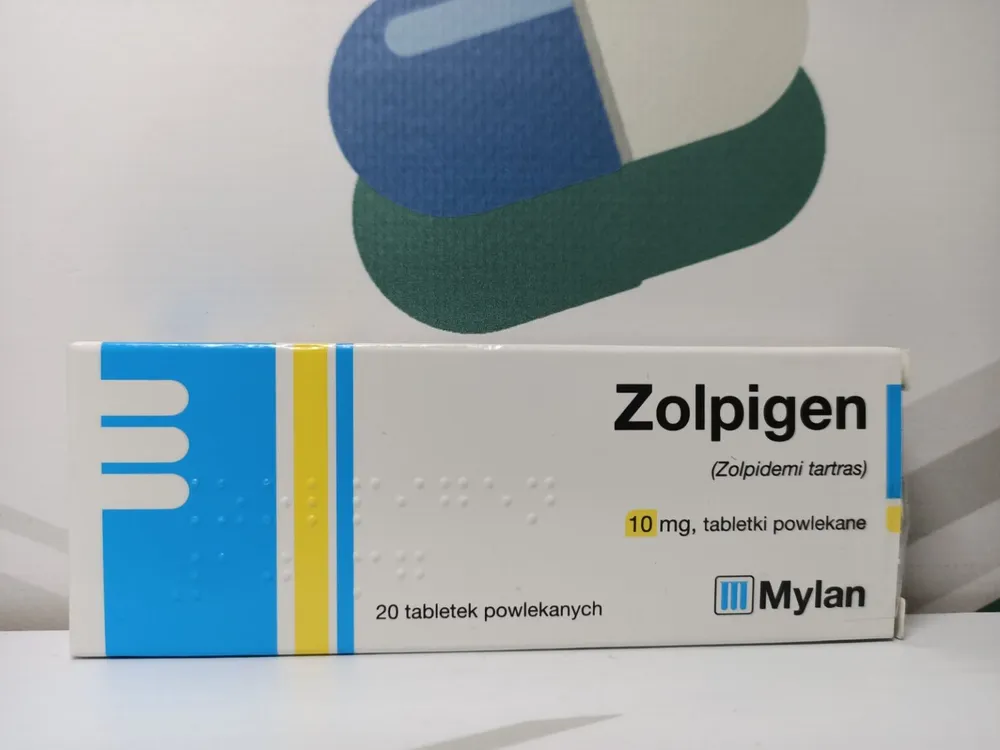
Table of Contents
Package leaflet: Information for the patient
Warning! Keep the leaflet; the information on the immediate packaging is in a foreign language!
ZolpiGen (Zolpidem tartrate Mylan)
10 mg, coated tablets
Zolpidemi tartras
ZolpiGen and Zolpidem tartrate Mylan are different brand names of the same medicinal product.
Please read this leaflet carefully before taking this medicine, because it contains
important information for the patient.
- Keep this leaflet so that you can read it again if necessary.
- If you have any doubts, please consult your doctor or pharmacist.
- This medicine has been prescribed for a specific individual. Do not pass it on to others. This medicine may harm another person, even if their symptoms are the same.
- If you experience any adverse reactions, including any adverse reactions not listed in this leaflet, tell your doctor or pharmacist. See section 4.
Table of contents of the leaflet
- What ZolpiGen is and what it is used for
- Important information before taking ZolpiGen
- How to take ZolpiGen
- Possible side effects
- How to store ZolpiGen
- Contents of the pack and other information
1. What ZolpiGen is and what it is used for
ZolpiGen contains zolpidem, an active substance belonging to the group of hypnotic medicines.
ZolpiGen tablets are sleeping tablets that induce sleepiness by acting on the brain.
This medicine may be used for the short-term treatment of insomnia in adults when the insomnia is severe,
interferes significantly with normal daily function, or is causing marked distress. Insomnia means difficulty
falling asleep or maintaining normal sleep.
2. Important information before taking ZolpiGen
When not to use ZolpiGen:
- if the patient is allergic to zolpidem tartrate or any of the other ingredients of this medicine (listed in section 6). An allergic reaction may include rash, itching, difficulty breathing, or swelling of the face, lips, throat, or tongue,
- if the patient has severe liver function disorders,
- if the patient has sleep apnoea syndrome (characterized by brief interruptions in breathing during sleep),
- if the patient has severe muscle weakness (myasthenia),
- if the patient has acute and/or severe respiratory disorders,
- if the patient previously experienced sleep disturbances after taking zolpidem tartrate.
Warnings and precautions
Before starting treatment with ZolpiGen, discuss the following with your doctor:
- if the patient is elderly or debilitated. The patient must be cautious when getting up at night. ZolpiGen may cause muscle relaxation and sedation, increasing the risk of falls and consequently the risk of hip fracture,
- if the patient has liver or kidney function disorders,
- if the patient previously experienced breathing problems. During treatment with ZolpiGen, breathing may become weaker,
- if the patient previously had a psychiatric disorder, anxiety, or psychosis, as ZolpiGen may unmask or worsen symptoms of these conditions,
- if the patient currently has or previously had depression (feeling of sadness),
- if the patient currently has or has ever had a psychiatric disorder, or a history of alcohol or drug abuse. The risk of dependence on ZolpiGen (physical or psychological symptoms caused by a compulsive need to continue taking the medicine) is increased in such patients. This risk increases with higher doses and prolonged use.
Children and adolescents
ZolpiGen must not be used in children and adolescents under 18 years of age.
Other issues
-
General - before administering the medicine, the doctor will assess the patient's sleep problems to ensure they are not caused by an underlying illness. If the medicine does not help the patient after 7–14 days, consult the doctor, as another condition may be responsible and needs to be diagnosed.
-
Tolerance (habituation) - if after several weeks the patient notices that the medicine is no longer as effective as at the beginning of treatment, the patient should consult the doctor. A dose adjustment may be necessary.
-
Dependence - there is a risk of dependence when using this type of medicine, which increases with dose and duration of treatment. The risk is higher in patients with psychiatric disorders and in those who currently or previously abused alcohol or drugs.
-
Discontinuation - the medicine should be discontinued gradually. After stopping the medicine, a transient withdrawal syndrome may occur, characterized by a return of the symptoms that required treatment with ZolpiGen, but in an intensified form. This may be accompanied by other reactions such as mood changes, anxiety, and motor restlessness.
-
Amnesia - ZolpiGen may cause memory loss. To reduce the risk of this occurring, the patient should ensure they will have the opportunity for uninterrupted sleep lasting 8 hours.
-
Psychiatric and "paradoxical" reactions - ZolpiGen may cause undesirable behavioral changes such as motor restlessness, agitation, irritability, aggression, delusions (false beliefs), rage attacks, nightmares, hallucinations (when the patient sees, hears, or feels things that are not real), psychosis (when the patient loses touch with reality, is unable to think or judge clearly), inappropriate behavior, and worsening of insomnia.
-
Sleepwalking and similar behaviors - ZolpiGen may cause patients to perform various activities during sleep, which they do not remember upon waking. These activities may include: sleepwalking, driving while asleep, preparing and eating meals, making phone calls, or engaging in sexual activity. These sleep disorders may occur after taking ZolpiGen. If any of these behaviors occur, treatment with ZolpiGen must be stopped immediately and the patient should contact their doctor, as such behaviors during sleep may pose a serious risk of injury to the patient or others. Alcohol, certain antidepressants or anxiolytics, or taking ZolpiGen at doses higher than the maximum recommended dose may increase the risk of these symptoms.
-
Suicide - an increased number of suicides and suicide attempts have been reported in patients with or without depression treated with zolpidem. However, a causal relationship between these events and zolpidem use has not been established.
-
Cardiac rhythm disorders (prolonged QT interval syndrome) - if the patient has a heart condition called QT prolongation, detectable by ECG, the doctor will consider whether this medicine is appropriate.
-
Next-day psychomotor disturbances (see also "Driving and operating machinery") - the risk of psychomotor impairment the day after taking ZolpiGen, including impaired ability to drive, may be increased if:
- the patient took the medicine less than 8 hours before activities requiring increased mental alertness,
- the patient took a dose higher than the recommended dose,
- the patient took zolpidem while being treated with other central nervous system depressants or other medicines that increase zolpidem blood levels, while consuming alcohol, or while using illicit substances.
A single dose should be taken immediately before bedtime. Do not take another dose during the same night.
ZolpiGen and other medicines
Tell your doctor or pharmacist about all medicines currently or recently taken, as well as any medicines the patient plans to take, including over-the-counter medicines. ZolpiGen may affect the efficacy and/or adverse effects of other medicines. If surgery under general anesthesia is planned, inform the doctor about all medicines being taken.
When zolpidem is taken together with certain medicines, drowsiness and next-day psychomotor disturbances, including impaired driving ability, may be intensified. These medicines include:
- medicines used to treat certain psychiatric disorders (antipsychotics),
- medicines used to treat sleep problems (hypnotics),
- sedatives or anxiolytics,
- medicines used to treat depression,
- medicines used to treat moderate to severe pain (opioid analgesics),
- medicines used to treat epilepsy,
- medicines used in anesthesia,
- medicines used to treat hay fever, rashes, or other allergies, which may cause drowsiness (sedating antihistamines).
When zolpidem is taken with antidepressants such as bupropion, desipramine, fluoxetine, sertraline, or venlafaxine, the patient may experience hallucinations (visual hallucinations).
Concomitant use of zolpidem with fluvoxamine, ciprofloxacin, or St. John's wort (an herbal medicine used for mood disorders and depression) is not recommended.
Risk associated with concomitant use of opioids
Concomitant use of ZolpiGen and opioids (strong painkillers, drugs used in substitution therapy, and some cough medicines) increases the risk of drowsiness, breathing difficulties (respiratory depression), coma, and may be fatal. Therefore, concomitant use of these medicines should only be considered if other treatment options are not possible.
However, if the doctor prescribes ZolpiGen together with opioids, the dose and duration of concomitant use should be limited by the doctor.
Inform the doctor about all opioid medicines the patient is taking and strictly follow dosing instructions. It may be helpful to inform friends and family about the above-mentioned signs and symptoms. If these symptoms occur, contact the doctor immediately.
The following medicines may increase the risk of adverse effects when used together with ZolpiGen. To reduce this risk, the doctor may decide to reduce the dose of ZolpiGen:
- certain antifungal medicines, e.g. ketoconazole.
The following medicines may reduce the effect of ZolpiGen:
- rifampicin, an antibiotic used to treat infections.
ZolpiGen and alcohol
Do not consume alcohol while taking ZolpiGen, as it may intensify the sedative effect of the medicine.
Pregnancy and breastfeeding
Do not use ZolpiGen during pregnancy, especially during the first three months of pregnancy. If the patient receives ZolpiGen for urgent medical reasons towards the end of pregnancy or during delivery, the newborn may experience low body temperature, muscle weakness, feeding difficulties, breathing problems, and withdrawal symptoms due to physical dependence.
Some studies have shown an increased risk of cleft lip and palate (so-called "hare lip") in newborns.
Use of zolpidem during the second and/or third trimester of pregnancy may reduce fetal movements and alter fetal heart rhythm.
Do not breastfeed, as small amounts of zolpidem may pass into human milk.
If the patient is pregnant or breastfeeding, suspects she may be pregnant, or plans to become pregnant, she should consult a doctor before using this medicine.
Driving and operating machinery
ZolpiGen has a major influence on the ability to drive and operate machinery and may cause events such as falling asleep at the wheel. The day after taking ZolpiGen (as with other hypnotics), the patient may experience:
- drowsiness, sleepiness, dizziness, or disorientation,
- slower reaction time (impaired reflexes),
- blurred or double vision,
- reduced alertness.
To minimize the risk of these events, it is recommended to maintain at least an 8-hour interval between taking zolpidem and driving, operating machinery, or working at heights.
Do not consume alcohol or psychoactive substances while taking ZolpiGen, as this may worsen the effects mentioned above.
ZolpiGen contains lactose monohydrate
If your doctor has ever mentioned intolerance to certain sugars such as lactose, consult your doctor before starting treatment with this medicine.
3. How to use ZolpiGen
This medicine should always be taken exactly as your doctor has told you. If you are unsure, consult your doctor or pharmacist.
The medicine acts rapidly; therefore, swallow the tablet whole with liquid, just before going to bed or after lying down. After taking this medicine, ensure at least 8 hours of uninterrupted sleep.
The tablet may be divided into equal doses.
Adults: The recommended dose of ZolpiGen is 10 mg once daily. Your doctor may prescribe a lower dose for some patients. ZolpiGen should be taken:
- as a single dose
- immediately before sleep
The patient must maintain a period of at least 8 hours between taking the medicine and performing any activities requiring increased concentration.
Do not exceed a dose of 10 mg within 24 hours.
Elderly patients (over 65 years of age) or debilitated patients: The recommended dose is 5 mg.
Patients with impaired liver function: The recommended initial dose is 5 mg. Your doctor may increase the dose to 10 mg if considered safe.
The maximum dose of 10 mg must not be exceeded in any patient.
Use in children and adolescents:
ZolpiGen must not be used in patients under 18 years of age.
If the patient notices that the medicine is no longer as effective as it was at the beginning of treatment, they should consult their doctor, as a dose adjustment may be necessary.
Duration of treatment
The treatment period should be as short as possible, usually lasting from a few days to 2 weeks. The maximum duration of treatment, including the tapering-off period, is 4 weeks.
Your doctor will determine the tapering schedule based on the individual needs of the patient.
In certain situations, treatment may need to continue for longer than 4 weeks.
The risk of dependence increases with the duration of treatment (see section 2, "Other problems").
Taking more than the recommended dose of ZolpiGen
If a patient (or anyone else) swallows a large number of tablets at once, or if there is suspicion that a child has swallowed any tablets, seek medical help immediately by contacting a doctor or going to the nearest hospital emergency department. Bring the medicine packaging and any remaining tablets with you. Do not travel alone for medical help. In cases of overdose, drowsiness may develop very rapidly, and large doses may lead to coma or even death.
Missed dose of ZolpiGen
If the patient forgets to take the dose before going to bed but remembers during the night, the missed dose may be taken only if it is possible to ensure 8 hours of uninterrupted sleep after taking the tablet. If this is not possible, the next dose should be taken at bedtime the following evening. Do not take this medicine at any other time of day, as it may cause drowsiness, dizziness, or confusion. Do not take a double dose to make up for a missed dose. If in doubt, consult your pharmacist or doctor.
Stopping ZolpiGen
ZolpiGen should be taken until your doctor advises you to stop. Do not stop treatment abruptly. The patient should inform their doctor of their intention to discontinue. The treatment should be tapered off gradually; otherwise, the sleep disturbances for which the medicine was prescribed may return with greater intensity (rebound insomnia). Other symptoms such as anxiety, restlessness, and mood changes may also occur. These symptoms usually resolve after some time.
If physical dependence on ZolpiGen has developed, abrupt discontinuation may lead to adverse effects such as headache, muscle pain, anxiety, tension, restlessness, confusion, irritability, and insomnia. In severe cases, additional symptoms may occur, including hypersensitivity to light, noise, and touch, abnormal auditory perception, painful sensitivity to sounds, hallucinations, tingling and numbness in the limbs, feelings of unreality (the sensation that the surrounding world is not real), depersonalization (the feeling that the mind separates from the body), or seizures (convulsions or tremors). These symptoms may also be experienced between doses, especially when high doses are used.
If you have any further questions about the use of this medicine, consult your doctor or pharmacist.
4. Possible adverse effects
Like all medicines, this medicine can cause adverse effects, although not everyone will experience them.
The medicine should be discontinued and the patient should contact a doctor or go to the nearest
hospital emergency department if:
- the patient experiences an allergic reaction. Symptoms may include skin rash, itching, swelling of the face, lips, throat or tongue, difficulty breathing or swallowing
If any of the following symptoms occur, the doctor should be informed as soon as possible:
Common (may occur in up to 1 in 10 people):
- memory problems (amnesia) or unusual behaviour while taking ZolpiGen (see section 2 "Other problems"). The risk of these symptoms may be higher within a few hours after taking the medicine. If the patient ensures 8 hours of sleep after taking the tablet, the risk of memory problems is reduced.
- sleep problems, which may worsen after taking this medicine
- seeing or hearing things that are not real (hallucinations)
- excessive drowsiness or tiredness, problems with concentration or daily activities
Uncommon (may occur in up to 1 in 100 people):
- double vision
Rare (may occur in up to 1 in 1,000 people):
- liver damage, which may include symptoms such as severe abdominal pain, nausea, vomiting, loss of appetite, and yellowing of the skin and eyes
- falls (especially in elderly patients)
Very rare (may occur in up to 1 in 10,000 people):
- psychological dependence: the patient feels they will not be able to sleep without taking ZolpiGen
- breathing difficulties
Frequency not known (frequency cannot be estimated from the available data):
- physical dependence: use (even at therapeutic doses) may lead to physical dependence; abrupt discontinuation of treatment may cause withdrawal symptoms and recurrence of problems
- loss of contact with reality (psychoses)
These adverse effects are severe. If any of them occur, the patient may require medical help.
If any of the following adverse effects occur or worsen, the patient should inform their doctor or pharmacist:
Common (may occur in less than 1 in 10 people):
- restlessness, nightmares
- headache, dizziness
- depression (feeling of sadness)
- diarrhoea, nausea or vomiting, abdominal pain
- back pain
- fatigue
- nose and throat infections
Uncommon (may affect up to 1 in 100 people):
- irritability, confusion, anxiety, aggression
- muscle weakness
- tremor
- sleepwalking and sleep disorders (see section 2 "Warnings and precautions")
- unnatural sense of well-being and self-confidence (euphoric mood)
- speech disorders
- rash, itching
- excessive sweating
- increased liver enzyme activity (detected during blood tests)
Rare (may occur in less than 1 in 1,000 people):
- paradoxical reactions (motor restlessness, stimulation, irritability, aggression, delusions - false beliefs, rage attacks, nightmares, hallucinations, psychoses, inappropriate behaviour and other undesirable changes in behaviour). Elderly patients are more susceptible to such symptoms
- decreased libido
- urticaria
Very rare (may occur in less than 1 in 10,000 people):
- false beliefs (delusions)
Frequency not known (frequency cannot be estimated from the available data):
- blurred vision
- loss of appetite
- anger
- behavioural disturbances
Reporting of adverse effects
If any adverse effects occur, including any adverse effects not listed in this leaflet, the patient should inform their doctor or pharmacist. Adverse effects can be reported directly to the Department of Monitoring Adverse Drug Reactions of the Office for Registration of Medicinal Products, Medical Devices and Biocidal Products, Al. Jerozolimskie 181C, 02-222 Warsaw, Tel.: +48 22 49 21 301, Fax: +48 22 49 21 309, website: https://smz.ezdrowie.gov.pl
By reporting adverse effects, additional information on the safety of the medicine can be collected.
5. How to store the medicine ZolpiGen
Keep out of the sight and reach of children.
Do not use this medicine after the expiry date stated on the packaging. The expiry date refers to the last day of the stated month.
Store below 25°C in the original packaging.
Medicines must not be disposed of via wastewater or household waste. Ask your pharmacist how to dispose of medicines no longer in use. This will help protect the environment.
6. Contents of the pack and other information
What ZolpiGen contains
The active substance is zolpidem tartrate. Each tablet contains 10 mg of zolpidem tartrate.
Other ingredients are: monohydrate lactose (see section 2, "ZolpiGen contains monohydrate lactose"), microcrystalline cellulose, maize starch, magnesium stearate.
Tablet coating Opadry YS-1R-7003: titanium dioxide (E 171), hypromellose 3 cP, hypromellose 5 cP, polyethylene glycol 400, polysorbate 80.
What ZolpiGen looks like and contents of the pack
ZolpiGen is a white or almost white, capsule-shaped coated tablet, marked on one side with "ZM" and a central break line with "10", and on the other side with "G".
The tablet can be divided into equal doses.
The pack contains 20 coated tablets.
For further detailed information, please contact the responsible party or the parallel importer.
Marketing Authorisation Holder in the Netherlands, the country of export:
Mylan B.V.
Dieselweg 25
3752 LB Bunschoten
The Netherlands
Manufacturer
Mylan B.V.
Krijgsman 20
Amstelveen, 1186 DM
The Netherlands
Mc Dermott Laboratories t/a Gerard Laboratories
35/36 Baldoyle Industrial Estate
Grange Road
Dublin 13
Ireland
Mylan Hungary Kft
H-2900 Komarom
Mylan utca 1
Hungary
Parallel importer:
Medezin Sp. z o.o.
ul. Zbąszyńska 3
91-342 Łódź
Poland
Relabeled in:
CEFEA Sp. z o.o. Sp. komandytowa
ul. Działkowa 56
02-234 Warsaw
Poland
Laboratorium Galenowe Olsztyn Sp. z o.o.
ul. Spółdzielcza 25A
11-001 Dywity
Poland
Pharma Innovations Sp. z o.o.
ul. Jagiellońska 76
03-301 Warsaw
Poland
Synoptis Industrial Sp. z o.o.
ul. Szosa Bydgoska 58
87-100 Toruń
Poland
Medezin Sp. z o.o.
ul. Zbąszyńska 3
91-342 Łódź
Poland
Marketing Authorisation number in the Netherlands, country of export: RVG 28486
Parallel import licence number: 308/19