Ultiva
Poland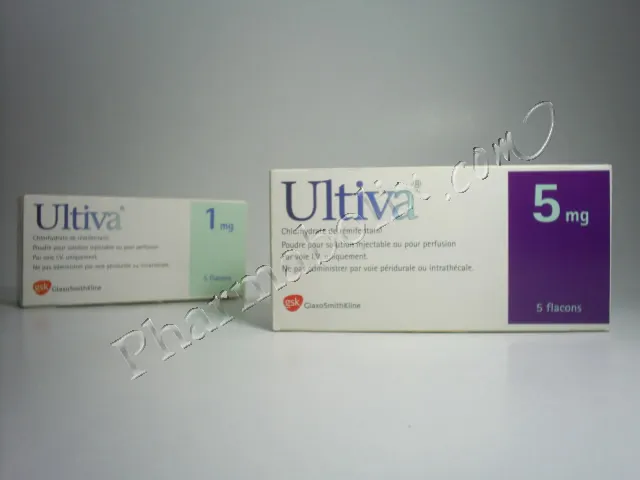
Table of Contents
- Package leaflet: Information for the patient
- 1. What Ultiva is and what it is used for
- 2. Important information before using Ultiva
- 3. How to use Ultiva
- 4. Possible adverse reactions
- 5. How to store Ultiva
- 6. Contents of the pack and other information
- Information intended exclusively for medical professionals:
Package leaflet: Information for the patient
Ultiva, 1 mg, powder for solution for injection and infusion
Ultiva, 2 mg, powder for solution for injection and infusion
Ultiva, 5 mg, powder for solution for injection and infusion
Remifentanil
Please read all of this leaflet carefully before this medicine is administered, because it contains
important information for the patient.
- Keep this leaflet for future reference.
- If you have any questions, please consult your doctor.
- If you experience any side effects, including any not listed in this leaflet, inform your doctor or pharmacist. See section 4.
Leaflet contents
- What Ultiva is and what it is used for
- Important information before receiving Ultiva
- How to use Ultiva
- Possible side effects
- How to store Ultiva
- Contents of the pack and other information
1. What Ultiva is and what it is used for
Ultiva contains an active substance called remifentanil. Remifentanil belongs to a group of medicines known as opioids, which are used to relieve pain. Ultiva differs from other medicines in this group by its very rapid onset of action and very short duration of effect.
Ultiva is used:
- to relieve pain before or during surgery
- to relieve pain in patients aged 18 years and older who are mechanically ventilated in intensive care units (ICU).
2. Important information before using Ultiva
When not to use Ultiva
- if the patient is allergic (hypersensitive) to remifentanil or any of the other ingredients of this medicine (listed in section 6) or to fentanyl derivatives (such as: alfentanil, fentanyl, sufentanil)
- for intrathecal injections
- as the sole agent for induction of anaesthesia.
If in doubt whether any of the above situations apply to the patient, consult a doctor, nurse, or pharmacist before administering Ultiva.
Warnings and precautions
Before starting treatment with Ultiva, discuss the following with a doctor:
- if the patient has impaired lung function (the patient may be more susceptible to respiratory disturbances)
- if the patient is allergic to other opioids (e.g. morphine, codeine, pethidine)
- if the patient is over 65 years of age, is debilitated, has reduced circulating blood volume, and/or low blood pressure (the patient may be more susceptible to cardiac disturbances)
If in doubt whether any of the above situations apply to the patient, consult a doctor or nurse before administering Ultiva.
Before starting treatment with remifentanil, discuss the following with a doctor:
- if the patient or any family member has ever misused alcohol, prescription medicines, or illicit substances, or has been dependent on them ("addiction").
- if the patient smokes cigarettes.
- if the patient has ever had mood problems (depression, anxiety, or personality disorders) or has been treated by a psychiatrist for other mental illnesses.
This medicine contains remifentanil, which is an opioid medicine. Repeated use of opioid painkillers may lead to reduced effectiveness of the medicine (tolerance). It may also lead to dependence and misuse of the medicine, which in turn may result in life-threatening overdose. If the patient is concerned about becoming addicted to Ultiva, it is important to consult a doctor.
If this medicine is stopped abruptly, especially after treatment lasting longer than 3 days, withdrawal reactions may sometimes occur, including rapid heartbeat, high blood pressure, and agitation (see also section 4. Possible side effects). If the patient experiences these symptoms, the doctor may recommend resuming treatment and gradually reducing the dose.
Ultiva with other medicines
Tell the doctor about all medicines the patient is currently taking or has recently taken, as well as any medicines the patient plans to take. This includes herbal medicines and over-the-counter medicines.
In particular, inform the doctor if the patient is taking any of the following medicines:
- medicines used for heart conditions or treatment of high blood pressure, such as beta-blockers or calcium channel blockers.
- medicines used to treat depression, such as selective serotonin reuptake inhibitors (SSRIs), serotonin-norepinephrine reuptake inhibitors (SNRIs), and monoamine oxidase inhibitors (MAOIs). Concomitant use of these medicines with Ultiva is not recommended, as they may increase the risk of serotonin syndrome, a potentially life-threatening condition.
Concomitant use of Ultiva and sedative medicines, such as benzodiazepines or benzodiazepine-like drugs, increases the risk of drowsiness, breathing difficulties (respiratory depression), coma, and may be life-threatening. Therefore, concomitant use of such medicines should only be considered when no other treatment options are available.
Concomitant use of opioids and medicines used to treat epilepsy, neuropathic pain, or anxiety (gabapentin and pregabalin) increases the risk of opioid overdose, respiratory depression, and may be life-threatening.
However, if the doctor prescribes Ultiva together with sedative medicines, the doctor should limit the dose and duration of such concomitant treatment.
Inform the doctor about all sedative medicines the patient is taking and strictly follow the doctor's instructions. It may be helpful to inform friends and family to watch for the symptoms described above. If such symptoms occur, contact the doctor.
Ultiva and alcohol
After receiving Ultiva, the patient should not consume alcohol until the effects of the medicine have completely worn off.
Pregnancy and breastfeeding
If the patient is pregnant or breastfeeding, suspects she may be pregnant, or is planning to have a baby, she should consult a doctor before using this medicine.
If the patient receives this medicine during childbirth, it may have an adverse effect on the baby's breathing. The patient and newborn will be monitored for signs of excessive drowsiness and breathing difficulties.
Driving and using machines
If the patient is hospitalized for only one day, the doctor will advise when the patient may leave the hospital or drive a car. Driving too soon after a surgical procedure may be dangerous.
Ultiva contains sodium
This medicine contains less than 1 mmol (23 mg) of sodium per vial, meaning the medicine is considered "sodium-free".
3. How to use Ultiva
The patient must never administer this medicine himself. The medicine will always be given to the patient by a qualified person.
Ultiva can be administered:
- as a single intravenous injection
- as a continuous intravenous infusion (the medicine is given slowly over a long period of time).
The method of administration and the dose the patient receives will depend on:
- the type of surgery or treatment the patient is undergoing in the intensive care unit
- the intensity of pain experienced.
The dose of the medicine may vary between individual patients. There is no need to adjust the dose in patients with impaired kidney or liver function.
After surgery
If the patient experiences pain after the procedure, he should inform the doctor or nurse. They will then be able to give the patient other pain-relieving medicines.
4. Possible adverse reactions
Like all medicines, this medicine can cause adverse reactions, although not everyone experiences them.
Allergic reactions, including anaphylactic reactions: These are rare adverse reactions (may occur in less than 1 in 1,000 patients) following administration of Ultiva. Symptoms include:
- Raised, itchy skin rash (urticaria)
- Swelling of the face, lips, mouth or tongue (angioedema), which may cause difficulty in breathing
- Collapse
Severe allergic reactions may lead to life-threatening anaphylactic shock;
Frequency unknown (frequency cannot be estimated from available data), including worsening of allergic symptoms, significant drop in blood pressure, rapid heartbeat and/or fainting.
If any of these symptoms occur, inform your doctor immediately.
Very common adverse reactions (may occur in more than 1 in 10 patients):
- Muscle rigidity
- Low blood pressure (hypotension)
- Nausea or vomiting
Common adverse reactions (may occur in less than 1 in 10 patients):
- Slow heartbeat (bradycardia)
- Shallow breathing (respiratory depression)
- Periodic breathing pauses (apnoea)
- Itching
- Cough
Uncommon adverse reactions (may occur in less than 1 in 100 patients):
- Lack of oxygen (hypoxia)
- Constipation
Rare adverse reactions (may occur in less than 1 in 1,000 patients):
- Slow heartbeat (bradycardia) followed by cardiac arrest (asystole and circulatory arrest) in patients receiving Ultiva together with one or more anaesthetic medicines
Frequency unknown (cannot be estimated from available data):
- Physical need for Ultiva (drug dependence) or the need to gradually increase doses over time to achieve the same effect (drug tolerance)
- Seizures
- Irregular heartbeat (atrioventricular block)
- Irregular heartbeat (arrhythmia)
- Withdrawal syndrome (the following adverse symptoms may occur: increased heart rate, high blood pressure, restlessness or agitation, nausea, vomiting, diarrhoea, anxiety, chills, tremor, and sweating)
Adverse reactions that may occur after surgery
Common adverse reactions (may occur in less than 1 in 10 patients):
- Chills
- High blood pressure (hypertension)
Uncommon adverse reactions (may occur in less than 1 in 100 patients):
- Pain
Rare adverse reactions (may occur in less than 1 in 1,000 patients):
- Feeling of calmness and drowsiness
Reporting of adverse reactions
If any adverse reactions occur, including any not listed in this leaflet, tell your doctor or pharmacist. Adverse reactions can be reported directly to the Department of Monitoring Adverse Drug Reactions at the Office for Registration of Medicinal Products, Medical Devices and Biocidal Products,
Al. Jerozolimskie 181C, 02-222 Warsaw
Tel.: +48 22 49 21 301
Fax: +48 22 49 21 309
Website: https://smz.ezdrowie.gov.pl
Adverse reactions can also be reported to the marketing authorization holder.
Reporting adverse reactions helps provide more information on the safety of this medicine.
5. How to store Ultiva
Keep the medicine out of the sight and reach of children.
Do not use this medicine after the expiry date stated on the packaging. The expiry date refers to the last day of the stated month.
Store at a temperature not exceeding 25°C.
The Ultiva solution should be used immediately after preparation.
For storage conditions of reconstituted and further diluted Ultiva, see “Information intended exclusively for healthcare professionals”.
Medicines must not be disposed of via wastewater or household waste. Ask your pharmacist how to dispose of medicines no longer required. These measures help protect the environment.
6. Contents of the pack and other information
What Ultiva contains
- The active substance in Ultiva is remifentanil (as remifentanil hydrochloride).
Ultiva, 1 mg: one vial contains 1 mg of remifentanil (Remifentanilum) as remifentanil hydrochloride. When reconstituted according to instructions, one ml of solution contains 1 mg of remifentanil (1 mg in 1 ml).
Ultiva, 2 mg: one vial contains 2 mg of remifentanil (Remifentanilum) as remifentanil hydrochloride. When reconstituted according to instructions, one ml of solution contains 1 mg of remifentanil (2 mg in 2 ml).
Ultiva, 5 mg: one vial contains 5 mg of remifentanil (Remifentanilum) as remifentanil hydrochloride. When reconstituted according to instructions, one ml of solution contains 1 mg of remifentanil (5 mg in 5 ml).
- Other ingredients are glycine, hydrochloric acid diluted (to adjust pH), and sodium hydroxide (to adjust pH).
What Ultiva looks like and contents of the pack
Ultiva is a lyophilized, white to off-white, sterile, apyrogenic powder free of preservatives, for the preparation of a solution for injection and infusion. It is supplied in vials made of colourless glass with a capacity of 3 ml, 5 ml or 10 ml, closed with a bromobutyl stopper and an aluminium cap with a plastic flip-off seal, packed in a cardboard box.
Pack sizes:
Ultiva, 1 mg: 5 vials of 3 ml capacity.
Ultiva, 2 mg: 5 vials of 5 ml capacity.
Ultiva, 5 mg: 5 vials of 10 ml capacity.
Before injection, the powder will be mixed with an appropriate volume of diluent (for further information see "Information for healthcare professionals"). The solution obtained after dissolving the powder is clear and colourless.
Marketing Authorisation Holder
Aspen Pharma Trading Limited
3016 Lake Drive
Citywest Business Campus
Dublin 24, Ireland
Tel: 00 48 22 104 21 00
Manufacturer
Avara Liscate Pharmaceutical Services S.p.A.
Via Fosse Ardeatine, 2
20050 Liscate (MI), Italy
((Aspen logo))
Information intended exclusively for medical professionals:
For more detailed information, please refer to the
Summary of Product Characteristics.
Ultiva, 1 mg, powder for solution for injection and infusion
Ultiva, 2 mg, powder for solution for injection and infusion
Ultiva, 5 mg, powder for solution for solution for injection and infusion
Remifentanilum
Dosage and administration
Ultiva must only be used in units equipped with equipment enabling monitoring and support of respiratory and circulatory functions, and must be administered only by personnel trained in the use of anaesthetic medicinal products, in the recognition and management of expected adverse reactions of potent opioids (including respiratory and circulatory resuscitation), in securing and maintaining airway patency, and in assisted ventilation.
Continuous infusion of Ultiva must be administered solely via a calibrated infusion pump through a dedicated intravenous administration set with rapid flow or through a catheter specifically designated for this medicinal product only. This catheter must be connected directly to or near the intravenous cannula, and must be checked before use to minimize potential dead space (see section "Special precautions for disposal and preparation of the medicinal product for administration" and section 6.6 of the Summary of Product Characteristics, which contains tables with example infusion rates according to patient body weight to facilitate gradual dose adjustment of Ultiva according to individual patient needs).
Care must be taken to avoid catheter blockage or disconnection. After completion of the infusion, the catheter must be adequately flushed to remove residual Ultiva (see section "Special warnings and precautions for use").
Ultiva is intended for intravenous use only. The product must not be administered by extra- or intrathecal routes (see section "Contraindications").
Preparation of the solution
The reconstituted Ultiva product may be further diluted [see section "Shelf life and storage conditions" and "Special precautions for disposal and preparation of the medicinal product for administration" for information on storage conditions of the reconstituted and/or diluted solution and recommended diluents].
For manually controlled infusion, Ultiva may be diluted to concentrations ranging from 20 to 250 micrograms/mL (recommended dilution for adults is 50 micrograms/mL; for children aged ≥1 year, 20 to 25 micrograms/mL).
General anaesthesia
Remifentanil dosage should be individually adjusted according to patient response.
Adults
The following table provides initial infusion rates and recommended dosage ranges for adults:
Table 1: Dosing recommendations in adults
| Indication | Single injection (micrograms/kg body weight) | Continuous infusion (micrograms/kg body weight/min) | |
| Initial infusion rate | Range | ||
| Induction of anesthesia in ventilated patients | 1 (administered over no less than 30 seconds) | 0.5 to 1 | |
| Maintenance of anesthesia in ventilated patients | |||
| 0.5 to 1 | 0.4 | 0.1 to 2 |
| 0.5 to 1 | 0.25 | 0.05 to 2 |
| 0.5 to 1 | 0.25 | 0.05 to 2 |
A single bolus injection of remifentanil during induction of anaesthesia should not last less than 30 seconds.
At the recommended doses above, remifentanil significantly reduces the dose of anaesthetic agent required to maintain anaesthesia. Therefore, isoflurane and propofol should be administered according to the recommendations above to avoid intensification of the hemodynamic effects of remifentanil (arterial hypotension and bradycardia) (see “Concomitant therapy” and Table 1).
Due to lack of data, no dosage recommendations can be given for anaesthetic medicinal products other than those mentioned above when used concomitantly with remifentanil.
Induction of anaesthesia
During induction of anaesthesia, Ultiva should be administered together with an anaesthetic agent such as propofol, thiopental or isoflurane.
Ultiva may be administered by infusion at a rate of 0.5 to 1 microgram/kg/min together with an initial bolus injection of 1 microgram/kg administered over not less than 30 seconds, or without such a bolus. If endotracheal intubation is performed more than 8 to 10 minutes after starting the Ultiva infusion, an initial bolus injection is not necessary.
Maintenance of anaesthesia in mechanically ventilated patients
After endotracheal intubation, the infusion rate of Ultiva should be reduced depending on the anaesthetic method, according to the recommendations given in the table above. Due to the rapid onset and short duration of action of remifentanil, the administration rate of the medicinal product during anaesthesia may be gradually increased by 25 to 100% or decreased by 25–50% every 2 to 5 minutes until the desired µ-opioid receptor response is achieved. In case of inadequate depth of anaesthesia, the medicinal product may additionally be administered as bolus injections every 2 to 5 minutes.
Anaesthesia with spontaneous ventilation and ensured airway patency (e.g. anaesthesia using a laryngeal mask)
During anaesthesia with spontaneous ventilation in patients with ensured airway patency, respiratory depression may occur. Particular attention should be paid to adjusting the dose according to the patient's needs and to the possible need for respiratory support.
The recommended initial infusion rate for supplemental anaesthesia in patients with spontaneous ventilation is 0.04 microgram/kg/min; this may be adjusted according to the desired effect. Infusion rates between 0.025 and 0.1 microgram/kg/min have been evaluated in clinical studies.
Ultiva should not be administered as bolus injections to patients undergoing anaesthesia who are breathing spontaneously.
Ultiva should not be used for anaesthesia during procedures where the patient remains conscious or in patients whose respiratory function is not supported during the procedure.
Concomitant therapy
Ultiva reduces the amount or dosage of inhaled anaesthetic agents, hypnotic agents and benzodiazepines required for anaesthesia (see section “Interactions with other medicinal products and other forms of interactions”).
Doses of the following anaesthetic medicinal products – isoflurane, thiopental, propofol and temazepam – have been reduced by up to 75% when used concomitantly with remifentanil.
Guidelines for discontinuation or continuation of treatment in the immediate postoperative period
Due to the very rapid offset of action of remifentanil, residual opioid activity disappears within 5 to 10 minutes after discontinuation of administration. In patients undergoing surgical procedures associated with expected postoperative pain, analgesic medicinal products should be administered before stopping Ultiva. The time required to achieve maximal therapeutic effect of a long-acting analgesic agent should be taken into account. The choice of analgesic should be adapted to the type of surgical procedure and the extent of postoperative care.
When long-acting analgesic treatment has not been initiated before the end of surgery, continuation of Ultiva infusion in the immediate postoperative period may be necessary to maintain analgesia until the long-acting analgesic agent achieves its maximal therapeutic effect.
For guidelines on remifentanil use in patients ventilated in intensive care units, see section “Use in intensive care units”.
In spontaneously breathing patients, the infusion rate of Ultiva should initially be reduced to 0.1 microgram/kg/min. The infusion rate may then be increased or decreased every 5 minutes by no more than 0.025 microgram/kg/min to achieve optimal analgesic effect and respiratory rate in the patient. Ultiva should only be used in units equipped with equipment enabling monitoring and support of respiratory and circulatory functions, and must be administered under strict supervision of personnel trained in recognition and management of adverse reactions related to the effects of potent opioids on respiratory function.
Ultiva should not be administered as bolus injections for postoperative pain treatment in patients with spontaneous respiration.
Children and adolescents (aged 1 to 12 years)
Induction of anaesthesia
Due to lack of detailed studies on the concomitant administration of remifentanil with intravenous anaesthetic medicinal products used for induction of anaesthesia, such combination should not be used.
Maintenance of anaesthesia
The following Ultiva doses are recommended for maintenance of anaesthesia:
Table 2: Dosing guidelines for maintenance of anaesthesia in children and adolescents (aged 1 to 12 years)
| Concomitantly administered anaesthetic medicinal products* | Single remifentanil injection (micrograms/kg body weight) | Continuous remifentanil infusion (micrograms/kg body weight/min) | |
| Initial dose | Typical maintenance doses | ||
| Halothane (initial dose 0.3 MAC) | 1 | 0.25 | 0.05 to 1.3 |
| Sevoflurane (initial dose 0.3 MAC) | 1 | 0.25 | 0.05 to 0.9 |
| Isoflurane (initial dose 0.5 MAC) | 1 | 0.25 | 0.06 to 0.9 |
* in a mixture of oxygen with nitrous oxide and (or) oxygen in a 1:2 ratio
Administration of Ultiva by single bolus injection should not last less than 30 seconds.
Surgery may begin no earlier than 5 minutes after starting remifentanil infusion,
if Ultiva has not been administered as a single bolus dose. When using nitrous oxide (70%) alone in combination with Ultiva, the typical infusion rate during maintenance of general anesthesia should range from 0.4 to 3 micrograms/kg body weight/min. Although detailed studies have not been conducted, data obtained in adult patients indicate that 0.4 micrograms/kg body weight/min is an appropriate initial infusion rate. The child's condition should be monitored and the dose adjusted according to the depth of anesthesia appropriate for the surgical procedure being performed.
Concomitant therapy
At the recommended doses described above, remifentanil significantly reduces the dose of anesthetic medicinal products required to maintain general anesthesia. Therefore, isoflurane, halothane, and sevoflurane should be administered according to the recommendations given above to avoid intensification of hemodynamic effects such as arterial hypotension and bradycardia.
Due to lack of data, no dosage recommendations can be provided for general anesthesia using remifentanil in combination with anesthetic medicinal products other than those mentioned above (see section "General Anesthesia – Adults – Concomitant Therapy").
Guidelines for management in the immediate postoperative period
Establishing alternative analgesia prior to discontinuation of Ultiva
Due to the very rapid offset of action of Ultiva, residual opioid activity disappears within 5–10 minutes after stopping administration. In patients undergoing surgical procedures expected to result in postoperative pain, analgesic medicinal products should be administered before discontinuing Ultiva. The time required to achieve a therapeutic effect with long-acting analgesic medicinal products should be taken into account. The choice of analgesic agent, its dose, and timing of administration should be planned in advance and individually tailored to the type of surgical procedure and expected postoperative care (see section "Special warnings and precautions for use").
Neonates and infants (under 1 year of age)
Clinical experience with remifentanil in neonates and infants under 1 year of age is limited (see section 5.1 Pharmaceutical Characteristics). The pharmacokinetic profile of remifentanil in neonates and infants (under 1 year of age) is comparable to that observed in adults (after adjusting for differences in body weight) (see section 5.2 Pharmaceutical Characteristics). However, due to insufficient clinical data, Ultiva should not be used in this age group.
Use during total intravenous anesthesia (TIVA)
Clinical experience with remifentanil in total intravenous anesthesia (TIVA) in infants is limited (see section 5.1 Pharmaceutical Characteristics). Clinical data are insufficient to establish dosage recommendations in this age group.
Cardiac anesthesia
Table 3: Dosage recommendations for cardiac anesthesia
| Indication | Single remifentanil injection (mcg/kg body weight) | Continuous remifentanil infusion (mcg/kg body weight/min) | |
| Initial rate | Standard infusion rate | ||
| Intubation | Not recommended | 1 | |
| Maintenance of anesthesia in ventilated patients | |||
| 0.5 to 1 | 1 | 0.003 to 4 |
| 0.5 to 1 | 1 | 0.01 to 4.3 |
| Continuation of anesthesia in the postoperative period, before extubation | Not recommended | 1 | 0 to 1 |
Induction of anesthesia
After administration of an anesthetic medicinal product to achieve loss of consciousness in the patient, remifentanil infusion should be started at an initial rate of 1 microgram/kg/min. Remifentanil should not be administered as a single bolus injection during induction of anesthesia in patients undergoing cardiac surgery. Endotracheal intubation should not be performed before 5 minutes have elapsed from the start of infusion.
Maintenance of anesthesia
After endotracheal intubation, the remifentanil infusion rate should be adjusted according to the individual patient's needs. Additional bolus doses may be administered if necessary. In patients at high risk of cardiac complications (e.g. those with impaired ventricular function or undergoing valve surgery), the maximum single bolus dose should not exceed 0.5 microgram/kg. These recommendations also apply to patients undergoing surgery under hypothermia with cardiopulmonary bypass (see section 5.2 of the Product Characteristics).
Concomitant therapy (co-administered drugs)
At the recommended doses above, remifentanil significantly reduces the dose of anesthetic medicinal product required to maintain anesthesia. Therefore, isoflurane and propofol should be administered according to the above recommendations to avoid intensification of hemodynamic effects such as hypotension and bradycardia. There are no available data regarding dosage recommendations for remifentanil in combination with other anesthetic medicinal products not mentioned above (see "General Anesthesia – Adults – Concomitant Therapy").
Guidelines for patient management in the postoperative period
Continuation of anesthesia in the postoperative period before extubation
During patient transfer to the postoperative ward, remifentanil infusion should be continued at the rate used during the final phase of surgery. Upon arrival at the postoperative unit, the level of analgesia and sedation should be closely monitored, and the infusion rate of Ultiva adjusted according to the individual patient's needs (for further information on management of patients in intensive care units, see section "Use in intensive care units").
Establishment of alternative analgesia prior to discontinuation of Ultiva
Due to the very rapid offset of action of Ultiva, residual opioid activity disappears within 5–10 minutes after stopping the infusion. Before discontinuing Ultiva, patients should be administered other analgesic and sedative medicinal products. These should be administered with adequate lead time to ensure establishment of their therapeutic effect. Therefore, selection of the medicinal product, dose, and timing of administration should be planned prior to weaning the patient from mechanical ventilation.
Recommendations for discontinuation of Ultiva infusion
Due to the very rapid offset of action of Ultiva, hypertension, shivering, and pain have been reported in patients undergoing cardiac surgery immediately after discontinuation of Ultiva infusion (see section 4 of the Patient Leaflet). To minimize the risk of these adverse effects, an appropriate alternative analgesic medicinal product should be administered before stopping remifentanil (as described above). The remifentanil infusion rate should be reduced by 25% at intervals of at least 10 minutes until infusion is completely discontinued.
The infusion rate should not be increased during weaning from mechanical ventilation. Only gradual reduction of the infusion rate is permitted, and if necessary, administration of other analgesic medicinal products. Hemodynamic changes such as hypertension and tachycardia should be treated with other appropriate medicinal products.
If opioid medicinal products are administered as part of the transition to alternative analgesic therapy, the patient's condition must be closely monitored.
The benefits of providing adequate postoperative pain relief must always be weighed against the potential risk of respiratory depression.
Use in intensive care units
Ultiva may be used to provide analgesia in mechanically ventilated patients in intensive care units. If necessary, sedative medicinal products may be additionally administered.
Remifentanil has been evaluated in controlled clinical trials lasting up to 3 days in mechanically ventilated patients in intensive care units (see section "Dosage in patients with renal impairment" and section 5.2 of the Product Characteristics). Therefore, Ultiva should not be used for longer than 3 days.
In adult patients, Ultiva infusion should be initiated at a rate of 0.1 microgram/kg/min (6 micrograms/kg/h) to 0.15 microgram/kg/min (9 micrograms/kg/h). The infusion rate should be increased incrementally by 0.025 microgram/kg/min (1.5 micrograms/kg/h) until the desired level of sedation and analgesia is achieved. Dose adjustments should not be made more frequently than every 5 minutes. The level of sedation and analgesia should be carefully monitored and regularly assessed to allow appropriate adjustment of the Ultiva infusion rate. If an infusion rate of 0.2 microgram/kg/min (12 micrograms/kg/h) is reached and the level of sedation is unsatisfactory, administration of an appropriate sedative medicinal product should be initiated. The dose of the sedative medicinal product should be titrated to achieve the desired level of sedation. The Ultiva infusion rate may be further increased by 0.025 microgram/kg/min (1.5 micrograms/kg/h) if additional analgesia is required.
The table below summarizes recommendations for initial infusion rates and typical dose ranges for providing analgesia and sedation in individual patients.
Table 4. Recommendations for use of Ultiva in intensive care units
Continuous infusion
micrograms/kg/min (micrograms/kg/h)
Initial rate Range
0.1 (6) to 0.15 (9) 0.006 (0.38) to 0.74 (44.6)
Ultiva should not be administered as bolus injections in intensive care units.
Use of Ultiva reduces the requirement for concurrently administered sedative medicinal products. Standard initial doses of sedative medicinal products (if required) are shown in the table below.
Table 5. Recommended initial doses of sedative medicinal products (if needed)
| Medicinal sedative product | Single injection (bolus) (mg/kg body weight) | Infusion rate (mg/kg body weight/h) |
| Propofol | up to 0.5 | 0.5 |
| Midazolam | up to 0.03 | 0.03 |
To allow for individual adjustment of the doses of medicinal products,
sedative medicinal products should not be added to the remifentanil-containing solution.
Additional analgesia in mechanically ventilated patients undergoing procedures
associated with painful stimulation
An increase in the infusion rate of Ultiva may be required to provide additional analgesia
to ventilated patients during procedures involving painful stimulation, such as endotracheal
suctioning, dressing changes, and physiotherapy. The infusion rate should be maintained at
a minimum of 0.1 microgram/kg body weight/min (6 micrograms/kg body weight/h) for at least
5 minutes before initiating the painful stimulation procedure. If additional analgesia is anticipated
or required, the dose may be further adjusted in 2- to 5-minute intervals by 25–50%. To achieve
additional analgesia during painful stimulation, the average remifentanil infusion rate is 0.25
microgram/kg body weight/min (15 micrograms/kg body weight/h), with a maximum of 0.75
microgram/kg body weight/min (45 micrograms/kg body weight/h).
Establishing alternative analgesia prior to discontinuation of Ultiva
Due to the very rapid offset of action of Ultiva, residual opioid activity disappears within 5–10
minutes after stopping the infusion, regardless of the duration of infusion. Consideration should
be given to the potential for tolerance, hyperalgesia, and associated hemodynamic changes
following Ultiva administration in intensive care (see section 4.2 “Special warnings and precautions
for use”). Therefore, other analgesic and sedative medicinal products should be administered
before discontinuation of Ultiva to prevent hyperalgesia and associated hemodynamic changes.
These products should be administered with sufficient lead time to allow for full therapeutic
effect. Optional analgesic treatment includes long-acting oral, intravenous, or regional
anesthesia medicinal products administered under nurse- or patient-controlled conditions.
Treatment should always be tailored to the individual patient’s needs as the Ultiva dose is
reduced. The choice of medicinal product, dose, and timing of administration should be planned
before discontinuation of Ultiva.
Prolonged use of μ-opioid receptor agonists may lead to the development of tolerance.
Guidelines for extubation and discontinuation of Ultiva
To ensure a smooth transition from Ultiva-based therapy, it is recommended to gradually reduce
the infusion rate to 0.1 microgram/kg body weight/min (6 micrograms/kg body weight/h) over
the hour preceding extubation.
After extubation, the infusion rate should be reduced by 25% at intervals of at least 10 minutes
until the infusion is discontinued. During weaning from mechanical ventilation, the infusion rate
should not be increased; only gradual reduction of the infusion rate is permitted, and if necessary,
alternative analgesic medicinal products may be administered.
After discontinuation of Ultiva infusion, the intravenous cannula should be flushed or discarded
to prevent subsequent unintended administration of the product.
If other opioid medicinal products are administered as part of the transition to alternative
analgesic therapy, the patient should be closely monitored. The benefits of adequate pain
management must always be weighed against the potential risk of respiratory depression
associated with these medicinal products.
Use in children and adolescents in intensive care settings
There are no available data on the use of Ultiva in children and adolescents in intensive care
settings.
Patients with renal impairment treated in intensive care
Dose adjustment of the recommended doses is not necessary in patients with renal impairment,
including those undergoing renal replacement therapy. However, clearance of the carboxylic
acid metabolite is reduced in patients with renal impairment (see section 5.2 Pharmacokinetic
Properties).
Special patient groups
Elderly patients (over 65 years)
General anaesthesia
Increased sensitivity to the pharmacological effects of remifentanil has been observed in patients
over 65 years of age. Therefore, the initial dose of remifentanil in this patient population should
be half the recommended adult dose. Dosing should then be adjusted according to individual
patient needs during both induction and maintenance of anaesthesia, as well as in the immediate
postoperative pain management phase.
Cardiac anaesthesia
No reduction in initial dose is necessary.
Intensive care
No reduction in initial dose is necessary.
Patients with obesity
In obese patients, remifentanil dosing should be reduced and adjusted to the patient’s ideal body
weight, as clearance and volume of distribution of remifentanil correlate better with ideal than
with actual body weight in this population.
Patients with renal impairment
Based on available studies, dose adjustment is not necessary in patients with renal impairment,
including those in intensive care settings.
Patients with hepatic impairment
Studies conducted in a limited number of patients with hepatic impairment do not justify specific
dosing recommendations. However, patients with severe hepatic impairment may be slightly more
sensitive to the respiratory depressant effects of remifentanil (see section “Special warnings and
precautions for use”). These patients should be carefully monitored, and remifentanil dosage
should be adjusted according to individual patient needs.
Neurosurgery
Limited clinical experience in patients undergoing neurosurgical procedures indicates no special
dosing recommendations for this patient group.
Dosing in patients classified as ASA risk group III/IV
General anaesthesia
Since the hemodynamic effects of potent opioids may be enhanced in patients classified as ASA
risk group III/IV, caution should be exercised when administering Ultiva to this patient group.
The initial dose should be reduced and subsequently adjusted according to the therapeutic
response.
There are insufficient data to determine dosing recommendations in the pediatric population.
Cardiac anaesthesia
No reduction in initial dose is necessary.
Contraindications
Hypersensitivity to the active substance or to other fentanyl derivatives, or to any of the excipients
listed in section 6.1.
Due to its glycine content, Ultiva is contraindicated for intrathecal and epidural administration
(see section 5.2 Pharmacokinetic Properties).
Ultiva is contraindicated for use as the sole medicinal product for induction of anaesthesia.
Special warnings and precautions for use
Ultiva may only be used in settings equipped with equipment for monitoring and supporting
respiratory and cardiovascular function, and must be administered only by personnel trained in
the use of anaesthetic medicinal products, in the recognition and management of adverse effects
of potent opioids, including airway management, assisted ventilation, and resuscitation. Ultiva
should not be used in mechanically ventilated patients in intensive care for longer than 3 days.
Patients with known hypersensitivity to opioids of another class may experience a hypersensitivity
reaction following remifentanil administration. Therefore, caution should be exercised before
administering Ultiva to such patients.
Rapid offset of action/Transition to alternative analgesia
Due to the very rapid offset of action of Ultiva, residual opioid activity disappears within 5–10
minutes after stopping the infusion. In surgical patients expected to experience postoperative
pain, analgesic medicinal products should be administered before discontinuation of Ultiva.
When used in intensive care settings, consider the potential for tolerance, hyperalgesia, and
associated hemodynamic changes (see section 4.2 “Special warnings and precautions for use”).
Before discontinuation of Ultiva, alternative analgesic and sedative medicinal products should be
administered. The time required for long-acting analgesic medicinal products to achieve therapeutic
effect should be taken into account. The choice of medicinal product, dose, and timing of
administration should be planned in advance and tailored to the type of surgery and expected
postoperative care. If other opioid medicinal products are administered as part of the transition
to alternative analgesic therapy, the benefits of adequate pain management must always be
balanced against the potential risk of respiratory depression.
Risk associated with concomitant use of sedative medicinal products, such as benzodiazepine
derivatives or benzodiazepine-like medicinal products
Concomitant use of Ultiva and sedative medicinal products, such as benzodiazepine derivatives
or benzodiazepine-like medicinal products, may cause excessive sedation, respiratory depression,
coma, and death. Due to these risks, concomitant treatment with such sedative medicinal products
and Ultiva should be limited to patients for whom no alternative treatment is available. If a decision
is made to use Ultiva concomitantly with sedative medicinal products, the lowest effective dose
should be used, and the duration of treatment should be as short as possible.
Patients should be closely monitored for subjective and objective signs of respiratory depression
and excessive sedation. It is therefore important to inform patients and caregivers about the need
to monitor for these symptoms (see section “Interactions with other medicinal products and other
kinds of interactions”).
Discontinuation of treatment and withdrawal syndrome
Repeated administration over short intervals for prolonged periods may lead to the development
of a withdrawal syndrome upon discontinuation. Rarely, symptoms such as tachycardia,
hypertension, and agitation have been observed after abrupt discontinuation of remifentanil,
especially if it was administered for longer than 3 days. In such cases, resumption of remifentanil
infusion followed by gradual tapering of the infusion rate has been beneficial. Ultiva should not
be used for longer than 3 days in mechanically ventilated patients in intensive care settings.
Prevention and management of muscle rigidity
Muscle rigidity may occur after administration of recommended doses. As with other opioids,
the incidence of muscle rigidity depends on the dose and rate of administration. Therefore, single
injections should last no less than 30 seconds. In case of remifentanil-induced muscle rigidity,
appropriate supportive treatment should be initiated depending on the patient’s clinical condition.
Excessive muscle rigidity occurring during induction of anaesthesia should be treated with a
neuromuscular blocking agent and/or additional anaesthetic medicinal products. Muscle rigidity
observed during remifentanil use as an analgesic may be managed by interrupting or reducing the
Ultiva infusion rate. Muscle rigidity resolves within minutes after discontinuation of Ultiva. An
opioid antagonist may also be used, but this may abolish or weaken the analgesic effect of
remifentanil.
Prevention and management of respiratory depression
As with all potent opioids, deep anaesthesia is associated with significant respiratory depression.
Therefore, remifentanil should only be used in settings equipped with equipment for monitoring
and treating respiratory depression. Particular caution is required in patients with impaired
pulmonary function. In case of respiratory depression, appropriate measures should be taken,
including reducing the Ultiva infusion rate by 50% or temporarily discontinuing administration.
Unlike other fentanyl derivatives, remifentanil has not been shown to cause recurrent respiratory
depression, even after prolonged use. However, since many factors may influence recovery after
surgery, it is important to ensure that the patient has regained full consciousness and adequate
spontaneous respiratory function before transfer from the postoperative area.
Cardiovascular effects
The risk of cardiovascular disturbances, such as hypotension and bradycardia, which in rare cases
may lead to asystole and/or circulatory arrest (see section “Interactions with other medicinal
products and other kinds of interactions” and section 4 of the Package Leaflet), may be reduced
by decreasing the Ultiva infusion rate or doses of concomitantly administered anaesthetic
medicinal products, or by appropriate use of intravenous fluids, vasoconstrictor medicinal products
(vasopressors), or anticholinergic medicinal products.
Patients who are debilitated, have reduced circulating blood volume (hypovolemia), hypotension,
or are elderly may be more sensitive to the cardiovascular effects of remifentanil.
Unintended administration of the medicinal product
Ultiva may remain in the dead space of an intravenous line and/or cannula in sufficient quantity
to cause respiratory depression, apnea, and/or muscle rigidity if other infusion fluids or medicinal
products are administered through the same line or cannula after Ultiva. This can be avoided by
administering Ultiva through a high-flow infusion line or through a dedicated line used exclusively
for this medicinal product, which should be removed after Ultiva administration is discontinued.
Neonates and infants
There are only limited data on the use of Ultiva in neonates and infants under 1 year of age [see
section “Dosage and method of administration – Neonates and infants (under 1 year of age)” and
section 5.1 Pharmacokinetic Properties].
Tolerance and opioid use disorders (misuse and addiction)
Repeated administration of opioids may lead to tolerance, physical and psychological dependence,
and opioid use disorders (OUD). Misuse or intentional inappropriate use of opioids may lead to
overdose and/or death. The risk of OUD is increased in patients with a personal or family history
(parents or siblings) of substance use disorders (including alcohol use disorders), tobacco use, or
other psychiatric disorders (e.g., severe depression, anxiety, or personality disorders).
Ultiva medicinal product contains sodium
The medicinal product contains less than 1 mmol (23 mg) of sodium per vial, meaning the product
is considered “sodium-free.”
Interactions with other medicinal products and other types of interactions
Remifentanil is not metabolized by plasma cholinesterase; therefore, no interactions with medicinal
products metabolized by this enzyme are expected.
As with other opioids, remifentanil allows for reduced doses of inhaled or intravenous anaesthetic
medicinal products and benzodiazepines required for anaesthesia (see section “Dosage and method
of administration”). If doses of concomitantly administered central nervous system (CNS)
depressants are not reduced, the frequency of adverse effects caused by these medicinal products
may increase.
The cardiovascular effects of Ultiva (hypotension and bradycardia, see section 4 of the Package
Leaflet and “Special warnings and precautions for use”) may be enhanced in patients receiving
beta-blockers and calcium channel blockers.
Concomitant use of opioids with sedative medicinal products, such as benzodiazepine derivatives
or benzodiazepine-like medicinal products, increases the risk of excessive sedation, respiratory
depression, coma, and death due to additive CNS depressant effects. Dose and duration of
concomitant use should be limited (see section “Special warnings and precautions for use”).
Concomitant use of opioids and gabapentinoids (gabapentin and pregabalin) increases the risk of
opioid overdose, respiratory depression, and death.
Concomitant administration of remifentanil with serotonergic drugs, such as selective serotonin
reuptake inhibitors (SSRIs), serotonin-norepinephrine reuptake inhibitors (SNRIs), or monoamine
oxidase inhibitors (MAOIs), may increase the risk of serotonin syndrome, a potentially life-
threatening condition. Caution should be exercised when using MAOIs concomitantly. Irreversible
MAOIs should be discontinued at least 2 weeks before starting remifentanil.
After administration of Ultiva, patients should not consume alcohol.
Pregnancy, breastfeeding, and effects on fertility
Pregnancy
Adequate and well-controlled studies on remifentanil use in pregnant women have not been
conducted. Ultiva may be used in pregnant women only if the potential benefits outweigh the
potential risks to the fetus.
Breastfeeding
It is not known whether remifentanil passes into human milk. However, since fentanyl analogues
are known to pass into human milk and remifentanil derivatives have been detected in the milk of
rat dams, breastfeeding women should be advised to discontinue breastfeeding for 24 hours after
remifentanil administration.
Labour and delivery
There are insufficient data to recommend the use of remifentanil during labour or caesarean
section. Remifentanil crosses the placenta, and fentanyl derivatives may cause respiratory
depression in the neonate. If remifentanil is administered, the mother and newborn should be
monitored for signs of excessive sedation or respiratory depression (see section “Special warnings
and precautions for use”).
Overdose
Subjective and objective symptoms
As with all potent opioid analgesics, overdose of Ultiva results in an exaggeration of the
pharmacological effects of remifentanil. Due to the very short duration of action of remifentanil,
the risk of overdose occurs only immediately after administration. The response to discontinuation
is rapid, and recovery occurs within 10 minutes.
Treatment
In case of overdose or suspected overdose, the following measures should be taken: discontinue
Ultiva administration, ensure airway patency, initiate assisted or controlled ventilation with oxygen,
and maintain adequate cardiovascular function. If respiratory depression is associated with muscle
rigidity, administration of a neuromuscular blocking agent may be necessary to facilitate assisted
or controlled ventilation. Intravenous fluids, vasoconstrictor medicinal products, and other
supportive treatments may be used to treat hypotension.
In cases of severe respiratory depression and muscle rigidity, a specific antidote—opioid receptor
antagonist (e.g., naloxone)—may be administered intravenously. It is unlikely that the duration of
respiratory depression after Ultiva overdose would exceed the duration of action of the opioid
receptor antagonist.
Pharmaceutical incompatibilities
Ultiva should only be reconstituted and diluted using infusion solutions listed in the section
“Special precautions for disposal and preparation of the medicinal product for use”.
The product should not be reconstituted, diluted, or mixed with:
- Ringer’s lactate solution for injection
- Ringer’s lactate and glucose 50 mg/ml (5%) solution for injection
The product should not be mixed before administration with propofol in the same infusion bag.
Ultiva should not be administered through the same intravenous line as blood, serum, or plasma,
as nonspecific esterase present in blood-derived products may hydrolyse remifentanil to its
inactive metabolite.
The product should not be mixed with other medicinal products before administration.
Shelf life and storage conditions
Medicinal product in powder form:
Ultiva, 1 mg: 18 months.
Ultiva, 2 mg: 2 years.
Ultiva, 5 mg: 3 years.
Store below 25°C.
Solution after reconstitution and/or dilution
Chemical and physical stability has been demonstrated for 24 hours at 25°C. Ultiva should not be
used without further dilution (see section 6.6). From a microbiological standpoint, the product
should be used immediately after reconstitution and dilution. If not used immediately, the user is
responsible for storage conditions and duration, which generally should not exceed 24 hours at
2°C to 8°C, unless reconstitution and/or dilution was performed under controlled and validated
aseptic conditions. After this period, any unused solution should be discarded.
Special precautions for disposal and preparation of the medicinal product for use
Ultiva should be prepared for intravenous administration by adding 1, 2, or 5 ml of solvent to
obtain a remifentanil solution with a concentration of 1 mg/ml. The reconstituted solution is clear,
colourless, and practically free of solid particles. After reconstitution, Ultiva must be further diluted
to a concentration of 20 to 250 micrograms/ml before administration (recommended dilution for
adults is 50 micrograms/ml; for children aged ≥1 year, 20 to 25 micrograms/ml) using one of the
following intravenous infusion fluids:
Dilution depends on the technical capabilities of the infusion device and the anticipated patient
requirements.
- Water for injections
- Glucose 50 mg/ml (5%) solution for injection
- Glucose 50 mg/ml (5%) and sodium chloride 9 mg/ml (0.9%) solution for injection
- Sodium chloride 9 mg/ml (0.9%) solution for injection
- Sodium chloride 4.5 mg/ml (0.45%) solution for injection
Compatibility of Ultiva with the following infusion fluids administered through a common intravenous
catheter has been demonstrated:
- Ringer’s lactate solution for injection
- Ringer’s lactate and glucose 50 mg/ml (5%) solution for injection
Ultiva has been shown to be compatible for administration through a common catheter with propofol.
The reconstituted product is for single use only. Any unused medicinal product or waste material
should be disposed of in accordance with local regulations.
Tables providing recommendations for Ultiva infusion rates based on body weight to facilitate
gradual dose titration in patients requiring anaesthetic medicinal products are presented in section
6.6 of the Summary of Product Characteristics.