Torasemide
Poland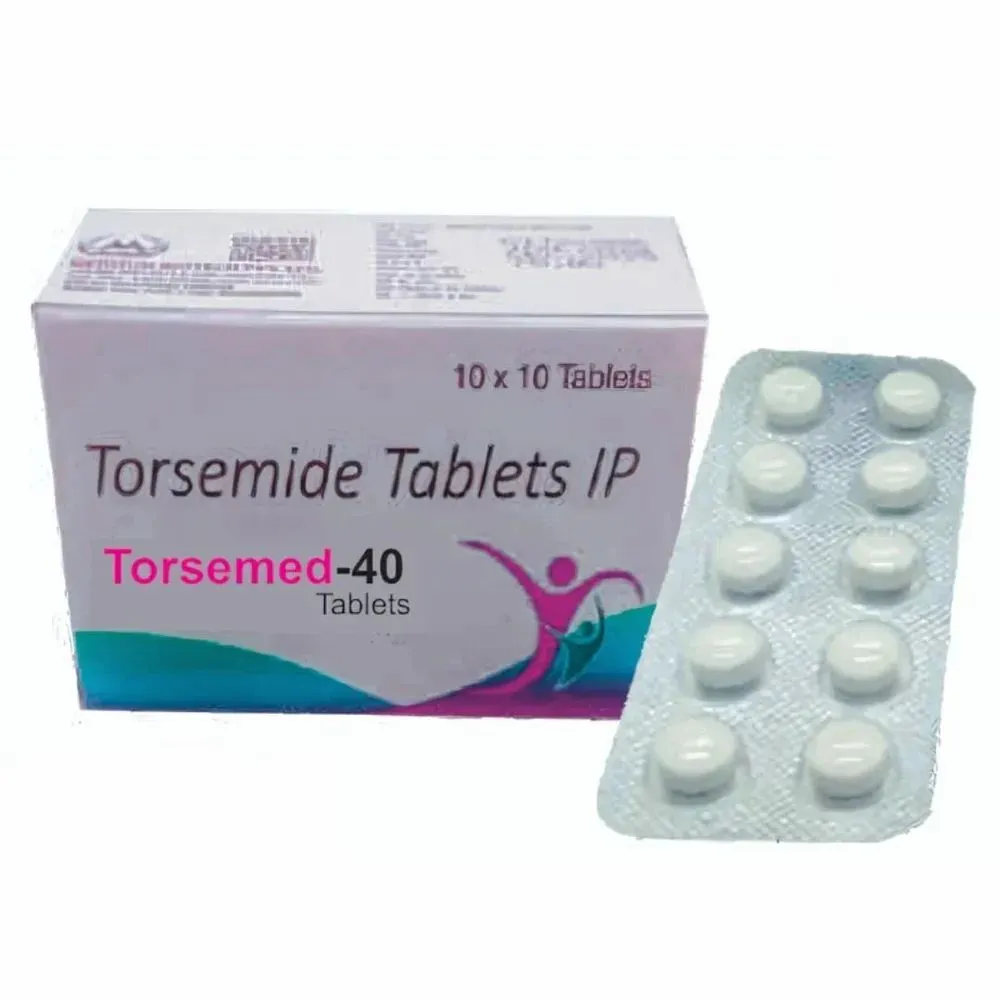
Table of Contents
Package leaflet: Information for the patient
Warning! Keep this leaflet! Information on the immediate packaging is in a foreign language.
Torsemed (Torasemid - 1 A Pharma)
10 mg, tablets
Torasemidum
Torsemed and Torasemid - 1 A Pharma are different trade names for the same medicinal product.
Please read this leaflet carefully before using the medicine, as it contains
important information for the patient.
- Keep this leaflet so that you can read it again if necessary.
- If you have any further questions, please consult your doctor or pharmacist.
- This medicine has been prescribed for a specific individual. Do not give it to others. The medicine may harm another person, even if their symptoms are the same.
- If you experience any adverse effects, including any adverse effects not listed in this leaflet, inform your doctor or pharmacist. See section 4.
Table of contents of the leaflet:
- What Torsemed is and what it is used for
- Important information before taking Torsemed
- How to take Torsemed
- Possible side effects
- How to store Torsemed
- Contents of the pack and other information
1. What Torsemed is and what it is used for
Torsemed is used for the treatment of:
- oedema caused by excessive fluid accumulation in the body.
Torsemed is a diuretic medicine, i.e. a medicine which increases urine production.
2. Important information before using Torsemed
When not to use Torsemed
- in case of hypersensitivity to:
- torasemide or any of the other ingredients of this medicine (listed in section 6)
- similar medicines called "sulfonamide derivatives", used in the treatment of high blood sugar levels, containing active substances with names ending in "-mid"
- in case of renal failure with insufficient urine production
- in case of severe liver dysfunction accompanied by loss of consciousness
- in case of low arterial blood pressure
- in case of reduced circulating blood volume
- during breastfeeding
- in case of low blood potassium or sodium levels
- in case of severe urinary tract disorders, e.g. due to enlarged prostate
- in case of gout
- in case of irregular heart rhythm
- in case of concomitant use of drugs used to treat infections, such as cefixime, cefuroxime, cefaclor, cephalexin, cefadroxil, cefpodoxime proxetil, kanamycin, neomycin, gentamicin, amikacin or tobramycin
- in case of drug-induced kidney dysfunction caused by medicines that damage the kidneys.
Warnings and precautions
If any of the situations listed above apply to the patient, discuss them with a doctor before starting treatment with Torsemed:
- acid-base balance disorders
- blood morphology abnormalities
- diabetes
- use of lithium, a medicine used in the treatment of depression.
If the patient is continuously taking Torsemed, the treating physician will regularly order blood tests, especially if the patient is also taking other medicines, has diabetes, or has an irregular heartbeat.
Children and adolescents
Torsemed is not recommended for use in children and adolescents under 18 years of age.
Torsemed with other medicines
Tell your doctor or pharmacist about all medicines the patient is currently taking or has recently taken, as well as any medicines the patient plans to use.
The following medicines may affect the action of Torsemed and vice versa:
- medicines used to treat high blood pressure, particularly those containing active substances with names ending in "-pril"
- medicines that enhance the heart's ability to pump blood, such as digitoxin, digoxin, or methyldigoxin
- medicines used to treat diabetes
- probenecid (a medicine used to treat gout)
- medicines used to treat inflammation and pain, such as acetylsalicylic acid or indomethacin
- sulfasalazine, mesalazine, or olsalazine (medicines used to treat chronic inflammatory bowel diseases)
- medicines used to treat infections, such as cefixime, cefuroxime, cefaclor, cephalexin, cefadroxil, cefpodoxime proxetil, kanamycin, neomycin, gentamicin, amikacin or tobramycin
- platinum compounds, such as cisplatin (a medicine used to treat cancer)
- lithium (a medicine used to treat depression)
- theophylline (a medicine used to treat asthma)
- certain muscle relaxants with names ending in "-curonium" or "-curium"
- all medicines used to treat constipation
- corticosteroid-containing medicines, such as hydrocortisone, prednisone or prednisolone
- cholestyramine (a medicine used to reduce blood lipid levels)
- adrenaline or noradrenaline (medicines used to increase blood pressure or accelerate heart rate)
- warfarin, a medicine used to treat blood clots.
Pregnancy and breastfeeding
If the patient is pregnant or breastfeeding, suspects she may be pregnant, or is planning a pregnancy, she should consult her doctor or pharmacist before using this medicine.
- Pregnancy Torsemed may be used during pregnancy only if the treating physician considers it absolutely necessary. In such a case, the lowest possible dose should be used.
- Breastfeeding Torsemed must not be used in women who are breastfeeding, as it may harm the infant.
Driving and operating machinery
Dizziness or drowsiness may occur during treatment with Torsemed, especially at the beginning of treatment, when increasing the dose, changing medication, starting additional medication, or consuming alcohol concurrently. If concentration is impaired, do not drive or operate machinery.
Torsemed contains monohydrate lactose
This medicine contains the sugar lactose. If the patient has previously been diagnosed with intolerance to certain sugars, the patient should consult a doctor before taking this medicine.
3. How to use Torsemed
This medicine should always be used as directed by the physician. In case of doubt, consult
your doctor or pharmacist.
Recommended dose:
Treatment of oedema caused by excess fluid in the body
- ½ tablet (5 mg) once daily. If necessary, the doctor may gradually increase the dose up to 2 tablets (20 mg) once daily.
Dividing the tablet
The tablet can be divided into equal doses.
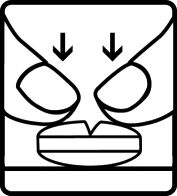
Place the tablet on a hard, flat surface with the score line facing upwards. Press with one finger on the left and another on the right side of one of the score lines to split the tablet into halves.
Use in children and adolescents
Due to insufficient experience with the use of torasemide in children and adolescents, Torsemed is not recommended for patients under 18 years of age.
Liver function disorders (except in cases of severe impairment)
Treatment requires caution due to the possibility of increased torasemide concentration.
Method of administration
Tablets should be taken once daily in the morning, regardless of meals, without chewing, and swallowed with 100 ml of water (approximately half a glass).
Duration of treatment
The duration of treatment is determined by the doctor. Torsemed may be used continuously for several years or until oedema (excess fluid in tissues) resolves.
Accidentally taking more Torsemed than recommended
Seek medical advice immediately.
Overdose may cause excessive urination, drowsiness, confusion, weakness, dizziness, hypotension, circulatory collapse, and gastrointestinal disturbances.
Take any remaining tablets and the medicine packaging with you to assist identification of the ingested drug.
Missed dose of Torsemed
Take the missed dose as soon as possible on the same day, or take the next dose at the usual time the following day. Do not take a double dose to make up for a missed dose.
Stopping Torsemed treatment
Do not discontinue treatment without consulting your doctor, as this may cause harmful effects for the patient and reduce treatment effectiveness.
If you have any further questions about the use of this medicine, consult your doctor or pharmacist.
4. Possible adverse effects
Like all medicines, this medicine can cause adverse effects, although not everyone will experience them.
Adverse effects may occur with the following frequency:
Common (may occur in less than 1 in 10 people)
- disturbances in body water and mineral levels, especially with restricted salt intake
- increased alkalinity in the body
- muscle cramps
- increased levels of uric acid, glucose and fats in the blood
- decreased levels of potassium and sodium in the blood
- reduced blood volume
- stomach and (or) intestinal disturbances such as loss of appetite, stomach pain, nausea, vomiting, diarrhoea, constipation
- increased activity of certain liver enzymes, such as gamma-GT
- headaches
- dizziness
- feeling tired
- weakness.
Uncommon (may occur in less than 1 in 100 people)
- increased levels of urea and creatinine in the blood
- dryness of the mouth
- tingling or numbness of hands and feet
- difficulty in passing urine (e.g. due to benign prostatic hyperplasia).
Very rare (may occur in less than 1 in 10,000 people)
- narrowing of blood vessels due to blood thickening
- lower than normal blood pressure
- circulatory disturbances, especially upon standing
- irregular heart function
- angina pectoris – a condition in which severe chest pain frequently occurs
- myocardial infarction
- fainting
- pancreatitis
- allergic reactions with itching and rash
- increased sensitivity to light
- severe skin reactions
- decreased number of red and white blood cells and platelets
- visual disturbances
- ringing or noise in the ears
- hearing loss.
Frequency not known: frequency cannot be estimated from the available data
- insufficient blood supply to the brain
- disorientation (confusion).
Reporting of adverse effects
If any adverse effects occur, including any possible adverse effects not listed in this leaflet, inform a doctor or pharmacist. Adverse effects can be reported directly to the Department of Monitoring Adverse Drug Reactions of the Office for Registration of Medicinal Products, Medical Devices and Biocidal Products, Al. Jerozolimskie 181C, 02-222 Warsaw, tel.: + 48 22 49 21 301, fax: + 48 22 49 21 309, website: https://smz.ezdrowie.gov.pl.
Reporting adverse effects helps to provide more information on the safety of the medicine.
5. How to store Torsemed
- Keep this medicine out of sight and reach of children.
- Do not use this medicine after the expiry date stated on the packaging. The expiry date refers to the last day of the stated month.
- Do not store above 25°C.
- Translation of some information on the immediate packaging: Ch.-B. / verwendbar bis : siehe Prägung - Batch number/Expiry date: see embossing.
- Medicines must not be disposed of via wastewater or household waste. Ask your pharmacist how to dispose of medicines no longer in use. This will help protect the environment.
6. Contents of the packaging and other information
What Torsemed contains
- The active substance in this medicinal product is torasemide. Each tablet contains 10 mg of torasemide.
- The other ingredients are: microcrystalline cellulose, lactose monohydrate, magnesium stearate, maize starch, colloidal anhydrous silica.
What Torsemed looks like and contents of the pack
White or almost white, round tablets with a cross-scored break line.
Pack sizes: 30, 60 and 90 tablets.
For more detailed information, please contact the responsible party or the parallel importer.
Marketing Authorisation Holder in Germany, the country of export:
1 A Pharma GmbH
Industriestraße 18
83607 Holzkirchen
Germany
Manufacturer:
Salutas Pharma GmbH
Otto-von-Guericke-Allee 1
39179 Barleben, Germany
Lek S.A.
ul. Podlipie 16
95-010 Stryków, Poland
Parallel Importer:
InPharm Sp. z o.o.
ul. Strumykowa 28/11
03-138 Warsaw, Poland
Repackaged in:
InPharm Sp. z o.o. Services sp. k.
ul. Chełmżyńska 249
04-458 Warsaw, Poland
German Marketing Authorisation Number (country of export): 58031.02.00
Parallel Import Authorisation Number: 158/20