Tacrolimus stada
Poland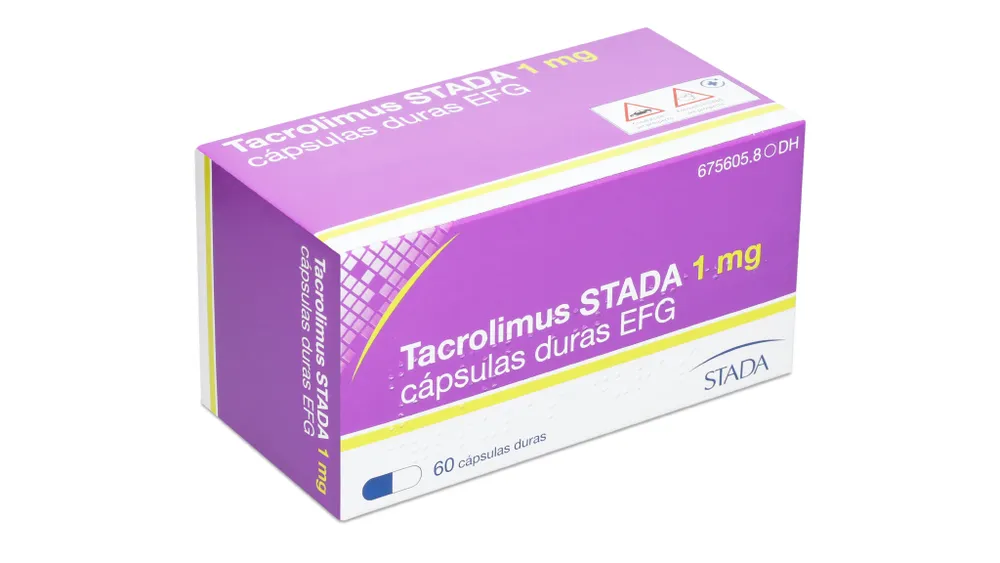
Table of Contents
Package leaflet: Information for the patient
TACROLIMUS STADA, 0.5 mg, prolonged-release capsules, hard
TACROLIMUS STADA, 1 mg, prolonged-release capsules, hard
TACROLIMUS STADA, 3 mg, prolonged-release capsules, hard
TACROLIMUS STADA, 5 mg, prolonged-release capsules, hard
Tacrolimusum
Please read this leaflet carefully before using the medicine, as it contains
important information for the patient.
- Keep this leaflet, so that you can read it again if necessary.
- If you have any questions, please consult your doctor or pharmacist.
- This medicine has been prescribed for a specific individual. Do not pass it on to others. The medicine may harm another person, even if their symptoms are the same.
- If the patient experiences any adverse reactions, including any adverse reactions not listed in this leaflet, inform the doctor or pharmacist. See section 4.
Table of contents of the leaflet
- What TACROLIMUS STADA is and what it is used for
- Important information before taking TACROLIMUS STADA
- How to take TACROLIMUS STADA
- Possible side effects
- How to store TACROLIMUS STADA
- Contents of the pack and other information
1. What TACROLIMUS STADA is and what it is used for
TACROLIMUS STADA contains the active substance tacrolimus. It is an immunosuppressive medicine. After organ transplantation (liver, kidney), the immune system attempts to reject the new organ.
TACROLIMUS STADA is used to control the body's immune response and allow acceptance of the transplanted organ.
TACROLIMUS STADA may also be used in cases of rejection of transplanted liver, kidney, heart or other organs, when previous treatment has not enabled control of the immune response after organ transplantation.
TACROLIMUS STADA is used in adult patients.
2. Important information before using TACROLIMUS STADA
When not to use TACROLIMUS STADA
- If the patient is allergic (hypersensitive) to tacrolimus or any of the other ingredients of this medicine (listed in section 6).
- If the patient is allergic to sirolimus or to any macrolide antibiotic (e.g. erythromycin, clarithromycin, josamycin).
Warnings and precautions
TACROLIMUS STADA and immediate-release tacrolimus capsules contain the same active substance, tacrolimus. However, TACROLIMUS STADA is taken once daily, whereas immediate-release tacrolimus capsules are taken twice daily. This is because TACROLIMUS STADA capsules allow prolonged release (slower release over a longer period) of tacrolimus.
TACROLIMUS STADA and immediate-release tacrolimus capsules must not be used interchangeably.
Before starting treatment with TACROLIMUS STADA, tell your doctor or pharmacist if:
- you are taking any of the medicines listed below in section “TACROLIMUS STADA and other medicines”
- you have or have had liver disease
- you have diarrhoea lasting more than one day
- you experience severe abdominal pain with or without other symptoms such as chills, fever, nausea or vomiting
- you have a change in the electrical activity of the heart known as “QT prolongation”
- you have or have had damage to the smallest blood vessels, known as thrombotic microangiopathy/thrombotic thrombocytopenic purpura/hemolytic uremic syndrome. Inform your doctor if you experience: fever, bruising under the skin (which may appear as red spots), unexplained fatigue, confusion, yellowing of the skin or eyes, reduced urine output, vision loss, or seizures (see section 4). The risk of these symptoms may increase if tacrolimus is taken together with sirolimus or everolimus.
Avoid taking herbal products, such as St John’s wort ( Hypericum perforatum ) or any other herbal remedies, as they may affect the effectiveness and required dose of TACROLIMUS STADA.
If in doubt, consult your doctor before taking any herbal products or supplements.
Your doctor may decide that the dose of TACROLIMUS STADA needs adjustment.
Remain in regular contact with your doctor. Periodically, your doctor may order blood and urine tests, heart function tests, and eye examinations to determine the appropriate dose of TACROLIMUS STADA.
When taking TACROLIMUS STADA, limit exposure to sunlight and ultraviolet (UV) radiation. Immunosuppressive medicines may increase the risk of skin cancer. Wear protective clothing and use high-protection sunscreens.
Precautions regarding preparation of the medicine:
When handling, avoid direct contact with any part of the body, such as skin or eyes, or inhalation of products containing tacrolimus in solution, powder, or granule form. If contact occurs, wash the skin and eyes thoroughly.
Children and adolescents
TACROLIMUS STADA is not recommended for use in children and adolescents under 18 years of age.
TACROLIMUS STADA and other medicines
Tell your doctor or pharmacist about all medicines you are currently taking or have recently taken, including over-the-counter medicines and herbal supplements.
Concomitant use of TACROLIMUS STADA with cyclosporine (another medicine used to prevent organ transplant rejection) is not recommended.
If you need to see a doctor other than a transplant specialist, inform the doctor that you are taking tacrolimus. The doctor may wish to consult with your transplant specialist before prescribing another medicine that may increase or decrease the blood level of tacrolimus.
The blood level of TACROLIMUS STADA may change when other medicines are taken, and the blood levels of other medicines may also change when TACROLIMUS STADA is used. This may require stopping TACROLIMUS STADA or adjusting its dose.
In some patients, blood levels of tacrolimus have increased when other medicines were taken.
This may lead to serious adverse effects such as kidney dysfunction, nervous system disorders, and heart rhythm disturbances (see section 4).
Changes in the blood level of TACROLIMUS STADA may occur rapidly after starting another medicine. Therefore, frequent monitoring of tacrolimus blood levels may be necessary during the first few days after starting another medicine and frequently during continued treatment.
Some other medicines may reduce tacrolimus blood levels, which could increase the risk of organ transplant rejection. In particular, inform your doctor about any current or previous use of medicines containing the following active substances:
- antifungal medicines and antibiotics, especially macrolide antibiotics used to treat infections, e.g. ketoconazole, fluconazole, itraconazole, posaconazole, voriconazole, clotrimazole, isavuconazole, miconazole, caspofungin, telithromycin, erythromycin, clarithromycin, josamycin, azithromycin, rifampicin, rifabutin, isoniazid, and flucloxacillin;
- letermovir, used to prevent cytomegalovirus (CMV) disease;
- HIV protease inhibitors (e.g. ritonavir, nelfinavir, saquinavir), the pharmacokinetic enhancer cobicistat, and combined or non-nucleoside HIV reverse transcriptase inhibitors (efavirenz, etravirine, nevirapine) used in the treatment of HIV infection;
- HCV protease inhibitors (e.g. telaprevir, boceprevir, ombitasvir/paritaprevir/ritonavir in combination with or without dasabuvir, elbasvir/grazoprevir, glecaprevir/pibrentasvir) used in the treatment of hepatitis C virus infection;
- nilotinib and imatinib, idelalisib, ceritinib, crizotinib, apalutamide, enzalutamide, or mitotane (used in the treatment of certain cancers);
- mycophenolic acid, used to suppress the immune system to prevent transplant rejection;
- medicines used for peptic ulcer disease and acid reflux (e.g. omeprazole, lansoprazole, or cimetidine);
- antiemetic medicines used to treat nausea and vomiting (e.g. metoclopramide);
- cisapride or antacids containing aluminium hydroxide and magnesium hydroxide, used for heartburn;
- oral contraceptives or other hormonal medicines containing ethinylestradiol or danazol;
- medicines used for high blood pressure or heart conditions (e.g. nifedipine, nicardipine, diltiazem, and verapamil);
- antiarrhythmic medicines (amiodarone) used to control heart rhythm disorders (irregular heartbeat);
- medicines known as “statins”, used to treat high cholesterol and triglyceride levels;
- carbamazepine, phenytoin, or phenobarbital, used to treat epilepsy;
- metamizole, used to treat pain and fever;
- corticosteroids prednisolone and methylprednisolone, belonging to the group of corticosteroids used to treat inflammation or to suppress immune system function (e.g. in transplant rejection);
- nefazodone, used for depression;
- herbal preparations containing St John’s wort ( Hypericum perforatum ) or Schisandra chinensis extract ( Schisandra sphenanthera );
- cannabidiol (used, among others, to treat epileptic seizures).
Inform your doctor if you are being treated for hepatitis C. Pharmacological treatment of hepatitis C may alter liver function and may affect tacrolimus blood levels. Tacrolimus blood levels may decrease or increase depending on the medicines prescribed for hepatitis C. Your doctor may wish to closely monitor tacrolimus blood levels and make necessary dose adjustments of TACROLIMUS STADA after starting treatment for hepatitis C.
Inform your doctor if you are taking or plan to take ibuprofen (used for fever, inflammation, and pain), antibiotics (co-trimoxazole, vancomycin, or aminoglycoside antibiotics such as gentamicin), amphotericin B (used to treat fungal infections), or antiviral medicines (used to treat viral infections, e.g. acyclovir, ganciclovir, cidofovir, foscarnet). These medicines, when taken together with TACROLIMUS STADA, may worsen kidney and nervous system disorders.
Inform your doctor if you are taking sirolimus or everolimus. If tacrolimus is taken together with sirolimus or everolimus, the risk of developing thrombotic microangiopathy, thrombotic thrombocytopenic purpura, and hemolytic uremic syndrome may increase (see section 4).
Inform your doctor if you are taking potassium supplements or certain diuretics used in heart failure, high blood pressure, and kidney diseases (e.g. amiloride, triamterene, or spironolactone) or antibiotics trimethoprim or co-trimoxazole, which may increase blood potassium levels, non-steroidal anti-inflammatory drugs (NSAIDs, e.g. ibuprofen) used for fever, inflammation, and pain, anticoagulants (blood thinners), or oral antidiabetic medicines.
Inform your doctor about any planned vaccinations.
Taking TACROLIMUS STADA with food and drink
During treatment with TACROLIMUS STADA, avoid consuming grapefruit (including grapefruit juice), as it may affect the medicine’s blood levels.
Pregnancy and breastfeeding
If you are pregnant or breastfeeding, think you may be pregnant, or are planning to have a baby, consult your doctor or pharmacist before using this medicine.
TACROLIMUS STADA passes into breast milk. Therefore, breastfeeding must not be used during treatment with TACROLIMUS STADA.
Driving and using machines
Do not drive, operate machinery, or use tools if you experience dizziness, drowsiness, or vision disturbances after taking this medicine. These symptoms are more likely if alcohol is also consumed.
TACROLIMUS STADA contains lactose
If your doctor has previously diagnosed you with an intolerance to certain sugars, contact your doctor before using this medicine.
TACROLIMUS STADA contains the colour Allura red aluminium lake (E129),
which may cause allergic reactions.
3. How to use TACROLIMUS STADA
This medicine should always be taken exactly as prescribed by your doctor. If in doubt, consult your doctor or pharmacist. This medicine may only be prescribed by a physician experienced in managing transplant patients.
When collecting your prescription, make sure you receive the same tacrolimus-containing medicine each time, unless your transplant specialist has advised switching to another tacrolimus-containing medicine. The medicine should be taken once daily. If the medicine looks different than usual or if there are different instructions regarding its dosage, consult your doctor or pharmacist as soon as possible to ensure you have received the correct medicine.
Your doctor will determine the initial dose required to prevent organ rejection based on body weight. The initial daily dose administered immediately after transplantation depends on the type of transplanted organ and usually ranges from 0.10 mg/kg body weight/day to 0.30 mg/kg body weight/day. The same doses may be used in the treatment of transplant rejection.
The dose depends on your overall health status and on other immunosuppressive medicines being used.
After starting treatment with TACROLIMUS STADA, your doctor will perform frequent blood tests to determine the appropriate dose. Further regular blood tests will be necessary throughout treatment to adjust the dose as needed. If your clinical condition becomes stable, your doctor may reduce the dose of TACROLIMUS STADA. Your doctor will inform you exactly how many capsules to take.
You should take TACROLIMUS STADA every day for as long as immunosuppression is needed to prevent rejection of the transplanted organ. You must remain in regular contact with your doctor.
TACROLIMUS STADA is taken orally once daily in the morning. TACROLIMUS STADA should be taken on an empty stomach or at least 2 to 3 hours after a meal. The next meal may be taken at least 1 hour after taking the medicine.
The capsules should be taken immediately after removing them from the blister pack. Swallow the capsules whole with a glass of water. Do not swallow the desiccant (moisture-absorbing agent) present in the foil packaging.
Taking more TACROLIMUS STADA than prescribed
If you accidentally take more TACROLIMUS STADA than prescribed, contact your doctor immediately or go to the nearest hospital.
Missing a dose of TACROLIMUS STADA
If you forget to take your morning dose of TACROLIMUS STADA, take it as soon as possible on the same day. Do not take a double dose the next morning.
Stopping TACROLIMUS STADA
Stopping treatment with TACROLIMUS STADA may increase the risk of transplant rejection. Do not discontinue treatment unless instructed by your doctor.
If you have any further questions about the use of this medicine, consult your doctor or pharmacist.
4. Possible adverse effects
Like all medicines, this medicine can cause adverse effects, although not everyone will experience them.
TACROLIMUS STADA reduces the body's defence mechanism (immune system),
which will therefore be less effective in fighting infections. For this reason, patients taking TACROLIMUS
STADA may be more susceptible to infections.
Some infections may be severe or lead to death and may include those caused by
bacteria, viruses, fungi, parasites or other infections.
You should immediately inform your doctor if any signs of infection occur, including:
- fever, cough, sore throat, weakness or general malaise
- memory loss, difficulty thinking, difficulty walking or loss of vision – these may be caused by a very rare, serious brain infection which can lead to death (progressive multifocal leukoencephalopathy, PML).
Severe adverse effects, including allergic and anaphylactic reactions, may occur.
Benign and malignant tumours have been reported during treatment with TACROLIMUS STADA.
If any of the serious adverse effects listed below have occurred or are suspected to have occurred,
you must immediately inform your doctor:
Serious adverse effects that occur frequently (may occur in less than 1 in 10 patients):
- Gastrointestinal perforation: severe abdominal pain, with or without other symptoms such as chills, fever, nausea or vomiting.
- Dysfunction of the transplanted organ.
- Blurred vision.
Serious adverse effects that occur not very frequently (may occur in less than 1 in 100 patients):
- Thrombotic microangiopathy (damage to the smallest blood vessels), including haemolytic-uraemic syndrome, a condition with the following symptoms: low urine output or absence of urine (acute kidney failure), extreme fatigue, yellowing of the skin or eyes (jaundice), and unexplained bruises or abnormal bleeding, and signs of infection.
Serious adverse effects that occur rarely (may occur in less than 1 in 1000 patients):
- Thrombotic thrombocytopenic purpura: a condition involving damage to the smallest blood vessels and characterised by fever and subcutaneous bruises appearing as red, pinpoint spots, accompanied or unaccompanied by extreme fatigue, disorientation, yellowing of the skin or eyes (jaundice), symptoms of acute kidney failure (low urine output or absence of urine), loss of vision and seizures.
- Toxic epidermal necrolysis: erosion or blistering of the skin or mucous membranes; red, swollen skin may detach over large areas of the body.
- Loss of vision.
Serious adverse effects that occur very rarely (may occur in less than 1 in 10,000 patients):
- Stevens-Johnson syndrome: unexplained, widespread skin pain, facial swelling, severe illness with blisters on the skin, mouth, eyes and genital organs, urticaria, tongue swelling, spreading red or purple skin rash, peeling of the epidermis.
- Torsades de pointes: change in heart rate, which may or may not be accompanied by symptoms such as chest pain (angina), fainting, dizziness or nausea, palpitations (sensation of heart beating), and breathing difficulties.
Serious adverse effects – frequency unknown (frequency cannot be determined from available data):
-
Opportunistic infections (bacterial, fungal, viral and protozoal): prolonged diarrhoea, fever and sore throat.
-
Benign and malignant tumours during treatment, occurring as a result of immunosuppression, including skin malignancies and a rare type of cancer that may present as skin lesions, known as Kaposi's sarcoma. Symptoms include skin lesions such as new or changing discolorations, spots or nodules.
-
Cases of pure red cell aplasia (severe reduction in red blood cells), haemolytic anaemia (reduction in red blood cells due to abnormal breakdown, accompanied by fatigue) and neutropenic fever (reduction in white blood cells that fight infection, with concomitant fever) have been reported. The exact frequency of these adverse effects is not known. There may be no symptoms, or depending on the severity of the disease, symptoms such as fatigue, apathy, unnatural paleness of the skin (pallor), shortness of breath, dizziness, headache, chest pain and coldness in the hands and feet may occur.
-
Agranulocytosis (significant reduction in white blood cells accompanied by oral ulceration, fever and infection/infections). There may be no symptoms or symptoms such as sudden increase in body temperature, chills and sore throat may occur.
-
Allergic and anaphylactic reactions with the following symptoms: sudden itchy rash (urticaria), swelling of the hands, feet, ankles, face, lips, mouth or throat (which may cause difficulty swallowing or breathing) and a feeling of impending fainting.
-
Posterior reversible encephalopathy syndrome (PRES): headache, confusion, mood changes, seizures and blurred vision. These may be symptoms of a disorder known as posterior reversible encephalopathy syndrome, which has been reported in some patients treated with tacrolimus.
-
Optic neuropathy (abnormalities of the optic nerve): vision problems such as blurred vision, changes in colour vision, difficulty perceiving details or reduced visual field.
The following adverse effects may also occur after taking TACROLIMUS STADA, which may be severe:
Very common adverse effects (may affect more than 1 in 10 people):
- Increased blood glucose levels, diabetes, increased blood potassium levels
- Insomnia
- Muscle tremor, headache
- Increased blood pressure
- Abnormal liver function test results
- Diarrhoea, nausea
- Kidney dysfunction
Common adverse effects (may affect up to 1 in 10 people):
- Decreased blood cell count (platelets, red blood cells or white blood cells), increased white blood cell count, change in red blood cell count (visible in blood tests)
- Decreased levels of magnesium, phosphorus, potassium, calcium or sodium in the blood, fluid retention, increased levels of uric acid or fats in the blood, decreased appetite, increased blood acidity, other electrolyte disturbances (visible in blood tests)
- Anxiety symptoms, confusion and disorientation, depression, mood changes, nightmares, hallucinations, mental disturbances
- Seizures, impaired consciousness, tingling and numbness (sometimes painful) in hands and feet, dizziness, impaired writing ability, nervous system disorders
- Increased sensitivity to light, eye disorders
- Tinnitus
- Reduced blood flow in the heart vessels, rapid heartbeat
- Bleeding, partial or complete blockage of blood vessels, decreased blood pressure
- Shortness of breath, changes in lung tissue, fluid accumulation in the pleura, sore throat, cough, flu-like symptoms
- Inflammatory or ulcerative conditions causing abdominal pain or diarrhoea, gastrointestinal bleeding, inflammation or ulceration of the mouth, fluid accumulation in the abdominal cavity, vomiting, abdominal pain, indigestion, constipation, flatulence, bloating and distension, loose stools, gastric symptoms
- Biliary tract disorders, jaundice due to liver disease, liver cell damage and hepatitis
- Itching, rash, hair loss, acne, excessive sweating
- Joint, limb, back and foot pain, muscle cramps
- Kidney failure, reduced urine production, difficulty or painful urination
- General weakness, fever, fluid retention, pain and discomfort, increased blood alkaline phosphatase enzyme activity, weight gain, disturbances in temperature sensation
Uncommon adverse effects (may affect up to 1 in 100 people):
- Changes in blood coagulation and bleeding parameters, decreased count of all types of blood cells (visible in blood tests)
- Dehydration
- Decreased levels of proteins or glucose in the blood, increased levels of phosphates in the blood
- Coma, cerebral haemorrhage, stroke, paralysis and paresis, brain disorders, speech disorders and language disturbances, memory problems
- Cataract
- Hearing impairment
- Irregular heartbeat, cardiac arrest, heart failure, myocardial disorders, myocardial enlargement, stronger heartbeat, abnormal ECG results, abnormal pulse and heart rate
- Formation of blood clots in limb veins, shock
- Breathing difficulties, respiratory disorders, asthma
- Intestinal obstruction, increased blood amylase activity, regurgitation of stomach contents into the oesophagus, delayed gastric emptying
- Skin inflammation, photosensitivity
- Joint disorders
- Inability to urinate, painful menstruation and abnormal menstrual bleeding
- Multi-organ failure, flu-like symptoms, increased sensitivity to heat and cold, chest pressure sensation, nervousness or malaise, increased blood lactate dehydrogenase enzyme activity, weight loss
Rare adverse effects (may affect up to 1 in 1000 people):
- Small, bloody skin petechiae due to clot formation
- Increased muscle tone
- Deafness
- Fluid accumulation around the heart
- Severe shortness of breath
- Pancreatic cyst
- Impaired blood flow through the liver
- Severe disorders with scaling skin lesions on the skin, mouth, eyes, genital organs, excessive hair growth
- Thirst, fall, chest pressure sensation, reduced mobility, ulcers
Very rare adverse effects (may affect fewer than 1 in 10,000 patients):
- Muscle fatigue
- Abnormal cardiac scintigraphy
- Liver failure
- Painful urination with blood in the urine
- Increased fatty tissue
Reporting of adverse effects
If any adverse effects occur in the patient, including any adverse effects not listed in this leaflet, you should inform your doctor or pharmacist.
You can also report adverse effects directly to the Department of Monitoring Adverse Drug Reactions of the Office for Registration of Medicinal Products, Medical Devices and Biocidal Products
Al. Jerozolimskie 181C
02-222 Warsaw
Tel.: +48 22 49 21 301
Fax: +48 22 49 21 309
Website: https://smz.ezdrowie.gov.pl
Adverse effects can also be reported to the marketing authorisation holder.
Reporting adverse effects helps to provide more information on the safety of the medicine.
5. How to store TACROLIMUS STADA
Keep the medicine out of sight and reach of children.
Do not use TACROLIMUS STADA after the expiry date stated on the carton after: {EXP}. The expiry date refers to the last day of the stated month.
After opening the aluminium foil sachet, the extended-release hard capsules remain suitable for use for 12 months, but only if used before the expiry date.
Store below 30 °C.
Medicines must not be disposed of via wastewater or household waste. Ask your pharmacist how to dispose of medicines no longer required. This will help protect the environment.
6. Contents of the packaging and other information
What TACROLIMUS STADA contains
- The active substance is tacrolimus.
Each capsule of TACROLIMUS STADA 0.5 mg contains 0.5 mg of tacrolimus (as tacrolimus monohydrate).
Each capsule of TACROLIMUS STADA 1 mg contains 1 mg of tacrolimus (as tacrolimus monohydrate).
Each capsule of TACROLIMUS STADA 3 mg contains 3 mg of tacrolimus (as tacrolimus monohydrate).
Each capsule of TACROLIMUS STADA 5 mg contains 5 mg of tacrolimus (as tacrolimus monohydrate).
- Other ingredients are: Capsule contents: ethylcellulose, butylhydroxytoluene, hypromellose, lactose monohydrate, magnesium stearate. Capsule shell: gelatin, titanium dioxide (E 171), red iron oxide (E 172), yellow iron oxide (E 172). Printing ink: shellac, allura red AC, aluminium lake (E 129), propylene glycol, titanium dioxide (E 171).
What TACROLIMUS STADA looks like and contents of the pack
TACROLIMUS STADA 0.5 mg prolonged-release capsules, hard, are hard gelatin capsules with an opaque yellow cap and an opaque orange body, size 5, with a length of 11.2±0.5 mm, printed in red with "0.5 mg" on the cap.
TACROLIMUS STADA 0.5 mg is available in blisters made of transparent PVC/PE/PVDC/Aluminium foil, in an Aluminium/PE sachet with a built-in moisture-absorbing agent incorporated into the sachet foil layers, packed in a cardboard box. The pack contains 30 prolonged-release, hard capsules.
TACROLIMUS STADA 1 mg prolonged-release capsules, hard, are hard gelatin capsules with an opaque white cap and an opaque orange body, size 4, with a length of 14.1±0.5 mm, printed in red with "1 mg" on the cap.
TACROLIMUS STADA 1 mg is available in blisters made of transparent PVC/PE/PVDC/Aluminium foil, in an Aluminium/PE sachet with a built-in moisture-absorbing agent incorporated into the sachet foil layers, packed in a cardboard box. The pack contains 30 prolonged-release, hard capsules.
TACROLIMUS STADA 3 mg prolonged-release capsules, hard, are hard gelatin capsules with an opaque orange cap and an opaque orange body, size 1, with a length of 19.1±0.5 mm, printed in red with "3 mg" on the cap.
TACROLIMUS STADA 3 mg is available in blisters made of transparent PVC/PE/PVDC/Aluminium foil, in an aluminium sachet with a built-in moisture-absorbing agent incorporated into the sachet foil layers, packed in a cardboard box. The pack contains 30 prolonged-release, hard capsules.
TACROLIMUS STADA 5 mg prolonged-release capsules, hard, are hard gelatin capsules with an opaque grey-red cap and an opaque orange body, size 0, with a length of 21.4±0.5 mm, printed in red with "5 mg" on the cap.
TACROLIMUS STADA 5 mg is available in blisters made of transparent PVC/PE/PVDC/Aluminium foil, in an Aluminium/PE sachet with a built-in moisture-absorbing agent incorporated into the sachet foil layers, packed in a cardboard box. The pack contains 30 prolonged-release, hard capsules.
Marketing Authorisation Holder
STADA Arzneimittel AG
Stadastrasse 2-18
61118 Bad Vilbel
Germany
Manufacturer
Pharmathen International S.A
Industrial Park Sapes, Rodopi Prefecture, Block No 5
Rodopi 69300
Greece
Pharmathen SA
6 Dervenakion Str.
Pallini, Attiki 15351
Greece
STADA Arzneimittel AG
Stadastrasse 2-18
61118 Bad Vilbel
Germany
Centrafarm Services B.V.
Van de Reijtstraat 31 D
4814NE Breda
The Netherlands
This medicinal product is authorised in the European Economic Area countries under the following names:
Denmark: TACROLIMUS STADA
Germany: Tacrolimus AL 0.5 mg Hartkapseln, retardiert
Tacrolimus AL 1 mg Hartkapseln, retardiert
Tacrolimus AL 3 mg Hartkapseln, retardiert
Tacrolimus AL 5 mg Hartkapseln, retardiert
Spain: Tacrolimus STADAFARMA 0.5 mg cápsulas de liberación prolongada EFG
Tacrolimus STADAFARMA 1 mg cápsulas de liberación prolongada EFG
Tacrolimus STADAFARMA 3 mg cápsulas de liberación prolongada EFG
Tacrolimus STADAFARMA 5 mg cápsulas
France: TACROLIMUS EG LP 0.5 mg, gélule à libération prolongée
TACROLIMUS EG LP 1 mg, gélule à libération prolongée
TACROLIMUS EG LP 3 mg, gélule à libération prolongée
TACROLIMUS EG LP 5 mg, gélule à libération prolongée
Hungary: TACROLIMUS STADA 0.5 mg retard kemény kapszula
TACROLIMUS STADA 1 mg retard kemény kapszula
TACROLIMUS STADA 3 mg retard kemény kapszula
TACROLIMUS STADA 5 mg retard kemény kapszul
Italy: TACROLIMUS EG
The Netherlands: Tacrolimus CF 0.5 mg, harde capsules met verlengde afgifte
Tacrolimus CF 1 mg, harde capsules met verlengde afgifte
Tacrolimus CF 3 mg, harde capsules met verlengde afgifte
Tacrolimus CF 5 mg, harde capsules met verlengde afgifte
Poland: TACROLIMUS STADA
For further information, please contact the representative of the Marketing Authorisation Holder:
Stada Pharm Sp. z o.o.
ul. Krakowiaków 44
02-255 Warszawa
Tel. +48 22 737 79 20