Suganet
Poland
Table of Contents
Package leaflet: Information for the user
Suganet, 12.5 mg, hard capsules
Suganet, 25 mg, hard capsules
Suganet, 50 mg, hard capsules
Sunitinib
Please read all of this leaflet carefully before taking this medicine because it contains
important information for you.
- Keep this leaflet. You may need to read it again.
- If you have any further questions, ask your doctor or pharmacist.
- This medicine has been prescribed for you personally. Do not pass it on to others. It may harm them, even if their symptoms are the same as yours.
- If you experience any side effects, including any not listed in this leaflet, inform your doctor. See section 4.
Contents of the leaflet
- What Suganet is and what it is used for
- What you need to know before taking Suganet
- How to take Suganet
- Possible side effects
- How to store Suganet
- Contents of the pack and other information
1. What Suganet is and what it is used for
Suganet contains sunitinib as the active substance, which is a protein kinase inhibitor. Suganet is used in the treatment of cancers, as it inhibits the activity of a specific group of proteins known to be involved in the growth and spread of cancer cells.
Suganet is used to treat the following types of cancer in adults:
- Gastrointestinal stromal tumours (GIST), a type of stomach and intestinal cancer, when imatinib (another anticancer medicine) is no longer effective or cannot be used;
- Metastatic renal cell carcinoma (MRCC), a type of kidney cancer that has spread to other parts of the body;
- Advanced pancreatic neuroendocrine tumours (pNET) (tumours arising from hormone-producing cells in the pancreas) that are progressing and cannot be surgically removed.
If you have any questions about how Suganet works or why this medicine has been prescribed, please consult your doctor.
2. Important information before taking Suganet
When not to take Suganet:
- If the patient is allergic to sunitinib or any of the other ingredients of this medicine (listed in section 6).
Warnings and precautions
Before starting treatment with Suganet, discuss the following with your doctor:
- If the patient has high blood pressure. Suganet may increase blood pressure. The doctor may monitor blood pressure during treatment with Suganet, and the patient may require treatment with antihypertensive medicines if necessary.
- If the patient has or has previously had blood disorders, bleeding, or bruising. Treatment with Suganet may increase the risk of bleeding or may alter the number of certain blood cells, which may lead to anaemia or affect the blood’s ability to clot. If the patient is taking warfarin or acenocoumarol, anticoagulant medicines used to prevent blood clots, there may be an increased risk of bleeding. Inform the doctor about any bleeding episodes during treatment with Suganet.
- If the patient has heart problems. Suganet may cause heart-related issues. Inform the doctor if the patient experiences extreme fatigue, shortness of breath, or swelling of the feet or ankles.
- If the patient has heart rhythm disorders. Suganet may cause irregular heart rhythms. During treatment with Suganet, the doctor may perform an electrocardiogram (ECG) to monitor these disturbances. Inform the doctor if the patient experiences dizziness, fainting, or irregular heartbeat while taking Suganet.
- If the patient has recently had blood clots in the veins and/or arteries (types of blood vessels), including stroke, heart attack, embolism, or thrombosis. Contact the doctor immediately if, during treatment with Suganet, the patient experiences symptoms such as chest pain or tightness, pain in the arms, back, neck, or jaw, shortness of breath, numbness or weakness on one side of the body, difficulty speaking, headache, or dizziness.
- If the patient has or has previously had an aneurysm (a bulge and weakening of the blood vessel wall) or a tear in the blood vessel wall.
- If the patient has or has previously had damage to the smallest blood vessels known as thrombotic microangiopathy. Inform the doctor if the patient develops fever, fatigue, weakness, bruising, bleeding, swelling, confusion, vision loss, or seizures.
- If the patient has thyroid problems. Suganet may cause thyroid dysfunction. Inform the doctor if the patient feels unusually tired, feels colder than usual, or experiences voice changes during treatment with Suganet. The doctor should check thyroid function before starting treatment with Suganet and regularly during treatment. If the thyroid gland does not produce enough thyroid hormone, the patient may require thyroid hormone replacement therapy.
- If the patient has or has previously had pancreatic disorders or gallbladder problems. Inform the doctor if the patient experiences any of the following symptoms: stomach pain (upper abdomen), nausea, vomiting, or fever. These may be symptoms of pancreatitis or gallbladder inflammation.
- If the patient has or has previously had liver disease. Inform the doctor if, during treatment with Suganet, the patient develops any of the following signs of liver dysfunction: itching, yellowing of the eyes or skin (jaundice), dark urine, or pain or discomfort in the right upper abdomen. The doctor should order blood tests to monitor liver function before starting treatment with Suganet, during treatment, and whenever clinically indicated.
- If the patient has or has previously had kidney disease. The doctor will monitor kidney function.
- If the patient is scheduled for surgery or has recently undergone surgery. Suganet may affect wound healing. The medicine is usually discontinued before surgical procedures. The doctor will decide when to restart Suganet.
- The patient is advised to have a dental examination before starting treatment with Suganet.
- If the patient experiences pain in the mouth, tooth or jaw pain, swelling or ulceration of the mouth, numbness or a feeling of heaviness in the jaw, or loose teeth, inform the oncologist and dentist immediately.
- If the patient requires invasive dental treatment or dental surgery, inform the dentist about taking Suganet, especially if the patient is currently or has previously received intravenous bisphosphonates. Bisphosphonates are medicines used to prevent bone problems, which may have been administered due to another condition.
- If the patient has or has previously had skin and subcutaneous tissue disorders. During treatment with this medicine, pyoderma gangrenosum (painful skin ulceration) or necrotising fasciitis (rapidly spreading infection of the skin and/or soft tissues, which may be life-threatening) may occur. Contact the doctor immediately if the patient develops signs of infection around skin lesions, including fever, pain, redness, swelling, or discharge of pus or blood. These conditions usually resolve after discontinuation of Suganet. Severe skin reactions (Stevens-Johnson syndrome, toxic epidermal necrolysis, erythema multiforme) have been observed during treatment with this medicine. These initially appear as red, target-shaped or circular spots, often with centrally located blisters. The rash may progress to extensive blistering or skin peeling and may be life-threatening. If the patient develops a rash or any of the above-mentioned skin symptoms, seek medical advice immediately.
- If the patient has or has previously had seizures. Inform the doctor as soon as possible if the patient develops high blood pressure, headache, or vision loss.
- If the patient has diabetes. In diabetic patients, blood glucose levels should be monitored regularly to assess whether adjustment of antidiabetic medication is needed to minimize the risk of hypoglycaemia. Inform the doctor immediately if the patient experiences symptoms of low blood sugar (fatigue, palpitations, excessive sweating, hunger, or loss of consciousness).
Children and adolescents
Suganet is not recommended for patients under 18 years of age.
Suganet and other medicines
Inform your doctor or pharmacist about all medicines the patient is currently taking, has recently taken, or plans to take, including those obtained without a prescription.
Some medicines may affect the concentration of Suganet in the body. Inform the doctor if the patient is taking medicines containing any of the following active substances:
- ketoconazole, itraconazole – used to treat fungal infections,
- erythromycin, clarithromycin, rifampicin – used to treat infections,
- ritonavir – used to treat HIV infection,
- dexamethasone – a corticosteroid used in various conditions (such as allergic and/or respiratory disorders or skin diseases),
- phenytoin, carbamazepine, phenobarbital – used to treat epilepsy and other neurological conditions,
- herbal products containing St John’s wort (Hypericum perforatum) – used to treat depression and anxiety.
Taking Suganet with food and drink
Do not drink grapefruit juice while taking Suganet.
Pregnancy and breastfeeding
If the patient is pregnant, breastfeeding, suspects she may be pregnant, or is planning to have a baby, she should consult her doctor or pharmacist before using this medicine.
Women of childbearing potential should use an effective method of contraception during treatment with Suganet.
Women who are breastfeeding should inform their doctor. Breastfeeding is not recommended during treatment with Suganet.
Driving and using machines
If dizziness or significant fatigue occurs, exercise particular caution when driving or operating machinery.
Suganet contains sodium
This medicine contains less than 1 mmol (23 mg) of sodium per capsule, meaning the medicine is considered "sodium-free".
3. How to take Suganet
This medicine should always be taken according to the doctor's instructions. In case of doubt, consult your doctor.
The doctor will prescribe the appropriate dose for each patient depending on the type of tumour. For patients being treated for:
- GIST or MRCC, the usual dose is 50 mg taken once daily for 28 days (4 weeks), followed by a 14-day (2-week) treatment-free break, in 6-week treatment cycles.
- pNET, the usual dose is 37.5 mg taken once daily continuously.
Your doctor will determine the appropriate dose for you and when treatment with Suganet should end.
Suganet may be taken with or without food.
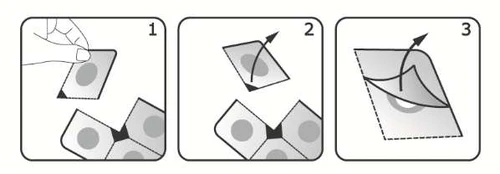
To open the blister packs, peel off a single dose from the blister strip along the perforated line. Then peel back the foil on the blister and remove the capsule. Do not push the capsule through the foil, as this may damage it.
Taking more Suganet than prescribed
If too many capsules are taken, contact a doctor immediately. Medical intervention may be necessary.
Missing a dose of Suganet
Do not take a double dose to make up for a missed dose.
4. Possible adverse reactions
Like all medicines, this medicine may cause adverse reactions, although not everyone experiences them.
You should contact your doctor immediately if any of the following symptoms occur in the patient (see also section 2 "Important information before taking Suganet"):
- Heart problems. Inform your doctor if the patient feels very tired, has shortness of breath, or swelling of the feet and ankles. These may be symptoms of heart problems, which may include heart failure and heart muscle disorders (cardiomyopathy).
- Lung diseases or breathing difficulties. Inform your doctor if the patient develops cough, chest pain, sudden onset of breathlessness, or coughing up blood. These may be symptoms of a condition called pulmonary embolism, which occurs when blood clots travel to the lungs.
- Kidney function disorders. Inform your doctor if the patient experiences changes in frequency or absence of urination, which may be signs of kidney failure.
- Bleeding. Inform your doctor if the patient experiences any of the following symptoms or severe bleeding during treatment with Suganet: abdominal (stomach) pain and swelling; vomiting blood; black, tarry stools; blood in the urine; headache or changes in consciousness; coughing up blood or bloody sputum from the lungs or airways.
- Tumour rupture leading to intestinal perforation. Inform your doctor if the patient develops severe abdominal pain, fever, nausea, vomiting, blood in the stool, or changes in bowel function.
Other adverse reactions associated with Suganet may include:
Very common adverse reactions (may occur in more than 1 in 10 people)
- Decreased platelet count, red blood cells, and/or white blood cells (e.g. neutrophils)
- Dyspnoea (shortness of breath)
- Hypertension (high blood pressure)
- Severe fatigue, loss of strength
- Oedema due to fluid accumulation under the skin and around the eyes, allergic skin rash
- Pain and/or irritation in the mouth, painful ulceration and/or inflammation, and/or dryness of the mouth, taste disturbances, gastrointestinal disorders, nausea, vomiting, diarrhoea, constipation, abdominal pain and/or swelling, loss and/or reduced appetite
- Reduced thyroid activity (hypothyroidism)
- Dizziness
- Headache
- Nosebleeds
- Back pain, joint pain
- Pain in arms and legs
- Yellowing of the skin and/or skin discoloration, excessive skin pigmentation, hair color changes, rash on palms and soles, rash, dry skin
- Cough
- Fever
- Difficulty falling asleep
Common adverse reactions (may occur in fewer than 1 in 10 people)
- Blood clots in blood vessels
- Inadequate blood supply to the heart due to blockage or narrowing of the coronary arteries
- Chest pain
- Reduced amount of blood pumped by the heart
- Fluid retention, including in the lung area
- Infections
- Complication following severe infection (blood infection), which may lead to tissue damage, organ failure, and death
- Decreased blood sugar levels (see section 2)
- Protein loss in urine, sometimes causing oedema
- Flu-like syndrome
- Abnormal blood test results, including pancreatic and liver enzymes
- High levels of uric acid in blood
- Haemorrhoids, rectal pain, gum bleeding, difficulty or inability to swallow
- Burning or painful sensation of the tongue, inflammation of the mucous membrane of the gastrointestinal tract, excessive gas in the stomach or intestines
- Weight loss
- Musculoskeletal pain (muscle and bone pain), muscle weakness, muscle fatigue, muscle pain, muscle cramps
- Dryness of the nasal mucous membrane, sensation of nasal congestion
- Excessive tearing
- Skin sensation disorders, itching, skin peeling and inflammation, blisters, acne, nail discoloration, hair loss
- Sensory disturbances in the limbs
- Disorders involving increased or decreased sensitivity, especially to touch
- Heartburn
- Dehydration
- Hot flushes
- Abnormal urine colour
- Depression
- Chills
Uncommon adverse reactions (may occur in fewer than 1 in 100 people)
- Life-threatening soft tissue infections, including in the anogenital area (see section 2)
- Stroke
- Myocardial infarction (heart attack) caused by interruption or reduction of blood supply to the heart
- Changes in electrical function or heart rhythm disturbances
- Presence of fluid around the heart (pericardial effusion)
- Liver failure
- Abdominal (stomach) pain caused by inflammation of the pancreas
- Tumour rupture leading to intestinal perforation
- Inflammation (swelling or redness) of the gallbladder with or without gallstones
- Formation of abnormal connections between one body cavity and another or to the skin
- Mouth pain, tooth and/or jaw pain, swelling or ulceration of the mouth, numbness or heaviness in the jaw, or tooth mobility. These may be symptoms of jaw bone damage (osteonecrosis), see section 2 "Important information before taking Suganet"
- Excessive production of thyroid hormones leading to increased resting metabolism
- Impaired wound healing after surgical procedures
- Increased activity of muscle enzyme (creatine phosphokinase) in blood
- Excessive reaction to allergens, including hay fever, skin rash, itching, urticaria, swelling of any body part, and breathing difficulties
- Inflammation of the large intestine (colitis, ischaemic colitis)
Rare adverse reactions (may occur in fewer than 1 in 1000 people)
- Severe reaction affecting the skin and/or mucous membranes (Stevens-Johnson syndrome, toxic epidermal necrolysis, erythema multiforme)
- Tumour lysis syndrome, a group of metabolic complications that may occur during cancer treatment. These complications are caused by products released from dying tumour cells and may include: nausea, breathlessness, irregular heartbeat, muscle cramps, seizures, cloudy urine, and fatigue associated with abnormal laboratory test results (high levels of potassium, uric acid, and phosphate, and low calcium levels in blood), which may lead to kidney changes and acute kidney failure
- Abnormal muscle breakdown that may cause kidney disease (rhabdomyolysis)
- Abnormal changes in the brain that may cause a syndrome including headache, disorientation, seizures, and vision loss (reversible posterior leukoencephalopathy syndrome)
- Painful skin ulceration (pyoderma gangrenosum)
- Inflammation of the liver
- Inflammation of the thyroid gland
- Damage to the smallest blood vessels called thrombotic microangiopathy
Frequency not known (frequency cannot be estimated from available data)
- Enlargement and weakening of the blood vessel wall or rupture of the blood vessel wall (aneurysm and arterial dissection)
- Lack of energy, confusion, drowsiness, loss of consciousness, or coma – these symptoms may indicate toxic effects of high blood ammonia levels on the brain (hyperammonaemic encephalopathy)
Reporting of adverse reactions
If any adverse symptoms occur, including any adverse reactions not listed in this leaflet, inform your doctor or pharmacist. Adverse reactions can be reported directly to the Department of Monitoring Adverse Reactions of Medicinal Products at the Office for Registration of Medicinal Products, Medical Devices and Biocidal Products
Al. Jerozolimskie 181C
02-222 Warsaw
Tel.: +48 22 49 21 301
Fax: +48 22 49 21 309
Website: https://smz.ezdrowie.gov.pl
Adverse reactions can also be reported to the marketing authorisation holder.
By reporting adverse reactions, more information on the safety of this medicine can be collected.
5. How to store Suganet
Keep this medicine out of the sight and reach of children.
Do not use this medicine after the expiry date stated on the carton, bottle, and blister pack following: "EXP".
The expiry date refers to the last day of the stated month.
Store in the original packaging to protect from moisture.
There are no special requirements regarding storage temperature.
Do not use this medicine if you notice that the packaging is damaged or if there are signs of prior opening.
Medicines must not be disposed of via wastewater or household waste. Ask your pharmacist how to dispose of medicines no longer in use. This will help protect the environment.
6. Contents of the pack and other information
What Suganet contains
Suganet 12.5 mg hard capsules
The active substance is sunitinib. Each capsule contains sunitinib malate equivalent to
12.5 mg of sunitinib.
Other ingredients are:
- Capsule contents: povidone K30 LP, microcrystalline cellulose, sodium croscarmellose (see section 2, "Suganet contains sodium"), magnesium stearate;
- Capsule shell: gelatin, titanium dioxide (E171), iron oxide red (E172), iron oxide yellow (E172);
- Printing ink: shellac, titanium dioxide (E171), propylene glycol.
Suganet 25 mg hard capsules
The active substance is sunitinib. Each capsule contains sunitinib malate equivalent to
25 mg of sunitinib.
Other ingredients are:
- Capsule contents: povidone, microcrystalline cellulose, sodium croscarmellose (see section 2, "Suganet contains sodium"), magnesium stearate;
- Capsule shell: gelatin, titanium dioxide (E171), iron oxide red (E172), iron oxide yellow (E172), iron oxide black (E172);
- Printing ink: shellac, titanium dioxide (E171), propylene glycol.
Suganet 50 mg hard capsules
The active substance is sunitinib. Each capsule contains sunitinib malate equivalent to
50 mg of sunitinib.
Other ingredients are:
- Capsule contents: povidone, microcrystalline cellulose, sodium croscarmellose (see section 2, "Suganet contains sodium"), magnesium stearate;
- Capsule shell: gelatin, titanium dioxide (E171), iron oxide red (E172), iron oxide yellow (E172), iron oxide black (E172);
- Printing ink: shellac, iron oxide black (E172), propylene glycol.
What Suganet looks like and contents of the pack
Suganet 12.5 mg: hard gelatin capsule (capsule) with an orange cap and orange body, printed in white ink with "SNB" and "12.5 mg" on the body. The capsule is filled with orange powder. Capsule size: 4 (approximately 14 mm in length).
Suganet 25 mg: hard gelatin capsule (capsule) with a caramel (light brown) cap and orange body, printed in white ink with "SNB" and "25 mg" on the body. The capsule is filled with orange powder. Capsule size: 3 (approximately 16 mm in length).
Suganet 50 mg: hard gelatin capsule (capsule) with a caramel cap and caramel (light brown) body, printed in white ink with "SNB" and "50 mg" on the body. The capsule is filled with orange powder. Capsule size: 1EL (elongated; approximately 20 mm in length).
The medicine is available in plastic bottles with a desiccant containing 30 capsules, in blisters with a desiccant containing 28 or 30 capsules, and in perforated, dose-divided blisters with a desiccant containing 28 x 1 or 30 x 1 capsules.
Not all pack sizes may be marketed.
Marketing Authorisation Holder
GEDEON RICHTER POLSKA Sp. z o.o.
ul. Ks. J. Poniatowskiego 5,
05-825 Grodzisk Mazowiecki
Poland
Manufacturer
Synthon Hispania, S.L.
Calle Castello 1
08830 Sant Boi de Llobregat Barcelona
Spain
Synthon BV
Microweg 22
6545 CM Nijmegen
The Netherlands
Synthon, s.r.o.
Brněská 32/cp. 597
678 01 Blansko
Czech Republic
This medicinal product is authorised in the European Economic Area countries under the following names:
NL: Suganet 12.5 mg harde capsules, Suganet 25 mg harde capsules, Suganet 50 mg harde capsules
BG: Suganet 12.5 mg, Suganet 25 mg, Suganet 50 mg
HU: Suganet 12.5 mg kemény kapszula, Suganet 25 mg kemény kapszula, Suganet 50 mg kemény kapszula
PL: Suganet 12.5 mg, Suganet 25 mg, Suganet 50 mg