Oxycontin
Poland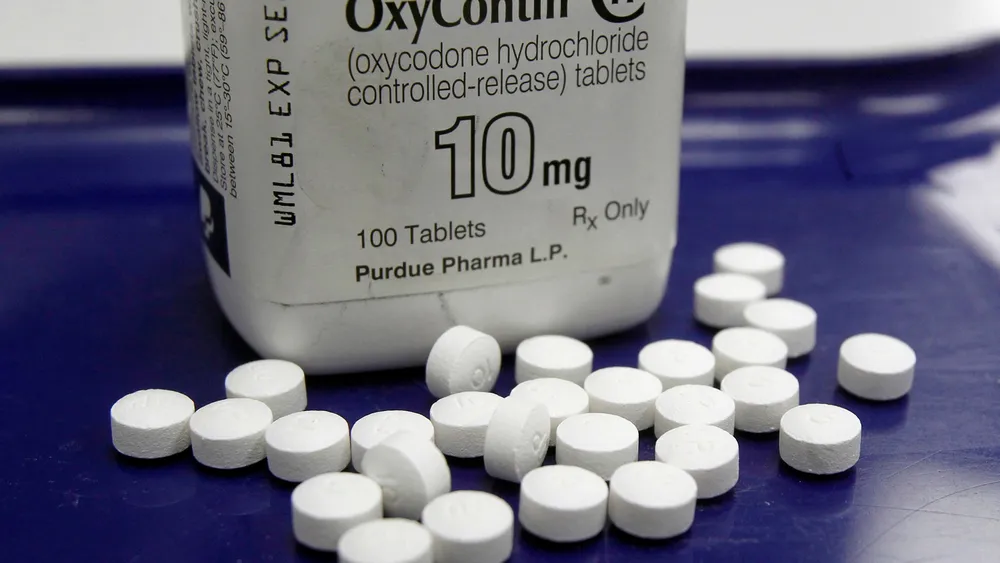
Table of Contents
Package leaflet: Information for the user
OxyContin, 5 mg, prolonged-release tablets
OxyContin, 10 mg, prolonged-release tablets
OxyContin, 20 mg, prolonged-release tablets
OxyContin, 40 mg, prolonged-release tablets
OxyContin, 80 mg, prolonged-release tablets
Oxycodone hydrochloride
Please read all of this leaflet carefully before taking this medicine, because it contains
important information for the patient.
- Keep this leaflet so that you can read it again if necessary.
- If you have any doubts, please consult your doctor or pharmacist.
- This medicine has been prescribed for a specific individual. Do not pass it on to others. This medicine may harm someone else, even if their symptoms are the same.
- If the patient experiences any adverse effects, inform the doctor or pharmacist. This includes any adverse effects not listed in this leaflet. See section 4.
Contents of the leaflet:
- What OxyContin is and what it is used for
- What you need to know before taking OxyContin
- How to take OxyContin
- Possible side effects
- How to store OxyContin
- Contents of the pack and other information
1. What OxyContin is and what it is used for
OxyContin is a strong painkiller belonging to the group of opioids.
OxyContin is used in adults and adolescents aged 12 years and older for the treatment of severe pain which can only be adequately managed by opioid analgesics.
2. Important information before taking OxyContin
When not to take OxyContin
- if the patient has a known allergy (hypersensitivity) to oxycodone hydrochloride or any of the other ingredients of OxyContin (full list see section 6);
- if the patient suffers from severe, chronic lung disease associated with airway obstruction (severe, chronic obstructive pulmonary disease, also known as COPD);
- if the patient has been diagnosed with cor pulmonale (a heart condition caused by chronic lung disease);
- if the patient suffers from severe asthma;
- if the patient has serious respiratory problems, e.g. shallow and slowed breathing (severe respiratory depression);
- if the patient’s intestines are not functioning properly (intestinal paralysis, also known as paralytic ileus).
Tell your doctor or pharmacist before taking OxyContin if the patient:
- has pancreatitis (which may cause severe abdominal and back pain), a problem with the gallbladder or bile ducts;
- has abdominal pain or discomfort resembling colic.
Warnings and precautions
Talk to your doctor or pharmacist before starting treatment with OxyContin.
When to exercise special caution when taking OxyContin
- in elderly or debilitated patients;
- in patients with severe lung diseases;
- in patients with kidney or liver disease;
- in patients with hypothyroidism presenting with dry, cold, swollen and thickened skin of the face ("puffy face"), hands and feet;
- in patients with insufficient thyroid hormone production;
- in patients with Addison’s disease;
- in patients experiencing difficulty urinating due to an enlarged prostate gland;
- in patients diagnosed with a mental disorder caused by alcohol or other substance intoxication;
- in patients who abuse or are dependent on alcohol;
- in patients experiencing withdrawal symptoms related to alcohol or drugs;
- in patients currently or previously dependent on opioids;
- in patients with gallbladder problems, gallstones or bile duct issues;
- in patients with pancreatitis causing severe abdominal and back pain;
- in patients with obstructive or inflammatory bowel disease;
- in patients suspected of intestinal paralysis;
- in patients with severe headaches or nausea, which may indicate increased intracranial pressure;
- in patients with blood pressure problems;
- in patients with epilepsy or a tendency to seizures;
- during treatment with MAO inhibitors used for depression, or if the patient has taken an MAO inhibitor within the last 2 weeks (such as tranylcypromine, phenelzine, isocarboxazid, moclobemide, or linezolid);
- in patients suffering from constipation.
Sleep-related breathing disorders
OxyContin may cause sleep-related breathing disorders such as sleep apnoea (pauses in breathing during sleep) and nocturnal hypoxemia (low blood oxygen levels during sleep).
Symptoms may include pauses in breathing during sleep, waking up at night due to breathlessness, difficulty maintaining sleep, or excessive daytime sleepiness. If the patient or someone else notices these symptoms, contact a doctor. The doctor may consider reducing the dose.
Inform your doctor if any of the above apply to the patient.
The main risk associated with opioid overdose is shallow and slowed breathing (respiratory depression). This occurs most frequently in elderly or debilitated patients. It may also cause reduced blood oxygen levels, which could lead, for example, to fainting.
OxyContin 80 mg prolonged-release tablets
OxyContin 80 mg prolonged-release tablets must not be used in patients who have not previously been treated with opioids. Such a high dose may cause shallow and slowed breathing (respiratory depression) in these patients.
OxyContin has been formulated so that the active substance is slowly released from the tablet over 12 hours. If the tablet is broken, split, crushed, or chewed, a larger amount of the drug will be released, which may be life-threatening.
During long-term use of OxyContin, the patient may develop tolerance to the drug and may require gradually increasing doses of OxyContin to maintain adequate pain control. Do not increase the dose independently without consulting your doctor.
Opioids are not first-line treatment for non-cancer-related pain and are not recommended as sole therapy. In the treatment of chronic pain, other medications should be used alongside opioids. The doctor should closely monitor the patient’s condition and adjust the dose appropriately during OxyContin treatment to prevent dependence and abuse.
Prolonged use of OxyContin may lead to physical dependence. If treatment is abruptly stopped, symptoms such as yawning, unusual pupil dilation, tearing, runny nose, tremors (chills), sweating, restlessness, seizures, difficulty falling asleep, and muscle pain may occur. When continued treatment with OxyContin is no longer necessary, gradual dose reduction is recommended to prevent these symptoms.
Tolerance, dependence, and addiction
This medicine contains oxycodone, which is an opioid. It may cause dependence and
(or) addiction.
This medicine contains oxycodone, an opioid analgesic. Repeated use of opioid painkillers may lead to reduced effectiveness (the patient’s body becomes accustomed to the drug, known as tolerance). Repeated use of OxyContin may lead to physical dependence, abuse, and addiction, which may result in life-threatening overdose. The risk of these adverse effects may be greater when higher doses are used over a prolonged period.
Dependence or abuse may cause the patient to feel they have lost control over the dose or frequency of drug intake. The patient may feel compelled to continue taking the medicine, even if it no longer helps relieve pain.
The risk of drug dependence or addiction varies among individuals. The risk of dependence on OxyContin may be higher if:
- the patient or a family member has ever abused or been dependent on alcohol, prescription drugs, or illegal substances (“addiction”);
- the patient smokes cigarettes;
- the patient has ever had mood disorders (depression, anxiety, or personality disorders) or has been treated by a psychiatrist for other mental health conditions.
If, during treatment with OxyContin, the patient notices any of the following symptoms, it may indicate developing tolerance or dependence:
- The patient needs to take the medicine longer than prescribed by the doctor.
- The patient needs to take a higher dose than recommended.
- The patient uses the medicine for reasons other than those prescribed by the doctor, e.g., “to stay calm” or “to help sleep”.
- The patient has made repeated unsuccessful attempts to stop or control use of the medicine.
- The patient feels unwell after stopping the medicine and feels better after resuming it (“withdrawal effects”).
If the patient observes any of these symptoms, they should contact their doctor to discuss the best treatment plan, including the appropriate timing and safe method of discontinuing treatment (see section 3 “Stopping treatment with OxyContin”).
The active substance in this medicine, oxycodone hydrochloride, may be abused and lead to addiction, similar to other strong opioids used for pain treatment. Extreme caution is required when treating patients who currently or previously have abused alcohol or drugs.
Contact your doctor if the patient experiences severe upper abdominal pain radiating to the back, nausea, vomiting, or fever, as these may be symptoms of pancreatitis or bile duct disorders.
The patient may experience increasing sensitivity to pain despite taking higher doses of the medicine (hyperalgesia). Only a doctor can decide whether a dose adjustment or change to another strong analgesic is necessary.
OxyContin must be taken orally only (swallowing whole tablets). Tablets must not be dissolved or injected. Doing so may have serious, potentially fatal consequences.
If the patient is scheduled for surgery, inform the doctor about OxyContin use.
Like other opioids, oxycodone may affect normal hormone production in the body, such as cortisol or sex hormones, particularly if high doses have been taken for a prolonged period.
Tablet remnants may be visible in the stool. This is not a cause for concern, as the active substance, oxycodone hydrochloride, has already been released and started acting in the body while passing through the stomach and intestines.
Use of OxyContin may result in positive doping control tests. Using OxyContin as a doping agent may pose a health risk.
OxyContin and other medicines
Concomitant use of opioids (including oxycodone) and sedative medicines such as benzodiazepines or similar drugs increases the risk of drowsiness, breathing difficulties (respiratory depression), coma, and may even be life-threatening. Therefore, combined use of these medicines should only be considered when other treatment options are not feasible.
If your doctor prescribes OxyContin together with sedative medicines, they should limit the dose and duration of combination therapy.
Inform your doctor about all sedative medicines being taken and strictly follow the doctor’s dosing instructions. It may be helpful to inform family members or friends so they are aware of the possibility of the above-mentioned symptoms. If any symptoms occur, contact your doctor.
Tell your doctor about all medicines currently or recently taken, as well as any medicines the patient plans to take.
Adverse effects caused by OxyContin may be more frequent and severe when OxyContin is used together with medicines affecting brain function, used to treat allergy symptoms, motion sickness, or nausea. Examples of such adverse effects include shallow and slowed breathing (respiratory depression), constipation, dry mouth, or difficulty urinating.
The risk of adverse effects increases if the patient takes antidepressants (such as citalopram, duloxetine, escitalopram, fluoxetine, fluvoxamine, paroxetine, sertraline, venlafaxine). These medicines may interact with oxycodone, causing symptoms such as involuntary rhythmic muscle contractions (including eye movement control muscles), agitation, excessive sweating, tremor, increased reflexes, increased muscle tone, and body temperature rising above 38°C. Contact your doctor if any of these symptoms occur.
Tell your doctor, pharmacist, or nurse if the patient is taking:
- sleeping pills, sedatives, or tranquilizers (including benzodiazepines);
- antidepressants (e.g. paroxetine, amitriptyline), including monoamine oxidase inhibitors (MAOIs) such as tranylcypromine, phenelzine, isocarboxazid, moclobemide, and linezolid;
- medicines for allergies, motion sickness, or nausea (antihistamines, antiemetics);
- medicines used to treat mental disorders (such as antipsychotics, phenothiazine derivatives, neuroleptics);
- medicines known as muscle relaxants, used to relieve muscle spasms (e.g. tizanidine);
- medicines used in Parkinson’s disease therapy;
- other strong painkillers;
- cimetidine (used to treat peptic ulcer, indigestion, and heartburn);
- antifungal medicines (such as ketoconazole, voriconazole, itraconazole, or posaconazole);
- medicines used to treat bacterial infections (such as clarithromycin, erythromycin, or telithromycin);
- specific groups of medicines known as protease inhibitors, used in treating HIV infection (including boceprevir, ritonavir, indinavir, nelfinavir, or saquinavir);
- rifampicin used to treat tuberculosis;
- carbamazepine (used to treat seizures, convulsions, and certain pain conditions);
- phenytoin (used to treat seizures or convulsions);
- the herbal medicine St. John’s wort (also known as Hypericum perforatum);
- quinidine (used to treat irregular heartbeat);
- medicines known as coumarins, used to prevent blood clotting or assist in blood coagulation (such as phenprocoumon).
OxyContin and alcohol consumption
Drinking alcohol while taking OxyContin may increase the risk of serious adverse effects of oxycodone, such as drowsiness and increased risk of respiratory depression, potentially leading to complete respiratory arrest and loss of consciousness. Do not drink alcohol while taking OxyContin.
Avoid drinking grapefruit juice while taking OxyContin.
Pregnancy and breastfeeding
If the patient is pregnant or breastfeeding, suspects she may be pregnant, or plans to become pregnant, she should consult a doctor or pharmacist before using this medicine.
Pregnancy
OxyContin should not be used during pregnancy.
There are insufficient data on the use of oxycodone hydrochloride in pregnant women. Long-term use of OxyContin during pregnancy may cause neonatal withdrawal symptoms. Use of oxycodone hydrochloride during childbirth may cause shallow breathing and slowed respiration (respiratory depression) in the newborn.
Breastfeeding
OxyContin should not be used during breastfeeding, as oxycodone may pass into human milk and may cause sedation and respiratory depression (shallow and slowed breathing) in the breastfed infant.
Driving and operating machinery
Taking OxyContin may impair the ability to drive or operate machinery. This is particularly relevant during the initial phase of treatment with OxyContin, after dose increases, when switching to another similar medicine, or when OxyContin is taken together with other medicines affecting brain function.
A general ban on driving may not apply to patients on stable treatment. The decision in each individual case is made by the doctor, after considering the specific circumstances. Consult your doctor regarding the possibility and any conditions for driving or operating machinery.
OxyContin contains lactose
If the patient has previously been diagnosed with intolerance to certain sugars, they should contact their doctor before taking OxyContin.
3. How to take OxyContin
This medicine should always be taken exactly as prescribed by your doctor. If you have any doubts, you should contact your doctor or pharmacist again.
Before starting treatment and regularly during treatment, your doctor will discuss with you what to expect from taking OxyContin, when and for how long you should take it, when to contact your doctor, and when to stop taking it (see also "Stopping OxyContin").
Dosage
Your doctor will determine how much OxyContin you should take and decide how to divide the total daily dose. The dose should be appropriately adjusted according to the intensity of pain and the patient's sensitivity. Under no circumstances should you change the dose without consulting your doctor.
The lowest effective dose sufficient to relieve pain should be given to the patient.
If the patient has previously been treated with opioids, your doctor may start treatment with higher doses.
Gradual dose escalation may be necessary if pain relief is inadequate or if pain intensity increases.
Contact your doctor if breakthrough pain occurs periodically despite proper treatment of chronic pain. Your doctor may prescribe additional painkillers to relieve breakthrough pain (an immediate-release painkiller) or adjust the dose of OxyContin extended-release tablets.
Do not use OxyContin extended-release tablets on your own to treat breakthrough pain.
Adults and adolescents (aged 12 years and older)
OxyContin is available in strengths of 5 mg, 10 mg, 20 mg, 40 mg, and 80 mg.
The usual starting dose is 10 mg of oxycodone hydrochloride taken every 12 hours.
In some cases, your doctor may prescribe a starting dose of 5 mg to reduce the risk of adverse effects that may occur. Your doctor will prescribe the dose required to treat your pain.
If you still experience pain while taking these tablets, talk to your doctor.
For the treatment of non-cancer pain, a daily dose of 40 mg of oxycodone hydrochloride is generally sufficient (4 OxyContin extended-release tablets of 10 mg or 2 OxyContin extended-release tablets of 20 mg, divided into two single doses); however, higher doses may be necessary. Patients with cancer pain usually require doses of 80 to 120 mg of the active substance oxycodone hydrochloride; in exceptional cases, the dose may be increased up to a maximum of 400 mg.
Some patients receiving OxyContin on a regular dosing schedule may require additional immediate-release painkillers to manage breakthrough pain. OxyContin extended-release tablets are not intended for the treatment of breakthrough pain.
Children under 12 years of age
The safety and efficacy of OxyContin have not been sufficiently studied in children under 12 years of age. Therefore, OxyContin is not recommended for use in children under 12 years of age.
Elderly patients
In elderly patients without impaired liver or kidney function, dose adjustment is usually not necessary.
Patients with impaired liver or kidney function
Patients with impaired liver and/or kidney function who have not previously received opioids should initially take half the recommended starting dose for adults.
Other patients at higher risk
Patients with low body weight and patients who metabolize drugs more slowly should initially take half the recommended starting dose for adults.
Method of administration
For oral use
Extended-release tablets must be swallowed whole, with sufficient liquid (half a glass of water), in the morning and evening, always at the same times (e.g., at 8:00 a.m. and 8:00 p.m.). OxyContin can be taken with or without food.
Extended-release tablets must be swallowed whole to avoid damaging the system responsible for prolonged release of the active substance. Do not break, split, chew, or crush the extended-release tablets.
Duration of treatment
The duration of treatment with OxyContin is determined by your doctor.
Do not stop taking OxyContin on your own without consulting your doctor (see: Stopping OxyContin).
If OxyContin is taken for a prolonged period, carefully monitor your body's reactions and discuss them with your doctor. This is necessary to ensure optimal pain management, to promptly address any adverse effects that may occur, and to evaluate whether the dose should be changed or whether treatment should be continued.
Contact your doctor or pharmacist if you suspect that the effect of OxyContin is too strong or too weak.
Taking more than the recommended dose of OxyContin or accidental ingestion
If you take more extended-release tablets than prescribed, or if someone else accidentally takes OxyContin, contact your doctor immediately.
Overdose may result in the following symptoms:
- constricted pupils,
- shallow and slowed breathing (respiratory depression),
- drowsiness progressing to stupor,
- decreased skeletal muscle tone,
- slowed heart rate,
- low blood pressure,
- brain disorders (known as toxic leukoencephalopathy).
Loss of consciousness (coma), pulmonary edema, and circulatory arrest may occur in severe cases and can lead to death.
You must absolutely avoid situations requiring high concentration, such as driving a car.
Missed dose of OxyContin
Taking a lower than prescribed dose of OxyContin or missing a dose may result in inadequate pain relief.
If you miss a dose, you may take it later, provided that the next scheduled dose is due more than 8 hours later.
If the next scheduled dose is due sooner, take the missed dose and delay the next dose by 8 hours.
Then continue taking the medicine according to your regular dosing schedule.
In general, do not take OxyContin more often than every 8 hours.
If you have any doubts, consult your doctor or pharmacist.
Never take a double dose to make up for a missed dose.
Stopping OxyContin
Do not stop taking OxyContin without consulting your doctor.
Stopping OxyContin may cause withdrawal symptoms (e.g., yawning, dilated pupils, tearing, runny nose, tremors (chills), sweating, anxiety, restlessness, seizures, difficulty sleeping, muscle pain). Therefore, your doctor should gradually reduce the dose.
If you have any questions about using this medicine, consult your doctor or pharmacist.
4. Possible adverse effects
Like all medicines, this medicine can cause adverse effects, although not everyone experiences them.
As with other strong opioid analgesics, there is a risk of physical or
psychological dependence on this medicine.
Important adverse effects or symptoms to be aware of and actions to take if they occur:
If any of the following serious adverse effects occur in a patient, contact the nearest available doctor immediately.
- Sudden breathing difficulties, eyelid, facial or lip swelling, rash or itching – particularly if widespread – are signs of allergic reactions,
- Shallow and slowed breathing occurs most frequently in elderly or debilitated patients, and may also result from administration of too high a dose of the medicine,
- Low blood pressure – may cause dizziness and may lead to fainting,
- Constricted pupils, bronchial muscle spasms (causing shortness of breath), and suppression of the cough reflex.
Other possible adverse effects
Very common (affects more than 1 in 10 patients):
- Constipation – can be prevented by a high-fibre diet and drinking plenty of fluids
- Vomiting, nausea – particularly at the beginning of therapy; your doctor may prescribe medication to prevent these symptoms
- Drowsiness greater than usual (up to excessive sedation), dizziness, headache
Common (affects 1 in 10 patients):
- Abdominal pain, diarrhoea, dry mouth, hiccups, indigestion
- Decreased appetite up to complete loss of appetite
- Anxiety, confusion, depression, reduced activity, restlessness, excessive motor activity, nervousness, difficulty sleeping, abnormal thinking
- Tremor (shaking), lethargy
- Skin reactions and/or rashes, sweating
- Painful urination, increased urge to urinate
- Feeling of weakness, fatigue
Uncommon (affects 1 in 100 patients):
- Withdrawal symptoms, feeling that increasingly higher doses of OxyContin are needed to achieve the same level of pain control (tolerance)
- Injuries due to accidents
- Allergic reactions
- Dehydration
- Motor agitation, mood swings, feeling of euphoria, cognitive disturbances (e.g. hallucinations, feelings of unreality, detachment from surroundings)
- Reduced sexual drive
- Seizures (particularly in patients with epilepsy or seizure tendency)
- Memory loss, concentration difficulties, migraine
- Increased muscle tension, involuntary muscle contractions, reduced sensitivity to pain and touch, coordination disturbances
- Speech disturbances, tingling or prickling sensations, altered taste
- Blurred vision
- Hearing disturbances, dizziness or sensation of spinning
- Rapid heartbeat, palpitations
- Skin redness
- Voice changes (hoarseness), cough
- Mouth ulcers, inflammation of the mouth
- Flatulence, belching, intestinal paralysis (intestinal obstruction)
- Worsening of liver function parameters (visible in blood test results)
- Dry skin
- Inability to completely empty the bladder
- Impotence, decreased sex hormone levels
- Chills
- Pain (e.g. chest pain), general discomfort
- Swelling of hands, ankles and feet, thirst
Rare (affects 1 in 1,000 patients):
- Feeling of weakness, particularly when standing up
- Dark, tarry stools, dental changes, bleeding gums
- Infections such as ulcers or herpes (which may cause blisters around the mouth or genital area)
- Increased appetite
- Itchy rash (urticaria)
- Weight gain, weight loss
Unknown frequency (cannot be estimated from available data):
- Aggressive behaviour
- Increased sensitivity to pain
- Sleep apnoea (breathing pauses during sleep)
- Dental caries
- Abdominal pain due to colic, problems with bile flow
- Absence of menstruation
- Neonatal withdrawal syndrome in newborns whose mothers used OxyContin during pregnancy
- A problem affecting the valve in the intestine, which may cause severe upper abdominal pain (Oddi sphincter dysfunction).
Reporting of adverse effects
If any adverse effects occur, including those not listed in this leaflet, inform your doctor, pharmacist or nurse. Adverse effects can be reported directly to:
Department of Monitoring of Adverse Drug Reactions, Office for Registration of Medicinal Products, Medical Devices and Biocidal Products
Al. Jerozolimskie 181C, PL-02-222 Warsaw, Tel.: +48 22 49 21 301, Fax: +48 22 49 21 309,
Website: https://smz.ezdrowie.gov.pl
Adverse effects can also be reported to the marketing authorisation holder.
Reporting adverse effects helps provide more information on the safety of this medicine.
5. How to store OxyContin
Keep this medicine out of the sight and reach of children. This medicine should be stored
in a closed and secure place to which others do not have access. It may be highly harmful and
can cause death in a person for whom it has not been prescribed.
Do not use this medicine after the expiry date stated on the blister and carton after the word "EXP".
The expiry date refers to the last day of the specified month.
OxyContin 5 mg prolonged-release tablets
Do not store above 30°C.
OxyContin 10 mg prolonged-release tablets
OxyContin 20 mg prolonged-release tablets
OxyContin 40 mg prolonged-release tablets
OxyContin 80 mg prolonged-release tablets
No special storage instructions apply.
Medicines should not be disposed of via wastewater or household waste. Ask your pharmacist
how to dispose of medicines no longer required. Such measures will help protect the environment.
6. Contents of the pack and other information
What OxyContin contains
OxyContin 5 mg prolonged-release tablets
The active substance is oxycodone hydrochloride. One prolonged-release tablet contains 5 mg of oxycodone hydrochloride, equivalent to 4.5 mg of oxycodone.
OxyContin 10 mg prolonged-release tablets
The active substance is oxycodone hydrochloride. One prolonged-release tablet contains 10 mg of oxycodone hydrochloride, equivalent to 9 mg of oxycodone.
OxyContin 20 mg prolonged-release tablets
The active substance is oxycodone hydrochloride. One prolonged-release tablet contains 20 mg of oxycodone hydrochloride, equivalent to 17.9 mg of oxycodone.
OxyContin 40 mg prolonged-release tablets
The active substance is oxycodone hydrochloride. One prolonged-release tablet contains 40 mg of oxycodone hydrochloride, equivalent to 35.9 mg of oxycodone.
OxyContin 80 mg prolonged-release tablets
The active substance is oxycodone hydrochloride. One prolonged-release tablet contains 80 mg of oxycodone hydrochloride, equivalent to 71.7 mg of oxycodone.
The other ingredients are:
Tablet core:
Monohydrate lactose, Povidone K30, ammonium methacrylate copolymer (type B) (Eudragit RS30D), triacetin, stearyl alcohol, talc, magnesium stearate
OxyContin 5 mg prolonged-release tablets
Tablet coating:
Hypromellose (E464), polyethylene glycol 400, titanium dioxide (E171), brilliant blue (E133).
OxyContin 10 mg prolonged-release tablets
Tablet coating:
Hypromellose (E464), hydroxypropylcellulose, polyethylene glycol 400, titanium dioxide (E171).
OxyContin 20 mg prolonged-release tablets
Tablet coating:
Hypromellose (E464), polyethylene glycol 400, polysorbate 80, titanium dioxide (E171), red iron oxide (E172).
OxyContin 40 mg prolonged-release tablets
Tablet coating:
Hypromellose (E464), polyethylene glycol 400, polysorbate 80, titanium dioxide (E171), yellow iron oxide (E172).
OxyContin 80 mg prolonged-release tablets
Tablet coating:
Hypromellose (E464), hyprolose, polyethylene glycol 400, titanium dioxide (E171), yellow iron oxide (E172), indigotine (E132).
What OxyContin looks like and contents of the pack
OxyContin 5 mg prolonged-release tablets
What OxyContin 5 mg looks like and pack contents
OxyContin 5 mg prolonged-release tablets are round, without a break line, light blue, approximately 7 mm in diameter, convex prolonged-release tablets marked with "OC" and "5".
OxyContin 5 mg is available in packs of 30 and 60 prolonged-release tablets.
OxyContin 10 mg prolonged-release tablets
What OxyContin 10 mg looks like and pack contents
OxyContin 10 mg prolonged-release tablets are round, without a break line, white, approximately 7 mm in diameter, convex prolonged-release tablets marked with "OC" and "10".
OxyContin 10 mg is available in packs of 30 and 60 prolonged-release tablets.
OxyContin 20 mg prolonged-release tablets
What OxyContin 20 mg looks like and pack contents
OxyContin 20 mg prolonged-release tablets are round, without a break line, pink, approximately 7 mm in diameter, convex prolonged-release tablets marked with "OC" and "20".
OxyContin 20 mg is available in packs of 30 and 60 prolonged-release tablets.
OxyContin 40 mg prolonged-release tablets
What OxyContin 40 mg looks like and pack contents
OxyContin 40 mg prolonged-release tablets are round, without a break line, yellow, approximately 7 mm in diameter, convex prolonged-release tablets marked with "OC" and "40".
OxyContin 40 mg is available in packs of 30 and 60 prolonged-release tablets.
OxyContin 80 mg prolonged-release tablets
What OxyContin looks like and pack contents
OxyContin 80 mg prolonged-release tablets are round, without a break line, green, approximately 9 mm in diameter, convex prolonged-release tablets marked with "OC" and "80".
OxyContin 80 mg is available in packs of 30 and 60 prolonged-release tablets.
Marketing Authorisation Holder
Mundipharma A/S
Frydenlundsvej 30
2950 Vedbæk, Denmark
Manufacturer
Fidelio Healthcare Limburg GmbH
Mundipharma Strasse 2
65549 Limburg, Germany
Mundipharma DC B.V.
Leusderend 16
3832 RC Leusden, Netherlands
Synergy Health Utrecht B.V.
Reactorweg 47 A
Utrecht 3542AD, Netherlands
For further information about this medicine, contact the representative of the Marketing Authorisation Holder: Mundipharma Polska Sp. z o.o., ul. Międzyborska 11B lok.104, 04-041 Warsaw, tel. +48 22 3824850.
This medicine is authorised for marketing in the European Economic Area under the following names:
Germany: Oxycodon-HCl Krugmann
Poland: OxyContin
Croatia: OxyContin 10/20/40/80 mg