Oxycodone stada
PolandTable of Contents
Patient Information Leaflet
Oxycodon Stada 5 mg capsules, hard
Oxycodon Stada 10 mg capsules, hard
Oxycodon Stada 20 mg capsules, hard
For use in adults and adolescents over 12 years of age.
Oxycodoni hydrochloridum
Please read all of this leaflet carefully before taking this medicine, because it contains
important information for the patient.
- Keep this leaflet, as you may need to read it again.
- If you have any questions, please consult your doctor or pharmacist.
- This medicine has been prescribed for a specific individual. Do not pass it on to others. It may harm someone else even if their symptoms are the same.
- If the patient experiences any adverse reactions, including any not listed in this leaflet, inform a doctor or pharmacist. See section 4.
Contents of the leaflet
- What Oxycodon Stada is and what it is used for
- What you need to know before taking Oxycodon Stada
- How to take Oxycodon Stada
- Possible side effects
- How to store Oxycodon Stada
- Contents of the pack and other information
1. What Oxycodon Stada is and what it is used for
Oxycodon Stada is a centrally-acting strong analgesic belonging to the opioid group.
Oxycodon Stada is used to treat severe pain which can only be properly managed
by using opioid analgesics.
For use in adults and adolescents over 12 years of age.
2. Important information before using Oxycodon Stada
When not to take Oxycodon Stada
- if the patient is allergic to oxycodone hydrochloride or any of the other ingredients of this medicine (listed in section 6);
- if the patient has severe breathing problems (respiratory depression) with too little oxygen in the blood (hypoxia) and/or too much carbon dioxide in the blood (hypercapnia);
- if the patient has chronic obstructive pulmonary disease, cor pulmonale (heart changes caused by long-term strain on the pulmonary circulation), or acute severe asthma;
- if the patient has intestinal paralysis (paralytic ileus);
- if the doctor has advised against taking a strong painkiller (opioid).
Warnings and precautions
Before starting Oxycodon Stada, discuss this with your doctor or pharmacist.
- if the patient is elderly or weakened;
- if the patient has severe impairment of lung, liver, or kidney function;
- if the patient has myxedema (certain thyroid disorders) or other thyroid dysfunction;
- if the patient has adrenal insufficiency (Addison's disease);
- if the patient has an enlarged prostate (prostate gland enlargement);
- if the patient has pancreatitis;
- in conditions with increased intracranial pressure, such as head injury;
- if the patient has circulatory regulation disorders;
- if the patient has biliary or ureteric colic;
- if the patient has low blood pressure or reduced blood volume;
- if the patient has epilepsy or a tendency to seizures;
- if the patient is taking MAO inhibitors (used to treat depression);
- if the patient has recently undergone intestinal surgery or abdominal surgery;
- if the patient has obstructive or inflammatory bowel disease.
Consult a doctor if any of these conditions apply or have previously applied to the patient.
Tolerance, dependence, and abuse
Oxycodon Stada has inherent abuse potential. With prolonged use, tolerance to its effects may develop, and gradually increasing doses may be required to maintain adequate pain control.
Long-term use of Oxycodon Stada may lead to physical dependence, and withdrawal symptoms may occur if treatment is abruptly stopped. When continued therapy with Oxycodon Stada is no longer required, gradual dose reduction may be indicated to avoid withdrawal symptoms.
This medicine contains oxycodone, which is an opioid. Repeated use of opioid painkillers may lead to reduced effectiveness of the medicine (the patient's body becomes accustomed to it, known as tolerance). Repeated use of Oxycodon Stada may lead to dependence, abuse, and addiction, which may result in life-threatening overdose. The risk of these adverse effects may be greater when higher doses are used for longer periods.
Dependence or addiction may cause the patient to lose control over how much medicine should be taken or how often it should be taken. The patient may feel a need to take the medicine even if it no longer relieves pain.
The risk of developing dependence or addiction varies among individuals. The risk of addiction or abuse of Oxycodon Stada may be higher if:
- the patient or someone in their family has ever abused or been dependent on alcohol, prescription medicines, or drugs (addiction);
- the patient is a smoker;
- the patient has ever had mood disorders (depression, anxiety, or personality disorder) or has been treated by a psychiatrist for other mental health conditions.
If the patient notices any of the following symptoms while taking Oxycodon Stada, this may indicate that dependence or addiction is developing:
- need to take the medicine longer than prescribed by the doctor;
- need to take a higher dose than recommended;
- using the medicine for reasons other than prescribed, e.g., "to calm down" or "to help fall asleep";
- repeated unsuccessful attempts to stop or reduce medicine use;
- feeling unwell after stopping the medicine and improvement after restarting it ("withdrawal effect"). If the patient observes any of these symptoms, they should contact their doctor to discuss the best treatment plan, including the appropriate timing and safe way to discontinue treatment (see section 3 "Stopping Oxycodon Stada").
Rarely, increased sensitivity to pain may develop, which cannot be relieved by increasing the dose of the medicine. In such cases, the doctor may reduce the dose or switch to an alternative opioid treatment.
Oxycodon Stada is not recommended before surgery or within 24 hours after surgery.
Under no circumstances should the capsule contents be injected, as this may lead to serious adverse effects, which may be fatal.
Hormonal changes may occur during treatment with these capsules. The doctor may wish to monitor these changes.
Doping-related abuse
Use of Oxycodon Stada may result in positive anti-doping test results.
Using Oxycodon Stada as a doping agent may pose a health risk.
Sleep-related breathing disorders
Oxycodon Stada may cause sleep-related breathing disorders, such as sleep apnea (pauses in breathing during sleep) and nocturnal hypoxemia (low oxygen levels in the blood during sleep). Symptoms may include breathing pauses during sleep, nighttime awakening due to breathlessness, difficulty maintaining sleep, or excessive daytime sleepiness. If the patient or someone else notices such symptoms, contact the doctor. The doctor may consider reducing the dose.
Children
The safety and efficacy of Oxycodon Stada in children under 12 years of age have not been established. Therefore, Oxycodon Stada is not recommended for children under 12 years of age.
Oxycodon Stada and other medicines
Tell your doctor or pharmacist about all medicines the patient is currently taking, has recently taken, or plans to take.
- Medicines that reduce central nervous system activity, such as sleep aids or medicines used to treat anxiety (sedatives, hypnotics); other medicines acting on the nervous system (phenothiazines, neuroleptics); medicines used to treat depression; muscle relaxants; medicines used to treat allergies or nausea (antihistamines, antiemetics); other opioids or alcohol may enhance the adverse effects of oxycodone, particularly respiratory depression.
Concomitant use of Oxycodon Stada and sedatives such as benzodiazepines or similar medicines increases the risk of drowsiness, breathing difficulties (respiratory depression), coma, and may be life-threatening. Therefore, concomitant use should only be considered when other treatment options are not possible.
If the doctor has prescribed Oxycodon Stada together with sedatives, the dose and duration of concurrent treatment should be minimized.
Inform the doctor about all sedative medicines being taken and strictly follow dosing instructions. It may be helpful to inform friends or family members about the above symptoms. If such symptoms occur, contact the doctor immediately.
- Anticholinergic medicines, e.g., other medicines acting on parasympathetic and cholinergic nerve fibers in the central nervous system (psychotropic medicines); medicines used to treat allergies (antihistamines) or nausea (antiemetics); medicines used to treat Parkinson's disease may enhance the adverse effects of oxycodone (e.g., constipation, dry mouth, or urinary disorders).
- Macrolide antibiotics (e.g., clarithromycin, erythromycin, telithromycin), certain antifungal medicines (e.g., ketoconazole, voriconazole, itraconazole, posaconazole), and antiviral medicines (e.g., boceprevir, ritonavir, indinavir, nelfinavir, saquinavir) may enhance the effect of oxycodone, so dose adjustment may be necessary if the patient is taking these medicines.
- Cimetidine (used to treat heartburn), paroxetine (used to treat depression), and quinidine (used to treat heart conditions) may inhibit oxycodone metabolism, thereby enhancing its effect.
- Certain antiepileptic medicines (carbamazepine, phenytoin), rifampicin (used to treat tuberculosis), and herbal medicines containing St. John's wort (Hypericum perforatum) may reduce the effect of oxycodone.
- Certain medicines used to treat depression (monoamine oxidase inhibitors) may enhance the adverse effects of oxycodone (e.g., agitation, decreased or increased blood pressure).
- Clinically significant increases or decreases in blood coagulation have been observed in patients when anticoagulant medicines (coumarins) are taken simultaneously with oxycodone hydrochloride.
The risk of adverse effects increases if the patient is taking antidepressants (such as citalopram, duloxetine, escitalopram, fluoxetine, fluvoxamine, paroxetine, sertraline, venlafaxine). These medicines may interact with oxycodone, causing the following symptoms in the patient: involuntary rhythmic muscle contractions, including muscles controlling eye movements, agitation, excessive sweating, tremor, increased reflexes, increased muscle stiffness, and body temperature above 38°C. If any of these symptoms occur, contact the doctor immediately.
Oxycodon Stada with food, drinks, and alcohol
Drinking alcohol while taking Oxycodon Stada may cause drowsiness or increase the risk of serious adverse effects, such as shallow breathing with risk of respiratory arrest and loss of consciousness. Alcohol consumption is not recommended during treatment with Oxycodon Stada.
Grapefruit juice may inhibit oxycodone metabolism, thereby enhancing its effect. Therefore, the patient should avoid drinking grapefruit juice while taking Oxycodon Stada.
Pregnancy and breastfeeding
If the patient is pregnant or breastfeeding, suspects she may be pregnant, or plans to become pregnant, she should consult a doctor or pharmacist before using this medicine.
Pregnancy
Oxycodon Stada should not be used during pregnancy unless absolutely necessary. Limited data are available on oxycodone use in pregnant women. Oxycodone crosses the placenta into the fetal circulation.
Long-term use of oxycodone during pregnancy may cause withdrawal symptoms in newborns. Use of oxycodone during childbirth may cause breathing problems (respiratory depression) in the newborn.
Breastfeeding
Breastfeeding must be discontinued during treatment with Oxycodon Stada. Oxycodone passes into breast milk and may affect the breastfed infant, especially after repeated doses.
Driving and operating machinery
Oxycodone impairs alertness and reaction ability to such an extent that the ability to drive or operate machinery may be impaired or completely inhibited. In patients on established therapy, a complete ban on driving or operating machinery may not be necessary. The treating doctor must assess individual cases. Discuss with the doctor whether and under what conditions the patient may drive or operate machinery.
Oxycodon Stada contains sodium
This medicine contains less than 1 mmol of sodium (23 mg) per capsule, i.e., it is considered "sodium-free."
3. How to take Oxycodon Stada
This medicine should always be taken exactly as prescribed by the doctor. In case of doubt, consult
your doctor or pharmacist.
Before starting treatment and regularly during treatment, your doctor will discuss with you what to
expect from taking Oxycodon Stada, when and for how long you should take it, when to contact your
doctor, and when you should stop taking it (see also "Stopping Oxycodon Stada").
Adults and adolescents over 12 years of age
The usual starting dose is 5 mg of oxycodone hydrochloride every 6 hours. However, your doctor
will prescribe the appropriate dose and determine the required frequency of administration to treat
your pain.
If you continue to experience pain while taking this medicine, discuss it with your doctor.
Adults with impaired kidney or liver function
The usual starting dose is half the recommended dose for adults. Your doctor will prescribe the
appropriate dose depending on your clinical condition.
Use in children
Oxycodon Stada is not recommended for children under 12 years of age.
Method of administration
Oral administration
Oxycodon Stada should be swallowed whole with an adequate amount of liquid.
Oxycodon Stada may be taken with or without food.
Oxycodon Stada should not be taken with alcoholic beverages.
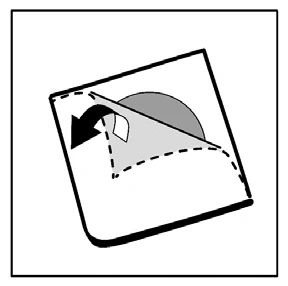
Instructions for use of child-resistant perforated single-dose blister packs:
- Do not push the capsule directly out of the blister.
- Separate one blister cell along the perforation.
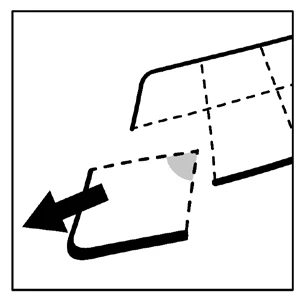
- Carefully peel off the protective layer to open the cell and remove the capsule from the blister.
Taking more Oxycodon Stada than prescribed
If you take more Oxycodon Stada than prescribed, or if someone else accidentally swallows the
capsules, contact your doctor or local poison control centre immediately.
Overdose may lead to:
constricted pupils
respiratory depression
muscle weakness
drowsiness and low blood pressure
brain disorder (known as toxic leukoencephalopathy).
In severe cases, circulatory collapse, lack of mental and physical activity, loss of consciousness,
slowed heart function, and fluid accumulation in the lungs may occur.
Abuse of large doses of strong opioids such as oxycodone may result in death. Under no
circumstances should you expose yourself to situations requiring high concentration, e.g. driving.
Missing a dose of Oxycodon Stada
If you miss a dose, take the next dose as soon as possible and then continue taking the medicine
as prescribed. Do not take two doses within 4 hours. Do not take a double dose to make up for a
missed dose.
Stopping Oxycodon Stada
Do not stop taking this medicine without informing your doctor.
When you no longer require treatment with Oxycodon Stada, it may be advisable to gradually reduce
the dose to avoid withdrawal symptoms.
If you have any further questions about the use of this medicine, consult your doctor or pharmacist.
4. Possible adverse effects
Like all medicines, this medicine can cause adverse effects, although not everyone will experience them.
Important adverse effects or symptoms you should be aware of, and actions to take if they occur:
If any of the following adverse effects occur, stop taking Oxycodon Stada and contact your doctor immediately.
Respiratory depression represents the most significant risk associated with opioids, and is most likely to occur in elderly or debilitated patients.
As a consequence, in predisposed patients, opioids may cause significant drops in blood pressure.
In addition, oxycodone may cause pupillary constriction, bronchospasm and smooth muscle contraction, and may suppress the cough reflex.
Other possible adverse effects
Very common (may affect more than 1 in 10 people):
- Sedation (tiredness to drowsiness);
- Dizziness;
- Headache;
- Constipation;
- Nausea;
- Vomiting;
- Itching.
Common (may affect up to 1 in 10 people):
- Decreased appetite, loss of appetite;
- Severe psychiatric adverse effects such as:
- Mood changes (e.g. generalised anxiety, depression);
- Changes in activity (mainly sedation, sometimes accompanied by fatigue, occasionally with increased nervousness and sleep disturbances);
- Behavioural changes (disturbances in thought processes, confusion);
- Tremor;
- Wheezing, shortness of breath, hiccups;
- Dry mouth, abdominal pain, diarrhoea, indigestion;
- Rash, excessive sweating;
- Increased urge to urinate;
- Feeling of weakness (asthenia).
Uncommon (may affect up to 1 in 100 people):
- Allergic reactions;
- Inappropriate secretion of antidiuretic hormone;
- Dehydration;
- Perception disturbances such as depersonalisation, and seeing, hearing or feeling things that are not real (hallucinations), decreased libido, restlessness, extreme emotional behaviour, feeling of intense happiness, drug or medication dependence (see section 2);
- Increased or decreased muscle tone, coordination disorders, involuntary muscle contractions, seizures; particularly in patients with epilepsy or a predisposition to seizures, increased muscle tension and difficulty in muscle stretching, speech disorders, fainting, tingling or prickling sensations (paraesthesia), impaired sense of touch (hypoesthesia), migraine, taste disturbances, memory loss;
- Lacrimation disorders, pupillary constriction, visual disturbances;
- Abnormal auditory sensitivity (auditory hyperesthesia), sensation of dizziness or spinning;
- Rapid heartbeat, awareness of heartbeat;
- Vasodilation;
- Breathing difficulties, cough, sore throat, runny nose, voice changes;
- Swallowing difficulties, mouth ulcers, gingivitis, stomatitis, bloating, belching, intestinal obstruction;
- Increased liver enzyme activity;
- Dry skin;
- Urination difficulties;
- Impotence;
- Low levels of sex hormones in the blood (hypogonadism, observed in blood tests);
- Pain (e.g. chest pain), chills, excess fluid in tissues (oedema), malaise, physical dependence with withdrawal symptoms, drug tolerance requiring increased dosage to maintain effect, craving;
- Accidental injuries.
Rare (may affect up to 1 in 1,000 people):
- Herpes simplex (a skin and mucous membrane disease);
- Lymph node disease (lymphadenopathy);
- Increased appetite;
- Low blood pressure, dizziness upon standing from sitting or lying positions;
- Bleeding gums, black stools, tooth discolouration and damage;
- Itchy skin rash (urticaria), increased sensitivity to light (photophobia);
- Muscle spasms;
- Blood in urine (haematuria);
- Changes in body weight (decrease or increase), inflammation of subcutaneous connective tissue.
Very rare (may affect up to 1 in 10,000 people):
- Exfoliative skin rash (exfoliative dermatitis).
Unknown frequency (cannot be estimated from available data):
- Severe hypersensitivity reactions (anaphylactic reactions);
- Aggressive behaviour;
- Increased sensitivity to pain that cannot be relieved by increasing the dose;
- Dental caries;
- Pain in the right side of the abdomen, itching and jaundice caused by gallbladder inflammation;
- Absence of menstruation;
- Prolonged use of Oxycodon Stada during pregnancy may cause life-threatening withdrawal symptoms in the newborn. Symptoms in infants to watch for include irritability, hyperexcitability and sleep disturbances, high-pitched crying, tremors, vomiting, diarrhoea, and failure to gain weight;
- Sleep apnoea (pauses in breathing during sleep).
Remedial measures:
If a patient experiences any of the adverse effects listed above, the doctor will take appropriate action. Constipation, as an adverse effect, may be prevented by a diet rich in fibre and increased fluid intake. If a patient experiences nausea or vomiting, the doctor will prescribe an appropriate medicine.
Reporting of adverse effects
If any adverse effects occur, including any not listed in this leaflet, inform your doctor or pharmacist. Adverse effects can be reported directly to the Department of Monitoring Adverse Drug Reactions, Office for Registration of Medicinal Products, Medical Devices and Biocidal Products,
Al. Jerozolimskie 181C
02-222 Warsaw
Phone: +48 22 49 21 301
Fax: +48 22 49 21 309
Website: https://smz.ezdrowie.gov.pl
Adverse effects can also be reported to the marketing authorisation holder. Reporting adverse effects helps to provide more information on the safety of this medicine.
5. How to store Oxycodon Stada
Keep this medicine out of the sight and reach of children. This medicine must be stored in a closed and secure place inaccessible to others. It may be highly harmful and can cause death in a person for whom it has not been prescribed.
Do not use this medicine after the expiry date stated on the blister/label or carton after EXP. The expiry date refers to the last day of the stated month.
Do not store above 30°C.
Medicines must not be disposed of via wastewater or household waste. Ask your pharmacist how to dispose of medicines no longer in use. This will help protect the environment.
6. Contents of the pack and other information
What Oxycodon Stada contains
- The active substance is oxycodone hydrochloride.
Oxycodon Stada 5 mg, hard capsules: Each hard capsule contains 5 mg of oxycodone hydrochloride, equivalent to 4.5 mg of oxycodone.
Oxycodon Stada 10 mg, hard capsules: Each hard capsule contains 10 mg of oxycodone hydrochloride, equivalent to 9 mg of oxycodone.
Oxycodon Stada 20 mg, hard capsules: Each hard capsule contains 20 mg of oxycodone hydrochloride, equivalent to 18 mg of oxycodone. - Other components are:
Excipients: microcrystalline cellulose, magnesium stearate.
Capsule shell: gelatin, water, sodium lauryl sulfate, titanium dioxide (E 171), yellow iron oxide (E 172), red iron oxide (E 172), indigo carmine (E 132).
Printing ink: shellac, black iron oxide (E 172), potassium hydroxide.
What Oxycodon Stada looks like and contents of the pack
Oxycodon Stada 5 mg:
Hard capsules, 14.4 mm in length, with a dark pink body marked with the number "5" and a brown cap marked with "OXY".
Oxycodon Stada 10 mg:
Hard capsules, 14.4 mm in length, with a white body marked with the number "10" and a brown cap marked with "OXY".
Oxycodon Stada 20 mg:
Hard capsules, 14.4 mm in length, with a light pink body marked with the number "20" and a brown cap marked with "OXY".
Pack sizes:
10, 14, 28, 30 or 56 hard capsules.
Not all pack sizes may be marketed.
Marketing Authorisation Holder
STADA Arzneimittel AG
Stadastrasse 2-18
61118 Bad Vilbel
Germany
Manufacturer/Importer:
STADA Arzneimittel AG
Stadastrasse 2-18
61118 Bad Vilbel
Germany
Balkanpharma-Dupnitsa AD
3, Samokovsko Shosse Street
2600 Dupnitsa
Bulgaria
This medicinal product is authorised for marketing in the European Economic Area countries under the following names:
Czech Republic:
OXYKODON STADA
Germany:
Oxycodon AL 5 mg Hartkapseln
Oxycodon AL 10 mg Hartkapseln
Oxycodon AL 20 mg Hartkapseln
Finland:
Oxycodone STADA 5 mg kapseli, kova
Oxycodone STADA 10 mg kapseli, kova
Oxycodone STADA 20 mg kapseli, kova
Poland:
Oxycodon Stada