Metsigletic
Poland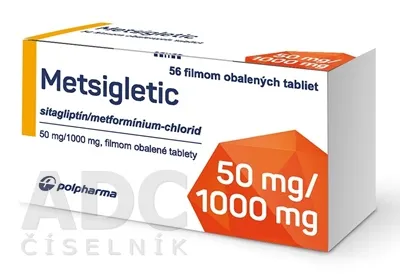
Table of Contents
Package leaflet: Information for the patient
Metsigletic, 50 mg + 850 mg, film-coated tablets
Metsigletic, 50 mg + 1000 mg, film-coated tablets
Sitagliptin + Metformin hydrochloride
Please read this leaflet carefully before taking this medicine, as it contains
important information for you.
- Keep this leaflet. You may need to read it again.
- If you have any further questions, ask your doctor, pharmacist, or nurse.
- This medicine has been prescribed for you personally. Do not pass it on to others. It may harm them, even if their symptoms are the same as yours.
- If you experience any side effects, including any not listed in this leaflet, tell your doctor, pharmacist, or nurse. See section 4.
Leaflet contents
- What Metsigletic is and what it is used for
- Important information before taking Metsigletic
- How to take Metsigletic
- Possible side effects
- How to store Metsigletic
- Contents of the pack and other information
1. What Metsigletic is and what it is used for
Metsigletic contains two different active substances called sitagliptin and metformin.
- Sitagliptin belongs to a group of medicines known as DPP-4 inhibitors (dipeptidyl peptidase-4 inhibitors).
- Metformin belongs to a group of medicines known as biguanides.
The combined action of these two medicines helps regulate blood glucose levels in adults
with diabetes known as "type 2 diabetes". This medicine helps increase the amount of insulin
released after meals and reduces the amount of glucose produced by the body.
When used together with diet and exercise, it helps lower blood glucose levels.
This medicine may be used alone as an antidiabetic treatment or in combination with certain
other antidiabetic medicines (insulin, sulfonylurea derivatives, or glitazones).
What is type 2 diabetes?
In type 2 diabetes, the body does not produce enough insulin, and the insulin that is produced does not work properly. The body may also produce too much glucose. When this happens, sugar (glucose) accumulates in the blood. This can lead to serious health problems, such as heart disease, kidney disease, vision loss, and limb amputations.
2. Important information before taking Metsigletic
When not to take Metsigletic:
- if the patient is allergic to sitagliptin or metformin, or to any of the other ingredients of this medicine (listed in section 6),
- if the patient has significantly reduced kidney function,
- if the patient has uncontrolled diabetes, for example severe hyperglycaemia (high blood glucose levels), nausea, vomiting, diarrhoea, sudden weight loss, lactic acidosis (see "Risk of lactic acidosis" below) or ketoacidosis. Ketoacidosis is a condition in which substances called ketone bodies accumulate in the blood and which may lead to diabetic pre-coma. Symptoms include: abdominal pain, rapid and deep breathing, drowsiness or an unusual fruity odour of the breath.
- if the patient has severe infection or dehydration,
- if the patient is scheduled to undergo a radiological procedure with intravascular administration of contrast agents. The use of Metsigletic should be discontinued during the radiological procedure and for 2 or more days afterwards, according to the physician's instructions, depending on the patient's kidney function.
- if the patient has recently experienced a heart attack or has severe circulatory disorders such as shock or breathing difficulties,
- if the patient has liver disease,
- if the patient consumes excessive amounts of alcohol (either daily or occasionally),
- if the patient is breastfeeding.
Metsigletic should not be taken if any of the above contraindications apply.
Consult your doctor to determine alternative methods of diabetes control. In case of
doubt, discuss this with your doctor, pharmacist or
nurse before taking Metsigletic.
Warnings and precautions
Before starting Metsigletic, discuss this with your doctor or pharmacist.
Cases of pancreatitis have been reported in patients taking Metsigletic (see section 4).
If the patient develops blisters on the skin, this may be a symptom of a disease called bullous pemphigoid. The doctor may advise the patient to discontinue taking Metsigletic.
Risk of lactic acidosis
Metsigletic may cause a very rare but serious adverse reaction called lactic acidosis, especially if the patient has impaired kidney function. The risk of lactic acidosis increases in cases of uncontrolled diabetes, severe infection, prolonged fasting or alcohol consumption, dehydration (see more detailed information below), liver dysfunction, and any medical conditions in which a part of the body is inadequately supplied with oxygen (e.g. acute severe heart disease).
If any of the above conditions apply to the patient, seek medical advice for further instructions.
Temporarily discontinue use of Metsigletic if the patient has a medical condition that may involve dehydration (significant loss of water from the body), such as severe vomiting, diarrhoea, fever, exposure to high temperatures, or if the patient is drinking less fluid than usual. Consult your doctor for further instructions.
Discontinue use of Metsigletic and contact your doctor or nearest hospital immediately if the patient experiences any symptoms of lactic acidosis, as this condition may lead to coma.
Symptoms of lactic acidosis include:
- vomiting,
- abdominal pain,
- muscle cramps,
- general malaise accompanied by severe fatigue,
- difficulty breathing,
- decreased body temperature and slowed heart rate.
Lactic acidosis is an acute, life-threatening condition requiring immediate hospital treatment.
Seek immediate medical advice for further instructions if:
- the patient has a genetically inherited disorder affecting mitochondria (energy-producing structures in cells), such as MELAS (mitochondrial encephalopathy, myopathy, lactic acidosis and stroke-like episodes) or maternally inherited diabetes and deafness (MIDD).
- the patient experiences any of the following symptoms after starting metformin: seizures, worsening cognitive function, difficulty moving, symptoms indicating nerve damage (e.g. pain or numbness), migraine or deafness.
Before starting Metsigletic, discuss the following with your doctor or pharmacist:
- if the patient has or has had pancreatic disease (e.g. pancreatitis).
- if the patient has or has had gallstones, alcohol dependence or very high levels of triglycerides (a type of fat) in the blood. In such cases, the risk of pancreatitis may increase (see section 4).
- if the patient has been diagnosed with type 1 diabetes. This is sometimes referred to as insulin-dependent diabetes.
- if the patient currently has or has previously experienced allergic reactions to sitagliptin, metformin or Metsigletic (see section 4).
- if the patient is taking a sulphonylurea derivative or insulin, along with antidiabetic medicines and Metsigletic, as this may lead to excessively low blood sugar levels (hypoglycaemia). The doctor may reduce the dose of the sulphonylurea derivative or insulin.
If the patient is undergoing major surgery, treatment with Metsigletic should be discontinued during the procedure and for a period afterwards. The doctor will decide when the patient should stop and resume treatment with Metsigletic.
In case of doubt, discuss this with your doctor or
pharmacist before taking Metsigletic.
While being treated with Metsigletic, your doctor will monitor your kidney function at least once a year, or more frequently if you are elderly and/or have worsening kidney function.
Children and adolescents
Metsigletic should not be used in children and adolescents under 18 years of age. The safety and efficacy of Metsigletic in children and adolescents under 18 years of age have not been established.
Metsigletic and other medicines
If the patient is to receive an intravenous iodinated contrast agent, for example for an X-ray or CT scan, the use of Metsigletic must be discontinued before or at the latest at the time of injection. The doctor will decide when the patient should stop and resume treatment with Metsigletic.
Inform your doctor or pharmacist about all medicines currently taken or recently taken, as well as any medicines the patient plans to take. The patient may require more frequent monitoring of blood glucose levels and kidney function assessments, or dose adjustments of Metsigletic by the doctor. It is especially important to inform about the following medicines:
- medicines (taken orally, by inhalation or injection) used to treat inflammatory conditions such as asthma or arthritis (corticosteroids),
- medicines that increase urine production (diuretics),
- medicines used to treat pain and inflammation (NSAIDs and COX-2 inhibitors such as ibuprofen or celecoxib),
- certain medicines used to treat high blood pressure (ACE inhibitors and angiotensin II receptor antagonists),
- specific medicines used to treat asthma (β-sympathomimetics),
- iodinated contrast agents or medicines containing alcohol,
- some medicines used to treat gastrointestinal disorders, such as cimetidine,
- ranolazine, a medicine used to treat angina pectoris,
- dolutegravir, a medicine used to treat HIV infection,
- vandetanib, a medicine used to treat a specific type of thyroid cancer (medullary thyroid cancer),
- digoxin (used to treat heart rhythm disorders and other heart diseases). Blood levels of digoxin should be monitored when taking Metsigletic with digoxin.
Taking Metsigletic with alcohol
Avoid consuming excessive amounts of alcohol while taking Metsigletic, as this may increase the risk of lactic acidosis (see section "Warnings and precautions").
Pregnancy and breastfeeding
If the patient is pregnant or breastfeeding, suspects she may be pregnant, or is planning to become pregnant, she should consult her doctor or pharmacist before taking this medicine. This medicine should not be used during pregnancy or while breastfeeding. See section 2, When not to take Metsigletic.
Driving and using machines
This medicine has no effect or has a negligible effect on the ability to drive and use machines. However, when driving and operating machinery, it should be noted that dizziness and drowsiness have been reported during treatment with sitagliptin, which may affect the ability to drive and operate machinery.
Taking this medicine together with medicines called sulphonylurea derivatives or with insulin may lead to hypoglycaemia, which in turn may affect the ability to drive and operate machinery or work without secure foot support.
Metsigletic contains sodium
Metsigletic 50 mg + 850 mg, coated tablets
The medicine contains less than 1 mmol (23 mg) of sodium per tablet, i.e. the medicine is considered "sodium-free".
Metsigletic 50 mg + 1000 mg, coated tablets
The medicine contains less than 1 mmol (23 mg) of sodium per tablet, i.e. the medicine is considered "sodium-free".
3. How to use Metsigletic
This medicine should always be taken as directed by the doctor. In case of doubt, consult
your doctor or pharmacist.
- Take one tablet:
- twice daily, orally;
- with meals to reduce the likelihood of stomach upset.
- To control blood sugar levels, your doctor may increase the dose of this medicine.
- If the patient has impaired kidney function, the doctor may prescribe a lower dose.
While taking this medicine, continue following the diet recommended by your doctor and pay attention to
a regular intake of carbohydrates throughout the day.
It is unlikely that use of this medicine alone would lead to abnormally low blood sugar levels (hypoglycaemia).
Low blood sugar may occur when this medicine is used together with a sulfonylurea derivative or insulin – in such a case,
your doctor may reduce the dose of the sulfonylurea derivative or insulin.
Taking more Metsigletic than recommended
If you take more than the recommended dose of this medicine, contact your doctor immediately.
Go to hospital if symptoms of lactic acidosis occur, such as feeling cold or discomfort, severe nausea or vomiting,
stomach pain, unexplained weight loss, muscle cramps or rapid breathing (see section "Warnings and precautions").
Missing a dose of Metsigletic
If you miss a dose, take it as soon as possible. If it is almost time for the next dose, skip the missed dose and
continue with your regular dosing schedule. Do not take a double dose of this medicine.
Stopping Metsigletic
To maintain control of blood sugar levels, take this medicine for as long as your doctor recommends.
Do not stop taking this medicine without first consulting your doctor.
Discontinuing Metsigletic may cause an increase in blood sugar levels.
If you have any further doubts about the use of this medicine, consult your doctor or pharmacist.
4. Possible adverse reactions
Like all medicines, this medicine can cause adverse reactions, although not everyone will experience them.
You should STOP taking Metsigletic and immediately contact your doctor
if any of the following severe adverse reactions occur:
- Severe and persistent abdominal pain (in the stomach area), possibly radiating to the back, with or without nausea and vomiting – these may be symptoms of pancreatitis.
Metsigletic may very rarely (may occur in up to 1 in 10,000 patients) cause a very serious adverse reaction known as lactic acidosis (see section "Warnings and precautions"). If a patient develops lactic acidosis, treatment with Metsigletic must be discontinued and immediate contact made with a doctor or the nearest hospital, as lactic acidosis may lead to coma.
In case of a severe allergic reaction (frequency unknown), including rash, urticaria, skin blisters or skin peeling, and swelling of the face, lips, tongue or throat, which may cause difficulty breathing or swallowing, treatment with the medicine should be stopped and immediate medical advice sought. The doctor may prescribe medication to treat the allergic reaction and another medicine (a different medicine) for the treatment of diabetes.
In some patients taking metformin, the following adverse reactions occurred after starting sitagliptin:
Frequent (may occur in up to 1 in 10 people): low blood sugar levels, nausea, bloating, vomiting.
Uncommon (may occur in up to 1 in 100 people): stomach pain, diarrhoea, constipation, somnolence.
Diarrhoea, nausea, bloating, constipation, stomach pain or vomiting occurred in some patients after starting treatment with sitagliptin in combination with metformin (frequent).
In some patients taking this medicine together with a sulfonylurea derivative such as glimepiride, the following adverse reactions occurred:
Very common (may occur in more than 1 in 10 people): low blood sugar levels.
Frequent: constipation.
In some patients taking this medicine in combination with pioglitazone, the following adverse reactions occurred:
Frequent: swelling of hands or feet.
In some patients taking this medicine in combination with insulin, the following adverse reactions occurred:
Very common: low blood sugar levels.
Uncommon: dry mouth, headache.
In clinical trials, in some patients taking sitagliptin alone (one of the active substances in Metsigletic) or after marketing authorization of Metsigletic or sitagliptin alone or in combination with other antidiabetic medicines, the following adverse reactions were observed:
Frequent: low blood sugar levels, headache, upper respiratory tract infection, stuffy or runny nose and sore throat, bone and joint inflammation, pain in arms or legs.
Uncommon: dizziness, constipation, itching.
Rare: decreased platelet count.
Frequency not known: kidney disorders (sometimes requiring dialysis), vomiting, joint pain, muscle pain, back pain, interstitial lung disease, bullous pemphigoid (a type of skin blistering).
In some patients taking metformin alone, the following adverse reactions occurred:
Very common: nausea, vomiting, diarrhoea, stomach pain and loss of appetite. These symptoms may occur when starting metformin and usually resolve over time.
Frequent: metallic taste.
Very rare: decreased vitamin B12 levels, hepatitis (liver disease), urticaria, skin redness (rash) or itching.
Reporting of adverse reactions
If any adverse reactions occur, including any not listed in this leaflet, inform your doctor, pharmacist or nurse. Adverse reactions can be reported directly to the Department of Monitoring of Adverse Drug Reactions of the Office for Registration of Medicinal Products, Medical Devices and Biocidal Products
Al. Jerozolimskie 181C
02-222 Warsaw
Tel.: +48 22 49 21 301
Fax: +48 22 49 21 309
Website: https://smz.ezdrowie.gov.pl
Adverse reactions can also be reported to the marketing authorization holder.
Reporting adverse reactions helps provide more information on the safety of the medicine.
5. How to store Metsigletic
Keep this medicine out of sight and reach of children.
Do not use this medicine after the expiry date stated on the blister and carton after:
"EXP". The expiry date refers to the last day of the specified month.
The marking on the packaging following the abbreviation "EXP" indicates the expiry date, and following the abbreviation "Lot/LOT" indicates the batch number.
Do not store above 25°C.
Medicines must not be disposed of via wastewater or household waste. Ask your pharmacist how to dispose of medicines no longer required. These measures will help protect the environment.
6. Contents of the packaging and other information
What Metsigletic contains
Metsigletic, 50 mg + 850 mg, film-coated tablets
- The active substances are sitagliptin and metformin hydrochloride. Each film-coated tablet contains sitagliptin hydrochloride monohydrate equivalent to 50 mg of sitagliptin and 850 mg of metformin hydrochloride.
- Other ingredients are: tablet core: microcrystalline cellulose, povidone K30, sodium lauryl sulfate, sodium stearyl fumarate. Additionally, the tablet coating contains: polyvinyl alcohol, macrogol 3350, talc, titanium dioxide (E 171), iron oxide black (E 172), iron oxide red (E 172).
Metsigletic, 50 mg + 1000 mg, film-coated tablets
- The active substances are sitagliptin and metformin hydrochloride. Each film-coated tablet contains sitagliptin hydrochloride monohydrate equivalent to 50 mg of sitagliptin and 1000 mg of metformin hydrochloride.
- Other ingredients are: tablet core: microcrystalline cellulose, povidone K30, sodium lauryl sulfate, sodium stearyl fumarate. Additionally, the tablet coating contains: polyvinyl alcohol, macrogol 3350, talc, titanium dioxide (E 171), iron oxide black (E 172), iron oxide red (E 172).
What Metsigletic looks like and contents of the pack
Metsigletic, 50 mg + 850 mg, film-coated tablets: oval, biconvex pink film-coated tablet,
with "850" embossed on one side. Tablet length is 19.9–20.4 mm, width
9.7–10.2 mm.
Metsigletic, 50 mg + 1000 mg, film-coated tablets: oval, biconvex red film-coated tablet,
with "1000" embossed on one side. Tablet length is 21.1–21.6 mm,
width 10.3–10.8 mm.
Aluminium/PVC/PE/PVDC blisters in a cardboard box.
Pack sizes: 14, 28, 30, 56, 60, 90, 112, 168, 180, 196 film-coated tablets; multipacks containing 196 (2 packs of 98) and 168 (2 packs of 84) film-coated tablets.
Pack of 50 x 1 film-coated tablet in perforated single-dose blisters.
Marketing Authorisation Holder and Manufacturer
Zakłady Farmaceutyczne POLPHARMA S.A.
ul. Pelplińska 19, 83-200 Starogard Gdański
tel. + 48 22 364 61 01