Linagliptin tzf
Poland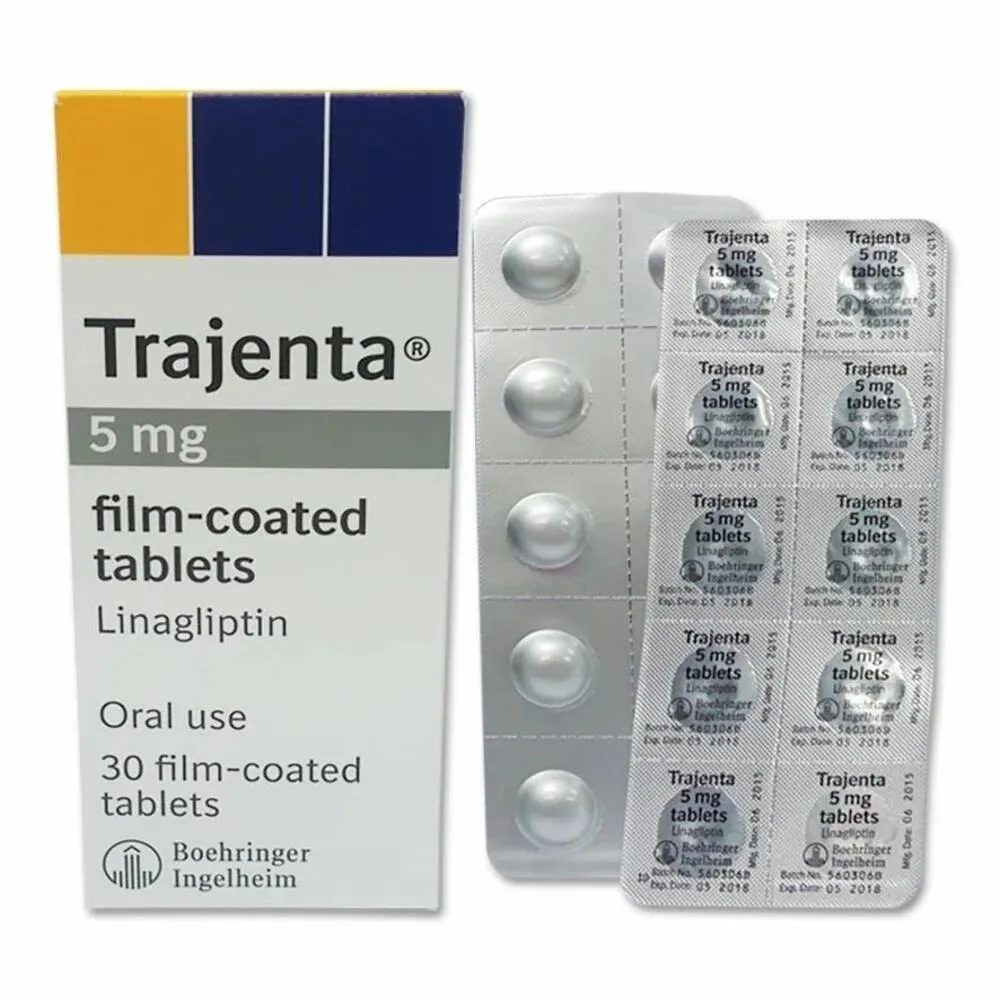
Table of Contents
Package leaflet: Information for the user
Linagliptin TZF, 5 mg, film-coated tablets
Linagliptinum
Please read all of this leaflet carefully before taking this medicine, because it contains
important information for the patient.
- Keep this leaflet, as you may need to read it again.
- If you have any further questions, please ask your doctor, pharmacist or nurse.
- This medicine has been prescribed for a specific individual. Do not pass it on to others. It may harm other people, even if their symptoms are the same.
- If you experience any adverse reactions, including any not listed in this leaflet, tell your doctor, pharmacist or nurse. See section 4.
Contents of the leaflet
- What Linagliptin TZF is and what it is used for
- What you need to know before taking Linagliptin TZF
- How to take Linagliptin TZF
- Possible side effects
- How to store Linagliptin TZF
- Contents of the pack and other information
1. What Linagliptin TZF is and what it is used for
Linagliptin TZF contains the active substance linagliptin, which belongs to a group of medicines
called "oral antidiabetic drugs". Oral antidiabetic drugs are used in the treatment of high blood
sugar levels. These medicines help the body reduce the amount of sugar in the blood.
Linagliptin TZF is used in the treatment of type 2 diabetes in adults when this condition cannot be
adequately controlled with a single oral antidiabetic medicine (metformin or sulfonylurea derivatives) or with diet and exercise alone. Linagliptin TZF may be used together with other antidiabetic medicines, such as metformin, sulfonylurea derivatives (e.g. glimepiride, glipizide), empagliflozin or insulin.
It is important to continue the diet and exercise recommended by your doctor or nurse.
2. Important information before taking Linagliptin TZF
When not to take Linagliptin TZF
if the patient is allergic to linagliptin or to any of the other ingredients of this medicine
(listed in section 6).
Warnings and precautions
Before starting Linagliptin TZF, discuss this with your doctor, pharmacist or
nurse:
if the patient has type 1 diabetes (the patient's body does not produce insulin) or
diabetic ketoacidosis (a complication of diabetes characterized by high blood sugar levels, rapid weight loss, nausea or vomiting). Linagliptin TZF should not be used to treat these conditions. if the patient is taking an antidiabetic medicine called a “sulfonylurea” (e.g. glimepiride, glipizide), the doctor may recommend reducing the dose of the sulfonylurea when Linagliptin TZF is used concomitantly to avoid excessively low blood sugar levels.
if the patient has had an allergic reaction to any other medicines previously used to lower blood sugar levels.
if the patient has or has previously had pancreas disease.
If symptoms of acute pancreatitis occur, such as severe and persistent abdominal pain, contact a doctor.
If blisters appear on the skin, this may be a sign of a condition called bullous pemphigoid. The doctor may advise the patient to stop taking Linagliptin TZF.
Diabetic skin changes are common complications of diabetes. Follow the skin and foot care recommendations provided by the doctor or nurse.
Children and adolescents
Linagliptin TZF is not recommended for use in children and adolescents under 18 years of age.
Linagliptin TZF and other medicines
Tell your doctor or pharmacist about all medicines the patient is currently taking or has recently taken, as well as any medicines the patient plans to take.
In particular, inform the doctor if the patient is taking medicines containing any of the following active substances:
Carbamazepine, phenobarbital or phenytoin. These medicines may be used to treat seizures (epilepsy) or chronic pain.
Rifampicin. This is an antibiotic used to treat infections such as tuberculosis.
Pregnancy and breastfeeding
If the patient is pregnant or breastfeeding, suspects she may be pregnant, or is planning to have a child, she should consult a doctor or pharmacist before using this medicine.
It is not known whether Linagliptin TZF is harmful to unborn children, therefore use of Linagliptin TZF during pregnancy is not recommended.
It is not known whether Linagliptin TZF passes into breast milk. The doctor must decide whether to discontinue breastfeeding or to discontinue/withhold Linagliptin TZF therapy.
Driving and using machines
Linagliptin TZF has no effect or has a negligible effect on the ability to drive and use machines.
However, taking Linagliptin TZF in combination with sulfonylurea medicines and (or) insulin may cause blood sugar levels to become too low (hypoglycaemia), which may affect the ability to drive and use machines or work without strong support for the legs. Nevertheless, more frequent monitoring of blood sugar (glucose) levels is recommended to minimize the risk of hypoglycaemia, especially when Linagliptin TZF is used in combination with sulfonylureas and (or) insulin.
3. How to take Linagliptin TZF
This medicine should always be taken as prescribed by your doctor. If you have any doubts, consult your
doctor or pharmacist.
The recommended dose of Linagliptin TZF is one 5 mg tablet once daily.
Linagliptin TZF can be taken with or without food.
Your doctor may recommend using Linagliptin TZF together with another oral antidiabetic medicine.
All medicines should be taken according to your doctor's instructions to achieve the best possible treatment outcome.
Taking more Linagliptin TZF than prescribed
If you take more Linagliptin TZF than prescribed, contact your doctor immediately.
Missing a dose of Linagliptin TZF
If you forget to take a dose of Linagliptin TZF, take it as soon as you remember. However, if it is almost time for your next dose, do not take the missed dose.
Do not take a double dose to make up for a missed dose. Never take two doses on the same day.
Stopping Linagliptin TZF
Do not stop taking Linagliptin TZF without consulting your doctor. Stopping treatment with Linagliptin TZF may lead to increased blood sugar levels.
If you have any further questions about the use of this medicine, consult your doctor, pharmacist, or nurse.
4. Possible adverse reactions
Like all medicines, this medicine can cause adverse reactions, although not everyone will experience them.
Some symptoms require immediate medical attention.
You should stop taking Linagliptin TZF and contact your doctor immediately if you experience any of the following symptoms related to low blood sugar levels:
tremor, sweating, anxiety, blurred vision, tingling of the lips, pallor, mood changes or confusion (hypoglycaemia). Hypoglycaemia (frequency: very common, occurs in more than 1 in 10 people) is a known adverse effect of treatment with Linagliptin TZF when taken concomitantly with metformin and a sulfonylurea.
Some patients may experience allergic reactions (hypersensitivity; frequency: uncommon, occurs in no more than 1 in 100 people) during treatment with Linagliptin TZF as monotherapy or in combination with other antidiabetic medicines, which may be severe, including wheezing and shortness of breath (bronchial hyperreactivity; frequency unknown, frequency cannot be estimated from available data). Some patients may develop a rash (frequency: uncommon), urticaria (urticaria; frequency: rare, occurs in no more than 1 in 1,000 people), and swelling of the face, lips, tongue, and throat, which may cause difficulty breathing or swallowing (angioedema; frequency: rare). If any of the above symptoms occur, you should stop taking Linagliptin TZF and contact your doctor immediately. Your doctor may prescribe a medicine to treat the allergic reaction and switch you to another antidiabetic medicine.
Pancreatitis (pancreatitis; frequency: rare, occurs in no more than 1 in 1,000 people) has been observed in some patients during treatment with Linagliptin TZF as monotherapy or in combination with other antidiabetic medicines.
You should STOP taking Linagliptin TZF and contact your doctor immediately if you experience any of the following severe adverse reactions:
Severe and persistent abdominal pain (in the stomach area), which may radiate to the back, as well as nausea and vomiting, as these may be symptoms of pancreatitis.
During treatment with Linagliptin TZF as monotherapy or in combination with other antidiabetic medicines, the following adverse reactions have been reported in some patients:
Common: increased blood lipase activity.
Uncommon: nasal or throat inflammation, cough, constipation (in combination with insulin), increased blood amylase activity.
Rare: skin blistering (bullous pemphigoid).
Reporting of adverse reactions
If any adverse reactions occur, including any not listed in this leaflet, inform your doctor or pharmacist. Adverse reactions can be reported directly to the Department of Monitoring Adverse Drug Reactions of the Office for Registration of Medicinal Products, Medical Devices and Biocidal Products:
Al. Jerozolimskie 181C, 02-222 Warsaw, tel.: 22 49-21-301, fax: 22 49-21-309, website: https://smz.ezdrowie.gov.pl
Adverse reactions can also be reported to the marketing authorization holder.
Reporting adverse reactions helps provide more information on the safety of this medicine.
5. How to store Linagliptin TZF
Keep this medicine out of sight and reach of children.
Do not use this medicine after the expiry date stated on the blister pack after: EXP and on the carton after: Expiry date: (EXP). The expiry date refers to the last day of the stated month.
No special storage conditions apply for this medicine.
Do not use Linagliptin TZF if the packaging is damaged or if there are any signs of tampering.
Medicines must not be disposed of via wastewater or household waste. Ask your pharmacist how to dispose of medicines no longer required. This will help protect the environment.
6. Package contents and other information
What Linagliptin TZF contains
The active substance is linagliptin.
Each coated tablet contains 5 mg of linagliptin.
The other ingredients are:
Tablet core: mannitol, corn starch, copovidone, magnesium stearate.
Tablet coating:
hypromellose 2910, 5 cP, titanium dioxide (E171), talc, macrogol 6000, iron oxide red (E172).
What Linagliptin TZF looks like and contents of the pack
Linagliptin TZF tablets are light red, round, film-coated, biconvex tablets with bevelled edges and a diameter of 8 mm, embossed with the code "L5" on one side and smooth on the other.
Linagliptin TZF is available in perforated unit-dose blisters made of OPA/Aluminium/PVC/Aluminium foil, packed in cardboard boxes.
Pack sizes: 10 x 1, 14 x 1, 28 x 1, 30 x 1, 56 x 1, 60 x 1, 84 x 1, 90 x 1, 98 x 1, 100 x 1 film-coated tablets.
Not all pack sizes may be marketed.
Marketing Authorisation Holder and Manufacturer
Marketing Authorisation Holder:
Tarchomińskie Zakłady Farmaceutyczne „Polfa” Spółka Akcyjna
ul. A. Fleminga 2
03-176 Warsaw, Poland
Manufacturer/Importer:
Laboratori Fundació Dau
C/ C, 12-14 Pol. Ind. Zona Franca 08040 Barcelona, Spain
Pharmadox Healthcare Limited KW20A Kordin Industrial Estate PLA 3000, Paola, Malta
This medicinal product is authorised in the Member States of the European Economic Area under the following names:
Greece: Linagliptin Intas 5mg επικαλυμμένα με λεπτό υμένιο δισκία
Poland: Linagliptin TZF, 5 mg, film-coated tablets
Netherlands: Linagliptin Intas 5 mg filmomhulde tabletten
Italy: Linagliptin Intas 5 mg compresse rivestite con film
Spain: Linagliptina Intas 5 mg comprimidos recubiertos con película EFG