Furosemide kalceks
Poland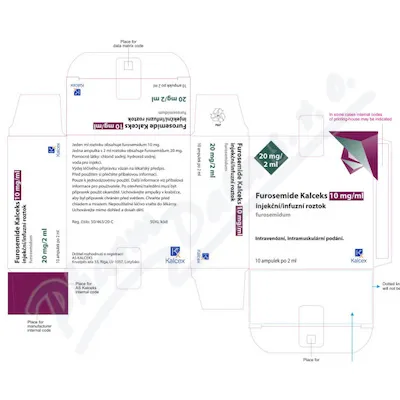
Table of Contents
- Patient Information Leaflet
- 1. What Furosemide Kalceks is and what it is used for
- 2. Important information before using Furosemide Kalceks
- 4. Possible side effects
- 5. How to store Furosemide Kalceks
- 6. Contents of the packaging and other information
- Information intended exclusively for medical professionals:
Patient Information Leaflet
Furosemide Kalceks, 10 mg/ml, solution for injection/infusion
Furosemidum
Please read all of this leaflet carefully before using this medicine, because it contains
important information for you.
- Keep this leaflet, as you may need to read it again.
- If you have any further questions, please consult your doctor, pharmacist or nurse.
- This medicine has been prescribed for a specific individual. Do not pass it on to others. It may harm them, even if their symptoms are the same.
- If you experience any adverse reactions, including any not listed in this leaflet, inform your doctor, pharmacist or nurse. See section 4.
Contents of the leaflet
- What Furosemide Kalceks is and what it is used for
- Important information before using Furosemide Kalceks
- How to use Furosemide Kalceks
- Possible side effects
- How to store Furosemide Kalceks
- Contents of the pack and other information
1. What Furosemide Kalceks is and what it is used for
The active substance in Furosemide Kalceks 10 mg/ml solution for injection/infusion is
furosemide. Furosemide belongs to a group of medicines called diuretics. This medicine works by increasing
the amount of urine produced. This helps relieve symptoms caused by excessive fluid accumulation
in the body.
It is used when oral administration of furosemide does not provide sufficient diuresis or when oral administration is not feasible.
Furosemide Kalceks is indicated:
- for the treatment of fluid retention in tissues (oedema) and/or accumulation of fluid in the abdominal cavity (ascites) caused by heart or liver disease;
- for the treatment of fluid accumulation in tissues (oedema) caused by kidney disorders;
- for the treatment of fluid accumulation in lung tissue (pulmonary oedema) (e.g. in acute heart failure);
- for the treatment of severely high blood pressure (hypertensive crisis), in combination with other therapeutic agents.
2. Important information before using Furosemide Kalceks
When not to use Furosemide Kalceks:
- if the patient is allergic to furosemide or any of the other ingredients of the medicine (listed in section 6);
- if the patient is allergic to sulfonamide antibiotics;
- in case of kidney failure and absence of urine production despite administration of furosemide;
- in case of kidney failure resulting from kidney or liver toxicity due to poisoning;
- in case of kidney failure associated with hepatic coma;
- if the patient is in a coma caused by liver failure;
- if the patient has significantly low levels of potassium or sodium in the blood;
- if the patient has low blood volume or is significantly dehydrated (has lost large amounts of fluids, e.g. due to severe diarrhoea or vomiting);
- if the patient is breastfeeding. If the patient is unsure whether any of the above apply, they should consult a doctor or nurse before using this medicine.
Warnings and precautions
Before starting treatment with this medicine, discuss the following with your doctor or nurse:
- if the patient has low blood pressure;
- if the patient has diabetes (regular monitoring of blood glucose levels is necessary);
- if the patient has gout (joint pain or inflammation) caused by high levels of uric acid (a metabolic product) in the blood (regular monitoring of blood uric acid levels is necessary);
- if the patient has difficulty urinating (e.g. due to enlarged prostate, hydronephrosis, or ureteral stricture);
- in case of reduced blood protein levels;
- if the patient has liver disease;
- if the patient has rapidly worsening kidney dysfunction associated with severe liver disease (e.g. cirrhosis);
- if the patient is at risk of significant hypotension (e.g. due to cerebral or coronary circulatory disorders);
- if the patient is dehydrated (fluid loss due to severe diarrhoea, vomiting, or excessive sweating);
- if the patient has an inflammatory disease called systemic lupus erythematosus (SLE);
- if the patient has hearing disorders;
- if the patient is elderly, especially if suffering from dementia (causing memory, speech and comprehension problems, difficulty recognizing people, objects and places), and if the patient is taking risperidone (used to treat psychiatric disorders);
- if the patient is taking other medicines that may cause low blood pressure, or if the patient has other conditions associated with risk of hypotension. If the patient is unsure whether any of the above apply, they should consult a doctor or nurse before using this medicine.
Especially during long-term treatment, the doctor should regularly monitor blood levels of potassium, sodium, calcium, magnesium, bicarbonates, chloride, creatinine, urea, uric acid, and blood glucose.
Weight loss due to increased urine output should not exceed 1 kg per day.
Children
Administration of furosemide to premature infants may lead to the formation of kidney stones or nephrocalcinosis. In premature infants, the duct between the pulmonary artery and aorta, which is open in the unborn child, may remain open after birth.
Furosemide Kalceks and other medicines
Inform your doctor or pharmacist about all medicines currently taken or recently used, as well as any medicines planned for future use. This is important because some medicines should not be used together with Furosemide Kalceks, or dose adjustments of furosemide or the concomitant medicine may be necessary.
The following medicines may affect the action of Furosemide Kalceks:
- anti-inflammatory medicines, including NSAIDs (e.g. diclofenac, ibuprofen, indomethacin, celecoxib) and high doses of acetylsalicylic acid (aspirin);
- probenecid (used in the treatment of gout);
- methotrexate (used in the treatment of certain cancers or severe arthritis);
- phenytoin (used in the treatment of epilepsy);
- sucralfate (used in the treatment of stomach ulcers). Furosemide should not be taken within two hours of sucralfate, as its effect may be reduced.
Furosemide Kalceks may affect the action of the following medicines:
- medicines used for heart conditions (e.g. digoxin);
- medicines used to treat cardiac arrhythmias (e.g. amiodarone, sotalol, dofetilide, ibutilide);
- terfenadine (used to treat allergies);
- lithium (used to treat mood disorders);
- medicines used to treat high blood pressure, such as ACE inhibitors (e.g. lisinopril) or angiotensin II receptor antagonists (e.g. losartan);
- other diuretics (e.g. bendroflumethiazide or hydrochlorothiazide);
- theophylline (used to treat asthma);
- medicines administered by injection during surgical procedures (e.g. tubocurarine, succinylcholine);
- medicines used to treat diabetes (e.g. metformin and insulin);
- medicines that increase blood pressure (e.g. adrenaline, noradrenaline);
- risperidone (used to treat psychiatric disorders);
- levothyroxine (used to treat hypothyroidism).
The following medicines increase the risk of adverse effects when used with Furosemide Kalceks:
- glucocorticoids (used to treat inflammatory conditions or allergies, e.g. prednisolone, dexamethasone);
- carbenoxolone (used to treat stomach ulcers);
- antibiotics used to treat infections (aminoglycosides, cephalosporins, polymyxins), as concomitant use with furosemide may increase kidney-related adverse effects or cause hearing disorders (sometimes irreversible);
- cisplatin (used in cancer treatment);
- immunosuppressive medicines (e.g. cyclosporine used to prevent transplant rejection);
- contrast agents used as injections before X-ray examinations;
- chloral hydrate (used to treat sleep problems). Concomitant administration of furosemide with chloral hydrate is not recommended, as adverse effects such as hot flushes, sweating, restlessness, nausea, increased blood pressure, and rapid heartbeat may occur within 24 hours after taking chloral hydrate;
- phenobarbital, carbamazepine (used to treat epilepsy);
- aminoglutethimide (used to treat Cushing's syndrome);
- medicines used for constipation (laxatives).
Furosemide Kalceks with food and drink
Large amounts of liquorice consumed together with furosemide may lead to increased potassium loss.
Pregnancy, breastfeeding and fertility
If the patient is pregnant or breastfeeding, suspects she may be pregnant, or is planning to have a child, she should consult a doctor before using this medicine. Furosemide may be used during pregnancy only if the doctor considers it necessary. This medicine may stimulate fetal urine production. Furosemide passes into human milk. It inhibits the production and secretion of human milk. Therefore, breastfeeding women should not use furosemide.
Driving and operating machinery
This medicine may affect reaction ability, impairing the ability to drive vehicles, operate machinery, or perform hazardous tasks. The risk is higher at the beginning of treatment, when the dose is increased, when changing medicines, and when combined with alcohol.
Furosemide Kalceks contains sodium
The medicine contains 3.686 mg of sodium (main component of table salt) per ml of solution. This corresponds to 0.18% of the maximum recommended daily sodium intake in the adult diet.
3. How to use Furosemide Kalceks
The doctor will determine the required dose, timing of administration, and duration of treatment.
Furosemide Kalceks is administered by a doctor or nurse intravenously as a slow injection or infusion (drip), or intramuscularly.
Treatment will be switched to oral therapy as soon as possible.
Use of a higher than recommended dose of Furosemide Kalceks
If the patient suspects they have received too high a dose of furosemide, they should immediately contact a doctor. Symptoms following an overdose depend on the degree of salt and fluid loss. Symptoms of overdose include dryness of the oral mucosa, increased thirst, irregular heartbeat, mood disturbances, muscle cramps or pain, nausea or vomiting, unusual fatigue or weakness, weak pulse, or loss of appetite.
If you have any further doubts regarding the use of this medicine, consult your doctor or nurse.
4. Possible side effects
Like all medicines, this medicine can cause side effects, although not everybody will experience them.
Immediately inform the doctor or nurse if the patient notices any of the following symptoms:
- Severe allergic reactions, which may include rash, swelling of the face, lips, tongue or throat, difficulty breathing and loss of consciousness (anaphylactic or anaphylactoid reaction) (may occur in less than 1 in 1,000 people)
- Severe skin reactions (may also affect mucous membranes), e.g. blisters or peeling of the skin (Stevens-Johnson syndrome, toxic epidermal necrolysis, acute generalized exanthematous pustulosis (AGEP), drug-induced rash appearing as small, itchy, reddish-purple skin lesions, affecting genital organs or oral cavity) (frequency cannot be estimated from available data)
- Muscle damage called "rhabdomyolysis". Persistent muscle pain, muscle cramps, muscle weakness, cola-coloured urine and (or) nausea may occur (frequency cannot be estimated from available data)
- Marked decrease in certain types of white blood cells called "agranulocytosis". Symptoms may include fever with chills, mucosal changes and sore throat (may occur in less than 1 in 10,000 people)
Other side effects
Very common (may affect more than 1 in 10 people)
- Loss of body fluids and associated disturbances due to loss of minerals (sodium, potassium, magnesium, calcium), low blood volume (especially in elderly patients)
- Increased levels of certain lipids in the blood (triglycerides)
- Low blood pressure, dizziness or fainting when standing up from sitting or lying positions (in case of intravenous administration)
- Increased creatinine levels in the blood (indicates how the patient's kidneys are functioning)
Common (may affect up to 1 in 10 people)
- Blood concentration (in cases where the patient urinates more frequently than normal)
- Low levels of sodium and chloride in the blood (especially with concomitant restriction of sodium chloride intake). Symptoms of low blood sodium may include apathy, calf cramps, loss of appetite, weakness, drowsiness, vomiting and disorientation
- Low levels of potassium in the blood (especially with restricted potassium intake or its loss through vomiting or diarrhoea). Symptoms of potassium deficiency may include: muscle weakness, discomfort in limbs (e.g. tingling, numbness or painful burning), inability to move part of the body (paralysis), vomiting, constipation, excessive gas accumulation in the intestines, excessive urination, abnormally increased thirst, slow or irregular pulse. Significant potassium loss may lead to intestinal paralysis (paralytic ileus) or disturbances of consciousness, even coma
- Increased cholesterol levels in the blood
- Increased uric acid levels in the blood
- Gout attacks
- Brain dysfunction as a result of severe liver disorders (hepatic encephalopathy)
- Passing larger amounts of urine than normal
Uncommon (may affect up to 1 in 100 people)
- Low platelet count
- Increased blood glucose levels. This may worsen in patients with diagnosed diabetes. In patients with undiagnosed diabetes, it may lead to its manifestation
- Hearing disturbances, mainly transient, particularly in patients with kidney disorders or in case of too rapid intravenous injection
- Deafness (sometimes irreversible)
- Nausea
- Itching, urticaria, rash, skin and mucosal reactions with redness, blistering or peeling (e.g. conditions such as bullous pemphigoid, erythema multiforme, pemphigoid, exfoliative dermatitis, purpura), increased sensitivity of the skin to sunlight
Rare (may affect up to 1 in 1,000 people)
- Increased number of a certain type of white blood cells (eosinophilia)
- Decreased white blood cell count (leukopenia)
- Tingling, numbness or painful burning sensations in limbs
- Ringing in the ears (tinnitus)
- Inflammation of blood vessels (vasculitis)
- Vomiting, diarrhoea
- Kidney damage (interstitial nephritis)
- Fever
Very rare (may affect up to 1 in 10,000 people)
- Anaemia due to abnormal breakdown of red blood cells (haemolytic anaemia)
- Condition in which the bone marrow stops producing enough new blood cells (aplastic anaemia)
- Acute pancreatitis
- Liver disorders called "intrahepatic cholestasis" and increased liver enzyme activity in the blood, which may cause jaundice (yellow skin, dark-coloured urine, fatigue)
Frequency not known (frequency cannot be estimated from available data)
- Exacerbation or activation of systemic lupus erythematosus (SLE)
- Low levels of calcium in the blood (may cause tetany - muscle spasms in hands and feet, muscle twitching, throat spasms with breathing difficulties, nausea, vomiting, seizures and pain in rare cases)
- Low levels of magnesium in the blood (may in rare cases cause tetany or heart rhythm disturbances)
- Dizziness, fainting and loss of consciousness, headache
- Blood vessel blockage caused by blood clots (thrombosis, particularly in elderly patients). In case of excessive urination, particularly in elderly patients and children, circulatory problems (leading even to circulatory collapse) may occur, mainly manifesting as headache, dizziness, blurred vision, dry mouth and thirst, hypotension
- Decreased blood pH (metabolic acidosis)
- Pseudo-Bartter syndrome (kidney function disorders associated with abuse and (or) long-term use of furosemide)
- Increased sodium concentration in urine, increased chloride concentration in urine, increased urea concentration in blood, symptoms of urinary tract obstruction (e.g. in patients with prostate enlargement, hydronephrosis, urethral stricture) up to complete urine retention; nephrocalcinosis and (or) nephrolithiasis in premature infants, kidney failure
- Patent ductus arteriosus (a blood vessel between the pulmonary artery and aorta, normally open in unborn children) may remain open if premature infants are treated with furosemide during the first weeks of life
- Pain after intramuscular injection
Reporting of side effects
If any adverse effects occur, including any adverse effects not listed in this leaflet, inform the doctor or nurse. Adverse effects can be reported directly to the Department of Monitoring Adverse Drug Reactions of the Office for Registration of Medicinal Products, Medical Devices and Biocidal Products:
Al. Jerozolimskie 181C
02-222 Warsaw
Phone: +48 22 49 21 301
Fax: +48 22 49 21 309
Website: https://smz.ezdrowie.gov.pl
Adverse effects can also be reported to the marketing authorisation holder.
Reporting adverse effects helps to provide more information on the safety of the medicine.
5. How to store Furosemide Kalceks
Store the ampoules in the outer packaging to protect from light. Do not
store in the refrigerator or freeze.
Keep the medicine out of sight and reach of children.
Do not use this medicine after the expiry date stated on the carton after: Expiry (EXP) and on the ampoule after: EXP. The expiry date refers to the last day of the stated month.
Medicines must not be disposed of via wastewater or household waste. Ask your pharmacist how to dispose of medicines no longer required. Such measures help protect the environment.
6. Contents of the packaging and other information
What Furosemide Kalceks contains
- The active substance is furosemide. Each 1 ml of solution contains 10 mg of furosemide. Each 2 ml ampoule contains 20 mg of furosemide. Each 4 ml ampoule contains 40 mg of furosemide. Each 5 ml ampoule contains 50 mg of furosemide. Each 25 ml ampoule contains 250 mg of furosemide.
- The other components are: sodium chloride, sodium hydroxide, sodium hydroxide (for pH adjustment), water for injections.
What Furosemide Kalceks looks like and contents of the pack
A clear, colourless or almost colourless solution, free from visible particles.
Amber glass ampoules of type I with one OPC break point and a coloured ring, packed in PVC blisters,
in a cardboard box containing 2 ml, 4 ml, 5 ml or 25 ml of solution.
Pack sizes:
5, 10, 25 or 50 ampoules of 2 ml
5, 10, 25 or 50 ampoules of 4 ml
5, 10, 25 or 50 ampoules of 5 ml
1, 5, 10 or 50 ampoules of 25 ml
Not all pack sizes may be marketed.
Marketing Authorisation Holder and Manufacturer
AS KALCEKS
Krustpils iela 71E
LV-1057 Rīga
Latvia
Tel.: +371 67083320
E-mail: [email protected]
This medicinal product is authorised in the European Economic Area and in the United Kingdom (Northern Ireland) under the following names:
Finland, Czech Republic, Denmark, Norway, Poland, Sweden: Furosemide Kalceks
Austria: Furosemid Kalceks 10 mg/ml Injektions-/Infusionslösung
France: FUROSEMIDE KALCEKS 10 mg/mL, solution injectable/pour perfusion
Germany: Furosemid Kalceks 10 mg/ml Injektions-/Infusionslösung
Latvia: Furosemide Kalceks 10 mg/ml šķīdums injekcijām/infūzijām
Lithuania: Furosemide Kalceks 10 mg/ml injekcinis ar infuzinis tirpalas
Slovenia: Furosemid Kalceks 10 mg/ml raztopina za injiciranje/infundiranje
Netherlands: Furosemide Kalceks 10 mg/ml oplossing voor injectie/infusie
United Kingdom (Northern Ireland): Furosemide 10 mg/ml solution for injection/infusion
Information intended exclusively for medical professionals:
Pharmaceutical incompatibilities
Furosemide Kalceks, solution for injection/infusion, must not be mixed with injection solutions/infusion solutions that are acidic or slightly acidic and have a significant buffering capacity in the acidic range. In such mixtures, the pH shifts into the acidic range, causing the poorly soluble furosemid to precipitate as a crystalline deposit.
Furosemide Kalceks, 10 mg/ml, solution for injection/infusion, should not be administered together with other medicinal products in the same syringe (see diluents under "Instructions for use" below).
Silicone tubing is not suitable for administration of this medicinal product.
Instructions for use
For single use only.
Use immediately after first opening. Any remaining contents must be discarded.
Inspect the solution visually for particulate matter and discoloration prior to use. Do not use if signs of degradation are observed (e.g. presence of solid particles or discoloration).
The product may be diluted with:
- Sodium chloride 9 mg/ml (0.9%) solution for injection
- Ringer's solution
- Ringer's lactate solution
Furosemid has been shown to be compatible with polypropylene (PP) or polycarbonate (PC) syringes, polyethylene (PE) or polyvinyl chloride (PVC) tubing, and PE, PVC, and ethylene vinyl acetate (EVA) bags when diluted to concentrations between 0.02 and 3 mg/ml with the above-mentioned diluents.
Ensure that the pH of the diluent used is from slightly alkaline to neutral (pH not lower than 7). Acidic solutions must not be used, as the active substance may precipitate (see "Pharmaceutical incompatibilities" above).
Instructions for opening the ampoule
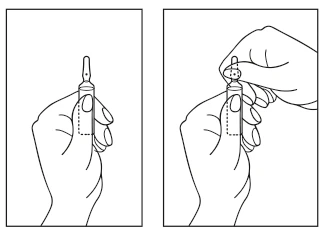
- Rotate the ampoule so that the coloured dot is on top. If solution is present in the upper part of the ampoule, gently tap with a finger to ensure all solution collects in the lower part.
- Use both hands to open the ampoule: hold the lower part of the ampoule in one hand and, with the other hand, snap off the top part of the ampoule away from the coloured dot (see illustrations below).
Stability after dilution
Chemical and physical in-use stability has been demonstrated for 48 hours after dilution at 25 °C and at temperatures from 2 to 8 °C, when protected from light.
From a microbiological standpoint, the product should be used immediately. If not used immediately, responsibility for storage conditions and duration lies with the user.
Any unused medicinal product or waste material should be disposed of in accordance with local regulations.