Ferrum lek
Poland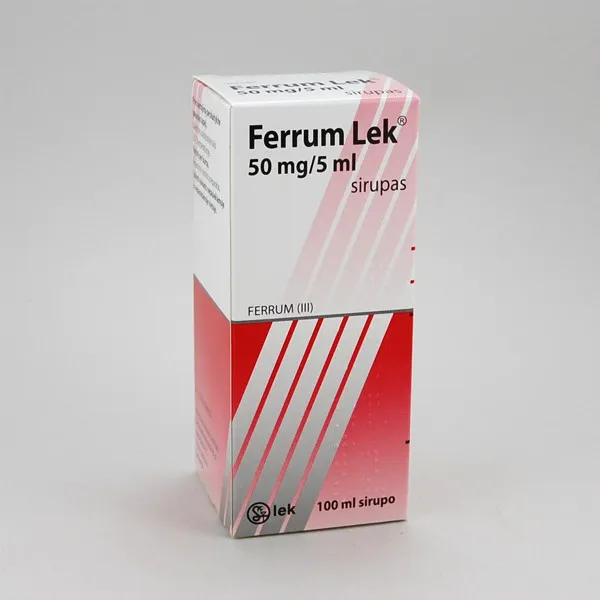
Table of Contents
Package leaflet: Information for the patient
Warning! Keep this leaflet! Information on the immediate packaging in a foreign language.
Ferrum Lek (Ferrum Lek 10 mg/ml), 50 mg iron(III)/5 ml, syrup
Ferri hydroxidum polymaltosum
Ferrum Lek and Ferrum Lek 10 mg/ml are different trade names for the same medicinal product.
Please read the entire leaflet before using the medicine, as it contains important information
for the patient.
- Keep this leaflet so that you can read it again if necessary.
- If you have any doubts, consult your doctor or pharmacist.
- This medicine has been prescribed for a specific individual. Do not pass it on to others. The medicine may harm someone else, even if their symptoms are the same.
- If you experience any adverse reactions, including any not listed in this leaflet, inform your doctor or pharmacist. See section 4.
Table of contents of the leaflet
- What Ferrum Lek is and what it is used for
- Important information before taking Ferrum Lek
- How to take Ferrum Lek
- Possible side effects
- How to store Ferrum Lek
- Contents of the pack and other information
1. What Ferrum Lek is and what it is used for
Iron is an essential component of red blood cells, muscles, and enzymes. Iron deficiency may cause chronic fatigue, lack of concentration, irritability, nervousness, headaches, loss of appetite, increased susceptibility to stress and infections, pallor, cracks at the corners of the mouth, dry skin, brittle hair and nails.
Ferrum Lek syrup contains iron in the form of iron(III) hydroxide complexed with a carbohydrate polymer, polymaltose. Polymaltose protects the patient's gastrointestinal tract from the harmful effects of iron. It also inhibits food interference with iron absorption. The structure of the iron(III) hydroxide-polymaltose complex resembles that of the naturally occurring iron-storage protein in the body, ferritin. Due to this similarity, iron enters the bloodstream through natural physiological processes.
Ferrum Lek is used:
- in the treatment of latent iron deficiency,
- in the treatment of iron deficiency anaemia (overt iron deficiency),
- in the prevention of iron deficiency during pregnancy.
2. Important information before using Ferrum Lek
When not to use Ferrum Lek
- if the patient is allergic to the active substance or to any of the other ingredients of this medicine (listed in section 6);
- if the patient has excessive iron stores in the body (e.g. haemochromatosis, haemosiderosis);
- if the patient has disorders of iron incorporation into haemoglobin structure (e.g. anaemia, anaemia caused by lead poisoning, sideroblastic anaemia, thalassaemia);
- if the patient has anaemia not caused by iron deficiency (e.g. haemolytic anaemia, megaloblastic anaemia due to vitamin B deficiency).
Warnings and precautions
Before starting treatment with Ferrum Lek, consult a doctor or pharmacist
if the patient has anaemia caused by infection or a tumour process.
Ferrum Lek and other iron-containing products may cause darkening of the stool.
This effect is clinically insignificant.
Discoloration of teeth may occur during treatment with Ferrum Lek. The discoloration should
resolve spontaneously after completion of treatment; it can also be removed using a toothpaste with
abrasive properties or by undergoing professional dental cleaning.
Children and adolescents
Particular caution should be exercised in children, as iron overdose may lead to poisoning.
Ferrum Lek and other medicines
Tell your doctor or pharmacist about all medicines the patient is currently taking or has recently
taken, as well as any medicines the patient plans to take.
No interactions have been reported to date. Because iron in Ferrum Lek is bound in a
complex, interactions with food components (including oxalates [found in vegetables], tannins
[in tea], vitamins A, D and E, and soya) or concomitantly administered medicines (such as
tetracyclines used to treat infections, or medicines that neutralise gastric acid) are unlikely.
Iron treatment does not affect the result of the occult blood test; therefore, if the doctor has
recommended such a test, there is no need to discontinue Ferrum Lek.
Do not take iron in other forms (e.g. injections or tablets) simultaneously. Inform the doctor if the
patient is taking Ferrum Lek and any other iron-containing medicine.
Pregnancy and breastfeeding
If the patient is pregnant or breastfeeding, suspects she may be pregnant, or is planning to have a
child, she should consult a doctor or pharmacist before using this medicine.
Pregnancy
There are no available data on the use of this medicine during the first trimester of pregnancy. No
severe adverse effects have been observed after administration of Ferrum Lek syrup at therapeutic
doses in the treatment of anaemia during pregnancy. Animal studies have not shown any risk to the
foetus or mother.
Breastfeeding
Iron passes into breast milk, where it is present in the form of lactoferrin. Only a small portion of
iron from the iron hydroxide polymaltose complex passes into breast milk. The risk to the breastfed
infant is low.
Ferrum Lek may be used during pregnancy and breastfeeding only on a doctor's advice.
Driving and operating machinery
Appropriate studies have not been conducted, but it is unlikely that Ferrum Lek syrup will affect
the ability to drive or operate machinery.
Ferrum Lek contains sucrose, sorbitol, alcohol (ethanol), parahydroxybenzoates, propylene glycol, and sodium
Sucrose
Ferrum Lek syrup contains 1 g of sucrose in each 5 ml (1 measuring spoon). This should be taken
into account in patients with diabetes.
If the patient has previously been diagnosed with intolerance to certain sugars, the patient should
consult a doctor before taking the medicine.
Sorbitol
Ferrum Lek syrup contains 2 g of sorbitol in each 5 ml (1 measuring spoon). Sorbitol is a source of
fructose. If the patient (or the patient's child) has previously been diagnosed with intolerance to
certain sugars or hereditary fructose intolerance, a rare genetic disorder in which the patient's
body cannot break down fructose, the patient should consult a doctor before taking the medicine or
giving it to a child.
Sorbitol may cause gastrointestinal discomfort and may have a mild laxative effect.
Ethanol
Ferrum Lek syrup contains 16.25 mg of alcohol (ethanol) in each 5 ml (1 measuring spoon). The
amount of alcohol in 5 ml of this medicine is equivalent to less than 1 ml of beer or 1 ml of wine. The
small amount of alcohol in this medicine will not cause noticeable effects.
Methyl parahydroxybenzoate (E 218) and propyl parahydroxybenzoate (E 216)
The medicine may cause allergic reactions (including delayed-type reactions).
Propylene glycol
The medicine contains 1.5 mg of propylene glycol in each 5 ml (1 measuring spoon). Before
administering the medicine to a child under 4 weeks of age, consult a doctor or pharmacist,
especially if the child is taking other medicines containing propylene glycol or alcohol.
Sodium
The medicine contains less than 1 mmol (23 mg) of sodium per 5 ml of syrup (1 measuring spoon),
meaning the medicine is considered "sodium-free".
3. How to use Ferrum Lek
This medicine should always be used as directed by a physician. If in doubt, consult your doctor or pharmacist. The dosage and duration of treatment depend on the extent of iron deficiency. The recommended dosages are given below.
Instructions for use
- This medicine should be taken during or immediately after a meal. The daily dose can be divided into separate doses or taken as a single dose.
- Ferrum Lek syrup may be mixed with fruit or vegetable juice or added to food given to the child in a bottle. A slight change in the colour of food or drink does not affect the taste or efficacy of the medicine.
- The syrup dose should be measured using the measuring spoon provided with the package. The spoon has two markings indicating volumes of 2.5 ml and 5 ml. The full capacity of the measuring spoon is 6 ml.
Latent iron deficiency
Treatment lasts approximately one to two months.
Infants up to 1 year of age
Ferrum Lek syrup should not be used due to the very small doses required in this age group.
Children from 1 to 12 years of age
2.5 to 5 ml (from / to 1 measuring spoon) of Ferrum Lek syrup per day.
Children over 12 years of age, adults and breastfeeding women
5 to 10 ml (1 to 2 measuring spoons) of Ferrum Lek syrup per day.
Iron deficiency anaemia (overt iron deficiency)
Treatment lasts from three to five months. Your doctor may recommend longer treatment depending on blood test results.
Infants up to 1 year of age
Initial dose of Ferrum Lek syrup is 2.5 ml ( / measuring spoon) per day. The doctor may then gradually increase the dose up to 5 ml (1 measuring spoon) per day.
Children from 1 to 12 years of age
5 to 10 ml (1 to 2 measuring spoons) of Ferrum Lek syrup per day.
Children over 12 years of age, adults and breastfeeding women
The usual daily dose is 10 to 30 ml (2 to 6 measuring spoons).
Pregnant women
Latent iron deficiency and prevention of iron deficiency
5 to 10 ml (1 to 2 measuring spoons) per day.
Iron deficiency anaemia (overt iron deficiency)
20 to 30 ml (4 to 6 measuring spoons) of Ferrum Lek syrup per day, followed by 10 ml (2 measuring spoons) daily for at least the remainder of the pregnancy.
Daily doses of Ferrum Lek for prevention and treatment of iron deficiency
| Iron deficiency anemia | Latent iron deficiency | Prevention | |
| Infants (up to 1 year) | 2.5–5 ml (25–50 mg of iron) | ||
| Children (from 1 year to 12 years) | 5–10 ml (50–100 mg of iron) | 2.5–5 ml (25–50 mg of iron) | |
| Children (over 12 years), adults, and breastfeeding women | 10–30 ml (100–300 mg of iron) | 5–10 ml (50–100 mg of iron) | |
| Pregnant women | 20–30 ml (200–300 mg of iron) | 10 ml (100 mg of iron) | 5–10 ml (50–100 mg of iron) |
Ferrum Lek syrup should not be used for the indications marked with a (-) sign in the table due to the excessively small volumes (doses) of the medicinal product required for administration to the patient.
Accidental overdose of Ferrum Lek medicinal product
If an overdose is accidentally taken, consult a physician immediately.
Cases of poisoning or iron overload caused by Ferrum Lek syrup have not been reported to date.
Missed dose of Ferrum Lek medicinal product
If a dose is missed, take the next dose as soon as remembered, then continue treatment according to the physician's instructions.
Do not take a double dose to make up for the missed dose.
If you have any further doubts concerning the use of this medicinal product, consult your physician or pharmacist.
4. Possible adverse reactions
Like all medicines, this medicine can cause adverse reactions, although not everyone experiences them.
Very common adverse reactions (may occur in more than 1 in 10 people):
- Discoloration of stools
Common adverse reactions (may occur in less than 1 in 10 people):
- Diarrhoea
- Nausea
- Abdominal pain (including dyspepsia, discomfort in the upper abdomen, bloating)
- Constipation
Uncommon adverse reactions (may occur in less than 1 in 100 people):
- Vomiting
- Discoloration of teeth
- Gastritis
- Itching
- Rash (including maculopapular rash, vesicular rash)
- Urticaria
- Erythema
- Headache
Rare adverse reactions (may occur in less than 1 in 100 people):
- Muscle cramps, muscle pain
Reporting of adverse reactions
If any adverse reactions occur, including any adverse reactions not listed in this leaflet, inform your doctor or pharmacist. Adverse reactions can be reported directly to the Department of Monitoring Adverse Drug Reactions of the Office for Registration of Medicinal Products, Medical Devices and Biocidal Products, Al. Jerozolimskie 181C, 02-222 Warsaw, phone: +48 22 4921301, fax: +48 22 4921309, website: https://smz.ezdrowie.gov.pl.
Reporting adverse reactions helps to provide more information on the safety of the medicine.
5. How to store Ferrum Lek
Keep this medicine out of sight and reach of children!
Store below 30°C.
Do not use after the expiry date stated on the container. The expiry date refers to the last day of the stated month.
Do not dispose of medicines via wastewater or household waste. Ask your pharmacist how to dispose of medicines no longer in use. Such measures help protect the environment.
Shelf life after first opening the bottle: 2 months.
6. Contents of the packaging and other information
What Ferrum Lek contains
The active substance is iron(III) in the form of iron(III) hydroxide polymaltose complex.
1 ml of syrup contains 10 mg of iron(III) as iron(III) hydroxide polymaltose complex.
5 ml (1 measuring spoon) of syrup contains: 50 mg of iron(III) as iron(III) hydroxide polymaltose complex.
The other ingredients are: sucrose, sorbitol 70% solution, methyl parahydroxybenzoate (E 218),
propyl parahydroxybenzoate (E 216), ethanol 96%, cream flavouring (contains propylene glycol (E 1520)), purified water, sodium hydroxide.
For more detailed information, please contact the responsible party or parallel importer.
Marketing Authorisation Holder in Latvia, country of export:
Sandoz d.d.
Verovškova 57
SI-1000 Ljubljana
Slovenia
Manufacturer:
Lek Pharmaceuticals d.d.
Verovškova 57
1526 Ljubljana
Slovenia
Parallel Importer:
InPharm Sp. z o.o.
ul. Strumykowa 28/11
03-138 Warsaw
Poland
Repackaged in:
InPharm Sp. z o.o. Services sp. k.
ul. Chełmżyńska 249
04-458 Warsaw
Poland
Marketing Authorisation Number in Latvia, country of export: 00-0561
Parallel Import Authorisation Number: 132/25