Euthyrox n 112 mcg
Poland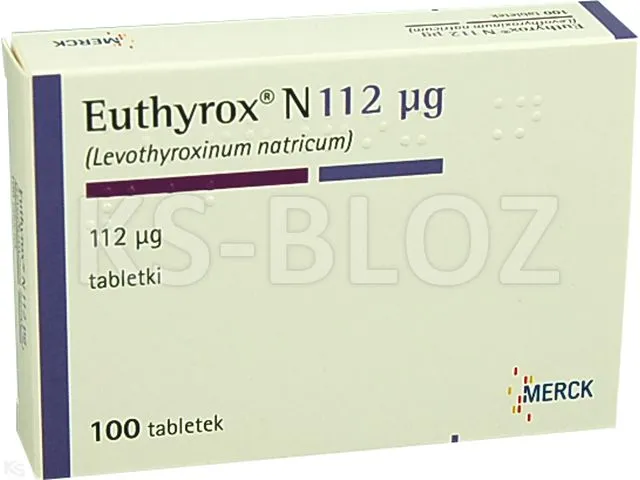
Table of Contents
Patient Information Leaflet
Euthyrox N 88 μg, 88 micrograms, tablets
Euthyrox N 112 μg, 112 micrograms, tablets
Euthyrox N 137 μg, 137 micrograms, tablets
Levothyroxinum natricum
Please read all of this leaflet carefully before taking this medicine, because it contains
important information for the patient.
- Keep this leaflet. You may need to read it again.
- If you have any further questions, please ask your doctor or pharmacist.
- This medicine has been prescribed for a specific individual. Do not pass it on to others. It may harm them even if their symptoms are the same as yours.
- If you experience any adverse reactions, including any not listed in this leaflet, tell your doctor or pharmacist. See section 4.
Table of contents
- What Euthyrox N is and what it is used for
- Important information before taking Euthyrox N
- How to take Euthyrox N
- Possible side effects
- How to store Euthyrox N
- Contents of the pack and other information
1. What Euthyrox N is and what it is used for
Levothyroxine sodium, the active substance in Euthyrox N, is a synthetic thyroid hormone
used in the treatment of thyroid diseases and thyroid function disorders.
It has the same action as the thyroid hormones naturally present in the body.
Euthyrox N 88 μg; Euthyrox N 112 μg and Euthyrox N 137 μg is used:
- for the treatment of goitre in patients with normal thyroid function, mainly adults, in whom iodine treatment is not indicated,
- to prevent recurrence of goitre in patients after surgery,
- to replace deficient natural thyroid hormones when the thyroid gland does not produce sufficient amounts of hormones,
- to suppress tumour growth in patients with thyroid cancer.
Euthyrox N 88 μg, Euthyrox N 112 μg and Euthyrox N 137 μg are also used to normalize
thyroid hormone levels in patients who are receiving antithyroid drugs due to excessive
production of thyroid hormones.
2. Important information before using Euthyrox N
When not to use Euthyrox N
- if the patient is allergic to the active substance or to any of the other ingredients of this medicine (listed in section 6),
- if the patient has untreated hypopituitarism or if thyroid hormones are being produced in excess (untreated hyperthyroidism),
- if the patient has adrenal cortex insufficiency and is not receiving appropriate replacement therapy,
- if the patient has recently suffered a myocardial infarction, myocarditis, or acute inflammation of all layers of the heart (pancarditis).
Euthyrox N must not be used concomitantly with antithyroid drugs if the patient is pregnant (see "Pregnancy and breastfeeding" below).
Warnings and precautions
Before starting treatment with this medicine, inform your doctor if any of the following conditions are present:
- inadequate blood flow in the coronary blood vessels (angina pectoris),
- heart failure,
- cardiac arrhythmias,
- arterial hypertension,
- atherosclerosis of blood vessels.
These disorders must be adequately controlled before initiating treatment with Euthyrox N. During treatment with Euthyrox N, regular monitoring of thyroid hormone levels is necessary. If there is any uncertainty whether the patient has any of the above-mentioned conditions or if these conditions are untreated, consult a doctor.
Before starting treatment with Euthyrox N, inform the doctor if the patient has adrenal cortex insufficiency.
The doctor will perform appropriate tests to determine whether the patient has disorders of adrenal or pituitary function, or a certain type of thyroid dysfunction with uncontrolled overproduction of thyroid hormones (autonomous thyroid function), as specific treatment may be required before starting Euthyrox N.
When initiating levothyroxine treatment in preterm infants with very low birth weight, blood pressure should be monitored regularly, as a sudden drop in arterial blood pressure (so-called circulatory collapse) may occur.
If it becomes necessary to switch from one levothyroxine-containing medicine to another, thyroid hormone balance may be disturbed. Consult your doctor if you have any questions regarding switching medications. Close monitoring of clinical and biochemical parameters is required during the transition period. Inform your doctor if any adverse effects occur, as dose adjustment may be necessary.
Thyroid hormones should not be used for weight reduction. Taking them will not lead to weight loss if thyroid hormones are maintained at appropriate levels. Increasing the dose of the medicine without consulting a doctor may lead to severe and life-threatening adverse effects. Do not take high doses of levothyroxine in combination with other weight-loss medicines such as amfepramone, cathine, or phenylpropanolamine due to the possible increased risk of severe and life-threatening adverse effects.
Talk to your doctor:
- if the patient is peri- or postmenopausal; the doctor may recommend more frequent, regular monitoring of thyroid function due to the risk of osteoporosis;
- in case of diabetes or if taking anticoagulant drugs (medicines that reduce blood clotting);
- when starting or stopping orlistat treatment or changing orlistat therapy (a medicine used in the treatment of obesity); more frequent monitoring and appropriate dose adjustment may be necessary;
- in case of psychotic disorders, the doctor may recommend more frequent monitoring and appropriate dose adjustment;
- if laboratory tests to measure thyroid hormone levels are planned, the patient should inform the doctor or laboratory staff about current or recent biotin intake (also known as vitamin H, vitamin B7, or vitamin B8). Biotin may affect laboratory test results. Depending on the type of test, results may be falsely elevated or falsely decreased due to biotin intake. The doctor may advise the patient to discontinue biotin before laboratory testing. Also remember that other products the patient may be taking, such as multivitamin preparations or supplements for hair, skin, and nails, may also contain biotin. This may affect laboratory test results. If the patient takes such products, they should inform the doctor or laboratory staff (see section "Euthyrox N with other medicines").
Euthyrox N and other medicines
Tell your doctor about all medicines the patient is currently taking or has recently taken, as well as any medicines the patient plans to take.
If any of the following medicines are being taken, inform your doctor, as Euthyrox N may affect their action:
- antidiabetic drugs (medicines that lower blood glucose): Euthyrox N may reduce the effectiveness of antidiabetic drugs, so additional blood glucose monitoring may be necessary, especially at the beginning of Euthyrox N treatment. During Euthyrox N treatment, a change in the dose of antidiabetic medication may be required;
- anticoagulants (coumarin derivatives): Euthyrox N may enhance the effect of these drugs, increasing the risk of bleeding, especially in elderly patients. Therefore, regular monitoring of blood coagulation parameters may be necessary, particularly at the beginning of Euthyrox N treatment. During Euthyrox N treatment, a dose adjustment of coumarin-derived anticoagulants may be required.
When taking any of the following medicines concomitantly with Euthyrox N, it is essential to follow the recommended time intervals between administration of the medicines:
- bile acid sequestrants and cholesterol-lowering agents (cholestyramine or colestipol): Euthyrox N should be taken 4 to 5 hours before these medicines, as they may inhibit the intestinal absorption of Euthyrox N;
- antacids, sucralfate (used in the treatment of gastric and intestinal ulcers), other medicines containing aluminium, medicines containing iron, or medicines containing calcium: Euthyrox N should be taken at least 2 hours before these medicines, otherwise they may reduce the effectiveness of Euthyrox N.
If any of the following medicines are being taken, inform your doctor, as they may reduce the effectiveness of Euthyrox N:
- propylthiouracil (an antithyroid drug),
- glucocorticoids (anti-allergic and anti-inflammatory drugs),
- beta-blockers (drugs that lower blood pressure, also used in the treatment of heart diseases),
- sertraline (an antidepressant),
- sevelamer (a drug used to lower phosphate levels in patients with chronic kidney failure),
- tyrosine kinase inhibitors (drugs used in cancer treatment),
- chloroquine or proguanil (drugs used in the treatment or prevention of malaria),
- drugs that induce certain liver enzymes, such as barbiturates (sedatives and hypnotics), carbamazepine (an anticonvulsant also used to relieve certain types of pain and control mood disorders), or herbal medicines containing St. John's wort (Hypericum perforatum),
- oestrogen-containing medicines, used in hormone replacement therapy during or after menopause or for contraception,
- proton pump inhibitors (such as omeprazole, esomeprazole, pantoprazole, rabeprazole, and lansoprazole) used to reduce gastric acid secretion, which may impair levothyroxine absorption from the intestine and reduce its effectiveness. If the patient is taking levothyroxine during treatment with proton pump inhibitors, the doctor should monitor thyroid function and adjust the dose of Euthyrox N if necessary,
- orlistat (a medicine used in the treatment of obesity).
If any of the following medicines are being taken, inform your doctor, as they may enhance the effect of Euthyrox N:
- salicylates (drugs used to relieve pain and reduce fever),
- dicoumarol (a drug that reduces blood clotting),
- high-dose furosemide, above 250 mg (a diuretic),
- clofibrate (a lipid-lowering drug).
If taking orlistat, inform your doctor. Concomitant use of Euthyrox N and orlistat may lead to hypothyroidism and/or worsening control of hypothyroidism.
If taking protease inhibitors (drugs used in the treatment of HIV infections, e.g. ritonavir, indinavir, lopinavir) or phenytoin (an anticonvulsant), which may affect the action of Euthyrox N, inform your doctor.
In such cases, thyroid hormone testing and dose adjustment may be necessary.
If taking amiodarone (a drug used in the treatment of cardiac arrhythmias), inform your doctor, as this drug may affect thyroid function.
Inform your doctor about taking Euthyrox N if a diagnostic test involving administration of an iodine-containing contrast agent is required, as this test involves an injection affecting thyroid function.
If the patient is currently taking or has recently taken biotin, they must inform the doctor or laboratory staff if thyroid hormone laboratory tests are to be performed. Biotin may affect laboratory test results (see "Warnings and precautions").
Euthyrox N with food and drink
If the diet includes soy-containing products, inform your doctor, especially if the amount of such products consumed changes. Soy-containing products may reduce the intestinal absorption of Euthyrox N, and therefore an appropriate dose adjustment of Euthyrox N may be necessary.
Pregnancy and breastfeeding
If the patient is pregnant or breastfeeding, suspects she may be pregnant, or plans to have a child, she should consult a doctor or pharmacist before using this medicine.
During pregnancy, Euthyrox N should be continued under medical supervision, as dose adjustment may be necessary.
If Euthyrox N was used concomitantly with an antithyroid drug in the treatment of excessive thyroid hormone production, the doctor will advise discontinuing Euthyrox N after conception.
Antithyroid drugs must not be used concomitantly during pregnancy.
Diagnostic tests involving suppression of thyroid function should not be performed during pregnancy.
During breastfeeding, Euthyrox N should be continued as recommended by the doctor. The concentration of levothyroxine passing into breast milk is too low to affect the infant.
Driving and using machines
No studies on the effect of the medicine on the ability to drive vehicles or operate machinery have been conducted. It is not expected that Euthyrox N will have any effect on the ability to drive and use machines when used according to recommendations, as levothyroxine is identical to the naturally occurring form.
Euthyrox N contains sodium
The medicine contains less than 1 mmol (23 mg) of sodium per tablet, meaning the medicine is considered "sodium-free".
3. How to take Euthyrox N
This medicine should always be taken exactly as prescribed by your doctor. If in doubt, consult your doctor or pharmacist.
Your doctor will determine the appropriate individual dose for each patient based on clinical evaluation and laboratory tests. Treatment usually starts with a low dose, which is increased every 2–4 weeks until the full, individually adjusted dose is reached.
During the first weeks of treatment, laboratory tests will be necessary to allow your doctor to adjust the appropriate dose.
Typical dosage ranges are shown in the table below. Lower doses may be sufficient for individuals who:
- are elderly,
- have heart disease,
- have severe or long-standing hypothyroidism,
- have low body weight or giant goitre.
| Use of Euthyrox N medication | Recommended daily dose of sodium levothyroxine |
| for treatment of euthyroid goitre in adults in whom iodine administration is not indicated | 75 – 200 micrograms |
| to prevent recurrence of goitre after surgery | 75 – 200 micrograms |
to replace deficiency of natural thyroid hormones in adults when their production by the thyroid gland is insufficient
| 25 – 50 micrograms 100 – 200 micrograms |
to replace deficiency of natural thyroid hormones in children and adolescents when their production by the thyroid gland is insufficient
| 12.5 – 50 micrograms 100 – 150 micrograms/m² body surface area |
| to suppress tumour growth in patients with thyroid cancer | 150 – 300 micrograms |
| to normalize thyroid hormone levels during treatment of excessive thyroid hormone production with antithyroid drugs | 50 – 100 micrograms |
Use in children and adolescents
In newborns and infants with congenital hypothyroidism, a condition involving insufficient production of thyroid hormones, rapid hormone replacement is essential. The recommended initial dose is 10 to 15 micrograms/kg body weight per day during the first 3 months of life.
Thereafter, the physician will individually adjust the dose based on clinical evaluation and serum concentrations of thyroid hormones and TSH.
Method of administration
Euthyrox N is intended for oral use.
The single daily dose should be taken in the morning on an empty stomach (at least half an hour before breakfast), preferably with a small amount of liquid, e.g. half a glass of water.
For infants, the entire daily dose of Euthyrox N should be administered once daily, at least half an hour before the first meal of the day. Immediately before administration, the tablet should be crushed and mixed with a small amount of water. This suspension should then be administered with a small additional amount of liquid.
A fresh suspension must be prepared each time before administration.
Duration of treatment
The duration of treatment may vary depending on the reason for using Euthyrox N. The physician will discuss the treatment duration individually with each patient.
Most patients need to take Euthyrox N for life.
If a dose adjustment is necessary, the physician may prescribe Euthyrox N with a different strength.
Use of a higher than recommended dose of Euthyrox N
If a higher than recommended dose is taken, symptoms such as rapid heartbeat, restlessness, agitation, or involuntary movements may occur. In patients with pre-existing neurological disorders such as epilepsy, single seizure episodes have been observed.
Overdose may cause hyperthyroidism and lead to symptoms of acute psychosis.
In such cases, medical advice should be sought immediately.
Missed dose of Euthyrox N
Do not take a double dose to make up for a missed dose. On the following day, resume the usual prescribed dose.
If you have any further questions regarding the use of this medicine, consult your doctor or pharmacist.
4. Possible side effects
Like all medicines, this medicine can cause side effects, although not everybody will experience them.
Euthyrox N is identical to the natural thyroid hormone. Therefore, if Euthyrox N is taken at the dose prescribed by your doctor and if laboratory tests are performed regularly, side effects should not occur.
You must stop taking the medicine and consult your doctor immediately if sudden symptoms of hypersensitivity to the components of Euthyrox N occur: swelling of the face, tongue or throat, difficulty swallowing, breathing difficulties (angioedema); respiratory system reactions (worsening shortness of breath); skin reactions (rash, urticaria). The frequency of occurrence of these side effects is unknown.
If a higher dose of Euthyrox N than recommended is taken, or if the recommended dose is poorly tolerated (e.g. due to rapid dose escalation), some of the following side effects may occur: irregular or rapid heartbeat, palpitations, angina-like chest pain, headache, weakness or muscle cramps, hot flushes (feeling of warmth and facial flushing), fever, vomiting, menstrual disorders, pseudotumor cerebri (increased intracranial pressure), tremor, motor restlessness, sleep disturbances, sweating, weight loss, diarrhoea.
If any of the above symptoms occur, you should contact your doctor.
The doctor may decide to interrupt treatment for a few days or reduce the daily dose until symptoms resolve.
Reporting of side effects
If any adverse effects occur, including any adverse effects not listed in this leaflet, inform your doctor or pharmacist. Side effects can be reported directly to the Department of Monitoring Adverse Drug Reactions, Office for Registration of Medicinal Products, Medical Devices and Biocidal Products
Al. Jerozolimskie 181C, 02-222 Warsaw
Tel.: + 48 22 49 21 301
Fax: + 48 22 49 21 309
Website: https://smz.ezdrowie.gov.pl
Side effects can also be reported to the marketing authorisation holder.
By reporting side effects, additional information on the safety of this medicine can be collected.
5. How to store Euthyrox N
Keep this medicine out of sight and reach of children.
Do not use Euthyrox N after the expiry date stated on the blister pack or carton after "Expiry date (EXP)". The expiry date refers to the last day of the stated month.
Store below 25°C.
Store in the original outer packaging to protect from light.
Medicines must not be disposed of via wastewater or household waste. Ask your pharmacist how to dispose of medicines no longer required. These measures help protect the environment.
6. Contents of the package and other information
What Euthyrox N contains
- The active substance is sodium levothyroxine. Each tablet contains 88 micrograms, 112 micrograms, or 137 micrograms of sodium levothyroxine.
- The other ingredients are: maize starch, citric acid, gelatin, sodium croscarmellose, magnesium stearate, and mannitol (E 421).
What Euthyrox N looks like and contents of the pack
Euthyrox N tablets are whitish, round, flat, with a bisecting groove on both sides, bevelled edges, and an imprint on one side:
Euthyrox N 88 µg: EM 88
Euthyrox N 112 µg: EM 112
Euthyrox N 137 µg: EM 137
The tablet may be divided into equal doses.
Euthyrox N is available in packs containing 50 or 100 tablets in a cardboard box.
Not all pack sizes may be marketed.
Marketing Authorisation Holder
Merck Sp. z o.o.
Al. Jerozolimskie 142B
02-305 Warsaw, Poland
tel. + 48 22 53 59 700
Logo of the marketing authorisation holder
Manufacturer
Merck Healthcare KGaA
Frankfurter Strasse 250
64293 Darmstadt, Germany
FAMAR HEALTH CARE SERVICES MADRID, S.A.U.
Avda. Leganés, 62
Alcorcón, 28923 Madrid, Spain
Corden Pharma GmbH
Otto-Hahn-Straße
68723 Plankstadt, Germany
Manufacturer/Importer
Merck Healthcare KGaA
Frankfurter Strasse 250
64293 Darmstadt, Germany