Eltroxin
Poland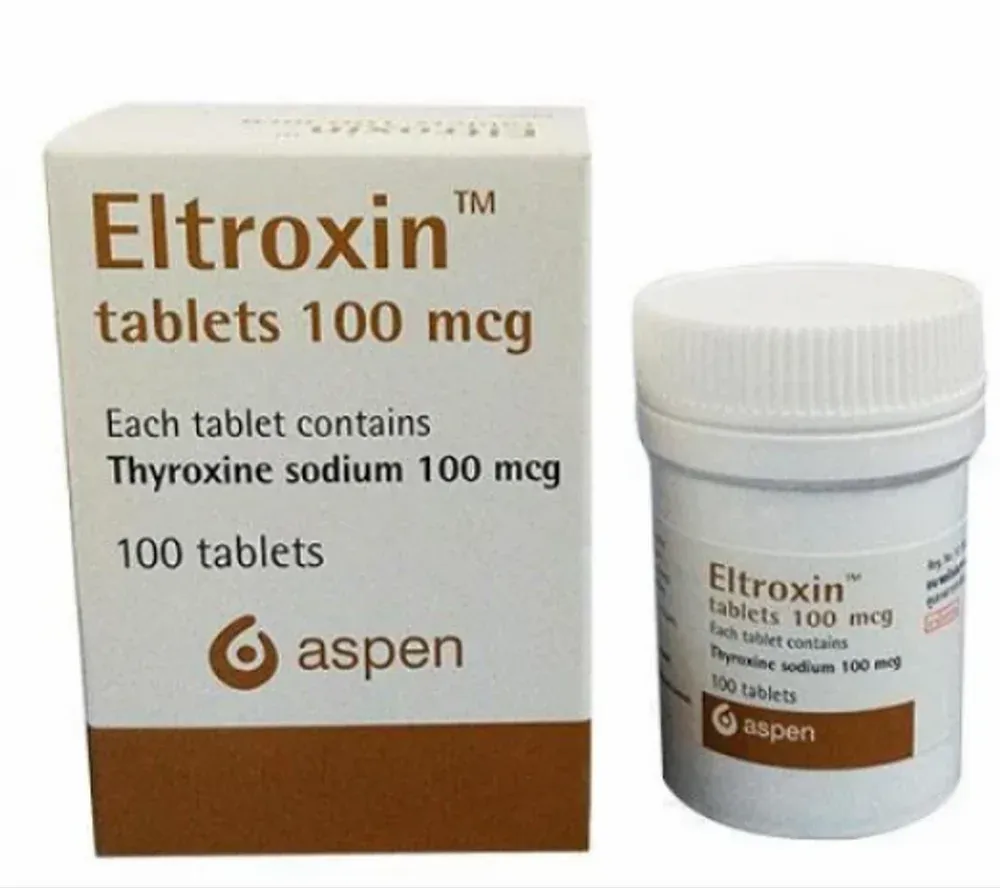
Table of Contents
Package leaflet: Information for the patient
Warning! Keep this leaflet. The information on the immediate packaging is in a foreign language.
Eltroxin (Thevier 50), 50 micrograms, tablets
Levothyroxinum natricum
Eltroxin and Thevier 50 are different trade names for the same medicine.
Please read this leaflet carefully before taking the medicine, as it contains important information for the patient.
- Keep this leaflet, so that you can read it again if necessary.
- If you have any doubts, please consult your doctor or pharmacist.
- This medicine has been prescribed for a specific individual. Do not give it to others. This medicine may harm another person, even if their symptoms are the same.
- If you experience any adverse effects, including any adverse effects not listed in this leaflet, please inform your doctor, pharmacist, or nurse. See section 4.
Table of contents:
- What Eltroxin is and what it is used for
- Important information before taking Eltroxin
- How to take Eltroxin
- Possible side effects
- How to store Eltroxin
- Contents of the pack and other information
1. What Eltroxin is and what it is used for
Eltroxin contains sodium levothyroxine anhydrous, a synthetic thyroid hormone.
Thyroxine is normally produced in the body by the thyroid gland, a gland located in the neck.
It affects many bodily functions, primarily growth and metabolism.
Eltroxin is used in the treatment of hypothyroidism, a condition in which the thyroid gland does not produce sufficient amounts of thyroxine.
2. Important Information Before Using Eltroxin
When not to use Eltroxin
- if the patient is allergic to sodium levothyroxine or any of the other ingredients of this medicine (listed in section 6),
- if the patient has hyperthyroidism,
- in case of myocardial infarction, acute myocarditis or acute pericarditis,
- if the patient has adrenal insufficiency (adrenal cortex failure) and is not receiving appropriate replacement therapy.
During pregnancy, Eltroxin must not be used simultaneously with medicines used to treat hyperthyroidism (antithyroid drugs).
If any of the above conditions apply to the patient, they must inform their doctor.
Warnings and precautions
Before starting treatment with Eltroxin, discuss this with your doctor or pharmacist.
- Rapid dose escalation may lead to adverse reactions (listed in section 4). If any adverse reactions occur, inform your doctor.
- Medicines containing thyroid hormones are not suitable for weight reduction. Taking them will not result in weight loss if thyroid hormone levels are within the normal range. Increasing the dose without specific medical advice may cause severe or even life-threatening adverse reactions, especially if thyroid hormones are used together with other weight-loss medicines.
- If the patient is taking weight-loss medicines, e.g. orlistat, they should inform their doctor before using Eltroxin. A minimum 4-hour interval must be maintained between taking Eltroxin and orlistat.
- When switching from one medicine containing levothyroxine to another, disturbances in thyroid function may occur. In case of any questions regarding such a switch, consult your doctor or other healthcare professional. Close monitoring of the patient (clinical and biological parameters) is necessary during the transition period. Contact your doctor if any adverse reactions occur, as dose adjustment may be required.
- If the patient is scheduled for laboratory tests measuring thyroid hormone levels, they should inform their doctor or laboratory staff about current or recent biotin intake (also known as vitamin H, vitamin B7 or vitamin B8). Biotin may interfere with laboratory test results. Depending on the type of test, results may be falsely elevated or falsely decreased due to biotin intake. The doctor may advise the patient to discontinue biotin before laboratory testing. Also note that other products the patient may be taking, such as multivitamin preparations or supplements for hair, skin and nails, may also contain biotin. This may affect laboratory test results. If the patient is taking such products, they should inform their doctor or laboratory staff (see information in section "Eltroxin with other medicines"). Before starting Eltroxin, inform your doctor if:
- the patient has diabetes – a change in the dose of antidiabetic medication may be necessary;
- the patient has high blood pressure, heart failure or heart attack (the doctor may recommend an ECG in patients with heart disease or in elderly patients);
- the patient has any disease affecting adrenal function (the doctor will advise if additional treatment is needed);
- the patient is over 50 years old;
- the patient has a history of long-term low thyroxine levels;
- the patient has seizures (epileptic fits), as their frequency may increase;
- the patient has myxoedema (a pale, soft swelling of the skin and subcutaneous tissue);
- the patient has malabsorption syndromes;
- the patient is pregnant or plans to become pregnant. In such a case, contact the doctor as soon as possible, who will closely monitor the pregnancy and adjust the levothyroxine dose if necessary (see section "Pregnancy, breastfeeding and fertility");
- the patient is postmenopausal;
- the patient has adrenal insufficiency (adrenal cortex failure).
Although some of the above situations may seem obvious, it is important to inform the doctor if any of them apply to the patient.
Children
When starting treatment with levothyroxine in preterm infants with very low birth weight, blood pressure should be monitored regularly, as a sudden drop in blood pressure (so-called circulatory collapse) may occur.
Eltroxin with other medicines
Inform your doctor about all medicines the patient is currently taking or has recently taken, as well as any medicines they plan to take, including those available without a prescription.
Some medicines may affect the action of Eltroxin. Eltroxin may also reduce or increase the effect of other medicines. The patient should inform their doctor if they are taking:
The following medicines may affect the absorption of Eltroxin
- cholestyramine, which reduces cholesterol (fat) levels in the blood;
- bile acid sequestrants (such as colestipol);
- ion-exchange resins (such as polystyrene sulfonate, sevelamer);
- iron supplements (e.g. ferrous sulfate);
- sucralfate, used in the treatment of peptic ulcer disease;
- compounds containing aluminium, magnesium, calcium, iron supplements;
- proton pump inhibitors (used to reduce stomach acid production);
- weight-loss medicines, e.g. orlistat.
The following medicines may affect the action of Eltroxin
- anticonvulsants (e.g. phenytoin, carbamazepine, barbiturates), used to prevent seizures;
- ciprofloxacin, used to treat infections;
- herbal medicines containing St. John's wort (Hypericum perforatum);
- propranolol, used to treat high blood pressure;
- medicines used to treat irregular heart rhythm (e.g. amiodarone);
- medicines containing lithium or iodide;
- oral contrast agents (liquids used in X-ray imaging);
- propylthiouracil, used to treat hyperthyroidism;
- glucocorticosteroids, e.g. dexamethasone, used to treat inflammatory conditions and allergic reactions;
- tyrosine kinase inhibitors (imatinib or sunitinib), tamoxifen and 5-fluorouracil, used in cancer treatment;
- methadone, used in addiction treatment;
- statins (e.g. simvastatin and lovastatin) and clofibrate, used to lower cholesterol levels;
- medicines containing hormones, such as oral contraceptives, estrogens, used in hormone replacement therapy;
- sertraline, used to treat depression and anxiety;
- ritonavir – used to control HIV infection and chronic hepatitis C virus infection;
- proton pump inhibitors (such as omeprazole, esomeprazole, pantoprazole, rabeprazole and lansoprazole) reduce stomach acid production, which may impair levothyroxine absorption from the intestine and reduce its effectiveness. If the patient is taking levothyroxine during treatment with proton pump inhibitors, the doctor should monitor thyroid function and adjust the Eltroxin dose if necessary.
Many medicines may affect laboratory test results assessing thyroid function.
Eltroxin may affect the action of the following medicines
- insulin and oral antidiabetic medicines, used to treat diabetes;
- anticoagulants (e.g. warfarin), used to treat blood clots;
- phenytoin (used to treat epilepsy);
- medicines known as cardiac glycosides (e.g. digoxin), used to treat heart conditions such as heart failure;
- sympathomimetic medicines, such as adrenaline;
- tricyclic antidepressants, used to treat depression.
Patients taking the following medicines should contact their doctor, as they may interfere with laboratory tests, making test results unreliable
- androgens and anabolic steroids (used in hormone replacement therapy);
- anti-inflammatory medicines, such as aspirin and phenylbutazone. If the patient is currently taking or has recently taken biotin, they must inform their doctor or laboratory staff if thyroid hormone laboratory tests are to be performed. Biotin may affect laboratory test results (see "Warnings and precautions").
Eltroxin with food and drink
Soy-containing mixtures and high-fibre diets may reduce the absorption of Eltroxin.
Pregnancy, breastfeeding and fertility
If the patient is pregnant or breastfeeding, suspects she may be pregnant, or plans to have a child, she should consult her doctor or pharmacist before using this medicine.
Pregnancy
Maintaining proper metabolic balance throughout pregnancy is essential for normal fetal development. Therefore, levothyroxine treatment should be continued throughout pregnancy, and the doctor may decide to adjust the dose at the beginning or during pregnancy.
For this reason, close monitoring of thyroid function will be initiated as soon as possible, especially during the first half of pregnancy. After delivery, thyroid function in the newborn should be checked.
During pregnancy, Eltroxin must not be taken simultaneously with medicines used to treat hyperthyroidism (antithyroid drugs). Eltroxin crosses the placenta in very small amounts, whereas antithyroid drugs cross the placenta easily. This may pose a risk of hypothyroidism in the newborn.
Breastfeeding
Replacement therapy with levothyroxine may be used during breastfeeding.
Fertility
No studies have been conducted on the effect of this medicine on fertility. Hypo- or hyperthyroidism may affect fertility.
Driving and operating machinery
No effect of Eltroxin on the ability to drive or operate machinery is expected.
3. How to use Eltroxin
This medicine should always be taken exactly as directed by your doctor. DO NOT take more than the dose prescribed by your doctor. If in doubt, consult your doctor or pharmacist.
The usual starting dose for adults is 50 micrograms to 100 micrograms daily. The dose may be increased after several weeks, depending on the patient's response to treatment, monitored by blood tests.
Patients taking Eltroxin together with other medicines that may interact with it should leave at least a 4-hour interval between taking Eltroxin and taking those medicines (see section 2 – "Eltroxin with other medicines").
Elderly patients and patients with heart disease
In patients over 50 years of age, the starting dose should not exceed 50 micrograms daily.
The recommended starting dose for patients with heart disease is 50 micrograms every other day.
Your doctor may then increase the daily dose by 50 micrograms every four weeks, as needed, until an optimal response to treatment is achieved.
Use in children
Children under 12 years of age:
The dose for children depends on age, body weight, and the type of disease being treated.
Your doctor will monitor the child's condition to ensure they receive the appropriate dose.
The maintenance dose is usually 100 to 150 micrograms per m² of body surface area.
In newborns and infants with congenital hypothyroidism, in whom rapid initiation of replacement therapy is essential, the recommended starting dose is 10 to 15 micrograms per kg of body weight daily for the first 3 months. The dose should then be individually adjusted based on clinical evaluation and thyroid hormone and TSH levels.
In children with acquired hypothyroidism, the recommended starting dose is 12.5 to 50 micrograms daily. The dose should be gradually increased every 2 to 4 weeks based on clinical evaluation and thyroid hormone and TSH levels until the full replacement dose is reached.
Method of administration
The tablets should be swallowed with a glass of water, preferably before breakfast. Eltroxin tablets should be taken on an empty stomach.
Infants should receive the full daily dose at once, at least 30 minutes before the first meal of the day. The tablets should be dispersed in a small amount of water (10 to 15 ml). This suspension, freshly prepared immediately before each administration, should be given together with an additional small amount of liquid (5 to 10 ml).
Eltroxin tablets should not be crushed or divided.
Always follow exactly the instructions provided on your doctor's prescription. Never take more or fewer tablets than prescribed without consulting your doctor.
Taking more Eltroxin than prescribed
If you take more tablets than prescribed, or if someone else takes this medicine, contact your doctor or the nearest hospital emergency department immediately. Take the medicine packaging, any remaining tablets, and this leaflet with you so that medical staff know which medicine has been taken. The following symptoms may occur: excitation (nervousness), confusion, irritability, hyperactivity, headache, sweating, dilated pupils, rapid heartbeat, irregular heartbeat, fast breathing, fever, increased bowel movements, and seizures. Clinical signs of hyperthyroidism may also appear up to five days after overdose. Thyroid storm is rare following chronic overdose and may lead to irregular heartbeat, heart failure, and coma.
If you miss a dose of Eltroxin
If you forget to take your daily dose, take the usual dose as soon as you remember, unless it is almost time for your next scheduled dose. Do not take a double dose to make up for a missed one. Take the next dose at the usual time.
Stopping Eltroxin
If treatment needs to be discontinued, Eltroxin should be withdrawn gradually under medical supervision.
If you have any further doubts about how to use this medicine, consult your doctor or pharmacist.
4. Possible adverse reactions
Like all medicines, this medicine can cause adverse reactions, although not everyone experiences them.
If the dose of Eltroxin is too high, the following adverse reactions may occur.
All medicines can cause allergic reactions. The frequency of such reactions with Eltroxin is unknown.
If sudden symptoms occur, such as: wheezing, difficulty breathing, eyelid, facial or lip swelling, sudden facial flushing, rash and itching (especially affecting the whole body), seek immediate medical advice.
Other serious adverse reactions (frequency unknown):
- Angina-like chest pain, cardiac arrhythmias (irregular heartbeat), palpitations (excessive heartbeat), heart failure (circulatory failure), myocardial infarction;
- Hyperthyroidism;
- Pseudotumor cerebri (increased intracranial pressure and visual disturbances);
- Excessive dosage in children may lead to craniosynostosis (premature fusion of skull bones before completion of brain growth) and premature closure of epiphyseal cartilage, which may affect adult height.
If any of these symptoms occur, discontinue taking Eltroxin and seek immediate medical attention.
Other possible adverse reactions (frequency unknown):
- Tachycardia (rapid heartbeat), high blood pressure;
- Seizures;
- Decreased bone density;
- Headache;
- Tremor, anxiety, emotional lability, nervousness, psychomotor agitation, excitation;
- Insomnia;
- Muscle cramps or muscle weakness;
- Abdominal pain, nausea, vomiting, abdominal cramps;
- Diarrhea;
- Increased appetite, decreased body weight;
- Fever, sweating, fatigue (exhaustion, tiredness);
- Intolerance to high temperature;
- Excessive sweating, hair loss;
- Irregular menstruation, infertility;
- Fluid accumulation (edema);
- Angioedema, rash, urticaria. If any of these symptoms occur, consult a doctor. These symptoms usually resolve after dose adjustment.
Reporting of adverse reactions
If any adverse reactions occur, including those not listed in this leaflet, inform your doctor, pharmacist, or nurse. Adverse reactions can also be reported directly to the Department of Monitoring of Adverse Drug Reactions, Office for Registration of Medicinal Products, Medical Devices and Biocidal Products, Al. Jerozolimskie 181 C, 02-222 Warsaw, Tel.: +48 22 49 21 301, Fax: +48 22 49 21 309, Website: https://smz.ezdrowie.gov.pl
Reporting adverse reactions helps provide further information on the safety of the medicine.
5. How to store Eltroxin
Keep the medicine out of sight and reach of children.
Do not store above 25°C. Store the tablets in a tightly closed container to protect from light and moisture.
Do not use this medicine after the expiry date stated on the packaging. The expiry date refers to the last day of the stated month.
Medicines must not be disposed of via the sewage system or household waste. Ask your pharmacist how to dispose of medicines no longer in use. This will help protect the environment.
6. Contents of the packaging and other information
What Eltroxin contains
- The active substance is levothyroxine sodium. One tablet contains 50 micrograms of sodium levothyroxine (Levothyroxinum natricum) calculated as the anhydrous substance.
- Other components of the medicine are: microcrystalline cellulose, maize starch, talc, colloidal anhydrous silica, magnesium stearate.
What Eltroxin looks like and contents of the pack
White to almost white, round, biconvex tablets with a division line and embossed with the code "GS 51F".
The pack contains 100 tablets in a container placed in a cardboard box.
For more detailed information, please contact the marketing authorisation holder or the parallel importer.
Marketing authorisation holder in Germany, the country of export:
Aspen Pharma Trading Limited
3016 Lake Drive
Citywest Business Campus
Dublin 24, Ireland
Manufacturer:
Aspen Bad Oldesloe GmbH
Industriestrasse 32-36
23843 Bad Oldesloe
Germany
Parallel importer:
Delfarma Sp. z o.o.
ul. Św. Teresy od Dzieciątka Jezus 111
91-222 Łódź
Repackaged in:
Delfarma Sp. z o.o.
ul. Św. Teresy od Dzieciątka Jezus 111
91-222 Łódź
German marketing authorisation number, country of export: 6080298.00.00
Parallel import authorisation number: 177/25