Dysport
Poland
Table of Contents
Dysport
300 units; 500 units of neurotoxin complex Clostridium botulinum type A,
powder for solution for injection
Please read the entire leaflet carefully before use, as it contains information important for the patient.
Keep this leaflet, so that you can read it again if necessary.
- If you have any doubts, please consult your doctor or pharmacist.
- This medicine has been prescribed for a specific individual. Do not pass it on to others. The medicine may harm someone else, even if their symptoms are the same.
- If the patient experiences any adverse effects, including any adverse effects not listed in this leaflet, inform your doctor or pharmacist. See section 4.
Contents of the leaflet:
- What Dysport is and what it is used for
- Important information before using Dysport
- How to use Dysport
- Possible side effects
- How to store Dysport
- Contents of the pack and other information
1. What Dysport is and what it is used for
Dysport contains the neurotoxin complex of Clostridium botulinum type A (commonly known as botulinum toxin) produced by the bacterium Clostridium botulinum (botulinum bacillus). Its action consists of inhibiting muscle contraction by preventing the release of a chemical substance in the muscles that causes physiological muscle contraction. This helps reduce abnormal muscle tension known as muscle spasm.
Indications
- Symptomatic treatment of focal spasticity of lower limbs in children with cerebral palsy aged 2 years and older
- Symptomatic treatment of focal spasticity of upper limbs in children with cerebral palsy aged 2 years and older
- Urinary incontinence due to bladder problems associated with spinal cord injury or multiple sclerosis in patients who perform regular clean intermittent catheterization
- Cervical dystonia in adults
- Blepharospasm in adults
- Hemifacial spasm in adults
- Upper limb spasticity in adults
- Lower limb spasticity in adults
- Excessive underarm sweating (axillary hyperhidrosis)
2. Important information before using Dysport
When not to use Dysport
- if the patient is allergic (hypersensitive) to botulinum toxin or to any of the other ingredients of Dysport (listed in section 6)
- if the patient has a urinary tract infection at the time of treatment for urinary incontinence.
Warnings and precautions
Before starting treatment with Dysport, discuss with your doctor:
- if the patient has muscle-related disorders or diseases, e.g. myasthenia gravis (a chronic condition characterized by rapid muscle fatigue and weakness)
- if muscles at the proposed injection site show signs of atrophy
- if swallowing or breathing difficulties have previously been diagnosed
- if there is significant muscle weakness
- if the patient suffers from chronic respiratory disorders
- if there is a tendency to bleed
- if there is inflammation or infection at the proposed injection site
Particular caution should be exercised when using Dysport for the treatment of lower limb spasticity due to an increased risk of falls in adults, especially in elderly patients.
When Dysport is injected into muscles around the eyes, dry eye may occur, which could lead to damage of the eye surface (see section 4). To prevent this, protective eye drops, ointments, or an eye shield covering the eye may be necessary. Your doctor will inform you whether such measures are required.
During injections into the urinary bladder for the treatment of urinary incontinence, an uncontrolled autonomic reflex response (autonomic dysreflexia, e.g. excessive sweating, throbbing headache, elevated blood pressure, or increased heart rate) may occur due to the nature of the procedure.
Special warnings
- Very rarely, botulinum toxin may cause weakening of muscles distant from the injection site.
- In a small number of patients treated with Dysport, antibodies against botulinum toxin have developed. This has been manifested by a marked decrease in response to therapy and the need for progressively higher doses.
Dysport and other medicines
Inform your doctor or pharmacist about all medicines currently used, recently used, or planned for use.
Some medicines affecting neuromuscular function may enhance the effect of Dysport.
Pregnancy and breastfeeding
If the patient is pregnant, breastfeeding, suspects she may be pregnant, or is planning to become pregnant, she should consult her doctor or pharmacist before using this medicine.
Dysport is not recommended for use during pregnancy unless clearly necessary.
Dysport is not recommended for use in breastfeeding women.
Children and adolescents
In the treatment of spasticity associated with cerebral palsy, Dysport should be used in children aged 2 years and older.
Driving and operating machinery
After injection of Dysport, transient muscle weakness and visual disturbances may occur.
In such cases, patients should not drive or operate machinery.
This medicine contains albumin (a type of protein) derived from human blood.
The possibility of transmission of infectious agents is extremely unlikely, but cannot be completely excluded.
3. How to use Dysport
Dysport will be administered by a doctor, who will decide how often the medicine should be given. This will depend on the type of condition diagnosed in the patient.
Dysport should be used for only one patient and only during a single therapeutic session.
In the symptomatic treatment of focal spasticity in lower limbs in children:
Children aged 2 years or older: the dose will be determined by the doctor. Dysport is injected into the muscles of the lower limbs affected by spasticity.
The total dose of Dysport per single therapeutic session must not exceed 1000 units or 30 units/kg, whichever is lower. Injections will be performed approximately every 16–22 weeks or as needed, but no more frequently than every 12 weeks.
In the symptomatic treatment of focal spasticity in upper limbs in children:
Children aged 2 years or older: the dose will be determined by the doctor. Dysport is injected into the muscles of the upper limb affected by spasticity. When administered into one upper limb, the dose per single therapeutic session must not exceed 640 units or 16 units/kg, whichever is lower. When administered into both upper limbs during the same therapeutic session, the dose must not exceed 840 units or 21 units/kg, whichever is lower. Usually, muscle spasms should improve within a few weeks after treatment, and the effect typically lasts up to 34 weeks. The doctor will repeat the treatment approximately every 16–28 weeks or as needed, but no more frequently than every 16 weeks.
In the simultaneous treatment of focal spasticity in upper and lower limbs in children:
If during the same therapeutic session treatment of both upper and lower limbs is required, the doctor should determine the dose of Dysport to be injected into each limb, without exceeding the total dose per single therapeutic session of 1000 units or 30 units/kg, whichever is lower. Repeated simultaneous treatment of upper and lower limbs should not be considered earlier than 12–16 weeks after the previous therapeutic session.
In the treatment of urinary incontinence:
The initial dose injected into the detrusor muscle is 600 units; however, for subsequent injections, the doctor may decide to increase the dose up to 800 units.
Dysport will be administered during cystoscopy. A cystoscope, equipped with a light source at the tip, will be inserted into the bladder through the urethral opening (urethral meatus) through which urine is passed. This allows the doctor performing the procedure to visualize the inside of the bladder, enabling injection of Dysport into the bladder wall. Dysport will be administered only in patients undergoing clean intermittent catheterization (CIC). CIC is a procedure in which a catheter (a soft, hollow tube inserted into the urethra to facilitate emptying urine from the bladder) is temporarily introduced into the bladder and then removed after bladder emptying. For further details regarding the procedure, please consult your doctor.
To prevent urinary tract infection, antibiotic treatment will be necessary. If you are taking anticoagulant medication, your doctor will appropriately adjust your treatment before and after Dysport injection. Prior to injection, the patient may receive local or general anaesthesia or a sedative. The patient will be observed for at least 30 minutes after the injection. Symptoms usually resolve within 2 weeks, and improvement may last up to 48 weeks. The doctor will decide whether to repeat treatment as needed, but no more frequently than every 12 weeks.
In the treatment of cervical dystonia:
The usual initial dose of Dysport is 500 units. The doctor may divide this dose and inject it at several sites in the neck, typically into 2 or 3 of the most active muscles. A lower dose may be given to patients with significant underweight or elderly patients. Relief from muscle spasms usually occurs within 1 week. Depending on the duration of the treatment effect, additional doses (250–1000 units) may be administered approximately every 12–16 weeks.
In the treatment of blepharospasm and hemifacial spasm:
The doctor will administer injections into the affected areas of the face. The initial dose is 40 units per eye. Depending on the duration of the treatment effect, injections may be repeated approximately every 12 weeks. If a longer duration of effect is required, the Dysport dose may be increased up to 80 units per eye. The maximum administered dose must not exceed a total of 120 units per eye.
In the treatment of upper limb spasticity in adults:
Depending on the doctor's decision, Dysport will be injected at a dose ranging from 500 to 1000 units. The doctor may divide this dose and inject it into individual muscles of the hand and arm. Relief from muscle spasms usually occurs within one week. Injections will be performed approximately every 12–16 weeks.
In the treatment of lower limb spasticity in adults:
Dysport is usually administered at a dose of 1500 units. The doctor may divide this dose and inject it into individual muscles of the lower limb. Injections will be performed approximately every 12–16 weeks.
In the treatment of upper and lower limb spasticity in adults:
If during a single treatment session there is a need to administer the medicine into both upper and lower limb muscles, the doctor may divide the dose between the muscles of these two body parts. In this case, the total dose of the medicine must not exceed 1500 units.
In the treatment of axillary hyperhidrosis:
Dysport is usually administered at a dose of 100 units per axilla. The doctor will divide this dose and inject it into 10 sites within the axilla. Maximum effect should be visible around the second week after administration. The maximum administered dose must not exceed 200 units per axilla.
Use of a higher than recommended dose of Dysport
If a higher than recommended dose of Dysport is administered, the patient may experience muscle weakness in muscles other than those into which the medicine was injected. Symptoms of overdose may not occur immediately after injection. If such symptoms occur, contact your doctor immediately. In case of difficulty breathing, swallowing, or speaking, seek medical attention at the nearest healthcare facility without delay.
4. Possible adverse reactions
Like all medicines, this medicine can cause adverse reactions, although not everyone experiences them.
You should inform the doctor immediately if:
- the patient has problems with swallowing, breathing, or speaking
- the patient experiences difficulty breathing, with or without swelling of the face, lips, tongue and (or) throat, skin redness or itchy, raised rash (urticaria). The appearance of such symptoms may indicate that the patient is allergic to Dysport.
The likelihood of occurrence of adverse reactions has been classified according to the following categories:
| Frequency of occurrence | |
| Very common | may occur in more than 1 in 10 people |
| Common | may occur in up to 1 in 10 people |
| Uncommon | may occur in up to 1 in 100 people |
| Rare | may occur in up to 1 in 1000 people |
| Frequency not known | Frequency cannot be estimated based on available data |
Some adverse reactions may occur in all patients treated with Dysport,
while the occurrence of other adverse reactions may depend on the type of condition
for which the medicine is administered. Please read the information relating to the appropriate
condition.
The following adverse reactions have been reported (regardless of indication):
Common:
- Bruising and/or pain at the injection site
- Generalized weakness
- Fatigue
- Influenza-like symptoms Uncommon:
- Itching Rare:
- Rash, neuralgia with muscle atrophy Unknown frequency (frequency cannot be estimated from available data):
- Numbness
- Muscle atrophy
Other adverse reactions related to the spread of the drug beyond the injection site have also been reported (increased muscle weakness, swallowing disorders, or aspiration with fatal outcome in very rare cases).
Symptomatic treatment of focal spasticity of lower limbs in children with cerebral palsy
The following adverse reactions have been reported:
Common:
- Muscle pain
- Decreased muscle strength in the lower limb
- Urinary incontinence
- Influenza-like symptoms
- Pain, redness, bruising at the injection site
- Gait disturbance
- Fatigue
- Falls Uncommon:
- Decreased strength and weakness
Symptomatic treatment of focal spasticity of upper limbs in children with cerebral palsy
The following adverse reactions have been reported:
Common:
- Muscle weakness
- Muscle pain
- Influenza-like symptoms
- Fatigue
- Itching, bruising, pain, swelling, and rash at the injection site
- Rash Uncommon:
- Decreased strength and weakness
Concomitant treatment of focal spasticity of upper and lower limbs in children with cerebral palsy
No additional adverse reactions were observed during concomitant treatment of upper and lower limbs within the same therapeutic session compared to administering the medicine separately into the upper or lower limb.
Treatment of urinary incontinence due to uncontrolled contractions of the bladder muscles
The following adverse reactions have been reported:
Common:
- Hematuria*
- Constipation
- Bacteria in urine*
- Erectile dysfunction, sometimes referred to as impotence
- Urinary tract infection*
- Headache
- Fever Uncommon:
- Numbness
- Muscle weakness
- Bladder pain*
- Uncontrolled autonomic reflex response (autonomic dysreflexia)*
- Inability to empty the bladder (urinary retention)
- Bleeding from the bladder or from the tube that carries urine out of the bladder to the outside of the body (urethra) *This adverse reaction may be related to the procedure
Treatment of cervical dystonia
The following adverse reactions have been reported:
Very common:
- Difficulty swallowing (dysphagia)
- Dry mouth
- Muscle weakness Common:
- Headache
- Facial muscle weakness
- Dizziness
- Blurred vision
- Worsening of visual acuity
- Shortness of breath
- Neck pain
- Musculoskeletal pain
- Muscle pain
- Pain in hands and fingers
- Muscle stiffness
- Change in voice quality (dysphonia) Uncommon:
- Double vision
- Drooping of the lower or upper eyelid
- Loss of muscle tissue
- Jaw muscle weakness
- Nausea Rare:
- Aspiration (choking)
Treatment of blepharospasm and hemifacial spasm
The following adverse reactions have been reported:
Very common:
- Drooping of the lower or upper eyelid Common:
- Dry eyes
- Double vision
- Excessive tearing
- Eyelid swelling
- Facial paresis (facial muscle weakness) Uncommon:
- Facial nerve paralysis Rare:
- Ocular muscle paralysis (limited eye movement)
- Eyelid inversion
Treatment of upper limb spasticity in adults
The following adverse reactions have been reported:
Common:
- Muscle weakness
- Musculoskeletal pain
- Pain in hands and fingers
- Pain, redness, swelling at the injection site
- Fatigue, weakness
- Influenza-like symptoms Uncommon:
- Swallowing difficulties
Treatment of lower limb spasticity in adults
The following adverse reactions have been reported:
Common:
- Falls
- Muscle weakness
- Muscle pain
- Swallowing difficulties (dysphagia)
- Weakness
- Fatigue
- Influenza-like symptoms
- Bruising, pain, rash, itching at the injection site
Treatment of excessive underarm sweating (axillary hyperhidrosis)
The following adverse reactions have been reported:
Common:
- Shortness of breath
- Compensatory sweating (increased sweating in areas other than underarms)
- Back, shoulder, and neck pain
- Back and calf muscle pain Uncommon:
- Dizziness
- Headache
- Tingling or numbness in hands or feet
- Involuntary eyelid twitching
- Facial flushing
- Nosebleed
If any of the adverse reactions worsen or if any adverse reactions not listed in this leaflet occur, consult a doctor or pharmacist.
Reporting of adverse reactions
If any adverse reactions occur, including any not listed in this leaflet, inform your doctor. Adverse reactions can be reported directly to the Department of Monitoring of Adverse Drug Reactions, Office for Registration of Medicinal Products, Medical Devices and Biocidal Products
Al. Jerozolimskie 181C
02-222 Warsaw
Tel.: + 48 22 49 21 301
Fax: + 48 22 49 21 309
Website: https://smz.ezdrowie.gov.pl
Adverse reactions can also be reported to the marketing authorization holder or its representative.
Reporting adverse reactions helps to provide more information on the safety of the medicine.
5. How to store Dysport
Keep this medicine out of sight and reach of children.
Do not use this medicine after the expiry date stated on the container.
Store Dysport in a refrigerator (2°C - 8°C). Do not freeze.
The solution should be used immediately after reconstitution. After reconstitution, the solution may be stored for up to 24 hours in a refrigerator (2°C – 8°C).
Expiry date (EXP)
Batch number (Lot)
6. Contents of the pack and other information
What Dysport contains
- The active substance is botulinum toxin type A, 300 or 500 units/vial
- The other ingredients are human albumin and lactose monohydrate. Neurotoxin complex of Clostridium botulinum type A
What Dysport looks like and contents of the pack
Dysport is a white powder for solution for injection. Packs containing 1 or 2 vials are available.
Marketing Authorisation Holder
IPSEN PHARMA
70 rue Balard
75015 Paris
France
Importer
Ipsen Manufacturing Ireland Limited, Blanchardstown Industrial Park
Blanchardstown, Dublin 15, Ireland
Additional information or the patient information leaflet in a format suitable for blind or visually impaired persons is available upon request from:
Ipsen Poland Sp. z o.o.
ul. Chmielna 73
00-801 Warsaw
tel.: 22 653 68 00
fax: 22 653 68 22
Logo of the Marketing Authorisation Holder
--------------------------------------------------------------------------------------------------------------
Information intended exclusively for healthcare professionals:
To improve the traceability of biological medicinal products, the name and batch number of the administered product should be clearly recorded.
The units of the Dysport medicinal product are specific to this product and are not equivalent to the units of other products containing botulinum toxin.
Dysport should be administered only by appropriately trained physicians.
The exposed rubber stopper should be wiped with alcohol immediately before piercing with a needle. Use sterile 23 or 25 gauge needles.
The following instructions describe the reconstitution procedure for Dysport prior to injection. The solvent volumes indicated below yield concentrations intended for use in specific indications, except for the indication of urinary incontinence due to neurogenic detrusor overactivity, for which detailed instructions are provided separately (see below).
| Obtained dose in units in ml | Volume of solvent* added to the 300 unit vial | Volume of solvent* added to the 500 unit vial |
| 500 units 200 units 100 units | 0.6 ml 1.5 ml 3 ml | 1 ml 2.5 ml 5 ml |
* 0.9% sodium chloride injection solution without preservatives
In children, where the dose is determined based on units per kg of body weight, further dilution may be necessary
to achieve the appropriate injection volume.
Focal spasticity in children with cerebral palsy aged 2 years or older
Focal spasticity of lower limbs in children with cerebral palsy
The maximum total dose of Dysport medicinal product administered during a single therapeutic session
must not exceed 15 IU/kg body weight when administered into one lower limb or
30 IU/kg body weight when administered into both lower limbs. The total dose of Dysport medicinal product during
a single therapeutic session must not exceed 1000 units or 30 IU/kg body weight, whichever is lower.
The total dose should be divided among the lower limb muscles affected by spasticity. If possible, the dose per muscle should be
administered at more than one injection site. The maximum volume of drug administered intramuscularly at a single injection site must not exceed 0.5 ml. Recommended dosing is presented in the table below.
| Muscle | Recommended dosage range per muscle per leg (units/kg body weight) | Number of injection sites per muscle |
| Distal | ||
| Gastrocnemius | 5 to 15 u/kg | Up to 4 |
| Plantaris | 4 to 6 u/kg | Up to 2 |
| Posterior tibialis | 3 to 5 u/kg | Up to 2 |
| Proximal | ||
| Hamstrings | 5 to 6 u/kg | Up to 2 |
| Adductor muscles of the hip joint | 3 to 10 u/kg | Up to 2 |
| Total dose per limb | Up to 15 u/kg/limb when injecting only into distal muscles, only into proximal muscles, or at multiple levels (into both distal and proximal muscles). | |
Focal spasticity of upper limbs in children with cerebral palsy aged 2 years or older
The maximum dose of Dysport medicinal product administered during a single therapeutic session with unilateral injection must not exceed 16 units/kg body weight or 640 units, whichever is lower. For bilateral injection, the maximum dose of Dysport medicinal product administered during a single therapeutic session must not exceed 21 units/kg body weight or 840 units, whichever is lower.
The total administered dose should be divided among the muscles affected by spasticity in the upper limb(s). No more than 0.5 ml of Dysport medicinal product should be injected into a single site. Recommended dosing according to muscle in children with upper limb spasticity is presented in the table below:
Dysport dosing by muscle in children with upper limb spasticity
| Muscle | Recommended dose range per muscle of the upper limb (units/kg body weight) | Number of injection sites per muscle |
| Deltoid muscle | 3 to 6 units/kg | Up to 2 |
| Brachioradialis muscle | 1.5 to 3 units/kg | 1 |
| Biceps brachii muscle | 3 to 6 units/kg | Up to 2 |
| Pronator teres muscle | 1 to 2 units/kg | 1 |
| Pronator quadratus muscle | 0.5 to 1 unit/kg | 1 |
| Flexor carpi radialis muscle | 2 to 4 units/kg | Up to 2 |
| Flexor carpi ulnaris muscle | 1.5 to 3 units/kg | 1 |
| Flexor digitorum profundus muscle | 1 to 2 units/kg | 1 |
| Flexor digitorum superficialis muscle | 1.5 to 3 units/kg | Up to 4 |
| Flexor pollicis brevis muscle / Abductor pollicis brevis muscle | 0.5 to 1 unit/kg | 1 |
| Adductor pollicis muscle | 0.5 to 1 unit/kg | 1 |
| Total dose | Up to 16 units/kg per upper limb (do not exceed 21 units/kg when injecting both upper limbs) | |
Focal spasticity of lower limbs and upper limbs in children with cerebral palsy aged 2 years or older
Dosing
When treating spasticity of both upper and lower limbs simultaneously in children, refer to the dosing section relevant to the specific indication, i.e., treatment of focal spasticity of upper limbs or treatment of focal spasticity of lower limbs in children. When treating both indications simultaneously, the total dose of Dysport product must not exceed the maximum dose administered during a single therapeutic session of 30 units/kg body weight or 1000 units, whichever is lower.
Re-treatment of upper and lower limbs should be considered when the effect of the previous injection diminishes, with re-administration no sooner than 12–16 weeks after the previous therapeutic session. The optimal time for re-treatment should be determined based on disease progression and response to therapy.
Administration method
For treatment of spasticity of lower limbs or upper limbs associated with cerebral palsy, or for both indications, Dysport medicinal product solution is used, reconstituted with 0.9% (w/v) sodium chloride solution and administered intramuscularly as described above.
Urinary incontinence due to neurogenic detrusor overactivity
Dosing
The recommended dose is 600 units. In cases of inadequate response to treatment or in patients with severe disease (e.g., depending on the severity of objective and subjective symptoms and/or urodynamic parameters), a dose of 800 units may be used.
The medicinal product Dysport should be administered to patients who regularly perform clean intermittent catheterization.
The total dose should be divided into 30 injections evenly distributed throughout the detrusor muscle, avoiding the trigone area. Dysport is injected using a flexible or rigid cystoscope, with each injection delivered to a depth of approximately 2 mm, administering 0.5 ml at each site. To ensure the full dose is delivered, approximately 0.5 ml of sterile saline solution should be injected during the final injection.
Administration method
The medicinal product Dysport is administered as injections into the detrusor muscle, as described above. For the treatment of urinary incontinence due to neurogenic detrusor overactivity, a Dysport medicinal product solution containing 600 or 800 units in 15 ml is used, obtained by reconstituting the medicinal product with 0.9% (9 mg/ml) sodium chloride solution.
Preparation instructions for the solution in the indication of urinary incontinence due to neurogenic detrusor overactivity:
The aim is to obtain the required volume of 15 ml of reconstituted Dysport medicinal product for injection, evenly divided between two 10 ml syringes, each containing 7.5 ml of reconstituted product at the same concentration.
After reconstitution in the syringe, the product should be used immediately.
Solution preparation instructions using 500-unit vials
- For a 600-unit dose: each of the two vials containing 500 units should be reconstituted using 2.5 ml of 0.9% (9 mg/ml) sodium chloride solution for injection without preservatives per vial. Withdraw 1.5 ml from the first vial into the first 10 ml syringe and 1.5 ml from the second vial into the second 10 ml syringe. Complete reconstitution by adding 6 ml of sodium chloride solution (9 mg/ml) without preservatives to each syringe and gently mix. This results in a total of 600 units of reconstituted Dysport medicinal product, distributed in two 10 ml syringes, each containing 7.5 ml of solution.
- For an 800-unit dose: each of the two vials containing 500 units should be reconstituted using 2.5 ml of sodium chloride solution (9 mg/ml) for injection without preservatives per vial. Withdraw 2 ml from the first vial into the first 10 ml syringe and 2 ml from the second vial into the second 10 ml syringe. Complete reconstitution by adding 5.5 ml of sodium chloride solution (9 mg/ml) without preservatives to each syringe and gently mix. This results in a total of 800 units of reconstituted Dysport medicinal product, distributed in two 10 ml syringes, each containing 7.5 ml of solution.
Solution preparation instructions using 300-unit vials
- For a 600-unit dose: each of the two vials containing 300 units should be reconstituted using 1.5 ml of sodium chloride solution (9 mg/ml) for injection without preservatives per vial. Withdraw the full 1.5 ml from the first vial into the first 10 ml syringe and the full 1.5 ml from the second vial into the second 10 ml syringe. Complete reconstitution by adding 6.0 ml of sodium chloride solution (9 mg/ml) without preservatives to each syringe and gently mix. This results in a total of 600 units of reconstituted Dysport medicinal product, distributed in two 10 ml syringes, each containing 7.5 ml of solution.
- For an 800-unit dose: each of the three vials containing 300 units should be reconstituted using 1.5 ml of sodium chloride solution (9 mg/ml) for injection without preservatives per vial. Into the first 10 ml syringe, withdraw the full 1.5 ml from the first vial and 0.5 ml from the second vial. Into the second 10 ml syringe, withdraw 0.5 ml from the second vial and the full 1.5 ml from the third vial. Complete reconstitution by adding 5.5 ml of sodium chloride solution (9 mg/ml) without preservatives to each syringe and gently mix. This results in a total of 800 units of reconstituted Dysport medicinal product, distributed in two 10 ml syringes, each containing 7.5 ml of solution.
Solution preparation instructions using a combination of 500-unit and 300-unit vials (applies exclusively to the 800-unit dose)
- For an 800-unit dose: reconstitute the vial containing 500 units using 2.5 ml of sodium chloride solution (9 mg/ml) for injection without preservatives; reconstitute the vial containing 300 units using 1.5 ml of sodium chloride solution (9 mg/ml) for injection without preservatives. Into the first 10 ml syringe, withdraw 2 ml from the vial containing 500 units. Into the second 10 ml syringe, withdraw the remaining 0.5 ml from the vial containing 500 units and the full 1.5 ml from the vial containing 300 units. Complete reconstitution by adding 5.5 ml of sodium chloride solution (9 mg/ml) without preservatives to each syringe and gently mix. This results in a total of 800 units of reconstituted Dysport medicinal product, distributed in two 10 ml syringes, each containing 7.5 ml of solution.
Cervical dystonia
Dosing
Recommended doses for the treatment of cervical dystonia apply to adults of all ages with normal body weight and without reduced neck muscle mass. In patients with reduced neck muscle mass, e.g., due to significant underweight, or in elderly patients, the dose may be reduced.
The recommended initial dose for the treatment of cervical dystonia is 500 units, administered in divided doses into two or three of the most active neck muscles.
For continued treatment, doses may be adjusted according to therapeutic response and observed adverse reactions. A dose range of 250 to 1000 units is recommended, although higher doses within this range may be associated with increased frequency and severity of adverse reactions, particularly dysphagia. The maximum administered dose must not exceed 1000 units. Improvement in cervical dystonia symptoms should be noticeable within one week after the first injection. Injections should be repeated approximately every 16 weeks or as needed to maintain therapeutic effect, but no more frequently than every 12 weeks.
For cervical dystonia with head rotation, a total dose of 500 units should be administered, with 350 units injected into the ipsilateral trapezius muscle (on the side to which the chin/head is turned) and 150 units into the contralateral sternocleidomastoid muscle.
For cervical dystonia with lateral head tilt, a total dose of 500 units is recommended, with 350 units injected into the trapezius muscle on the side of the tilt and 150 units into the sternocleidomastoid muscle on the same side.
If shoulder elevation is additionally present, treatment of the ipsilateral rhomboid and levator scapulae muscles may also be required if EMG examination reveals noticeable signs of hypertrophy of these muscles. When injection into three muscles is needed, the 500 units of product should be divided as follows: 300 units into the trapezius muscle, 100 units into the sternocleidomastoid muscle, and 100 units into the third muscle.
For cervical dystonia with head extension, a total dose of 500 units should be administered, with 250 units injected into each trapezius muscle. Injections into both trapezius muscles may increase the risk of neck muscle weakness.
For all other forms of cervical dystonia, identification and treatment of the most active muscles depend on the specialist physician’s expertise and EMG findings. EMG should be used in the diagnosis of all complex forms of cervical dystonia, for re-evaluation after ineffective injections in uncomplicated cases, and to guide injections into deep muscles or in overweight patients where palpation of neck muscles is difficult.
Administration method
For the treatment of cervical dystonia, a solution containing 500 units in 1 ml is used, obtained by reconstituting Dysport 300 units in 0.6 ml or Dysport 500 units in 1 ml of 0.9% (w/v) sodium chloride solution for injection. Dysport is administered intramuscularly as described above.
Bilateral blepharospasm and hemifacial spasm
Dosing
Inject 10 units (0.05 ml) of medicinal product medially and 10 units (0.05 ml) laterally relative to the junction of the palpebral and orbital portions of both the upper (3 and 4) and lower (5 and 6) parts of the orbicularis oculi muscle of each eye.
To minimize the risk of eyelid ptosis, injections should avoid the area near the levator palpebrae superioris muscle.

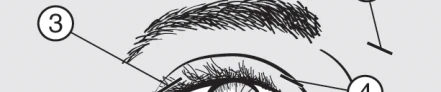
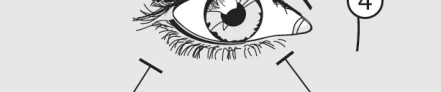

When injecting into the upper eyelid, the needle should be directed away from the midline of the eyelid to avoid injecting into the levator palpebrae superioris muscle. The diagram above is intended to assist in proper placement of the injections. Initial symptom improvement can be expected within 2 to 4 days after injection, but maximum effect usually occurs after two weeks.
Injections should be repeated approximately every 12 weeks or as frequently as necessary to prevent symptom recurrence, but no more frequently than every 12 weeks.
If the initial treatment response is considered inadequate, subsequent visits may require dose escalation up to 60 units as follows: 10 units (0.05 ml) medially and 20 units (0.1 ml) laterally; 80 units: 20 units (0.1 ml) medially and 20 units (0.1 ml) laterally; or up to 120 units: 20 units (0.1 ml) medially and 40 units (0.2 ml) laterally, above and below each eye, using the injection technique described above. Dysport may also be additionally injected into the frontalis muscle above the eyebrow (1 and 2) if spasms in this area cause visual disturbances.
In cases of unilateral blepharospasm, injections should be limited to the affected eye. Patients with hemifacial spasm should be treated in the same manner as those with unilateral blepharospasm. Recommended doses apply to adults of all ages, including the elderly.
Children: Efficacy and safety of this medicinal product for the treatment of blepharospasm and hemifacial spasm in children have not been established.
Administration method
For the treatment of blepharospasm and hemifacial spasm, a solution containing 200 units in 1 ml is used, obtained by reconstituting Dysport 300 units in 1.5 ml or Dysport 500 units in 2.5 ml of 0.9% (w/v) sodium chloride solution for injection. Dysport is administered via subcutaneous injections medially and laterally relative to the junction of the palpebral and orbital portions of both the upper and lower parts of the orbicularis oculi muscle of each eye.
Focal spasticity of upper and lower limbs in adults
Upper limb
Dosing
In clinical studies, doses of 500 and 1000 units were divided among selected muscles during defined treatment sessions according to the scheme outlined below.
No more than 1 ml of solution should be injected at a single site.
| Muscles injected | Recommended dose of Dysport product (units) |
| Flexor carpi radialis (FCR) Flexor carpi ulnaris (FCU) | 100–200 units 100–200 units |
| Flexor digitorum profundus (FDP) Flexor digitorum superficialis (FDS) Flexor pollicis longus Adductor pollicis | 100–200 units 100–200 units 100–200 units 25–50 units |
| Brachialis Brachioradialis Biceps brachii (BB) Teres pronator | 200–400 units 100–200 units 200–400 units 100–200 units |
| Triceps brachii (long head) Pectoralis major Subscapularis Latissimus dorsi | 150–300 units 150–300 units 150–300 units 150–300 units |
Lower limb
Dosage
The total dose of the medicinal product must not exceed 1500 units. No more than 1 ml of solution should be injected at a single site.
| Muscles injected | Recommended dose of Dysport product (units) | Number of injections per muscle |
| Distal | ||
| Trapezius muscle | 300–550 units | 2–4 |
| Gastrocnemius muscle | ||
| medial head | 100–450 units | 1–3 |
| lateral head | 100–450 units | 1–3 |
| Tibialis posterior muscle | 100–250 units | 1–3 |
| Flexor digitorum longus muscle | 50–200 units | 1–2 |
| Flexor digitorum brevis muscle | 50–200 units | 1–2 |
| Flexor hallucis longus muscle | 50–200 units | 1–2 |
| Flexor hallucis brevis muscle | 50–100 units | 1–2 |
| Proximal | ||
| Quadriceps femoris muscle | 100–400 units | 1–3 |
| Hamstring muscles | 100–400 units | 1–3 |
| Adductor magnus muscle | 100–300 units | 1–3 |
| Adductor longus muscle | 50–150 units | 1–2 |
| Adductor brevis muscle | 50–150 units | 1–2 |
| Sartorius muscle | 100–200 units | 1–3 |
| Gluteus maximus muscle | 100–400 units | 1–2 |
The degree and pattern of muscle spasticity at the time of re-injection may require adjustment of the Dysport dosage and injection sites.
Upper and lower limbs
If during a single therapeutic session there is a need to administer Dysport into muscles of both the upper and lower limbs, the dosage should be appropriately adjusted according to the patient's needs, keeping in mind that the total dose should not exceed 1500 units.
Method of administration
For the treatment of focal spasticity of upper and lower limbs, a solution containing 100, 200, or 500 units per 1 mL is used, prepared by reconstituting Dysport with 0.9% (w/v) sodium chloride injection solution. Dysport is administered by intramuscular injections into the specific muscles mentioned above.
Axillary hyperhidrosis
Dosage
The recommended initial dose for the treatment of axillary hyperhidrosis is 100 units per axilla. If the desired effect is not achieved, this dose may be increased to 200 units per axilla at the next administration. The maximum administered dose must not exceed 200 units per axilla.
The area to be injected should first be tested with an iodine-starch test. Both axillae must be thoroughly cleaned and disinfected. Ten intradermal injections should be administered at ten sites per axilla. Each injection site should receive 10 units, for a total of 100 units per axilla. The maximum effect should become evident approximately two weeks after injection.
Method of administration
For the treatment of axillary hyperhidrosis, a solution containing 200 units per 1 mL is used, prepared by reconstituting either 300-unit Dysport with 1.5 mL or 500-unit Dysport with 2.5 mL of 0.9% (w/v) sodium chloride injection solution. Dysport is administered by intradermal injections as described above.
Detailed information on dosage and method of administration is provided in the Product Characteristics.