Alotendin
Poland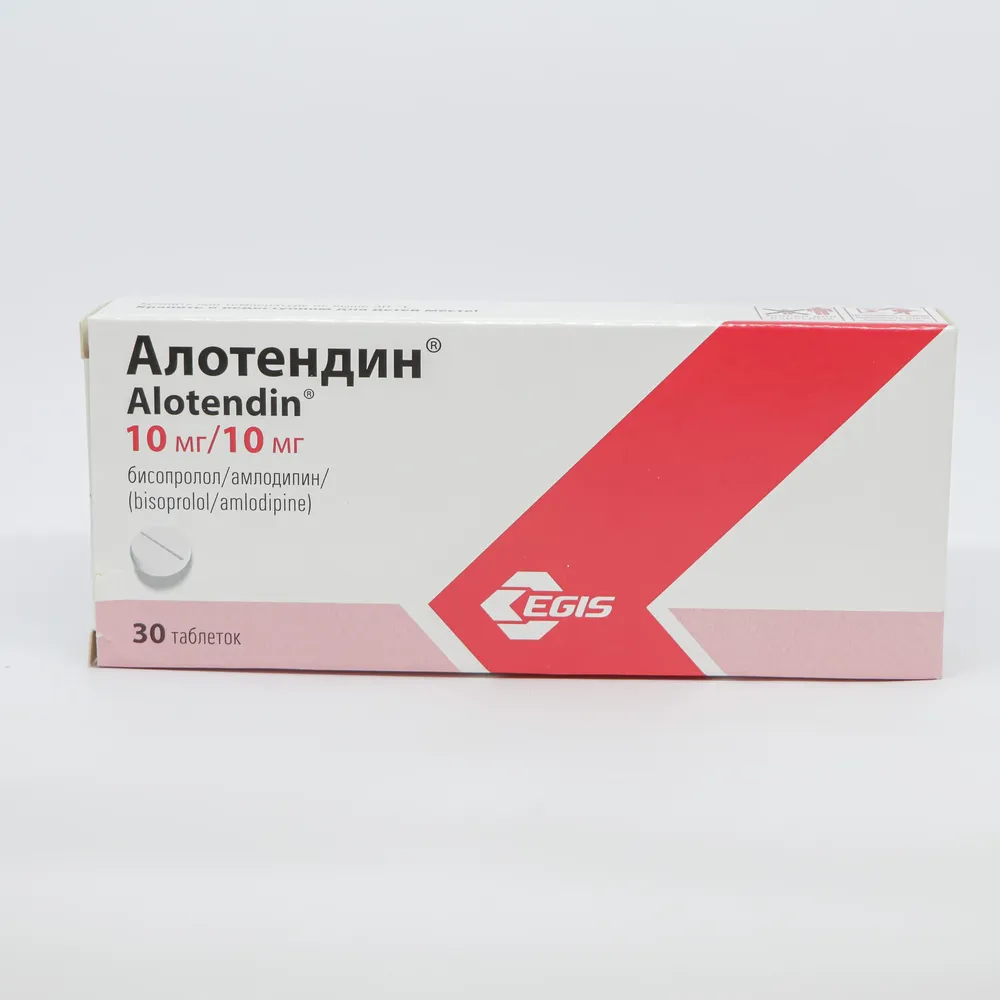
Table of Contents
Package leaflet: Information for the user
Alotendin, 5 mg + 5 mg, tablets
Alotendin, 5 mg + 10 mg, tablets
Alotendin, 10 mg + 5 mg, tablets
Alotendin, 10 mg + 10 mg, tablets
Bisoprololum fumaras + Amlodipinum
Please read all of this leaflet carefully before taking this medicine, because it contains
important information for you.
- Keep this leaflet, as you may need to read it again.
- If you have any further questions, please ask your doctor or pharmacist.
- This medicine has been prescribed for a specific individual. Do not pass it on to others. It may harm other people, even if their symptoms are the same.
- If you experience any adverse reactions, including any not listed in this leaflet, inform your doctor or pharmacist. See section 4.
Contents of the leaflet
- What Alotendin is and what it is used for
- What you need to know before taking Alotendin
- How to take Alotendin
- Possible side effects
- How to store Alotendin
- Contents of the pack and other information
1. What Alotendin is and what it is used for
Alotendin is indicated as replacement therapy for the treatment of hypertension in patients whose blood pressure is well controlled by the individual active substances given concomitantly at the same dosage strengths as contained in the fixed-dose combination, but administered in separate tablets.
2. Important information before using Alotendin
When not to use Alotendin
- if the patient is allergic to amlodipine or bisoprolol, dihydropyridine derivatives, or any of the other ingredients of this medicine (listed in section 6),
- if the patient has significant obstruction of the left ventricular outflow tract (e.g. due to severe aortic stenosis),
- if the patient has acute heart failure, unstable heart failure following a recent myocardial infarction, or severe heart failure requiring intravenous administration of drugs to increase cardiac contractility,
- if the patient has cardiogenic shock (in such cases blood pressure is extremely low, with circulatory collapse),
- if the patient has a heart condition characterized by very slow heart rate or irregular heartbeats (second- or third-degree atrioventricular block, sinoatrial block, sick sinus syndrome),
- if the patient has symptomatic bradycardia (slow heart rate),
- in case of symptomatic low blood pressure,
- in case of severe bronchial asthma,
- in case of severe peripheral circulatory disorders such as Raynaud's syndrome, characterized by numbness, pain, and pallor of fingers and toes upon exposure to cold,
- in case of untreated phaeochromocytoma, a rare adrenal gland tumour,
- in case of metabolic conditions where blood pH becomes acidic.
If the patient suspects having any of the above conditions, they should
consult a doctor before taking this medicine.
Warnings and precautions
Before starting treatment with Alotendin, discuss it with your doctor or pharmacist.
Alotendin must be administered with particular caution in the following cases.
Before starting Alotendin, discuss with your doctor if the patient:
- is elderly,
- has heart failure,
- has diabetes with large fluctuations in blood glucose levels,
- is not consuming solid food or is on a strict diet,
- is receiving anti-allergic (desensitizing) treatment, e.g. to prevent allergic rhinitis, as Alotendin may increase the likelihood or severity of allergic reactions,
- has minor disturbances in the heart's electrical conduction system (first-degree atrioventricular block),
- has certain heart conditions such as arrhythmias or coronary artery spasm that may cause impaired blood flow in the coronary vessels (Prinzmetal's angina),
- has mild peripheral circulatory disorders,
- has (or has had) psoriasis,
- has hyperthyroidism,
- has liver or kidney disease,
- has treated phaeochromocytoma, a rare adrenal gland tumour,
- has mild respiratory diseases such as bronchial asthma or other chronic obstructive pulmonary disease,
- is to receive anaesthesia (e.g. for a surgical procedure), as bisoprolol may alter the body's response to anaesthesia.
If any of the above conditions apply, the doctor may recommend special management (e.g.
additional pharmacological treatment).
Children and adolescents
This medicine should not be given to children and adolescents under 18 years of age, as
efficacy and safety have not been established in this age group.
Alotendin and other medicines
The therapeutic and adverse effects of medicines may be altered by other
medicines taken simultaneously.
Drug interactions are possible, even if the other medicine is taken only for a short period.
Inform your doctor or pharmacist about all medicines currently taken, recently taken, or planned to be taken.
Concomitant use of the following medicines with Alotendin is not recommended:
- Calcium antagonists of the verapamil and diltiazem type (medicines used in the treatment of high blood pressure and chronic stable angina pectoris).
- Clonidine, methyldopa, moxonidine, rilmenidine (so-called centrally acting antihypertensive agents): do not discontinue these medicines without consulting a doctor.
The following medicines may be taken concomitantly with Alotendin only in certain situations,
with particular caution and under medical supervision:
- Felodipine and nifedipine (medicines from the so-called calcium antagonist group, dihydropyridine derivatives, used in the treatment of hypertension or angina pectoris).
- Quinidine, disopyramide, lidocaine, phenytoin, flecainide, propafenone, amiodarone (some antiarrhythmic medicines used in the treatment of irregular or abnormal heart rhythms).
- Local-acting beta-adrenolytics (e.g. eye drops used in the treatment of glaucoma).
- Parasympathomimetics (increasing smooth muscle activity in stomach, intestinal, bladder disorders, and in glaucoma).
- Insulin and oral antidiabetic medicines.
- Sleeping medicines, anaesthetics.
- Cardiac glycosides (digitalis preparations used in the treatment of heart failure).
- Non-steroidal anti-inflammatory drugs (NSAIDs: used in the treatment of pain and joint inflammation).
- Isoprenaline, dobutamine, noradrenaline, adrenaline (so-called sympathomimetics used in the treatment of severe circulatory disorders and emergency conditions).
- Any medicines lowering blood pressure as a therapeutic or adverse effect (e.g. antihypertensives, tricyclic antidepressants, barbiturates, phenothiazines).
- Dantrolene (administered intravenously in severe body temperature disorders).
- Tacrolimus, sirolimus, temsirolimus and everolimus (medicines used to modify immune system activity).
- Simvastatin (a medicine reducing cholesterol levels).
- Cyclosporine (an immunosuppressive medicine).
The doctor will assess possible effects of concomitant use of the following medicines with Alotendin:
- Mefloquine (used for prevention or treatment of malaria).
- Monoamine oxidase inhibitors (MAOIs), except MAO-B inhibitors (used in the treatment of depression).
- Medicines affecting the metabolism of amlodipine or bisoprolol, e.g.
- ketoconazole, itraconazole (antifungal medicines),
- rifampicin, erythromycin, clarithromycin (antibiotics),
- ritonavir, indinavir, nelfinavir (used in the treatment of HIV infection),
- St John's wort (used in the treatment of depression).
- Ergotamine derivatives (used in the treatment of gynaecological bleeding).
Alotendin with food, drink and alcohol
Patients taking Alotendin should not consume grapefruit juice or grapefruits, as
they may increase blood levels of the active substance amlodipine, which could
result in an unpredictable intensification of Alotendin's blood pressure-lowering effect.
Alcohol may enhance the blood pressure-lowering effect of the medicine.
Pregnancy and breastfeeding
If the patient is pregnant or breastfeeding, suspects she may be pregnant, or plans to become pregnant,
she should consult her doctor or pharmacist before using this medicine.
Pregnancy
Due to insufficient clinical experience in pregnant women, the medicine should be used only after careful consideration by the doctor of the benefits and risks associated with treatment. Therefore, in case of pregnancy or planned pregnancy, inform the doctor immediately.
If the medicine is used during pregnancy, careful monitoring of the fetus and newborn may be necessary.
Breastfeeding
It has been shown that small amounts of amlodipine pass into breast milk. Use of Alotendin during breastfeeding is not recommended.
Driving and operating machinery
Alotendin may impair the ability to drive or operate machinery, as it may
cause dizziness, headache, fatigue or nausea – especially at the beginning of treatment, during changes in therapy, and if alcohol is consumed. Therefore, the doctor will determine individually the appropriate dose to allow the patient to drive or operate machinery.
Alotendin contains sodium
The medicine contains less than 1 mmol (23 mg) of sodium per tablet, meaning the medicine is considered "sodium-free".
3. How to use Alotendin
This medicine should always be used according to the doctor's instructions. In case of doubt, consult your
doctor or pharmacist.
The recommended dose is one tablet of the prescribed strength. Usually, no dose adjustment is required in patients with mild or moderate liver or kidney disease.
Doses may be modified in severe liver or kidney disease.
Elderly patients
No dose adjustment is necessary in elderly patients; however, caution is advised when increasing the dose.
Method of administration
Alotendin should be taken in the morning, with or without food, with a small amount of liquid, without chewing.
The break line on the tablet is intended only to facilitate tablet fragmentation for easier swallowing, not for dividing into equal doses.
If the patient feels that the therapeutic effect of Alotendin is too strong or too weak, they should consult their doctor or pharmacist.
Taking more than the recommended dose of Alotendin
If more than the recommended dose of Alotendin is taken, contact a doctor immediately.
Pulmonary oedema (shortness of breath due to fluid accumulation in the lungs) may occur within 24–48 hours after taking the medicine.
Missing a dose of Alotendin
Take the missed dose as soon as possible. If the next dose is due soon, do not take a double dose to make up for the missed one, as compensation is not possible and there is a risk of overdose.
Stopping Alotendin treatment
Do not stop taking this medicine suddenly or change the prescribed dose without consulting a doctor, as heart disease may temporarily worsen. Treatment should not be stopped abruptly, especially in patients with coronary artery disease. If discontinuation is necessary, the dose should be gradually reduced.
In case of any further doubts regarding the use of this medicine, consult your doctor or pharmacist.
4. Possible adverse effects
Like all medicines, this medicine can cause adverse effects, although not everyone will experience them.
If any of the following adverse effects occur after using the medicine, contact a doctor immediately:
- Severe skin reactions, including intense rash, urticaria, redness of the entire skin surface, severe itching, blistering, skin peeling and swelling, mucosal inflammation (Stevens-Johnson syndrome, toxic epidermal necrolysis) or other allergic reactions (very rare: may occur in less than 1 in 10,000 people)
- Acute swelling of the skin or mucous membranes, most commonly affecting eyelids, lips, joints, genitals, larynx, throat, and tongue (angioedema) (very rare: may occur in less than 1 in 10,000 people)
- Heart attack (very rare: may occur in less than 1 in 10,000 people), heart rhythm disorders (abnormal heart function) (not common: may occur in less than 1 in 100 patients)
- Pancreatitis (which may cause severe upper abdominal pain radiating to the back, accompanied by a very poor general condition) (very rare: may occur in less than 1 in 10,000 people)
Other adverse effects:
Inform your doctor if any of the following symptoms worsen or persist for more than a few days.
Very common (may occur in at least 1 in 10 patients):
- Swelling (fluid retention).
Common (may occur in less than 1 in 10 patients):
Headache, dizziness, drowsiness (especially at the beginning of treatment), visual disturbances (including double vision), palpitations, sudden redness of the skin, especially the face, shortness of breath, abdominal pain, muscle cramps, fatigue, weakness, sensation of coldness or numbness in limbs, gastrointestinal disturbances such as nausea, vomiting, indigestion, changes in bowel rhythm (including diarrhoea and constipation).
Uncommon (may occur in less than 1 in 100 patients):
Insomnia, mood changes (including anxiety), depression, sleep disturbances, temporary loss of consciousness (fainting), hypoaesthesia, paraesthesia, taste disturbances, tremor, tinnitus, hypotension, cough, nasal mucosal inflammation, dryness of the oral mucosa, hair loss, minor bleeding into the skin and mucous membranes (purpura), skin discoloration, excessive sweating, itching, rash, eruption, urticaria, joint pain, muscle pain, back pain, frequent urination, urinary disorders, nocturnal urination, impotence, breast enlargement in men, chest pain, pain, malaise, weight gain, weight loss, cardiac conduction disturbances, worsening of pre-existing heart failure, slow heart rate (bradycardia), bronchospasm in patients with a history of bronchial asthma or chronic obstructive pulmonary disease, muscle weakness, exhaustion*.
*These symptoms occur especially at the beginning of treatment, are usually mild, and often resolve within 1–2 weeks.
Rare (may occur in less than 1 in 1,000 patients):
Confusion, increased blood triglyceride (fat) levels, nightmares, hallucinations, false sensations without detectable stimuli, resembling real perceptions and seeming real (hallucinations), reduced tear secretion (this should be considered when using contact lenses), hearing disturbances, allergic rhinitis, hepatitis, hypersensitivity reactions such as itching, sudden skin redness, rash, increased liver enzyme activity.
Very rare (may occur in less than 1 in 10,000 people):
Decreased white blood cell and platelet counts, increased blood glucose levels, hypertension, peripheral neuropathy, small vessel vasculitis, gastric mucosal inflammation, gingival hyperplasia, jaundice, severe skin or mucosal inflammation with red blisters (erythema multiforme), widespread erythema and skin peeling (exfoliative dermatitis), photosensitivity, conjunctivitis; medicines with a mechanism of action similar to bisoprolol (the active substance of the medicine) may induce or exacerbate psoriasis (a chronic skin disease characterized by areas of itchy, scaly, and red skin) or cause psoriasiform skin lesions.
Unknown (frequency cannot be estimated from available data):
Tremor, rigidity, facial masking, slowed movements, and shuffling gait while walking;
Reporting of adverse effects
If any adverse effects occur, including any not listed in this leaflet, inform your doctor or pharmacist. Adverse effects can be reported directly to the Department of Monitoring Adverse Drug Reactions of the Office for Registration of Medicinal Products, Medical Devices and Biocidal Products
Al. Jerozolimskie 181C
02-222 Warsaw
Phone: +48 22 49 21 301
Fax: +48 22 49 21 309
Website: https://smz.ezdrowie.gov.pl
Adverse effects can also be reported to the marketing authorization holder.
Reporting adverse effects helps to provide more information on the safety of the medicine.
5. How to store the medicine Alotendin
Do not store above 30\°C. Store in the original packaging to protect from light.
Keep the medicine out of sight and reach of children.
Do not use this medicine after the expiry date (EXP) stated on the cardboard box.
The expiry date refers to the last day of the stated month.
Do not use this medicine if signs of deterioration are observed (e.g. fading).
Medicines must not be disposed of via wastewater or household waste. Ask your pharmacist how to dispose of medicines no longer in use. This will help protect the environment.
6. Contents of the package and other information
What Alotendin contains
-
The active substances in the medicine are:
Alotendin 5 mg + 5 mg tablets: 5 mg bisoprolol fumarate and 5 mg amlodipine (as besylate)
Alotendin 5 mg + 10 mg tablets: 5 mg bisoprolol fumarate and 10 mg amlodipine (as besylate)
Alotendin 10 mg + 5 mg tablets: 10 mg bisoprolol fumarate and 5 mg amlodipine (as besylate)
Alotendin 10 mg + 10 mg tablets: 10 mg bisoprolol fumarate and 10 mg amlodipine (as besylate) -
Other ingredients are:
colloidal anhydrous silica, magnesium stearate, sodium carboxymethyl starch (type A), microcrystalline cellulose.
What Alotendin looks like and contents of the pack
Alotendin 5 mg + 5 mg tablets: white or almost white, odourless, elongated, slightly convex tablets 9.5 mm in size, with a score line on one side and "MS" embossed on the other side.
The score line on the tablet is intended only to facilitate breaking for easier swallowing and does not ensure equal dose division.
Alotendin 5 mg + 10 mg tablets: white or almost white, odourless, round, flat tablets with bevelled edges, 10 mm in size, with a score line on one side and "MS" embossed on the other side.
The score line on the tablet is intended only to facilitate breaking for easier swallowing and does not ensure equal dose division.
Alotendin 10 mg + 5 mg tablets: white or almost white, odourless, oval, slightly convex tablets 13 mm in size, with a score line on one side and "MS" embossed on the other side.
The score line on the tablet is intended only to facilitate breaking for easier swallowing and does not ensure equal dose division.
Alotendin 10 mg + 10 mg tablets: white or almost white, odourless, round, slightly convex tablets 10 mm in size, with a score line on one side and "MS" embossed on the other side.
The score line on the tablet is intended only to facilitate breaking for easier swallowing and does not ensure equal dose division.
Alotendin is available in blister packs containing 28, 30, 56 or 90 tablets, made of OPA/Aluminium/PVC/Aluminium, packed in a cardboard box.
Not all pack sizes may be marketed.
Marketing Authorisation Holder
Egis Pharmaceuticals PLC
1106 Budapest, Keresztúri út 30-38.
Hungary
Manufacturers
Egis Pharmaceuticals PLC
1165 Budapest, Bökényföldi út 118-120.
Hungary
This medicinal product is authorised in the European Economic Area countries under the following names:
Bulgaria Alotendin
Czech Republic Bigital
Hungary Opimol
Latvia Alotendin
Lithuania Alotendin
Poland Alotendin
Romania Alotendin
Slovakia Bigital