Abelcet
Poland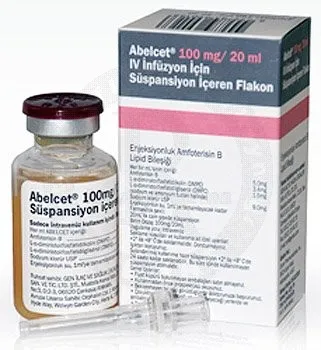
Table of Contents
- Patient Information Leaflet
- 1. What Abelcet is and what it is used for
- 2. Important information before using Abelcet
- 3. How to use Abelcet
- 4. Possible adverse reactions
- 5. How to store Abelcet
- 6. Contents of the pack and other information
- Information intended exclusively for healthcare professionals:
Patient Information Leaflet
ABELCET, 5 mg/mL, concentrate for preparation of infusion suspension
Amphotericin B in lipid complexes
Please read the entire leaflet before use, as it contains important information for the patient.
- Keep this leaflet for future reference.
- Consult your doctor or pharmacist if you have any further questions.
- This medicine has been prescribed for a specific individual. Do not share it with others.
- This medicine may harm another person, even if their symptoms are the same.
- If the patient experiences any adverse reactions, or any adverse effects not listed in this leaflet, inform the doctor immediately. See section 4.
Table of contents
- What Abelcet is and what it is used for
- Important information before using Abelcet
- How to use Abelcet
- Possible side effects
- How to store Abelcet
- Contents of the package and other information
1. What Abelcet is and what it is used for
Abelcet is indicated for the treatment of serious invasive fungal infections such as candidiasis,
aspergillosis, cryptococcal meningitis, and disseminated cryptococcosis in HIV patients, fusariosis,
zygomycosis, blastomycosis, and coccidioidomycosis.
Fungi are present in the natural environment and usually do not cause infections. However, under certain conditions, for example when a person's immune system is weakened, some types of fungi may cause infection.
2. Important information before using Abelcet
When not to use Abelcet
Do not use Abelcet if the patient is allergic (hypersensitive) to amphotericin B or to any of the
other components of this medicine (listed in section 6).
Warnings and precautions
If the patient is being treated with Abelcet in lipid-complex form, the doctor will monitor kidney function and levels of electrolytes such as potassium before and during treatment with Abelcet. This is particularly important if the patient has pre-existing kidney damage or is taking other medicines that may affect kidney function. If blood tests show high potassium levels, the patient may experience irregular heartbeat, sometimes severe.
The doctor will regularly monitor liver function, especially if the patient has a history of liver disease.
Abelcet and other medicines
Tell the doctor about all medicines the patient is currently taking or has recently taken, as well as any medicines the patient plans to take.
Abelcet may interact with:
- medicines affecting kidney function
- other medicines such as zidovudine (used to treat HIV infection) or cyclosporine (an immunosuppressive medicine).
Interactions between amphotericin B and the following medicines have been reported:
- antineoplastic agents
- corticosteroids and corticotropin (ACTH) (medicines used to treat various disorders such as allergies and hormonal disorders)
- cardiac glycosides (used to treat heart conditions)
- flucytosine (used to treat fungal infections)
- muscle relaxants.
Pregnancy and breastfeeding
Consult a doctor before taking any medicine.
If the patient is pregnant or breastfeeding, she should inform the doctor. The doctor will decide whether Abelcet can be administered to the patient.
Driving and operating machinery
Do not drive or operate machinery after receiving Abelcet, as some of the adverse reactions may affect the ability to drive and operate machinery.
Abelcet contains sodium
This medicine contains 3.6 mg of sodium (the main component of table salt) per 1 mL, equivalent to 72 mg of sodium in 20 mL (one vial). This corresponds to 3.6% of the maximum recommended daily dietary sodium intake for adults. This should be taken into account in patients who are monitoring their dietary sodium intake.
3. How to use Abelcet
Method of administration
Abelcet must be diluted with glucose infusion solution before administration.
Abelcet is given by intravenous infusion. The intravenous infusion may last more than 2 hours.
Dosage and frequency of administration
Abelcet will usually be administered by a doctor or nurse.
The recommended dose is 5 mg of Abelcet per kg body weight per day, given as a single infusion.
An initial test dose is recommended to check whether the patient is hypersensitive to any component of the medicine.
The duration of treatment depends on many factors, but will likely be at least 14 days.
In children, elderly patients, and patients with kidney or liver disease, dosage adjustment is not required.
Overdose of Abelcet
If the patient thinks they have received too high a dose of Abelcet, they should immediately inform the doctor.
Symptoms may occur similar to those described in section 4, “Possible side effects”. The doctor may monitor respiratory and cardiac function, kidney and liver function, as well as blood cell counts and serum potassium levels.
Missed dose of Abelcet
If a dose is missed, the doctor should be informed immediately, who will decide when the next dose of Abelcet should be given.
Stopping treatment with Abelcet
Follow the doctor's instructions and complete all prescribed doses of the medicine, even if the patient feels better.
If there are any doubts regarding the use of the medicine, consult the doctor or pharmacist.
4. Possible adverse reactions
Like all medicines, Abelcet can cause adverse reactions, although not everyone will experience them.
During administration of Abelcet, infusion-related reactions may occur, such as chills, fever, nausea, vomiting, rash, seizures, chest pain, and in some patients, decreased oxygen levels in the blood and cyanosis, which occur mainly only during the first two days of treatment. The doctor or nurse may administer simple treatment to reduce these adverse reactions.
Abelcet may affect kidney and liver function and blood test results. Your doctor may recommend appropriate tests, for example to check blood potassium levels.
Very common adverse reactions (occur in more than 1 in 10 patients):
- chills, fever
- increased blood creatinine concentration
Common adverse reactions (occur in 1 to 10 in 100 patients):
- increased heart rate, irregular heartbeat
- high or low blood pressure
- low platelet count, anaemia (reduced haemoglobin concentration and/or red blood cell count, resulting in hypoxia)
- shortness of breath, asthma
- nausea, vomiting, abdominal pain
- headache, tremor
- abnormal kidney function tests (increased blood alkaline phosphatase activity and blood urea concentration)
- kidney function impairment
- electrolyte imbalance, high blood potassium, low blood potassium, decreased blood magnesium concentration
- increased blood bilirubin concentration
- abnormal liver function tests
- rash
Uncommon adverse reactions (occur in 1 to 10 in 1,000 patients):
- cardiac arrest
- shock
- anaphylactic reactions (hypersensitivity reactions)
- reactions at the site of administration, itching
- seizures, neuropathy (peripheral nerve disease)
- muscle pain
- breathing disorders
Adverse reactions of unknown frequency (frequency cannot be determined from available data):
- encephalopathy (brain disease)
- bronchospasm
- exfoliative dermatitis
- renal tubular acidosis, reduced urine concentrating ability, nephrogenic diabetes insipidus (a rare condition characterized by production of very large volumes of dilute urine per day and excessive thirst)
Reporting of adverse reactions
If any adverse reactions occur, including any not listed in this leaflet, inform your doctor or pharmacist. Adverse reactions can be reported directly to the Department of Monitoring Adverse Drug Reactions of the Office for Registration of Medicinal Products, Medical Devices and Biocidal Products,
Al. Jerozolimskie 181 C, 02-222 Warsaw
Tel.: + 48 22 49 21 301
Fax: + 48 22 49 21 309
Website: https://smz.ezdrowie.gov.pl
Adverse reactions can also be reported to the Marketing Authorisation Holder.
Reporting adverse reactions helps provide more information on the safety of the medicine.
5. How to store Abelcet
Keep the medicine out of the sight and reach of children.
Do not use the medicine after the expiry date stated on the container after "Expiry date (EXP)". The expiry date refers to the last day of the stated month.
Store in a refrigerator (2°C–8°C).
Do not freeze.
Store in the outer cardboard box.
6. Contents of the pack and other information
What Abelcet contains
- The active substance is amphotericin B. 1 mL of concentrate for suspension contains 5 mg of amphotericin B in lipid complexes.
- Other components are: L-α-dimyristoylphosphatidylcholine (DMPC), L-α-dimyristoylphosphatidylglycerol (DMPG) (as sodium and ammonium salts), sodium chloride (salt), water for injections.
What Abelcet looks like and contents of the pack
Abelcet is a yellow concentrate for preparation of a suspension for infusion.
A 20 mL vial contains 100 mg of amphotericin B.
The pack contains 2 vials or 10 vials.
Marketing Authorisation Holder and Manufacturer
Marketing Authorisation Holder:
Teva Pharmaceuticals Polska Sp. z o.o.
ul. Emilii Plater 53
00-113 Warsaw
tel.: (22) 345 93 00
Manufacturer:
Merckle GmbH
Graf-Arco-Str.3, 89079 Ulm
Germany
Information intended exclusively for healthcare professionals:
1. NAME OF THE MEDICINAL PRODUCT
Abelcet, 5 mg/mL, concentrate for dispersion for intravenous infusion
2. QUALITATIVE AND QUANTITATIVE COMPOSITION
1 mL of concentrate for dispersion contains 5 mg of amphotericin B (Amphotericinum B) in lipid complexes.
Excipient with known effect: 1 mL of concentrate for dispersion contains 3.6 mg of sodium (0.156 mmol), i.e. 72 mg of sodium (3.128 mmol) per 20 mL vial.
3. CLINICAL PARTICULARS
3.1 Therapeutic indications
Abelcet is indicated for the treatment of severe invasive candidiasis.
Abelcet is also indicated as a second-line therapy for severe systemic fungal infections in patients who do not respond to conventional amphotericin B or other systemic antifungal agents, in patients with renal impairment or other contraindications to conventional amphotericin B, and in patients who have developed renal damage due to amphotericin B. Abelcet is recommended as second-line therapy for invasive aspergillosis, cryptococcal meningitis, disseminated cryptococcosis in HIV patients, fusariosis, coccidioidomycosis, zygomycosis, and blastomycosis.
3.2 Posology and method of administration
Posology
Adults
For the treatment of severe systemic fungal infections, a dose of 5 mg/kg body weight administered over at least 14 days is usually recommended. Abelcet should be administered as an intravenous infusion at a rate of 2.5 mg/kg body weight/hour.
Abelcet has been administered for up to 28 months at a cumulative dose of 73.6 g without significant toxicity.
Patients with diabetes
Abelcet may be administered to patients with diabetes.
Children
In the treatment of systemic fungal infections in children (aged 1 month to 16 years), Abelcet is effective at doses comparable to those recommended for adults, adjusted according to body weight. Adverse reactions observed in children are similar to those observed in adults. There is insufficient data on the efficacy and safety of Abelcet in children under 1 month of age.
There are no available data on the efficacy and safety of Abelcet in preterm neonates with fungal infections caused by Aspergillus species.
Elderly patients
No dosage adjustment is required in elderly patients. Abelcet should be administered at doses adjusted according to body weight.
Patients with renal or hepatic impairment
No dosage adjustment is required in patients with renal or hepatic impairment (see section 4.4 for further information).
Patients with neutropenia
Abelcet may be used for the treatment of systemic fungal infections in patients with severe neutropenia resulting from hematological malignancies or from cytotoxic and immunosuppressive therapy.
Method of administration
Abelcet is a sterile, apyrogenic dispersion intended for intravenous infusion only; the dispersion must be diluted before administration (see section 6.6).
When administering Abelcet for the first time, it is recommended to administer a test dose immediately before the first infusion. The initial 1 mg dose should be prepared as instructed and administered as an infusion lasting approximately 15 minutes. After administration of this dose, the infusion should be stopped and the patient carefully observed for 30 minutes. If no hypersensitivity symptoms occur, the infusion may be continued.
As with other amphotericin B-containing products, resuscitation equipment should be available during the first administration in case of a pseudo-anaphylactic reaction.
During intravenous infusions, an "in-line" filter with a mean pore size of at least 5 microns may be used with Abelcet.
3.3 Contraindications
Hypersensitivity to the active substance or to any of the excipients, unless in the physician's opinion the benefits of treatment outweigh the risk associated with hypersensitivity.
3.4 Special warnings and precautions for use
Infusion-related hypersensitivity reactions
Infusion-related reactions (such as chills and fever) reported after administration of Abelcet were generally mild or moderate and occurred mainly during the first two days of treatment (see section 3.8). Tolerance to the drug may be improved by premedication with antipyretic agents (e.g., paracetamol).
Systemic fungal infections
Abelcet should not be used for the treatment of common or superficial fungal infections without clinical symptoms, diagnosed solely on the basis of positive skin or serological tests.
Patients with renal impairment
Due to the potential nephrotoxicity of Abelcet, renal function should be monitored before and during treatment. This is particularly important in patients with a history of renal disease, those who have previously experienced renal failure, or those receiving nephrotoxic drugs. Serum electrolyte concentrations, especially potassium, should be regularly monitored before and during treatment. Cases of hyperkalemia have been reported (some leading to cardiac arrhythmias and cardiac arrest). Some of these occurred in patients with renal dysfunction or after potassium supplementation in patients with a history of hypokalemia.
Patients with hepatic impairment
Patients with hepatic dysfunction due to infection, transplant rejection, or other liver diseases, as well as those receiving concomitant hepatotoxic drugs, have been effectively treated with Abelcet. Increased bilirubin levels or alkaline phosphatase and aminotransferase activities in patients treated with Abelcet occurred only when other factors affecting liver function were present, such as infections, hyperalimentation, concomitant use of hepatotoxic drugs, or transplant rejection.
The medicinal product contains sodium
The medicinal product contains 3.6 mg of sodium per 1 mL, i.e. 72 mg of sodium per 20 mL vial (equivalent to 3.6% of the maximum daily sodium intake of 2 g recommended by WHO for adults). Due to its sodium content, the product should be used with caution in patients on sodium-restricted diets, such as patients with congestive heart failure, renal failure, or nephrotic syndrome.
3.5 Interactions with other medicinal products and other forms of interaction
Nephrotoxic drugs
Amphotericin B in lipid complex form is potentially nephrotoxic; therefore, renal function should be closely monitored in patients receiving other nephrotoxic drugs concomitantly.
Zidovudine
In dogs receiving amphotericin B in lipid complex form and zidovudine concomitantly, increased myelotoxicity and nephrotoxicity were observed. If concomitant administration of zidovudine is necessary, renal and hematological function should be carefully monitored.
Cyclosporine
In patients receiving amphotericin B concomitantly with high doses of cyclosporine, increased serum creatinine levels have been reported. However, Abelcet has shown lower nephrotoxicity compared to conventional amphotericin B.
Other drugs
Interactions of amphotericin B in lipid complex form with other drugs have not been fully studied. Interactions have been reported with conventional amphotericin B when used concomitantly with antineoplastic agents, corticosteroids and corticotropin (ACTH), cardiac glycosides, flucytosine, and skeletal muscle relaxants. Caution should be exercised when Abelcet is administered concomitantly with these drugs.
Leukocyte transfusion
Acute pulmonary toxicity has been reported in patients receiving intravenous conventional amphotericin B who also received leukocyte transfusions. Amphotericin B and leukocytes should not be administered simultaneously.
3.6 Effects on fertility, pregnancy and lactation
Pregnancy
Conventional amphotericin B has been successfully used in the treatment of systemic fungal infections in pregnant women without adverse effects on the fetus, although only a small number of cases have been reported. Studies on the effects of Abelcet on fertility, embryotoxicity, fetotoxicity, and teratogenicity in rats and rabbits did not reveal any adverse effects. However, the safety of amphotericin B in lipid complex form in pregnant women has not been established. Administration of Abelcet to pregnant women should be restricted to cases where the benefits to the mother outweigh the risks to the fetus or child.
Lactation
It is not known whether Abelcet is excreted in human milk. A decision must be carefully considered whether to discontinue breastfeeding or to discontinue therapy with Abelcet, taking into account the potential benefits of breastfeeding for the child and the potential benefits of therapy with Abelcet for the nursing mother.
3.7 Effects on ability to drive and use machines
No studies on the effects of the medicinal product on the ability to drive mechanical vehicles or operate machinery have been conducted. Some of the adverse reactions listed below may affect the ability to drive and operate machinery. However, the medical condition of patients receiving Abelcet usually excludes driving mechanical vehicles and operating machinery.
3.8 Undesirable effects
The most frequently observed clinical adverse reactions in randomized controlled and open clinical trials were chills (16%), increased creatinine (13%), fever (10%), hypokalemia (9%), nausea (7%), and vomiting (6%).
The frequency of adverse reactions is based on analysis of clinical trials involving 709 patients treated with Abelcet.
Adverse reactions occurred in 556 patients in emergency use trials (open, non-comparative trials) and in 153 patients in randomized controlled trials for invasive candidiasis (38% aged ≥65 years). In emergency use trials, patients had intolerance to conventional amphotericin B therapy, impaired renal function due to prior amphotericin B treatment, a history of renal disease, or were non-responders to therapy.
The following adverse reactions have been observed during clinical trials and/or after marketing of Abelcet.
Adverse reactions are listed by organ system and frequency: very common (≥1/10), common (≥1/100 to <1/10), uncommon (≥1/1,000 to <1/100), frequency not known (cannot be estimated from available data).
Investigations
Very common: increased creatinine.
Common: increased alkaline phosphatase activity, increased blood urea.
Cardiac disorders
Common: tachycardia, cardiac arrhythmia.
Uncommon: cardiac arrest.
Blood and lymphatic system disorders
Common: thrombocytopenia, anemia.
Nervous system disorders
Common: headache, tremor.
Uncommon: seizures, neuropathy.
Frequency not known: encephalopathy.
Respiratory, thoracic and mediastinal disorders
Common: dyspnea, asthma.
Uncommon: respiratory failure.
Frequency not known: bronchospasm.
Gastrointestinal disorders
Common: nausea, vomiting, abdominal pain.
Musculoskeletal and connective tissue disorders
Uncommon: myalgia.
Renal and urinary disorders
Common: renal function abnormalities, including renal failure.
Frequency not known: hyposthenuria, renal tubular acidosis.
Skin and subcutaneous tissue disorders
Common: rash.
Uncommon: pruritus.
Frequency not known: exfoliative dermatitis.
Metabolism and nutrition disorders
Common: hyperbilirubinemia, hyperkalemia, hypokalemia, electrolyte imbalance, including increased serum potassium, decreased serum magnesium.
Vascular disorders
Common: hypertension, hypotension.
Uncommon: shock.
General disorders and administration site conditions
Very common: chills, fever.
Uncommon: injection site reactions.
Immune system disorders
Uncommon: anaphylactic reactions.
Hepatobiliary disorders
Common: abnormal liver function tests.
Adverse reactions with frequency categorized as "not known" (encephalopathy, bronchospasm, exfoliative dermatitis, hyposthenuria, renal tubular acidosis) were observed after marketing authorization.
Adverse reactions associated with conventional amphotericin B may also occur during treatment with amphotericin B in lipid complex form. Patients should be monitored for any adverse reactions typical of conventional amphotericin B.
Infusion-related hypersensitivity reactions included abdominal pain, nausea, vomiting, myalgia, pruritus, urticaria, fever, hypotension, shock, bronchospasm, respiratory failure, chest pain, and in some patients, decreased oxygen saturation and cyanosis (see section 3.4).
Conventional amphotericin B caused significant nephrotoxic effects. Such effects were not observed with Abelcet.
Renal function impairment, manifested by increased creatinine and hypokalemia, usually did not require discontinuation of the drug.
Renal tubular acidosis, including hyposthenuria and electrolyte imbalance such as increased potassium and decreased magnesium, has been reported.
Abnormal liver function tests have been reported with both amphotericin B in lipid complex form and other amphotericin B-containing products. Although other factors affecting liver function (e.g., infections, hyperalimentation, concomitant hepatotoxic drugs, transplant rejection) may be involved, the contribution of amphotericin B cannot be excluded. Patients with abnormal liver function tests should be closely monitored, and discontinuation of therapy should be considered if liver function deteriorates.
Adverse reactions in children and adolescents are similar to those observed in adults.
The frequency of adverse reactions in elderly patients is similar to that in adults under 65 years of age. The notable differences were increased creatinine and dyspnea, which occurred more frequently in elderly patients after administration of amphotericin B, both in conventional form and in lipid complexes.
3.9 Overdose
In clinical trials, doses up to 10 mg/kg body weight/day did not cause dose-dependent toxicity.
Symptoms of Abelcet overdose were the same as those observed in clinical trials with standard doses (see section 3.8). In addition, a seizure and tetany occurred in one child who received a dose of 25 mg/kg body weight.
In case of overdose, the patient's condition should be closely monitored (especially respiratory and cardiac function, renal and hepatic function, blood cell counts, and serum electrolyte concentrations), and symptomatic treatment should be administered if necessary. There is currently no specific antidote for amphotericin B.
4. PHARMACOLOGICAL PROPERTIES
Abelcet contains the antifungal agent amphotericin B in complex with two phospholipids.
Amphotericin B is a macrocyclic polyene antifungal antibiotic with broad-spectrum activity produced by Streptomyces nodosus.
Amphotericin B binds via its lipophilic portion to phospholipids in a tape-like structure.
4.1 Pharmacodynamic properties
Mechanism of action
Amphotericin B, the active antifungal substance in Abelcet, may act fungistatically or fungicidally depending on its concentration and fungal susceptibility. The drug's action is believed to involve binding to ergosterol in fungal cell membranes, causing membrane damage. This leads to leakage of cellular contents and subsequent cell death. Concurrent binding to sterols in human cells may cause toxicity, although amphotericin B has a higher affinity for fungal ergosterol than for human cholesterol.
Microbiological activity
Amphotericin B is active in vitro against pathogenic fungi, including Candida spp., Cryptococcus neoformans, Aspergillus spp., Mucor spp., Sporothrix schenckii, Blastomyces dermatitidis, Coccidioides immitis, and Histoplasma capsulatum. Most strains are inhibited by amphotericin B at concentrations of 0.03–1.0 µg/mL. Amphotericin B has weak or no activity against bacteria and viruses. The antifungal activity of amphotericin B in lipid complex is in vitro comparable to that of conventional amphotericin B. However, the in vitro activity of Abelcet may not reflect its activity in infected organisms.
5. SPECIAL PRECAUTIONS FOR STORAGE
Store at 2–8 °C. Do not freeze. Store in the outer cardboard box.
6. SPECIAL PRECAUTIONS FOR PREPARATION OF THE MEDICINAL PRODUCT FOR ADMINISTRATION
Abelcet is a sterile, apyrogenic dispersion intended for intravenous infusion only after prior dilution.
Preparation of the infusion dispersion
ASEPTIC TECHNIQUES MUST BE USED AT ALL STAGES OF PREPARING ABELCET FOR ADMINISTRATION, AS THE PRODUCT DOES NOT CONTAIN BACTEROSTATIC OR PRESERVATIVE AGENTS.
Allow the dispersion to reach room temperature.
Gently shake the vial to ensure no trace of yellow sediment remains at the bottom.
Withdraw the appropriate dose of Abelcet from the appropriate number of vials into one or more sterile 20 mL syringes using needles size 17 to 19.
After filling the syringes with Abelcet, remove the needles and attach 5-micron, high-flow filter needles provided with each vial. Then insert the needle attached to the syringe into an infusion bag containing 5% glucose solution for infusion and manually or using an infusion pump, inject the entire syringe contents into the bag.
The final concentration of the infusion fluid should be 1 mg/mL.
For administration in children or patients with cardiovascular disease, the product may be diluted with 5% glucose solution for infusion to achieve a final concentration of 2 mg/mL.
Do not administer the infusion in 5% glucose solution if foreign particles are observed in the solution.
Vials are for single use only. Any unused portion of the contents should be discarded.
Infusion should be administered using an infusion pump.
DO NOT DILUTE THE DISPERSION WITH SODIUM CHLORIDE SOLUTIONS, AND DO NOT MIX WITH OTHER DRUGS OR ELECTROLYTES.
Compatibility of Abelcet with the above substances has not been established. Abelcet should be administered using a new infusion set. If this is not possible, the infusion set previously used for another drug should be flushed with 5% glucose solution for injection.
The diluted, ready-to-use dispersion of Abelcet may be stored for up to 24 hours at 2–8 °C before use. Shake well before use. Do not store for later use.