Suboxone
Italy
Table of Contents
- Package leaflet: Information for the user
- Suboxone 2 mg/0,5 mg sublingual tablets, 8 mg/2 mg sublingual tablets, 16 mg/4 mg sublingual tablets
- Package leaflet: information for the user
- Suboxone 2 mg/0.5 mg sublingual film, 4 mg/1 mg sublingual film, 8 mg/2 mg sublingual film, 12 mg/3 mg sublingual film
Package leaflet: Information for the user
Suboxone 2 mg/0,5 mg sublingual tablets, 8 mg/2 mg sublingual tablets, 16 mg/4 mg sublingual tablets
buprenorphine / naloxone
Please read all of this leaflet carefully before taking this medicine because it contains
important information for you.
- Keep this leaflet. You may need to read it again.
- If you have any questions, ask your doctor or pharmacist.
- This medicine has been prescribed for you only. Do not give it to other people, even if their symptoms are the same as yours, because it may be harmful.
- If you experience any side effects, including those not listed in this leaflet, tell your doctor or pharmacist. See section 4.
Contents of this leaflet
- What Suboxone is and what it is used for
- What you need to know before taking Suboxone
- How to take Suboxone
- Possible side effects
- How to store Suboxone
- Contents of the pack and other information
1. What Suboxone is and what it is used for
Suboxone is used for the treatment of opioid dependence (narcotics) such as heroin or morphine
in drug-dependent individuals who have agreed to be treated for their addiction.
Suboxone is used in adults and adolescents over 15 years of age who are also receiving
medical, social, and psychological support.
2. What you should know before taking Suboxone
Do not take Suboxone:
- if you are allergic to buprenorphine, naloxone, or any of the other ingredients of this medicine (listed in section 6)
- if you have severe breathing problems
- if you have severe liver problems
- if you have alcohol intoxication, or tremor, sweating, anxiety, confusion, or hallucinations caused by alcohol
- if you are taking naltrexone or nalmefene for the treatment of alcohol or opioid dependence.
Warnings and precautions
Talk to your doctor before taking Suboxone if you have:
- asthma or other breathing problems
- liver problems, e.g. hepatitis
- low blood pressure
- recent head injury or brain disorder
- urinary problems (particularly related to prostate enlargement in men)
- any kidney disorder
- thyroid problems
- adrenal cortical disorder (e.g. Addison’s disease)
- depression or other conditions treated with antidepressants. Using these medicines together with Suboxone may cause serotonin syndrome, a condition that can be fatal (see “Other medicines and Suboxone”).
Important points to be aware of:
- Seek immediate medical attention at an emergency unit in case of accidental ingestion or suspected ingestion.
- Additional monitoring If you are over 65 years of age, your doctor may monitor you more closely.
- Misuse and abuse This medicine may be attractive to people who abuse prescription medicines and must be stored in a safe place to prevent theft (see section 5). Do not give this medicine to other people. It could cause death or serious harm.
- Breathing problems Some people have died from respiratory failure (inability to breathe) due to misuse of buprenorphine or taking it together with other substances that depress the central nervous system, such as alcohol, benzodiazepines (tranquilizers), or other opioids.
This medicine can cause severe respiratory depression (reduced ability to breathe),
which may be fatal, in children and non-dependent individuals in case of accidental or
intentional ingestion.
- Sleep-related breathing disorders Suboxone may cause sleep-related breathing disorders such as sleep apnea (breathing pauses during sleep) and sleep-related hypoxemia (low blood oxygen levels during sleep). Symptoms may include breathing pauses during sleep, nighttime awakenings due to shortness of breath, difficulty maintaining sleep, or excessive daytime sleepiness. If you or someone else notices these symptoms, contact your doctor. Your doctor may consider reducing the dose.
- Dependence This medicine may cause dependence.
- Withdrawal symptoms This medicine may cause opioid withdrawal symptoms if taken too soon after taking opioids. At least 6 hours must pass after using a short-acting opioid (e.g. morphine, heroin) or at least 24 hours after using a long-acting opioid such as methadone.
This medicine may also cause withdrawal symptoms if treatment is stopped
abruptly. See section 3 “Stopping treatment”.
- Liver damage Liver damage has been reported after taking Suboxone, particularly with misuse of the medicine. This may also be due to viral infections (chronic hepatitis C), alcohol abuse, anorexia, or use of other medicines that can damage the liver (see section 4). Your doctor may regularly perform blood tests to monitor
your liver function. Inform your doctor if you have liver problems before starting
treatment with Suboxone.
- Blood pressure This medicine may cause a sudden drop in blood pressure, causing dizziness when rising quickly from a sitting or lying position.
- Diagnosis of unrelated medical conditions
This medicine may mask painful symptoms that could be useful in diagnosing certain conditions. You must inform your doctor that you are taking this medicine.
Children and adolescents
Do not give this medicine to children under 15 years of age. If you are between 15 and
18 years old, your doctor may monitor you more closely during treatment due to
the lack of data in this age group.
Other medicines and Suboxone
Inform your doctor if you are taking, have recently taken, or might take any other
medicine.
Some medicines may increase the side effects of Suboxone, which can be serious.
Do not take other medicines during treatment with Suboxone without first consulting your doctor, especially:
- Benzodiazepines (used to treat anxiety or sleep disorders), such as diazepam, temazepam, or alprazolam. Concomitant use of Suboxone with sedative medicines, such as benzodiazepines or related drugs, increases the risk of drowsiness, breathing difficulties (respiratory depression), coma, and may be fatal. For this reason, concomitant use should only be considered when no other treatment options are possible. However, if your doctor prescribes Suboxone together with sedative medicines, the dose and duration of concomitant treatment must be limited by the doctor. Inform your doctor about all sedative medicines you are taking and follow their dose recommendations carefully. It may be helpful to inform friends or family members to watch for the signs and symptoms listed above. Contact your doctor if these symptoms occur.
- Gabapentin or pregabalin for treating epilepsy or nerve-related pain (neuropathic pain).
- Other medicines that may cause drowsiness, used to treat conditions such as anxiety, insomnia, seizures, pain. These types of medicines may reduce alertness, making driving and operating machinery difficult. They may also cause central nervous system depression, a very serious condition. Below are some examples of these types of medicines:
- Other opioid-containing medicines, such as methadone, certain painkillers, and cough suppressants.
- Antidepressants (used to treat depression), such as isocarboxazid, phenelzine, selegiline, tranylcypromine, and valproate, may increase the effects of this medicine.
- Sedating H-receptor antagonists (used to treat allergic reactions), such as diphenhydramine and chlorpheniramine.
- Barbiturates (used to induce sleep or sedation), such as phenobarbital, secobarbital.
- Tranquilizers (used to induce sleep or sedation), such as chloral hydrate.
- Antidepressants such as moclobemide, tranylcypromine, citalopram, escitalopram, fluoxetine, fluvoxamine, paroxetine, sertraline, duloxetine, venlafaxine, amitriptyline, doxepin, or trimipramine. These medicines may interact with Suboxone and may cause
symptoms such as involuntary rhythmic muscle contractions, including muscles
controlling eye movement, agitation, hallucinations, coma, excessive sweating,
tremor, exaggerated reflexes, increased muscle tension, fever above 38 °C.
Contact your doctor if you experience these symptoms.
- Clonidine (used to treat high blood pressure) may prolong the effects of this medicine.
- Antiretrovirals (used to treat HIV), such as ritonavir, nelfinavir, indinavir, may increase the effects of this medicine.
- Some antifungal agents (used to treat fungal infections), such as ketoconazole, itraconazole, and some antibiotics, may prolong the effects of this medicine.
- Some medicines may reduce the effects of Suboxone. These include medicines used to treat epilepsy (such as carbamazepine and phenytoin) and medicines used to treat tuberculosis (rifampicin).
- Naltrexone and nalmefene (medicines used to treat addiction disorders) may block the therapeutic effects of Suboxone. They must not be taken during treatment with Suboxone, as they may cause sudden onset of severe and prolonged withdrawal symptoms.
Suboxone with food, drinks, and alcohol
Do not consume alcohol during treatment with this medicine. When taken with Suboxone,
alcohol may increase drowsiness and the risk of respiratory failure. Do not eat or
drink anything until the tablet is completely dissolved.
Pregnancy and breastfeeding
If you are pregnant, think you may be pregnant, planning to become pregnant, or breastfeeding,
ask your doctor for advice before taking this medicine. The risks of using Suboxone
in pregnant women are not known. Your doctor will decide whether to continue treatment with an
alternative medicine.
If taken during pregnancy, especially in the later stages, medicines like Suboxone
may cause withdrawal symptoms, including breathing problems, in the newborn. These
may appear several days after birth.
Do not breastfeed during treatment with this medicine, as buprenorphine passes into breast milk.
Driving and using machines
Do not drive, ride a bicycle, use tools or machinery, or perform dangerous activities until you know how this medicine affects you. Suboxone
may cause drowsiness, dizziness, or mental disturbances. This is more likely
during the first weeks of treatment or when the dose is adjusted, but may also occur if you drink
alcohol or take other sedative medicines together with Suboxone.
Suboxone contains lactose and sodium.
This medicine contains lactose. If your doctor has diagnosed you with an intolerance to certain
sugars, contact them before taking this medicine.
This medicine contains less than 1 mmol (23 mg) of sodium per dose unit, i.e.
essentially ‘sodium-free’.
3. How to take Suboxone
Take this medicine exactly as directed by your doctor or pharmacist. If you
have any doubts, consult your doctor or pharmacist.
Your treatment will be prescribed and monitored by doctors experienced in treating
substance dependence.
Your doctor will determine the optimal dose for you. During treatment, your doctor may adjust the dose
according to your response to therapy.
Starting treatment
The recommended initial dose for adults and adolescents over 15 years of age is usually two
sublingual Suboxone tablets of 2 mg/0.5 mg.
This dose may be repeated up to two more times on Day 1, depending on your needs.
You must be aware of clear signs of withdrawal before taking the first dose of Suboxone. Your doctor
will tell you when to take the first dose.
- Starting Suboxone treatment during heroin dependence
If you are dependent on heroin or another short-acting opioid, the first dose
should be taken when signs of withdrawal appear, at least 6 hours after the last
use of opioids.
- Starting Suboxone treatment during methadone dependence
If you are taking methadone or another long-acting opioid, the methadone dose should ideally
be reduced to less than 30 mg/day before starting Suboxone therapy. The first
dose of Suboxone should be taken when signs of withdrawal appear and at least 24 hours
after the last use of methadone.
How to take Suboxone
- Take your dose once daily by placing the tablets under the tongue.
- Keep the tablets under the tongue until they are completely dissolved. This may take 5–10 minutes.
- Do not chew or swallow the tablets, as the medicine will not work properly and you may experience withdrawal symptoms.
Do not eat or drink anything until the tablets are completely dissolved.
How to remove the tablet from the blister pack
1 - Do not press the blister to remove the tablet.
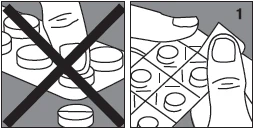
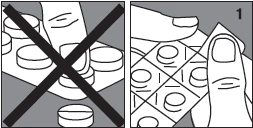
2 - Remove only one section from the blister by tearing along the perforated line.
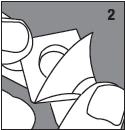
3 – Starting from the edge where the seal is lifted, pull the film to remove the
tablet.
If the blister is damaged, discard the tablet.
Dose adjustment and maintenance therapy:
In the days following the start of treatment, your doctor may increase the dose of Suboxone
according to your needs. If you feel that the effect of Suboxone is too strong or too
weak, consult your doctor or pharmacist. The maximum daily dose is 24 mg of buprenorphine.
After a certain period of successful treatment, you may agree with your doctor to gradually reduce
the dose to a lower maintenance dose.
Stopping treatment
Depending on your condition, the dose of Suboxone may be gradually reduced under close
medical supervision until treatment is completely stopped.
Do not change or stop your treatment in any way without the consent of your treating doctor.
If you take more Suboxone than you should
If you or someone else takes an excessive amount of this medicine, you must go or be taken
immediately to the emergency room or hospital for treatment, because overdose
of Suboxone can cause serious and potentially life-threatening breathing problems.
Symptoms of overdose may include drowsiness, lack of coordination, slowed reflexes, blurred vision and/or
speech difficulties. You may be unable to think clearly, and breathing may be slower than normal.
If you forget to take Suboxone
Inform your doctor as soon as possible if you forget to take a dose.
If you stop taking Suboxone
Do not change or stop your treatment in any way without the consent of your treating doctor. Suddenly stopping treatment may cause withdrawal symptoms.
If you have any doubts about using this medicine, consult your doctor or pharmacist.
4. Possible side effects
Like all medicines, this medicine can cause side effects, although not everyone will experience them.
Contact your doctor immediately or seek urgent medical attention if you experience any of the following side effects:
- swelling of the face, lips, tongue or throat, which may cause difficulty swallowing or breathing, hives/severe skin rash. These may be signs of a potentially life-threatening allergic reaction.
- feeling drowsy and uncoordinated, blurred vision, difficulty speaking, inability to think clearly or properly, or if breathing becomes much slower than normal.
Also, contact your doctor immediately if you experience any of the following side effects:
- severe tiredness, itching with yellowing of the skin or eyes. These may be symptoms of liver damage.
- seeing or hearing things that are not real (hallucinations).
Side effects reported with Suboxone
Very common side effects (may affect more than 1 in 10 people):
Insomnia (inability to sleep), constipation, nausea, excessive sweating, headache,
substance withdrawal syndrome
Common side effects (may affect up to 1 in 10 people):
Weight loss, swelling of the hands and feet, drowsiness, anxiety, nervousness, tingling,
depression, decreased sex drive, increased muscle tension, abnormal thinking, increased tearing (watery eyes) or other tear disorders, blurred vision, flushing, increased blood pressure, migraines, runny nose, sore throat and painful swallowing, increased coughing, stomach discomfort or other stomach upset, diarrhoea, abnormal liver function, flatulence, vomiting, rash, itching, hives, pain, joint pain, muscle pain, leg cramps (muscle spasm), difficulty achieving or maintaining an erection, changes in urine, abdominal pain, back pain, weakness, infection, chills, chest pain, fever, flu-like symptoms, general discomfort, accidental injury due to loss of alertness or coordination, malaise and dizziness.
Uncommon side effects (may affect up to 1 in 100 people):
Swollen glands (lymph nodes), restlessness, tremor, abnormal dreams, excessive muscle activity, depersonalization (feeling detached from oneself), drug dependence, amnesia (memory disturbance), loss of interest, exaggerated feeling of well-being, seizures (fits), speech disorder, constricted pupils, difficulty urinating, eye inflammation or infection, fast or slow heartbeat, low blood pressure, palpitations, heart attack, chest tightness, shortness of breath, asthma, yawning, mouth sores and pain, changes in tongue colour, acne, skin nodules, hair loss, dry or peeling skin, joint inflammation, urinary tract infection, abnormal blood tests, blood in urine, abnormal ejaculation, menstrual or vaginal problems, kidney stones, protein in urine, pain or difficulty urinating, sensitivity to heat or cold, heat stroke, loss of appetite, feelings of hostility.
Frequency not known (cannot be estimated from the available data)
Sudden withdrawal syndrome caused by taking Suboxone too soon after using illicit opioids, substance withdrawal syndrome in newborns, slow or difficult breathing, dental caries, liver injury with or without jaundice, hallucinations, swelling of the face and throat or potentially life-threatening allergic reactions, low blood pressure upon standing from a sitting or lying position.
Improper use of this medicine by injection may cause withdrawal symptoms, infections, other skin reactions, and potentially serious liver problems (see "Warnings and precautions").
Reporting of side effects
If you experience any side effect, including those not listed in this leaflet, contact your doctor. You may also report side effects directly via the national reporting system listed in Annex V. By reporting side effects, you can help provide more information on the safety of this medicine.
5. How to store Suboxone
Keep out of the sight and reach of children and any other family members. It may cause
serious harm and be fatal to individuals who may take this medicine
accidentally or intentionally when it has not been prescribed for them.
Do not use this medicine after the expiry date stated on the packaging. The expiry date refers to the last day of that month.
This medicine does not require any special storage conditions. However, Suboxone may be attractive to individuals who misuse prescription medicines. Store this medicine in a safe place to protect it from theft.
Keep the blister pack secure.
Never open the blister pack in advance.
Do not take this medicine in the presence of children.
In case of accidental or suspected ingestion, call emergency services immediately.
Do not dispose of any medicine via wastewater or household waste. Ask your pharmacist how to dispose of medicines you no longer use. This will help protect the environment.
6. Package contents and other information
What Suboxone contains
- The active substances are buprenorphine and naloxone. Each 2 mg/0.5 mg sublingual tablet contains 2 mg of buprenorphine (as hydrochloride) and 0.5 mg of naloxone (as dihydrate hydrochloride). Each 8 mg/2 mg sublingual tablet contains 8 mg of buprenorphine (as hydrochloride) and 2 mg of naloxone (as dihydrate hydrochloride). Each 16 mg/4 mg sublingual tablet contains 16 mg of buprenorphine (as hydrochloride) and 4 mg of naloxone (as dihydrate hydrochloride).
- The other components are monohydrate lactose, mannitol, maize starch, povidone K 30, anhydrous citric acid, sodium citrate, magnesium stearate, acesulfame potassium, natural lemon and lime flavour.
Description of the appearance of Suboxone and contents of the pack
Suboxone 2 mg/0.5 mg sublingual tablets are white, biconvex hexagonal tablets, 6.5 mm in size, with "N2" engraved on one side.
Suboxone 8 mg/2 mg sublingual tablets are white, biconvex hexagonal tablets, 11 mm in size, with "N8" engraved on one side.
Suboxone 16 mg/4 mg sublingual tablets are white, biconvex round tablets, 10.5 mm in size, with "N16" engraved on one side.
Supplied in packs of 7 and 28 tablets.
Not all pack sizes may be marketed.
Marketing Authorisation Holder and Manufacturer
Indivior Europe Limited
27 Windsor Place
Dublin 2
D02 DK44
Ireland
For further information on this medicinal product, please contact the local representative of the Marketing Authorisation Holder:
België/Belgique/Belgien Lietuva
Indivior Europe Limited Indivior Europe Limited
Tél/Tel: 0800 780 41 Tel: 88003079
e-mail: [email protected] e-mail: [email protected]
България Luxembourg/Luxemburg
Indivior Europe Limited Indivior Europe Limited
Teл.: 00800 110 4104 Tél/Tel: 800 245 43
e-mail: [email protected] e-mail: [email protected]
Česká republika Magyarország
Indivior Europe Limited Indivior Europe Limited
Tel: 800 143 737 Tel.: 6800 19301
e-mail: [email protected] e-mail: [email protected]
Danmark Malta
Indivior Europe Limited Indivior Europe Limited
Tlf.: 80826653 Tel: 80062185
e-mail: [email protected] e-mail: [email protected]
Deutschland Nederland
Indivior Europe Limited Indivior Europe Limited
Tel: 0 800 181 3799 Tel: 0800 022 87 83
e-mail: [email protected] e-mail: [email protected]
Eesti Norge
Indivior Europe Limited Indivior Europe Limited
Tel: 8000041004 Tlf: 80016773
e-mail: [email protected] e-mail: [email protected]
Ελλάδα Österreich
Indivior Europe Limited Indivior Europe Limited
Τηλ: 800 206 281 901 Tel: 800 296551
e-mail: [email protected] e-mail: [email protected]
España Polska
Indivior Europe Limited Indivior Europe Limited
Tel: 900 978 095 Tel.: 0800 4111237
e-mail: [email protected] e-mail: [email protected]
France Portugal
Indivior Europe Limited Indivior Europe Limited
Tél: 0800 909 972 Tel: 800 841 042
e-mail: [email protected] e-mail: [email protected]
Hrvatska România
Indivior Europe Limited Indivior Europe Limited
Tel: 0800 222 899 Tel: 800 477 029
e-mail: [email protected] e-mail: [email protected]
Ireland Slovenija
Indivior Europe Limited Indivior Europe Limited
Tel: 1800554156 Tel: 080080715
e-mail: [email protected] e-mail: [email protected]
Ísland Slovenská republika
Indivior Europe Limited Indivior Europe Limited
Sími: 8009875 Tel: 800110286
Netfang: [email protected] e-mail: [email protected]
Italia Suomi/Finland
Indivior Europe Limited Indivior Europe Limited
Tel: 800 789 822 Puh/Tel: 0800417489
e-mail: [email protected] e-mail: [email protected]
Κύπρος Sverige
Indivior Europe Limited Indivior Europe Limited
Τηλ: 80091515 Tel: 020791680
e-mail: [email protected] e-mail: [email protected]
Latvija
Indivior Europe Limited
Tel: 800 05612
e-mail: [email protected]
More detailed information on this medicinal product is available on the website of the European Medicines Agency: https://www.ema.europa.eu
Package leaflet: information for the user
Suboxone 2 mg/0.5 mg sublingual film, 4 mg/1 mg sublingual film, 8 mg/2 mg sublingual film, 12 mg/3 mg sublingual film
buprenorphine/naloxone
(buprenorphinum/naloxonum)
Please read this entire leaflet carefully before taking this medicine, as it contains
important information for you.
- Keep this leaflet. You may need to read it again.
- If you have any questions, consult your doctor or pharmacist.
- This medicine has been prescribed for you only. Do not give it to others, even if their symptoms are the same as yours, as it could be harmful.
- If you experience any side effect, including those not listed in this leaflet, contact your doctor or pharmacist. See section 4.
Contents of this leaflet
- What Suboxone is and what it is used for
- What you need to know before taking Suboxone
- How to take Suboxone
- Possible side effects
- How to store Suboxone
- Contents of the pack and other information
1. What Suboxone is and what it is used for
Suboxone is used for the treatment of opioid (narcotic) dependence, such as heroin or
morphine, in patients who have agreed to be treated for their dependence.
Suboxone is used in adults and adolescents over 15 years of age who are also receiving
medical, social, and psychological support.
2. What you should know before taking Suboxone
Do not take Suboxone:
- if you are allergic to buprenorphine, naloxone, or any of the other ingredients of this medicine listed in section 6;
- if you have severe breathing problems;
- if you have severe liver problems;
- if you have alcohol intoxication, or tremors, sweating, anxiety, confusion, or hallucinations caused by alcohol;
- if you are taking naltrexone or nalmefene for the treatment of alcohol or opioid dependence.
Warnings and precautions
Talk to your doctor before taking Suboxone if you have:
- asthma or other breathing problems
- liver problems, e.g. hepatitis
- low blood pressure
- recent head injury or brain disorder
- urinary problems (particularly related to prostate enlargement in men)
- any kidney disorder
- thyroid problems
- adrenal cortical disorder (e.g. Addison’s disease)
- depression or other conditions treated with antidepressants. Using these medicines together with Suboxone may lead to serotonin syndrome, a condition that can be fatal (see “Other medicines and Suboxone”).
Important points to be aware of:
- Seek immediate medical attention at an emergency unit in case of accidental ingestion or suspected ingestion.
- Additional monitoring If you are over 65 years of age, your doctor may monitor you more closely.
- Misuse and abuse This medicine may be attractive to people who abuse prescription medicines and should be stored in a secure place to protect it from theft (see section 5). Do not give this medicine to other people. It could cause death or serious harm.
- Breathing problems Some people have died from respiratory failure (inability to breathe) due to misuse of buprenorphine or taking it together with other substances that depress the central nervous system, such as alcohol, benzodiazepines (tranquillisers), or other opioids.
This medicine can cause severe respiratory depression (reduced ability to breathe),
which may be fatal, in children and non-dependent individuals in case of accidental or
intentional ingestion.
- Sleep-related breathing disorders Suboxone may cause sleep-related breathing disorders such as sleep apnoea (breathing pauses during sleep) and sleep-related hypoxemia (low blood oxygen levels during sleep). Symptoms may include breathing pauses during sleep, waking up at night due to shortness of breath, difficulty staying asleep, or excessive daytime sleepiness. If you or someone else notices these symptoms, contact your doctor. Your doctor may consider reducing the dose.
- Dependence This medicine may lead to dependence.
- Withdrawal symptoms This medicine may cause opioid withdrawal symptoms if taken too soon after using opioids. At least 6 hours must pass after using a short-acting opioid (e.g. morphine, heroin) or at least 24 hours after using a long-acting opioid such as methadone.
This medicine may also cause withdrawal symptoms if treatment is stopped
abruptly. See section 3 “Stopping treatment”.
- Liver damage Liver damage has been reported after taking Suboxone, particularly with misuse of the medicine. This may also be due to viral infections (chronic hepatitis C), alcohol abuse, anorexia, or use of other medicines that can damage the liver (see section 4). Your doctor may perform regular blood tests to monitor
your liver function. Inform your doctor if you have liver problems before starting
treatment with Suboxone.
- Blood pressure This medicine may cause a sudden drop in blood pressure, leading to dizziness when rising quickly from a sitting or lying position.
- Diagnosis of unrelated medical conditions
This medicine may mask painful symptoms that could be useful in diagnosing certain conditions. You must inform your doctor that you are taking this medicine.
Children and adolescents
Do not give this medicine to children under 15 years of age. If you are between 15 and
18 years old, your doctor may monitor you more closely during treatment due to the
lack of data in this age group.
Other medicines and Suboxone
Inform your doctor if you are taking, have recently taken, or might take any other
medicines.
Some medicines may increase the side effects of Suboxone, which can be serious.
Do not take other medicines during treatment with Suboxone without first consulting your doctor, especially:
- Benzodiazepines (used to treat anxiety or sleep disorders), such as diazepam, temazepam or alprazolam. Taking Suboxone together with sedative medicines such as benzodiazepines or related drugs increases the risk of drowsiness, breathing difficulties (respiratory depression), coma, and may be fatal. For this reason, concomitant use should only be considered when no other treatment options are possible. However, if your doctor prescribes Suboxone together with sedative medicines, the dose and duration of concomitant treatment must be limited by your doctor. Inform your doctor about all sedative medicines you are taking and follow their dose recommendations carefully. It may be helpful to inform friends or family members to watch for the signs and symptoms listed above. Contact your doctor if these symptoms occur.
- Gabapentin or pregabalin for treating epilepsy or nerve-related pain (neuropathic pain).
- Other medicines that may cause drowsiness, used to treat conditions such as anxiety, insomnia, seizures/epileptic fits, or pain. These medicines may reduce alertness, making driving and operating machinery difficult. They may also cause central nervous system depression, a very serious condition. Below are some examples of these types of medicines:
- Other medicines containing opioids, such as methadone, certain painkillers, and cough suppressants.
- Antidepressants (used to treat depression), such as isocarboxazid, phenelzine, selegiline, tranylcypromine and valproate, which may increase the effects of this medicine.
- Sedative H1-receptor antagonists (used to treat allergic reactions), such as diphenhydramine and chlorphenamine.
- Barbiturates (used to induce sleep or sedation), such as phenobarbital, secobarbital.
- Tranquillisers (used to induce sleep or sedation), such as chloral hydrate.
- Antidepressants such as moclobemide, tranylcypromine, citalopram, escitalopram, fluoxetine, fluvoxamine, paroxetine, sertraline, duloxetine, venlafaxine, amitriptyline, doxepine or
trimipramine. These medicines may interact with Suboxone and may cause
symptoms such as involuntary rhythmic muscle contractions, including muscles
controlling eye movement, agitation, hallucinations, coma, excessive sweating,
tremor, exaggerated reflexes, increased muscle tone, and fever above 38°C.
Contact your doctor if you experience these symptoms.
- Clonidine (used to treat high blood pressure) may prolong the effects of this medicine.
- Antiretrovirals (used to treat HIV), such as ritonavir, nelfinavir, indinavir, may increase the effects of this medicine.
- Some antifungal agents (used to treat fungal infections), such as ketoconazole, itraconazole, and some antibiotics, may prolong the effects of this medicine.
- Some medicines may reduce the effects of Suboxone. These include medicines used to treat epilepsy (such as carbamazepine and phenytoin) and medicines used to treat tuberculosis (rifampicin).
- Naltrexone and nalmefene (medicines used to treat addiction disorders) may block the therapeutic effects of Suboxone. They must not be taken during treatment with Suboxone, as they may cause sudden onset of severe and prolonged withdrawal symptoms.
Suboxone with food, drinks and alcohol
Do not consume alcohol during treatment with this medicine. When taken with Suboxone,
alcohol may increase drowsiness and the risk of respiratory failure. Do not swallow or
consume food or drinks until the film is completely dissolved.
Pregnancy, breastfeeding and fertility
Inform your doctor if you are pregnant, think you may be pregnant, or are planning a pregnancy. The risks of using Suboxone in pregnant women are not known. Your doctor will decide whether to continue treatment with an alternative medicine.
If taken during pregnancy, especially in the later stages, medicines like Suboxone
may cause withdrawal symptoms, including breathing problems, in the newborn. These
may appear several days after birth.
Do not breastfeed while taking this medicine, as buprenorphine passes into breast milk.
Ask your doctor or pharmacist for advice before taking any medicine.
Driving and using machines
Do not drive, ride a bicycle, operate tools or machinery, or engage in dangerous activities until you know how this medicine affects you. Suboxone
may cause drowsiness, dizziness, or mental disturbances. This is more likely
during the first weeks of treatment or when the dose is changed, but may also occur if you drink
alcohol or take other sedative medicines together with Suboxone.
Suboxone contains maltitol, sunset yellow (E 110) and sodium.
Suboxone contains liquid maltitol. If your doctor has diagnosed you with an intolerance to certain
sugars, contact them before taking this medicine.
Suboxone contains sunset yellow (E 110), which may cause allergic reactions.
This medicine contains less than 1 mmol (23 mg) of sodium per film, i.e. essentially ‘sodium-free’.
3. How to take Suboxone
Take this medicine exactly as directed by your doctor or pharmacist. If you have any doubts, consult your doctor or pharmacist.
Your treatment will be prescribed and monitored by doctors experienced in treating substance dependence.
Your doctor will determine the optimal dose for you. During treatment, your doctor may adjust the dose according to your response to therapy.
Starting treatment
The recommended initial dose for adults and adolescents over 15 years of age is generally two sublingual films of Suboxone 2 mg/0.5 mg, or one sublingual film of Suboxone 4 mg/1 mg.
This dose may be repeated up to two additional times on Day 1, depending on your needs.
You must be aware of clear signs of withdrawal before taking the first dose of Suboxone. Your doctor will tell you when to take the first dose.
- Starting Suboxone treatment during heroin dependence
If you are dependent on heroin or another short-acting opioid, the first dose should be taken when signs of withdrawal appear, at least 6 hours after the last use of opioids.
- Starting Suboxone treatment during methadone dependence
If you are taking methadone or another long-acting opioid, the methadone dose should ideally be reduced to less than 30 mg/day before starting Suboxone therapy. The first dose of Suboxone should be taken when signs of withdrawal appear and at least 24 hours after the last use of methadone.
Dosage adjustment and maintenance therapy: In the days following the start of treatment, your doctor may increase the dose of Suboxone according to your needs. If you feel that the effect of Suboxone is too strong or too weak, consult your doctor or pharmacist.
The maximum daily dose is 24 mg of buprenorphine.
After a period of successful treatment, you may discuss with your doctor gradually reducing the dose to a lower maintenance dose.
How to take Suboxone
- Take your dose once daily, at approximately the same time each day.
- It is advisable to moisten your mouth before taking the film.
- Place the film under the tongue (sublingual use) or inside the cheek (buccal administration), as directed by your doctor. Make sure the films do not overlap.
- Keep the films in place under the tongue or inside the cheek until they are completely dissolved.
- Do not chew or swallow the film, as the medicine will not be effective and withdrawal symptoms may occur.
- Do not eat or drink until the film is completely dissolved.
- Do not cut the film or divide it into smaller doses.
How to remove the film from the pouch
Each Suboxone film is supplied in a sealed, child-resistant pouch. Do not open the pouch until the time of use.
To open, fold the top edge of the pouch along the dotted line (see Figure 1).
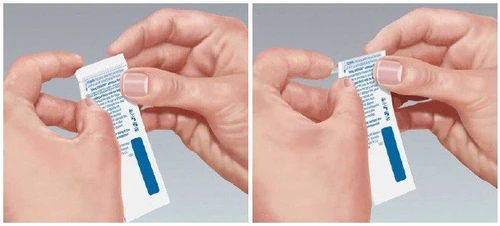
Figure 1
- Once the pouch is folded along the dotted line, a slit is exposed through the folded edge of the pouch, allowing you to tear in the direction of the arrow.
- Alternatively, cut the pouch with scissors along the arrow (see Figure 2).
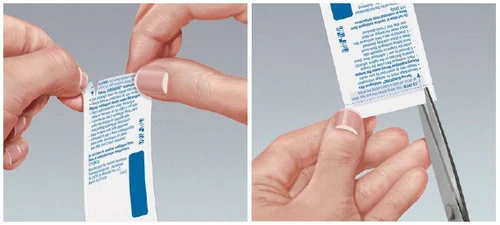
Figure 2
If the pouch is damaged, discard the film.
How to place the film under the tongue (sublingual use):
First, drink a little water to moisten your mouth. This helps the film dissolve more easily.
Then, hold the film by its outer edges with two fingers and place it under the tongue, close to the base on the left or right side (see Figure 3).
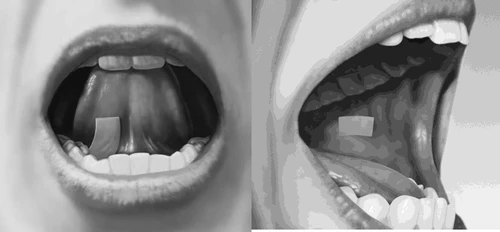
Figure 3
If your doctor has instructed you to take two films at once, place the second film under the tongue on the opposite side. Make sure the films do not overlap.
If your doctor has instructed you to take a third film, place it under the tongue on either side once the first two films have completely dissolved.
How to place the film inside the cheek (buccal administration):
Drink a little water to moisten your mouth. Hold the film by its outer edges with two fingers and place one film inside the right or left cheek (see Figure 4).
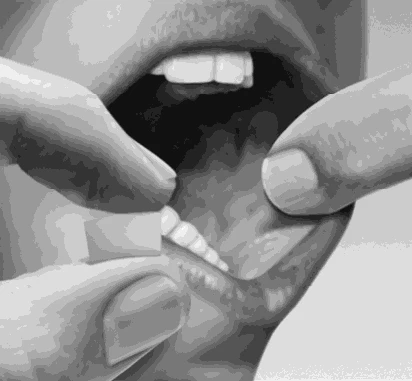
Figure 4
If your doctor has instructed you to take two films at once, place the second film inside the opposite cheek to prevent overlapping. If your doctor has instructed you to take a third film, place it inside either cheek once the first two films have completely dissolved.
If you take more Suboxone than you should
Seek urgent medical help immediately if you or someone else has taken an excessive amount of this medicine.
Overdose with Suboxone can cause serious and potentially life-threatening breathing problems.
Symptoms of overdose may include drowsiness, lack of coordination, slowed reflexes, blurred vision and/or speech difficulties. You may be unable to think clearly, and breathing may become slower than normal.
If you forget to take Suboxone
Inform your doctor as soon as possible if you forget to take a dose.
If you stop taking Suboxone
Suddenly stopping treatment may cause withdrawal symptoms. Depending on your condition, the dose of Suboxone may be gradually reduced under close medical supervision until treatment is completely stopped. Do not change or stop treatment in any way without the consent of your treating doctor.
If you have any questions about using this medicine, consult your doctor or pharmacist.
4. Possible side effects
Like all medicines, this medicine can cause side effects, although not everybody gets them.
Contact your doctor immediately or seek urgent medical attention if any of the following side effects occur:
- swelling of the face, lips, tongue or throat, which may cause difficulty swallowing or breathing, severe rash/hives. These may be signs of a potentially life-threatening allergic reaction.
- feeling drowsy and uncoordinated, blurred vision, difficulty speaking, inability to think clearly or properly, or if breathing becomes much slower than normal.
- extreme tiredness, itching with yellowing of the skin or eyes. These may be symptoms of liver damage.
- seeing or hearing things that are not there (hallucinations).
Very common side effects (may affect more than 1 in 10 people):
insomnia (inability to sleep), constipation, nausea, excessive sweating, headache, substance abuse withdrawal syndrome.
Common side effects (may affect up to 1 in 10 people):
weight loss, swelling of the hands and feet, drowsiness, anxiety, nervousness, tingling, depression, decreased sexual desire, increased muscle tension, disturbances in thinking, increased tear production or other tear-related disorders, flushing, increased blood pressure, migraines, runny nose, sore throat and painful swallowing, increased cough, stomach discomfort or other stomach upset, diarrhoea, mouth redness, abnormal liver function, flatulence, vomiting, rash, itching, hives, pain, joint pain, muscle pain, leg cramps (muscle spasm), difficulty achieving or maintaining an erection, changes in urine, abdominal pain, back pain, weakness, infection, chills, chest pain, fever, flu-like symptoms, general discomfort, accidental injury due to loss of alertness or coordination, malaise, dizziness.
Uncommon side effects (may affect up to 1 in 100 people):
enlarged glands (lymph nodes), agitation, tremor, abnormal dreams, excessive muscle activity, depersonalization (feeling detached from oneself), drug dependence, amnesia (memory disorder), loss of interest, attention disturbances, exaggerated feeling of well-being, seizures (fits), speech disorder, constricted pupils, difficulty urinating, blurred vision, eye inflammation or infection, fast or slow heartbeat, low blood pressure, palpitations, heart attack, chest tightness, shortness of breath, asthma, yawning, mouth problems (ulcers, blisters, numbness, tingling, swelling or pain), changes in tongue colour or tongue pain, acne, skin nodule, hair loss, dry or peeling skin, joint inflammation, urinary tract infection, abnormal blood test results, blood in urine, abnormal ejaculation, menstrual or vaginal problems, kidney stone, protein in urine, pain or difficulty urinating, sensitivity to heat or cold, heat stroke, allergic reaction, loss of appetite, feelings of hostility, poisoning.
Frequency not known (cannot be estimated from the available data):
sudden withdrawal syndrome caused by taking Suboxone too early after using illicit opioids, substance abuse withdrawal syndrome in newborns, slow or difficult breathing, dental caries, liver injury with or without jaundice, hallucinations, swelling of the face and throat or potentially life-threatening allergic reactions, drop in blood pressure upon standing up from sitting or lying down, causing dizziness, irritation or inflammation inside the mouth, including under the tongue.
Improper use of this medicine by injection may cause withdrawal symptoms, infections, other skin reactions, and potentially serious liver problems (see "Warnings and precautions").
Reporting of side effects
If you experience any side effect, including those not listed in this leaflet, talk to your doctor or pharmacist. You can also report side effects directly via the national reporting system listed in Annex V. By reporting side effects, you can help provide more information on the safety of this medicine.
5. How to store Suboxone
Keep this medicine out of the sight and reach of children and any other family members.
It may cause serious harm or be fatal to individuals who take this
medicine accidentally or intentionally when it has not been prescribed for them.
Do not use this medicine after the expiry date stated on the carton and on the sachet.
The expiry date refers to the last day of that month.
Store below 25°C.
Suboxone may be attractive to individuals who misuse prescription medicines.
Store this medicine in a secure place to protect it from theft.
Keep the sachet in a safe place.
Never open the sachet in advance.
Do not dispose of any medicine via wastewater or household waste. Ask your pharmacist how to dispose of medicines you no longer use. This will help protect the environment.
6. Package contents and other information
What Suboxone contains
- The active substances are buprenorphine and naloxone. Each 2 mg/0.5 mg film contains 2 mg of buprenorphine (as hydrochloride) and 0.5 mg of naloxone (as dihydrate hydrochloride). Each 4 mg/1 mg film contains 4 mg of buprenorphine (as hydrochloride) and 1 mg of naloxone (as dihydrate hydrochloride). Each 8 mg/2 mg film contains 8 mg of buprenorphine (as hydrochloride) and 2 mg of naloxone (as dihydrate hydrochloride). Each 12 mg/3 mg film contains 12 mg of buprenorphine (as hydrochloride) and 3 mg of naloxone (as dihydrate hydrochloride).
- The other components are macrogol, liquid maltitol, natural lime flavour, hypromellose, citric acid, acesulfame potassium, sodium citrate, sunset yellow (E 110) and white ink.
Description of the appearance of Suboxone and contents of the pack
Suboxone 2 mg/0.5 mg sublingual films are orange rectangular films, with nominal dimensions of 22.0 mm × 12.8 mm, imprinted with "N2" in white ink.
Suboxone 4 mg/1 mg sublingual films are orange rectangular films, with nominal dimensions of 22.0 mm × 25.6 mm, imprinted with "N4" in white ink.
Suboxone 8 mg/2 mg sublingual films are orange rectangular films, with nominal dimensions of 22.0 mm × 12.8 mm, imprinted with "N8" in white ink.
Suboxone 12 mg/3 mg sublingual films are orange rectangular films, with nominal dimensions of 22.0 mm × 19.2 mm, imprinted with "N12" in white ink.
The films are packaged in single sachets.
Pack sizes: boxes containing 7 × 1, 14 × 1 and 28 × 1 films.
Not all pack sizes may be marketed.
Marketing Authorisation Holder and Manufacturer
Indivior Europe Limited
27 Windsor Place
Dublin 2
D02 DK44
Ireland
For further information about this medicinal product, please contact the local representative of the Marketing Authorisation Holder:
België/Belgique/Belgien Lietuva
Indivior Europe Limited Indivior Europe Limited
Tél/Tel: 0800 780 41 Tel: 88003079
e-mail: [email protected] e-mail: [email protected]
България Luxembourg/Luxemburg
Indivior Europe Limited Indivior Europe Limited
Teл.: 00800 110 4104 Tél/Tel: 800 245 43
e-mail: [email protected] e-mail: [email protected]
Česká republika Magyarország
Indivior Europe Limited Indivior Europe Limited
Tel: 800 143 737 Tel.: 6800 19301
e-mail: [email protected] e-mail: [email protected]
Danmark Malta
Indivior Europe Limited Indivior Europe Limited
Tlf.: 80826653 Tel: 80062185
e-mail: [email protected] e-mail: [email protected]
Deutschland Nederland
Indivior Europe Limited Indivior Europe Limited
Tel: 0 800 181 3799 Tel: 0800 022 87 83
e-mail: [email protected] e-mail: [email protected]
Eesti Norge
Indivior Europe Limited Indivior Europe Limited
Tel: 8000041004 Tlf: 80016773
e-mail: [email protected] e-mail: [email protected]
Ελλάδα Österreich
Indivior Europe Limited Indivior Europe Limited
Τηλ: 800 206 281 901 Tel: 800 296551
e-mail: [email protected] e-mail: [email protected]
España Polska
Indivior Europe Limited Indivior Europe Limited
Tel: 900 978 095 Tel.: 0800 4111237
e-mail: [email protected] e-mail: [email protected]
France Portugal
Indivior Europe Limited Indivior Europe Limited
Tél: 0800 909 972 Tel: 800 841 042
e-mail: [email protected] e-mail: [email protected]
Hrvatska România
Indivior Europe Limited Indivior Europe Limited
Tel: 0800 222 899 Tel: 800 477 029
e-mail: [email protected] e-mail: [email protected]
Ireland Slovenija
Indivior Europe Limited Indivior Europe Limited
Tel: 1800554156 Tel: 080080715
e-mail: [email protected] e-mail: [email protected]
Ísland Slovenská republika
Indivior Europe Limited Indivior Europe Limited
Sími: 8009875 Tel: 800110286
Netfang: [email protected] e-mail: [email protected]
Italia Suomi/Finland
Indivior Europe Limited Indivior Europe Limited
Tel: 800 789 822 Puh/Tel: 0800417489
e-mail: [email protected] e-mail: [email protected]
Κύπρος Sverige
Indivior Europe Limited Indivior Europe Limited
Τηλ: 80091515 Tel: 020791680
e-mail: [email protected] e-mail: [email protected]
Latvija
Indivior Europe Limited
Tel: 800 05612
e-mail: [email protected]
More detailed information on this medicinal product is available on the website of the European Medicines Agency: https://www.ema.europa.eu
ANNEX IV
SCIENTIFIC CONCLUSIONS AND REASONS FOR THE VARIATION TO THE TERMS OF THE
MARKETING AUTHORISATIONS
Scientific conclusions
Taking into account the assessment by the Pharmacovigilance Risk Assessment Committee (PRAC) of the Periodic Safety Update Reports (PSURs) for buprenorphine/naloxone, the PRAC's scientific conclusions are as follows:
In view of the available data from the literature on the interaction between opioids and gabapentinoids, in view of a plausible mechanism of action, and considering existing warnings in product information for other opioid-containing medicines, the PRAC considers that a causal relationship between buprenorphine/naloxone and an interaction with gabapentinoids is at least a reasonable possibility. The PRAC concluded that the product information for medicines containing buprenorphine/naloxone should be amended accordingly.
In view of the available data from the literature on dental caries, including spontaneous reports with, in some cases, a close temporal relationship, and in view of a plausible mechanism of action, the PRAC considers that a causal relationship between buprenorphine/naloxone and dental caries is at least a reasonable possibility. The PRAC concluded that the product information for medicines containing buprenorphine/naloxone should be amended accordingly.
In view of the available data from the literature on paediatric poisoning and fatal outcomes, including spontaneous reports, and in view of a plausible mechanism of action, the PRAC considers that a causal relationship between buprenorphine/naloxone and paediatric poisoning and fatal outcomes is at least a reasonable possibility. The PRAC concluded that the patient information leaflet for medicines containing buprenorphine/naloxone should be amended accordingly.
Having reviewed the PRAC's recommendation, the Committee for Medicinal Products for Human Use (CHMP) agrees with the general conclusions and the rationale of the recommendation.
Reasons for the variation to the terms of the marketing authorisations
Based on the scientific conclusions for buprenorphine/naloxone, the CHMP considers that the benefit-risk balance of medicines containing buprenorphine/naloxone remains favourable, subject to the proposed amendments to the product information.
The CHMP recommends a variation to the terms of the marketing authorisations.