Seractil
Italy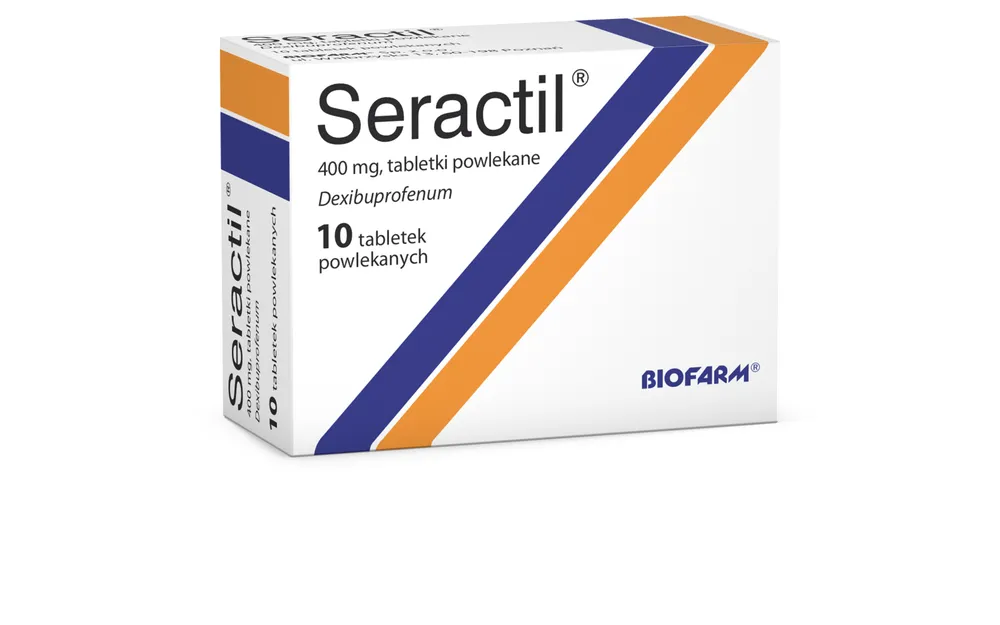
Table of Contents
- Package leaflet: Information for the user
- SERACTIL 300 mg film-coated tablets
- Package leaflet: information for the user
- SERACTIL 300 mg oral suspension powder
- Package leaflet: information for the user
- SERACTIL 400 mg film-coated tablets
- Package leaflet: information for the user
- SERACTIL 400 mg oral suspension powder
Package leaflet: Information for the user
SERACTIL 300 mg film-coated tablets
dexibuprofen
Please read this leaflet carefully before taking this medicine because it contains
important information for you.
- Keep this leaflet. You may need to read it again.
- If you have any questions, ask your doctor or pharmacist.
- This medicine has been prescribed for you only. Do not give it to other people, even if their symptoms are the same as yours, because it may be harmful.
- If you experience any adverse reaction, including those not listed in this leaflet, contact your doctor or pharmacist. See section 4.
Contents of this leaflet
- What Seractil is and what it is used for
- What you need to know before taking Seractil
- How to take Seractil
- Possible side effects
- How to store Seractil
- Contents of the pack and other information
1. What Seractil is and what it is used for
Dexibuprofen, the active substance contained in Seractil, belongs to a group of medicines known as non-steroidal anti-inflammatory drugs (NSAIDs). NSAIDs, including dexibuprofen, are used as pain relievers and to reduce inflammation. Their action consists in decreasing the amount of prostaglandins (substances that control inflammation and pain) produced by the body.
What Seractil is used for
Seractil helps to relieve:
- pain and inflammation caused by osteoarthritis (when the joints are worn);
- pain during menstruation;
- other forms of mild to moderate pain, such as muscle and joint pain, and toothache.
2. What you should know before taking Seractil
Do not take Seractil:
- if you are allergic to dexibuprofen or to any of the other ingredients of this medicine (listed in section 6);
- if you are allergic to acetylsalicylic acid or to any other pain-relieving medicine (allergy may cause breathing difficulties, asthma, runny nose, skin redness or facial swelling);
- if you have a history of gastrointestinal bleeding or perforation caused by NSAIDs;
- if you have recurrent stomach or duodenal ulcers, either in the past or currently active (vomiting blood, black stools or diarrhoea with blood may indicate bleeding in the stomach or intestine);
- if you have cerebral haemorrhage (cerebrovascular bleeding) or other active bleeding;
- if you have inflammatory bowel diseases (ulcerative colitis or Crohn's disease);
- if you suffer from severe dehydration (e.g. due to vomiting, diarrhoea or insufficient fluid intake);
- if you have severe heart failure or severe liver or kidney dysfunction;
- if you are a woman in the third trimester of pregnancy;
- if you have an unknown condition leading to abnormal blood cell formation.
Warnings and precautions
Talk to your doctor or pharmacist before taking Seractil if:
- you have ever had gastric or duodenal ulcer;
- you have had intestinal ulcers, ulcerative colitis or Crohn's disease;
- you suffer from liver, kidney disease or alcohol dependence;
- you have blood clotting disorders (see also section “Other medicines and Seractil”);
- you have oedema (fluid accumulation in body tissues);
- you have heart disease or high blood pressure;
- you suffer from systemic lupus erythematosus (a disease affecting joints, muscles and skin) or mixed connective tissue disease (a collagen disorder affecting connective tissue);
- you are experiencing difficulty in conceiving;
- you suffer from or have suffered from asthma or allergic diseases, as shortness of breath may occur;
- you have hay fever, nasal polyps or chronic obstructive pulmonary disease; there is an increased risk of allergic reactions. Allergic reactions may present as asthma attacks (called analgesic-induced asthma), Quincke's oedema (swelling mainly in the face, lips, eyelids or genitals) or urticaria;
- you have recently undergone major surgery;
- you suffer from certain inherited blood formation disorders (e.g. acute intermittent porphyria);
- you have an infection – see section below "Infections".
Gastrointestinal bleeding, ulceration or perforation, which may be fatal, have been reported
with all NSAIDs at any time during treatment, with or without warning symptoms or a
previous history of serious gastrointestinal events. When gastrointestinal bleeding or
ulceration occurs, treatment must be immediately discontinued. The risk of gastrointestinal
bleeding, ulceration or perforation is higher with increasing NSAID doses, in patients with a
history of ulcers, particularly if complicated by bleeding or perforation (see section 2), and in
elderly patients.
These patients should start treatment with the lowest available dose. Combination therapy
with protective agents (e.g. misoprostol or proton pump inhibitors) should be considered for
these patients and also for those requiring concomitant use of low-dose acetylsalicylic acid or
other medicines that may increase gastrointestinal risk.
If you have previously experienced gastrointestinal toxicity, especially if elderly, you must
inform your doctor of any unusual abdominal symptoms (particularly gastrointestinal
bleeding), especially in the early stages of treatment.
Anti-inflammatory/pain-relieving medicines such as dexibuprofen may be associated with a
slight increase in the risk of heart attack or stroke, particularly when administered at high
doses. Do not exceed the recommended dose or duration of treatment.
You should discuss treatment with your doctor or pharmacist before taking Seractil if you have:
- heart problems including heart attack, angina pectoris (chest pain), or history of heart attack, coronary bypass surgery, peripheral arterial disease (poor circulation in legs or feet due to narrowed or blocked arteries), or any type of stroke (including 'mini-stroke' or "TIA", transient ischaemic attack);
- high blood pressure, diabetes, high cholesterol, family history of heart disease or stroke, or if you are a smoker.
Very rarely, severe acute hypersensitivity reactions (e.g. anaphylactic shock with symptoms
such as shortness of breath, wheezing and drop in blood pressure) have been observed.
Immediately discontinue treatment at the first signs of hypersensitivity after taking Seractil and
contact your doctor immediately.
If you take high doses of a painkiller for a long period of time (different from what is
recommended in the therapeutic indications), you may develop headaches. In this case,
consult your doctor; do not take additional doses of Seractil to treat the headache. In general,
habitual use of analgesics, especially combinations of more than one painkiller, may lead to
permanent kidney damage, including risk of kidney failure (analgesic nephropathy).
Skin reactions
Serious skin reactions associated with Seractil treatment have been reported. Discontinue
taking Seractil and consult a doctor immediately if you develop skin rashes, mucosal lesions,
blisters or other signs of allergy, as these may be early signs of a very serious skin reaction. See
section 4.
Infections
Seractil may mask signs of infections such as fever and pain. Therefore, Seractil may delay
appropriate treatment of the infection, potentially increasing the risk of complications. This has
been observed in bacterial pneumonia and bacterial skin infections related to chickenpox. If you
take this medicine while having an infection and your symptoms persist or worsen, consult a
doctor immediately.
You should avoid taking NSAIDs in case of varicella zoster infection (chickenpox).
Other medicines and Seractil
Tell your doctor or pharmacist if you are taking, have recently taken or might take any other
medicine.
Seractil may affect or be affected by other medicines. For example:
- medicines with anticoagulant effect (i.e. substances that thin the blood and prevent clotting, e.g. acetylsalicylic acid, warfarin, ticlopidine, rivaroxaban, apixaban or dabigatran) may prolong bleeding time.
- medicines that lower high blood pressure (ACE-inhibitors such as captopril,
beta-blockers such as atenololo, angiotensin II receptor antagonists such as
losartan).
- voriconazole and fluconazole (CYP2C9 inhibitors), used for fungal infections, as dexibuprofen may enhance their effect.
Other medicines may also influence or be influenced by Seractil treatment. Therefore, always
consult your doctor or pharmacist before using Seractil with other medicines. In particular, you
must inform your doctor or pharmacist if you are taking any of the following medicines in
addition to those mentioned above.
Do not take the following medicines concomitantly with Seractil unless under strict medical
supervision:
- NSAIDs (medicines for pain, fever and inflammation). Combining Seractil with other NSAIDs or with acetylsalicylic acid used as a painkiller increases the risk of ulcer or gastrointestinal bleeding.
You may take the following medicines together with Seractil, but for safety reasons you
should inform your doctor:
- Lithium, used to treat certain mood disorders. Seractil may increase the effect of lithium.
- Methotrexate (a medicine used to treat cancer or rheumatism). Seractil may increase methotrexate side effects.
- Diuretics, as dexibuprofen may reduce the effect of these medicines.
- Corticosteroids: may increase the risk of gastrointestinal ulcer and bleeding.
- Certain antidepressants (selective serotonin reuptake inhibitors) may increase the risk of intestinal bleeding.
- Digoxin (a medicine for the heart). Seractil may increase digoxin's adverse effects.
- Immunosuppressants (such as cyclosporine, tacrolimus, sirolimus), sulfonylureas (some oral antidiabetic medicines), and aminoglycoside antibiotics (medicines to treat infections) – kidney damage may occur.
- Quinolone antibiotics, as the risk of seizures may be increased.
- Potassium-sparing diuretics, as they may lead to high potassium levels in the blood.
- Phenytoin, used to treat epilepsy. Seractil may exacerbate phenytoin's adverse effects.
- Pemetrexed (a medicine to treat certain types of cancer).
- Zidovudine (a medicine to treat HIV/AIDS); dexibuprofen may increase the risk of bleeding into a joint or bleeding causing swelling.
- Baclofen (a muscle relaxant): after starting dexibuprofen treatment, baclofen side effects may appear.
- Sulfinpyrazone, probenecid (medicines for gout), as elimination of dexibuprofen may be delayed.
Seractil with food, drinks and alcohol
You may take Seractil independently of meals, but it is better to take it with food to help avoid
gastrointestinal problems, especially if treatment is long-term.
Limit or avoid alcohol consumption while taking Seractil, as it may increase gastrointestinal
problems.
Pregnancy, breastfeeding and fertility
If you are pregnant, think you may be pregnant, planning to become pregnant, or breastfeeding,
ask your doctor for advice before taking this medicine.
You must not take Seractil during the last 3 months of pregnancy, as it may be seriously harmful
to the fetus, even at very low doses. During the first 6 months of pregnancy, you should take
Seractil only after consulting your doctor.
You should also avoid taking Seractil if you are planning to become pregnant, as the medicine
may make it more difficult to conceive.
Rarely, medicines like Seractil may affect female fertility. Fertility will return to normal after
stopping Seractil.
Only small amounts of the medicine pass into breast milk. However, if you are breastfeeding,
you should not take Seractil for prolonged periods or at high doses.
Driving and using machines
If you experience dizziness, drowsiness, vertigo or blurred vision after taking Seractil, you must
avoid driving vehicles or operating dangerous machinery (see section 4, “Possible side
effects”).
3. How to take Seractil
Always take this medicine exactly as instructed by your doctor. If
you have any doubts, consult your doctor or pharmacist.
Seractil tablets should be swallowed with a glass of water or other beverage. Seractil
acts more rapidly when taken without food. However, in general, it is recommended to take Seractil
with meals, as this may help prevent stomach upset, especially if the treatment is long-term.
Do not take more than 1 tablet of Seractil per single dose.
Do not take more than 4 tablets of Seractil per day.
For osteoarthritis
The recommended dose is 1 tablet of Seractil, 2 or 3 times daily. For acute symptoms,
your doctor may increase the dose up to 4 tablets of Seractil per day.
For menstrual pain
The recommended dose is 1 tablet of Seractil 2 or 3 times daily.
For mild to moderate pain
The recommended dose is 1 tablet of Seractil twice daily. If higher doses are needed,
your doctor may prescribe up to 4 tablets of Seractil per day.
The lowest effective dose should be used for the shortest duration necessary to relieve symptoms. In case of infection, if symptoms (such as fever and pain) persist or worsen,
consult a doctor immediately (see section 2).
Patients with liver or kidney disease
Your doctor may have prescribed you a lower than normal dose of Seractil. Do not
increase the dose prescribed by your doctor.
Elderly patients
If you are over 60 years of age, your doctor may have prescribed you a lower than normal
dose. If you experience no problems while taking Seractil, your doctor may subsequently
increase the previously prescribed dose.
Use in children and adolescents
Since there are insufficient data on use in children and adolescents, Seractil must not be used in patients under 18 years of age.
If you feel that the effects of Seractil tablets are too strong or too weak, consult your doctor or pharmacist.
If you take more Seractil than you should
If you have taken more tablets than prescribed or if your child has accidentally taken this medicine,
always contact a doctor or the nearest hospital for advice on the risk and guidance on actions to be taken.
Symptoms may include nausea, stomach ache, vomiting (possibly with traces of blood), headache, tinnitus, ataxia, confusion, and uncontrolled eye movements. At high doses, drowsiness, chest pain, palpitations, loss of consciousness, seizures (especially in children), weakness and dizziness, blood in the urine, feeling cold, and breathing problems have been reported.
If you forget to take Seractil
Do not take a double dose to make up for a forgotten tablet. Take the next tablet as usual.
If you have any questions about the use of this medicine, consult your doctor or pharmacist.
4. Possible side effects
Like all medicines, this medicine can cause side effects, although not everyone gets them.
Side effects can be minimized by taking the lowest dose for the shortest time necessary to relieve symptoms. Elderly patients using this medicine have a higher risk of developing problems associated with side effects.
Side effects are mainly dose-dependent and vary from patient to patient; in particular, the risk of gastrointestinal side effects depends on the dosage range and duration of treatment.
Stop taking Seractil and consult a doctor immediately if:
- you have severe stomach pain, especially at the beginning of treatment with Seractil.
- you have dark stools, bloody diarrhoea, or vomit containing blood.
- you develop a skin rash, numerous painful blisters and/or skin peeling, lesions of the mucous membranes, or any symptoms of allergy.
- you experience symptoms such as fever, sore throat and mouth, flu-like symptoms, feeling tired, nosebleeds or bleeding from the skin. These may be caused by a decrease in white blood cells in the body (agranulocytosis).
- you have a severe or persistent headache.
- you develop yellowing of the skin or the whites of the eyes (jaundice).
- you experience swelling of the face, tongue or pharynx, difficulty swallowing or breathing (angioedema), or worsening asthma.
- you notice reduced urine output, swelling, cloudy urine, or generally feel unwell, as these may be early signs of kidney damage or kidney failure.
Very common: may affect more than 1 in 10 people.
- Gastrointestinal disorders such as abdominal pain, nausea and indigestion, diarrhoea, flatulence, constipation, heartburn, vomiting, and minor gastrointestinal bleeding in the stomach and/or intestines, which may exceptionally lead to anaemia.
Common: may affect up to 1 in 10 people.
- Gastrointestinal ulcers, sometimes with bleeding and perforation (see section 2), black stools (melena), vomiting blood (haematemesis), mouth ulcers and inflammation (ulcerative stomatitis), inflammation of the colon (colitis), worsening of inflammatory bowel disease, complications of colon diverticula (perforation, fistula).
- Central nervous system disorders such as headache, dizziness, insomnia, restlessness, irritability or drowsiness (somnolence), vertigo, fatigue (tiredness).
Uncommon: may affect up to 1 in 100 people.
- Gastritis
- Visual disturbances
- Hypersensitivity reactions such as hives (urticaria), itching, bruising (purpura), and rash, as well as asthma attacks (sometimes accompanied by low blood pressure)
- Swelling of the face or throat (angioedema)
- Anxiety
- Ringing in the ears (tinnitus)
- Runny nose (rhinitis)
- Skin rashes
- Development of oedema, particularly in patients with high blood pressure or kidney problems, including kidney inflammation and kidney failure
Rare: may affect up to 1 in 1,000 people.
- Psychotic reactions
- Loss of vision (toxic amblyopia)
- Impaired hearing
- Kidney damage (papillary necrosis), increased blood urea levels, and elevated uric acid levels in the blood
- Liver function problems (usually reversible)
- Depression, confusion, hallucinations
Very rare: may affect up to 1 in 10,000 people.
- Breathing difficulties (mainly in patients with bronchial asthma)
- Inflammation of the oesophagus or pancreas, formation of membrane-like narrowing in the small and large intestine (intestinal stricture, resembling a diaphragm)
- Oedema, high blood pressure, inflammation of blood vessels, palpitations, heart failure
- Liver dysfunction, liver damage, especially during long-term treatment, liver impairment, acute inflammation of the liver (hepatitis), and jaundice
- Photosensitivity reactions
- Problems with blood cell production (anaemia, leucopenia, thrombocytopenia, pancytopenia, agranulocytosis) – early signs include: fever, sore throat, superficial mouth ulcers, flu-like symptoms, severe exhaustion, nosebleeds and skin bleeding. In such cases, treatment must be stopped immediately and a doctor consulted. These symptoms should not be treated with painkillers or fever-reducing medicines (antipyretics).
- Worsening of infection-related inflammation (e.g. necrotizing fasciitis) has been reported with the use of some painkillers (NSAIDs). If signs of infection appear or worsen during use of dexibuprofen, consult a doctor immediately to determine whether anti-infective/antibiotic treatment is needed.
- Rarely, severe skin infections and soft tissue complications during chickenpox infection
- Symptoms of aseptic meningitis, including neck stiffness, headache, nausea, malaise, fever, and confusion, have been observed during use of dexibuprofen. Patients with autoimmune disorders (SLE, mixed connective tissue disease) may be more likely to be affected. If these occur, contact a doctor immediately.
- Severe skin reactions such as rashes with redness and blisters (e.g. Stevens-Johnson syndrome, erythema multiforme, toxic epidermal necrolysis/Lyell’s syndrome), hair loss (alopecia)
- Severe hypersensitivity reactions (facial, tongue and laryngeal oedema, dyspnoea, tachycardia, hypotension, severe shock), worsening asthma
Not known (frequency cannot be estimated from the available data)
- A serious skin reaction known as DRESS syndrome may occur. Symptoms of DRESS include: skin rash, fever, swollen lymph nodes, and increased eosinophils (a type of white blood cell).
- Generalized pustular rash with red, scaly skin, bumps under the skin, and blisters, mainly affecting skin folds, trunk, and upper limbs, accompanied by fever at the beginning of treatment (generalized pustular eruption). Stop using Seractil if these symptoms occur and consult a doctor immediately. See section 2.
Medicines such as Seractil may be associated with a small increase in the risk of heart attack ("myocardial infarction") or stroke.
Reporting of side effects
If you experience any side effect, including those not listed in this leaflet, talk to your doctor or pharmacist. You can also report side effects directly via the national reporting system at https://www.aifa.gov.it/content/segnalazioni-reazioni-avverse.
By reporting side effects, you can help provide more information on the safety of this medicine.
5. How to store Seractil
Keep this medicine out of the sight and reach of children.
Do not store at temperatures above 25°C.
Do not use this medicine after the expiry date stated on the carton and blister pack after "Exp". The expiry date refers to the last day of that month.
Do not dispose of any medicine via wastewater or household waste. Ask your pharmacist how to dispose of medicines you no longer use. This will help protect the environment.
6. Contents of the pack and other information
What Seractil contains
- The active substance is dexibuprofen. One film-coated tablet contains 300 mg of dexibuprofen.
- The other components are:
Tablet core: hypromellose, microcrystalline cellulose, calcium carmellose, anhydrous colloidal silica, talc.
Film coating: hypromellose, titanium dioxide (E171), triacetin, talc, macrogol 6000.
What Seractil looks like and contents of the pack
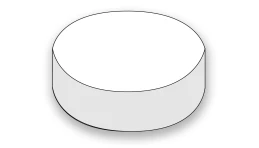
The 300 mg tablets are white, round tablets.
Diameter: approximately 11.2 mm
Height: approximately 5.2 mm
Seractil tablets are available in packs of 10, 20, 30, 50, 60 and 100 tablets in
transparent, colourless or opaque white PVC/PVDC/aluminium blisters.
Not all pack sizes may be marketed.
Marketing Authorisation Holder and Manufacturer
Marketing Authorisation Holder:
NEOPHARMED GENTILI S.p.A. – Milan, Italy
Manufacturer:
Gebro Pharma GmbH, A-6391 Fieberbrunn, AUSTRIA
This medicinal product is authorised in the European Economic Area countries under the following names:
Austria: Dexibuprofen "Gebro" 300 mg Filmtabletten
United Kingdom: Seractil 300 mg film-coated tablets
Portugal: Seractil 300 mg comprimidos revestidos
Sweden: Tradil 300 mg filmdragerade tabletter
Denmark: Seractiv 300 mg filmovertrukne tabletter
Greece: Seractil 300 mg film-coated tablets
Italy: Seractil 300 mg compresse rivestite con film
This leaflet was last approved on:
Package leaflet: information for the user
SERACTIL 300 mg oral suspension powder
dexibuprofen
Please read this leaflet carefully before taking this medicine as it contains important information for you.
- Keep this leaflet. You may need to read it again.
- If you have any questions, ask your doctor or pharmacist.
- This medicine has been prescribed for you only. Do not give it to others, even if their symptoms are the same as yours, as it could be harmful.
- If you experience any adverse reaction, including those not listed in this leaflet, contact your doctor or pharmacist. See section 4.
Contents of this leaflet
- What Seractil is and what it is used for
- What you need to know before taking Seractil
- How to take Seractil
- Possible side effects
- How to store Seractil
- Contents of the pack and other information
7. What Seractil is and what it is used for
Dexibuprofen, the active substance in Seractil, belongs to a group of medicines known as non-steroidal anti-inflammatory drugs (NSAIDs). Like other NSAIDs, dexibuprofen is used as a pain reliever and to reduce inflammation. It works by decreasing the amount of prostaglandins (substances that regulate inflammation and pain) produced by the body.
What Seractil is used for
Seractil helps to relieve:
- pain and inflammation caused by osteoarthritis (when the joints are worn down);
- pain during menstrual periods;
- other forms of mild to moderate pain, such as muscle and joint pain, and toothache.
8. What you need to know before taking Seractil
Do not take Seractil:
-
if you are allergic to dexibuprofen or to any of the other ingredients of this medicine (listed in section 6);
-
if you are allergic to acetylsalicylic acid or to any other painkiller (allergy may cause you breathing difficulties, asthma, runny nose, skin redness or facial swelling);
-
if you have a history of gastrointestinal bleeding or perforation caused by NSAIDs;
-
if you have recurrent stomach or duodenal ulcers (vomiting blood, black stools or diarrhoea with blood may indicate that your stomach or intestine is bleeding);
-
if you have cerebral haemorrhage (cerebrovascular haemorrhage) or other active bleeding;
-
if you have inflammatory bowel diseases (ulcerative colitis, Crohn's disease);
-
if you suffer from severe dehydration (e.g. caused by vomiting, diarrhoea or insufficient fluid intake);
-
if you have severe heart failure or severe liver or kidney dysfunction;
-
if you are a woman in the third trimester of pregnancy;
-
if you have an unknown condition leading to abnormal blood cell formation.
Warnings and precautions
Talk to your doctor or pharmacist before taking Seractil, if:
- you have ever had gastric or duodenal ulcer;
- you have had intestinal ulcers, ulcerative colitis or Crohn's disease;
- you suffer from liver, kidney disease or alcohol dependence;
- you have blood clotting disorders (see also section “Other medicines and Seractil”);
- you have oedema (accumulation of fluid in body tissues);
- you have heart disease or high blood pressure;
- you suffer from systemic lupus erythematosus (a disease affecting joints, muscles and skin) or mixed connective tissue disease (a collagen disease affecting connective tissue);
- you are experiencing difficulty in conceiving;
- you suffer from or have suffered from asthma or allergic diseases, as shortness of breath may occur;
- you have hay fever, nasal polyps or chronic obstructive pulmonary disease, as there is an increased risk of allergic reactions. Allergic reactions may present as asthma attacks (called analgesic-induced asthma), Quincke's oedema (swelling mainly in the face, lips, eyelids or genitals) or urticaria;
- you have recently undergone major surgery;
- you have certain inherited blood formation disorders (e.g. acute intermittent porphyria);
- you have an infection – see section below "Infections".
Gastrointestinal bleeding, ulceration or perforation have been reported with all NSAIDs at any time during treatment, sometimes fatal, with or without warning symptoms or a previous history of serious gastrointestinal events. When gastrointestinal bleeding or ulceration occurs, treatment must be immediately discontinued. The risk of gastrointestinal bleeding, ulceration or perforation is higher with increasing doses of NSAIDs, in patients with a history of ulcer, particularly if complicated by bleeding or perforation (see section 2), and in elderly patients.
These patients should start treatment with the lowest available dose. Combination therapy with protective agents (e.g. misoprostol or proton pump inhibitors) should be considered for these patients and also for patients who require concomitant use of low-dose acetylsalicylic acid or other medicines that may increase gastrointestinal risk.
If you have previously experienced gastrointestinal toxicity, especially in the elderly, you must inform your doctor of any unusual abdominal symptoms (particularly gastrointestinal bleeding), especially in the initial stages of treatment.
Anti-inflammatory/pain medicines such as dexibuprofen may be associated with a small increased risk of heart attack or stroke, especially when administered at high doses. Do not exceed the recommended dose or duration of treatment.
You should discuss treatment with your doctor or pharmacist before taking Seractil if you have:
- heart problems including heart attack, angina pectoris (chest pain) or if you have a history of heart attack, coronary bypass surgery, peripheral arterial disease (poor circulation in legs or feet due to narrowed or blocked arteries) or any type of stroke (including 'mini-stroke' or "TIA", transient ischaemic attack);
- high blood pressure, diabetes, high cholesterol, family history of heart disease or stroke, or if you are a smoker.
Very rarely, severe acute hypersensitivity reactions (e.g. anaphylactic shock) have been observed with symptoms such as shortness of breath, wheezing and drop in blood pressure. Immediately discontinue treatment at the first signs of hypersensitivity reaction after taking Seractil and contact your doctor immediately.
If you take high doses of a painkiller for a prolonged period (different from what is intended), you may develop headache. In this case, consult your doctor; do not take additional doses of Seractil for headache. In general, habitual use of analgesics, particularly in combination with more than one painkiller, may lead to permanent kidney damage, including risk of kidney failure (analgesic nephropathy).
Skin reactions
Serious skin reactions have been reported with Seractil treatment. Stop taking Seractil and consult a doctor immediately if you develop skin rashes, mucosal lesions, blisters or other signs of allergy, as they may be early signs of a very serious skin reaction. See section 4.
Infections
Seractil may mask signs of infections such as fever and pain. Therefore, Seractil may delay appropriate treatment of infection, which could increase the risk of complications. This has been observed in bacterial pneumonia and bacterial skin infections related to chickenpox. If you take this medicine while having an infection and your symptoms persist or worsen, consult a doctor immediately.
You should avoid taking NSAIDs in case of varicella zoster infection (chickenpox).
Other medicines and Seractil
Inform your doctor or pharmacist if you are taking, have recently taken or might take any other medicine.
Seractil may affect or be affected by other medicines. For example:
-
medicines with anticoagulant effect (i.e. substances that thin the blood preventing clot formation, e.g. acetylsalicylic acid, warfarin, ticlopidine, rivaroxaban, apixaban or dabigatran) may prolong bleeding time;
-
medicines that lower high blood pressure (ACE inhibitors such as captopril, beta-blockers such as atenolol, angiotensin II receptor antagonists such as losartan);
-
voriconazole and fluconazole (CYP2C9 inhibitors), used for fungal infections, since dexibuprofen may enhance their effect.
Also, some other medicines may affect or be affected by treatment with Seractil. Therefore, always consult your doctor or pharmacist before using Seractil with other medicines. In particular, inform your doctor or pharmacist if you are taking any of the following medicines in addition to those mentioned above:
Do not take the following medicines concomitantly with Seractil unless under strict medical supervision:
- NSAIDs (medicines for treatment of pain, fever and inflammation). Taking Seractil with other NSAIDs or with acetylsalicylic acid used as a painkiller increases the risk of ulcer or gastrointestinal bleeding.
You may take the following medicines together with Seractil but for safety reasons you must inform your doctor:
- Lithium, used to treat certain mood disorders. Seractil may increase the effect of lithium.
- Methotrexate (medicine used for treatment of cancer or rheumatism). Seractil may increase methotrexate's side effects.
- Diuretics, as dexibuprofen may reduce the effects of these medicines.
- Corticosteroids: may increase the risk of gastrointestinal ulcer and bleeding.
- Some antidepressants (selective serotonin reuptake inhibitors) may increase the risk of gastrointestinal bleeding.
- Digoxin (a medicine for the heart). Seractil may increase digoxin's unwanted effects.
- Immunosuppressants (such as cyclosporine, tacrolimus, sirolimus), sulfonylureas (some oral antidiabetic medicines) and aminoglycoside antibiotics (medicines to treat infections) – kidney damage may occur.
- Quinolone antibiotics, as the risk of seizures may be increased.
- Potassium-sparing diuretics, as they may lead to elevated potassium levels in the blood.
- Phenytoin, used for treatment of epilepsy. Seractil may exacerbate phenytoin's side effects.
- Pemetrexed (a medicine to treat certain types of cancer).
- Zidovudine (a medicine to treat HIV/AIDS); dexibuprofen may increase the risk of joint bleeding or bleeding leading to swelling.
- Baclofen (a muscle relaxant): after starting treatment with dexibuprofen, side effects of baclofen may appear.
- Sulfinpyrazone, probenecid (medicines for gout), as elimination of dexibuprofen may be delayed.
Seractil with food, drinks and alcohol
You may take Seractil regardless of meals, however it is better to take it after meals to help avoid gastrointestinal problems, especially if it is a long-term treatment.
Limit or avoid alcohol consumption when taking Seractil, as it may increase gastrointestinal problems.
Pregnancy, breastfeeding and fertility
If you are pregnant, think you may be pregnant, are planning to become pregnant, or are breastfeeding, consult your doctor before taking this medicine.
Do not take Seractil during the last 3 months of pregnancy, as it may be seriously harmful to the fetus, even at very low doses. During the first 6 months of pregnancy, take Seractil only after consulting your doctor.
You should also not take Seractil if you are planning to become pregnant, as the medicine may make it more difficult to conceive.
In rare cases, medicines like Seractil may affect a woman's fertility. Fertility will return to normal after stopping Seractil.
Only small amounts of Seractil pass into breast milk. However, if you are breastfeeding, do not take Seractil for a prolonged period or at high doses.
Driving and using machines
If you experience dizziness, drowsiness, vertigo or blurred vision after taking Seractil, avoid driving or operating dangerous machinery (see section 4 “Possible side effects”).
Seractil contains sucrose
If your doctor has diagnosed you with an intolerance to certain sugars, contact him before taking this medicine.
Seractil contains sodium
This medicine contains less than 1 mmol (23 mg) of sodium per sachet, i.e. essentially “sodium-free”.
9. How to take Seractil
Take Seractil exactly as directed by your doctor. If you have any doubts, consult your
doctor or pharmacist.


Empty the contents of the sachet into a glass of water (approximately 200 ml). Mix well until a cloudy suspension is obtained. Take immediately after preparation.
Seractil acts more quickly if taken without food. However, it is recommended to take it after meals, as this may help prevent stomach upset, especially if treatment is long-term.
Do not take more than 1 sachet of Seractil per single dose.
Do not take more than 4 sachets of Seractil per day.
For osteoarthritis
The recommended dose is 1 sachet of Seractil 2 to 3 times daily. For acute symptoms, your doctor may increase the dose to up to 4 sachets of Seractil per day.
For menstrual pain
The recommended dose is 1 sachet of Seractil 2 to 3 times daily.
For mild to moderate pain
The recommended dose is 1 sachet of Seractil twice daily. For acute symptoms, your doctor may prescribe up to 4 sachets of Seractil per day.
The lowest effective dose should be used for the shortest possible duration needed to relieve symptoms. In case of infection, if symptoms (such as fever and pain) persist or worsen, consult a doctor immediately (see section 2).
Patients with liver or kidney disease
Your doctor may have prescribed you a lower than normal dose of Seractil. Do not increase the dose prescribed by your doctor.
Elderly patients
If you are over 60 years of age, your doctor may have prescribed you a lower than normal dose. If you experience no problems while taking Seractil, your doctor may subsequently increase the dose.
Use in children and adolescents
Since there is insufficient data on use in children and adolescents, Seractil must not be used in patients under 18 years of age.
Duration of treatment: You must not take this medicine for longer than two weeks. If longer-term treatment is needed, your doctor may prescribe Seractil film-coated tablets.
If you feel the effect of Seractil sachets is too weak or too strong, consult your doctor or pharmacist.
If you take more Seractil than you should
If you have taken more sachets than prescribed, or if your child has accidentally taken this medicine, contact your doctor or the nearest hospital immediately for advice on the risk and on what actions to take.
Symptoms may include nausea, stomach ache, vomiting (possibly with traces of blood), headache, ringing in the ears, confusion, and uncontrolled eye movements. At high doses, drowsiness, chest pain, palpitations, loss of consciousness, seizures (especially in children), weakness and dizziness, blood in the urine, feeling cold, and breathing difficulties have been reported.
If you forget to take Seractil
Do not take a double dose to make up for a forgotten dose. Take the next sachet as usual.
If you have any questions about the use of this medicine, consult your doctor or pharmacist.
10. Possible side effects
Like all medicines, this medicine can cause side effects, although not everyone experiences them.
Side effects can be minimised by taking the lowest effective dose for the shortest duration necessary to relieve symptoms. Elderly patients using this medicine have a higher risk of developing problems associated with side effects.
Side effects are predominantly dose-dependent and vary from patient to patient; in particular, the risk of gastrointestinal side effects depends on the dosage range and duration of treatment.
Stop taking Seractil and consult a doctor immediately if you:
- experience severe stomach pain, especially at the beginning of treatment with Seractil;
- have dark stools, bloody diarrhoea, or vomit blood;
- develop a skin rash, numerous painful blisters and/or skin peeling, mucosal lesions, or any symptoms of hypersensitivity;
- experience symptoms such as fever, sore throat and mouth, flu-like symptoms, fatigue, or bleeding from the nose or skin. These may be caused by a decrease in white blood cells (agranulocytosis);
- have a severe or persistent headache;
- develop yellowing of the skin or whites of the eyes (jaundice);
- experience swelling of the face, tongue, or pharynx, difficulty swallowing or breathing (angioedema), or worsening asthma;
- notice reduced urine output, swelling, cloudy urine, or generally feel unwell, as these may be early signs of kidney damage or kidney failure.
Very common (may affect more than 1 in 10 people):
- gastrointestinal disorders such as abdominal pain, nausea, indigestion, diarrhoea, flatulence, constipation, heartburn, vomiting, and minor gastrointestinal bleeding (in stomach and/or intestine), which may exceptionally lead to anaemia.
Common (may affect up to 1 in 10 people):
-
gastrointestinal ulcers, sometimes with bleeding and perforation (see section 2), black stools (melena), vomiting blood (haematemesis), mouth ulcers and inflammation (ulcerative stomatitis), inflammation of the colon (colitis), worsening of inflammatory bowel disease, complications of colonic diverticula (perforation, fistula).
-
central nervous system disorders such as headache, dizziness, insomnia, agitation, irritability, drowsiness (somnolence), vertigo, and fatigue (tiredness).
Uncommon (may affect up to 1 in 100 people):
- local burning sensation in the mouth and throat
- gastritis
- visual disturbances
- hypersensitivity reactions such as hives (urticaria), itching, bruising (purpura), and rash, as well as asthma attacks (sometimes accompanied by low blood pressure)
- swelling of the face or throat (angioedema)
- anxiety
- ringing in the ears (tinnitus)
- runny nose (rhinitis)
- skin rashes
- development of oedema, particularly in patients with hypertension or kidney problems, including kidney inflammation and kidney failure
Rare (may affect up to 1 in 1,000 people):
- psychotic reactions
- loss of vision (toxic amblyopia)
- impaired hearing
- kidney damage (papillary necrosis), increased blood urea levels, and elevated blood uric acid levels
- liver function problems (usually reversible)
- depression, confusion, hallucinations
Very rare (may affect up to 1 in 10,000 people):
- breathing difficulties (mainly in patients with bronchial asthma)
- inflammation of the oesophagus or pancreas, formation of membrane-like strictures in the small and large intestine (intestinal stenosis resembling a diaphragm)
- oedema, high blood pressure, inflammation of blood vessels, palpitations, heart failure
- liver dysfunction, liver damage (especially during long-term treatment), liver impairment, acute inflammation of the liver (hepatitis), and jaundice
- photosensitivity reactions
- problems in blood cell production (anaemia, leucopenia, thrombocytopenia, pancytopenia, agranulocytosis) – early signs include: fever, sore throat, superficial mouth ulcers, flu-like symptoms, severe exhaustion, bleeding from the nose and skin. In such cases, treatment must be stopped immediately and a doctor consulted. These symptoms should not be treated with painkillers or fever-reducing medicines (antipyretics)
- worsening of infection-related inflammation (e.g. necrotising fasciitis) has been reported with the use of some painkillers (NSAIDs). If signs of infection develop or worsen during dexibuprofen use, consult a doctor immediately to determine whether anti-infective/antibiotic therapy is needed
- very rarely, severe skin infections and soft tissue complications during chickenpox infection
- symptoms of aseptic meningitis such as neck stiffness, headache, nausea, malaise, fever, and confusion have been observed during dexibuprofen use. Patients with autoimmune disorders (e.g. SLE, mixed connective tissue disease) may be at higher risk. If these occur, contact a doctor immediately
- severe skin reactions such as rashes with redness and blisters (e.g. Stevens-Johnson syndrome, erythema multiforme, toxic epidermal necrolysis/Lyell’s syndrome), hair loss (alopecia)
- severe hypersensitivity reactions (facial, tongue, and laryngeal oedema, dyspnoea, tachycardia, hypotension, severe shock), worsening asthma
Not known (frequency cannot be estimated from available data):
- a serious skin reaction known as DRESS syndrome may occur. Symptoms of DRESS include: skin rash, fever, swollen lymph nodes, and increased eosinophils (a type of white blood cell).
- generalised pustular eruption characterised by red, scaly rash with bumps under the skin and blisters, mainly affecting skin folds, trunk, and upper limbs, accompanied by fever at the beginning of treatment (generalised exanthematous pustulosis). Stop using Seractil if these symptoms occur and consult a doctor immediately. See section 2.
Medicines such as Seractil may be associated with a small increase in the risk of heart attack ("myocardial infarction") or stroke.
Reporting of side effects
If you experience any side effects, including those not listed in this leaflet, talk to your doctor or pharmacist. You can also report side effects directly via the national reporting system at
https://www.aifa.gov.it/content/segnalazioni-reazioni-avverse. By reporting side effects, you can help provide more information on the safety of this medicine.
11. How to store Seractil
Keep this medicine out of the sight and reach of children.
Do not store above 25°C.
Do not use this medicine after the expiry date stated on the carton and sachet after "Exp".
Do not dispose of medicines via wastewater or household waste. Ask your pharmacist how to dispose of medicines you no longer use. This will help protect the environment.
12. Package contents and other information
What Seractil contains
- The active substance is dexibuprofen. One sachet contains 300 mg of dexibuprofen.
- The other components are: sucrose, citric acid, orange flavor, saccharin, silica, sodium lauryl sulfate.
Description of the appearance of Seractil and contents of the pack
This pack contains 30 sachets of Seractil in the form of a yellowish powder.
Marketing Authorisation Holder and Manufacturer
Marketing Authorisation Holder
NEOPHARMED GENTILI S.p.A.
Via San Giuseppe Cottolengo, 15 – 20143 Milan
Italy
Manufacturers
Gebro Pharma GmbH, A-6391 Fieberbrunn, Austria
LAMP SAN PROSPERO SPA
Via Della Pace, 25/a
41030 S. Prospero S/S (MO) - Italy
This medicinal product is authorised in the Member States of the European Economic Area
under the following names:
Austria: Seractil akut 300 mg Pulver zur Herstellung einer Suspension zum Einnehmen
Italy: Seractil 300 mg powder for oral suspension
Package leaflet: information for the user
SERACTIL 400 mg film-coated tablets
dexibuprofen
Read this leaflet carefully before taking this medicine because it contains
important information for you.
- Keep this leaflet. You may need to read it again.
- If you have any questions, ask your doctor or pharmacist.
- This medicine has been prescribed for you only. Do not give it to other people, even if their symptoms are the same as yours, as it may be harmful.
- If you experience any side effect, including those not listed in this leaflet, contact your doctor or pharmacist. See section 4.
Contents of this leaflet
- What Seractil is and what it is used for
- What you need to know before taking Seractil
- How to take Seractil
- Possible side effects
- How to store Seractil
- Contents of the pack and other information
13. What Seractil is and what it is used for
Dexibuprofen, the active substance in Seractil, belongs to a group of medicines known as non-steroidal anti-inflammatory drugs (NSAIDs). NSAIDs, including dexibuprofen, are used as pain relievers and to reduce inflammation. Their action consists of decreasing the amount of prostaglandins (substances that control inflammation and pain) produced by our body.
What Seractil is used for
Seractil helps to relieve:
- pain and inflammation caused by osteoarthritis (when the joints are worn)
- pain during menstruation
- other forms of mild to moderate pain, such as muscle and joint pain and toothache.
14. What you should know before taking Seractil
Do not take Seractil:
- if you are allergic to dexibuprofen or to any of the other ingredients of this medicine (listed in section 6);
- if you are allergic to acetylsalicylic acid or to any other pain-relieving medicine (allergy may cause breathing difficulties, asthma, runny nose, skin rash or swelling of the face);
- if you have a history of gastrointestinal bleeding or perforation caused by NSAIDs;
- if you have recurrent stomach or duodenal ulcers that have occurred in the past or are currently active (vomiting blood, black stools or diarrhoea with blood may indicate bleeding in the stomach or intestine);
- if you have cerebral haemorrhage (cerebrovascular bleeding) or other active bleeding;
- if you have inflammatory bowel diseases (ulcerative colitis or Crohn’s disease);
- if you suffer from severe dehydration (e.g. caused by vomiting, diarrhoea or insufficient fluid intake);
- if you have severe heart failure or severe liver or kidney dysfunction;
- if you are a woman in the third trimester of pregnancy;
- if you have an unknown condition leading to abnormal blood cell formation.
Warnings and precautions
Talk to your doctor or pharmacist before taking Seractil if:
- you have ever had gastric or duodenal ulcers;
- you have had intestinal ulcers, ulcerative colitis or Crohn’s disease;
- you suffer from liver, kidney disease or alcohol dependence;
- you have blood clotting disorders (see also section “Other medicines and Seractil”);
- you have oedema (when fluid accumulates in body tissues);
- you have heart disease or high blood pressure; you have systemic lupus erythematosus (a disease affecting joints, muscles and skin) or mixed connective tissue disease (a collagen disease affecting connective tissue);
- you are experiencing difficulty in conceiving;
- you suffer or have suffered from asthma or allergic diseases, as shortness of breath may occur;
- you have hay fever, nasal polyps or chronic obstructive pulmonary disease; there is an increased risk of allergic reactions. Allergic reactions may present as asthma attacks (called analgesic-induced asthma), Quincke's oedema (swelling mainly in the face, lips, eyelids or genitals) or urticaria;
- you have recently undergone major surgery;
- you have certain inherited blood formation disorders (e.g. acute intermittent porphyria);
- you have an infection – see section below "Infections".
Gastrointestinal bleeding, ulceration or perforation, which may be fatal, have been reported
with all NSAIDs at any time during treatment, with or without warning symptoms or a
previous history of serious gastrointestinal events. When gastrointestinal bleeding or
ulceration occurs, treatment must be immediately discontinued. The risk of gastrointestinal
bleeding, ulceration or perforation is higher with increasing doses of NSAIDs, in patients
with a history of ulcers, particularly if complicated by bleeding or perforation (see section 2),
and in elderly patients.
These patients should start treatment with the lowest available dose. Combination therapy
with protective agents (e.g. misoprostol or proton pump inhibitors) should be considered for
these patients, as well as for patients requiring concomitant use of low-dose acetylsalicylic
acid or other medicines that may increase gastrointestinal risk.
If you have previously experienced gastrointestinal toxicity, especially in elderly patients,
you must inform your doctor of any unusual abdominal symptoms (particularly
gastrointestinal bleeding), especially during the initial stages of treatment.
Anti-inflammatory/pain-relieving medicines such as dexibuprofen may be associated with a
slight increase in the risk of heart attack or stroke, especially when administered at high
doses. Do not exceed the recommended dose or duration of treatment.
You should discuss therapy with your doctor or pharmacist before taking Seractil if you have:
- heart problems including heart attack, angina pectoris (chest pain), or if you have a history of heart attack, coronary bypass surgery, peripheral arterial disease (poor circulation in legs or feet due to narrowing or blockage of arteries), or any type of stroke (including 'mini-stroke' or "TIA", transient ischaemic attack);
- high blood pressure, diabetes, high cholesterol, family history of heart disease or stroke, or if you are a smoker.
Very rarely, severe acute hypersensitivity reactions (e.g. anaphylactic shock) have been
observed, with symptoms such as shortness of breath, wheezing and drop in blood pressure.
Immediately stop treatment at the first signs of hypersensitivity reaction after taking Seractil
and inform your doctor immediately.
If you take high doses of a painkiller for a long period of time (beyond what is recommended
in the therapeutic indications), you may develop headaches. In this case, consult your doctor;
you must not take additional doses of Seractil to treat the headache. In general, habitual use
of analgesics, particularly combinations of more than one painkiller, may lead to permanent
kidney damage, including risk of kidney failure (analgesic nephropathy).
Skin reactions
Serious skin reactions associated with treatment with Seractil have been reported. Stop taking
Seractil and consult a doctor immediately if you develop skin rashes, mucosal lesions,
blisters or other signs of allergy, as these may be early signs of a very serious skin reaction.
See section 4.
Infections
Seractil may mask signs of infections such as fever and pain. Therefore, Seractil may delay
appropriate treatment of the infection, which could increase the risk of complications. This
has been observed in bacterial pneumonia and bacterial skin infections related to varicella.
If you take this medicine while having an infection and your symptoms persist or worsen,
consult a doctor immediately.
You should avoid taking NSAIDs in case of varicella zoster infection (chickenpox).
Other medicines and Seractil
Inform your doctor or pharmacist if you are taking, have recently taken or might take any
other medicine.
Seractil may affect or be affected by other medicines. For example:
- medicines with anticoagulant effect (i.e. substances that thin the blood and prevent clot formation, e.g. acetylsalicylic acid, warfarin, ticlopidine, rivaroxaban, apixaban or dabigatran) may prolong bleeding time.
- medicines that reduce high blood pressure (ACE inhibitors such as captopril,
beta-blockers such as atenolol, angiotensin II receptor antagonists such as
losartan)
- voriconazole and fluconazole (CYP2C9 inhibitors), used for fungal infections, since dexibuprofen may enhance their effect.
Some other medicines may also affect or be affected by treatment with Seractil. Therefore,
always consult your doctor or pharmacist before using Seractil with other medicines. In
particular, inform your doctor or pharmacist if you are taking any of the following medicines
in addition to those mentioned above.
You must not take the following medicines concomitantly with Seractil unless under strict
medical supervision:
- NSAIDs (medicines for pain, fever and inflammation). Combining Seractil with other NSAIDs or with acetylsalicylic acid used as a painkiller increases the risk of ulcer or gastrointestinal bleeding.
You may take the following medicines together with Seractil, but for safety reasons you must
inform your doctor:
- Lithium, used to treat certain mood disorders. Seractil may increase the effect of lithium.
- Methotrexate (a medicine used to treat cancer or rheumatism). Seractil may increase the side effects of methotrexate.
- Diuretics, as dexibuprofen may reduce the effects of these medicines.
- Corticosteroids: may increase the risk of gastrointestinal ulcer and bleeding.
- Some antidepressants (selective serotonin reuptake inhibitors) may increase the risk of intestinal bleeding.
- Digoxin (a medicine for the heart). Seractil may increase the undesirable effects of digoxin.
- Immunosuppressants (such as cyclosporine, tacrolimus, sirolimus), sulfonylureas (some oral antidiabetic medicines) and aminoglycoside antibiotics (medicines to treat infections) – kidney damage may occur.
- Quinolone antibiotics, as the risk of seizures may be increased.
- Potassium-sparing diuretics, as they may lead to elevated potassium levels in the blood.
- Phenytoin, used to treat epilepsy. Seractil may accentuate the side effects of phenytoin.
- Pemetrexed (a medicine to treat certain types of cancer).
- Zidovudine (a medicine to treat HIV/AIDS); dexibuprofen may increase the risk of bleeding into a joint or bleeding causing swelling.
- Baclofen (a muscle relaxant): after starting treatment with dexibuprofen, side effects of baclofen may appear.
- Sulfinpyrazone, probenecid (medicines for gout), as elimination of dexibuprofen may be delayed.
Seractil with food, drinks and alcohol
You may take Seractil either with or apart from meals, but it is better to take it during meals to
minimize gastrointestinal problems, especially if it is long-term treatment.
Limit or avoid alcohol consumption while taking Seractil, as it may increase gastrointestinal
problems.
Pregnancy, breastfeeding and fertility
If you are pregnant, suspect you may be pregnant, are planning to become pregnant, or are
breastfeeding, consult your doctor before taking this medicine.
You must not take Seractil during the last 3 months of pregnancy, as it may be seriously
harmful to the fetus, even at very low doses. During the first 6 months of pregnancy, you
should take Seractil only after consulting your doctor.
You should also not take Seractil if you are planning to become pregnant, as the medicine may
make it more difficult to conceive.
In rare cases, medicines such as Seractil may alter female fertility. Fertility will return to
normal after stopping Seractil.
Only small amounts of the medicine pass into breast milk. However, if you are breastfeeding,
you should not take Seractil for a prolonged period or at high doses.
Driving and using machines
If you experience dizziness, drowsiness, vertigo or blurred vision after taking Seractil, you
should avoid driving vehicles or operating dangerous machinery (see section 4, “Possible side effects”).
15. How to take Seractil
Take this medicine exactly as instructed by your doctor. If you have any doubts,
consult your doctor or pharmacist.
Seractil tablets should be swallowed with a glass of water or other beverage. Seractil
acts more quickly if taken without food. However, in general, it is recommended to take Seractil
with meals, as this may help prevent stomach upset, especially if treatment is long-term.
Do not take more than 1 tablet of Seractil per single dose.
Do not take more than 3 tablets of Seractil per day.
For osteoarthritis
The recommended dose is 1 tablet of Seractil twice daily (1 in the morning and 1 in the
evening). For acute symptoms, your doctor may increase the dose up to 3 tablets of Seractil per
day.
For menstrual pain
The recommended dose is 1 tablet of Seractil twice daily.
For mild to moderate pain
The recommended dose is 200 mg of Seractil (half a 400 mg tablet) three times daily. If higher doses are needed, your doctor may prescribe up to 3 tablets of Seractil per day.
The lowest effective dose should be used for the shortest duration necessary to relieve symptoms. In case of infection, if symptoms (such as fever and pain) persist or worsen, consult a doctor immediately (see section 2).
The tablet may be divided into equal doses.
Patients with liver or kidney disease
Your doctor may have prescribed a lower than normal dose of Seractil. Do not increase the dose prescribed by your doctor.
Elderly patients
If you are over 60 years of age, your doctor may have prescribed a lower than normal dose. If you tolerate Seractil well, your doctor may subsequently increase the previously prescribed dose.
Use in children and adolescents
Since there are insufficient data on use in children and adolescents, Seractil must not be used in patients under 18 years of age.
If you think the effect of Seractil tablets is too strong or too weak, consult your doctor or pharmacist.
If you take more Seractil than you should
If you have taken more tablets than you should, or if your child has accidentally taken this medicine, always contact your doctor or the nearest hospital for advice on the risk and guidance on actions to take.
Symptoms may include nausea, stomach ache, vomiting (possibly with traces of blood), headache, ringing in the ears, ataxia, confusion, and uncontrolled eye movements. At high doses, drowsiness, chest pain, palpitations, loss of consciousness, seizures (especially in children), weakness, dizziness, blood in the urine, feeling cold, and breathing problems have been reported.
If you forget to take Seractil
Do not take a double dose to make up for the forgotten tablet. Take the next tablet as usual.
If you have any doubts about how to use this medicine, consult your doctor or pharmacist.
16. Possible adverse effects
Like all medicines, this medicine can cause adverse effects, although not everyone experiences them.
Adverse effects can be minimized by taking the lowest effective dose for the shortest duration necessary to relieve symptoms. Elderly patients using this medicine have a higher risk of developing problems associated with adverse effects.
Adverse effects are predominantly dose-dependent and vary from patient to patient; in particular, the risk of gastrointestinal adverse effects depends on the dosage range and duration of treatment.
Stop taking Seractil and consult a doctor immediately if:
- you have severe stomach pain, especially at the beginning of treatment with Seractil.
- you have dark stools, bloody diarrhoea, or vomit blood.
- you develop a skin rash, numerous painful blisters and/or skin peeling, mucosal lesions, or any signs of allergy.
- you experience symptoms such as fever, sore throat and mouth, flu-like symptoms, feeling of fatigue, nosebleeds, or bleeding from the skin. These may be caused by a decrease in white blood cells (agranulocytosis).
- you have a severe or persistent headache.
- your skin or the whites of your eyes turn yellow (jaundice).
- you experience swelling of the face, tongue, or pharynx, difficulty swallowing or breathing (angioedema), or worsening asthma.
- you have reduced urine output, swelling, cloudy urine, or generally feel unwell, as these may be early signs of kidney damage or kidney failure.
Very common: may affect more than 1 in 10 people.
- Gastrointestinal disorders such as abdominal pain, nausea, indigestion, diarrhoea, flatulence, constipation, heartburn, vomiting, and minor gastrointestinal bleeding which may exceptionally lead to anaemia.
Common: may affect up to 1 in 10 people.
- Gastrointestinal ulcers, sometimes with bleeding or perforation (see section 2), black stools (melena), vomiting blood (haematemesis), mouth ulcers and inflammation (ulcerative stomatitis), inflammation of the colon (colitis), worsening of inflammatory bowel disease, complications of colonic diverticula (perforation, fistula).
- Central nervous system disorders such as headache, dizziness, insomnia, agitation, irritability, drowsiness (somnolence), vertigo, fatigue (tiredness).
Uncommon: may affect up to 1 in 100 people.
- Gastritis
- Visual disturbances
- Hypersensitivity reactions such as hives (urticaria), itching, bruising (purpura), and rash, as well as asthma attacks (sometimes accompanied by low blood pressure)
- Swelling of the face or throat (angioedema)
- Anxiety
- Ringing in the ears (tinnitus)
- Runny nose (rhinitis)
- Skin rashes
- Development of oedema, particularly in patients with hypertension or kidney problems, including kidney inflammation and kidney failure
Rare: may affect up to 1 in 1,000 people.
- Psychotic reactions
- Loss of vision (toxic amblyopia)
- Impaired hearing
- Kidney damage (papillary necrosis), increased blood urea levels, and elevated blood uric acid levels
- Liver function problems (usually reversible)
- Depression, confusion, hallucinations
Very rare: may affect up to 1 in 10,000 people.
- Breathing difficulties (mainly in patients with bronchial asthma)
- Inflammation of the oesophagus or pancreas, formation of membrane-like constrictions in the small and large intestine (intestinal stenosis, similar to a diaphragm)
- Oedema, high blood pressure, inflammation of blood vessels, palpitations, heart failure
- Liver dysfunction, liver damage (especially during long-term treatment), liver impairment, acute liver inflammation (hepatitis), and jaundice
- Photosensitivity reactions
- Problems with blood cell production (anaemia, leucopenia, thrombocytopenia, pancytopenia, agranulocytosis) – early signs include: fever, sore throat, superficial mouth ulcers, flu-like symptoms, severe exhaustion, nosebleeds, and skin bleeding. In such cases, treatment must be stopped immediately and a doctor consulted. Do not treat these symptoms with painkillers or fever-reducing medicines (antipyretics).
- Worsening of infection-related inflammation (e.g. necrotizing fasciitis) has been reported with the use of some painkillers (NSAIDs). If signs of infection appear or worsen during dexibuprofen use, consult a doctor immediately to determine whether anti-infective/antibiotic therapy is needed.
- Very rarely, severe skin infections and soft tissue complications during chickenpox infection
- Symptoms of aseptic meningitis such as neck stiffness, headache, nausea, malaise, fever, and confusion have been observed during dexibuprofen use. Patients with autoimmune disorders (e.g. SLE, mixed connective tissue disease) may be at higher risk. If these symptoms occur, contact a doctor immediately.
- Severe skin reactions such as rashes with redness and blisters (e.g. Stevens-Johnson syndrome, erythema multiforme, toxic epidermal necrolysis/Lyell’s syndrome), hair loss (alopecia)
- Severe hypersensitivity reactions (facial, lingual, and laryngeal oedema, dyspnoea, tachycardia, hypotension, severe shock), worsening asthma
Not known (frequency cannot be estimated from available data)
- A serious skin reaction known as DRESS syndrome may occur. Symptoms of DRESS include: skin rash, fever, swollen lymph nodes, and increased eosinophils (a type of white blood cell).
- Red, scaly rash with bumps under the skin and blisters, mainly appearing in skin folds, trunk, and upper limbs, accompanied by fever at the beginning of treatment (generalized pustular eruption). Stop using Seractil if these symptoms occur and consult a doctor immediately. See section 2.
Medicines such as Seractil may be associated with a small increased risk of heart attack ("myocardial infarction") or stroke.
Reporting of adverse effects
If you experience any adverse effect, including those not listed in this leaflet, talk to your doctor or pharmacist.
You can also report adverse effects directly via the national reporting system at https://www.aifa.gov.it/content/segnalazioni-reazioni-avverse.
By reporting adverse effects, you can help provide more information on the safety of this medicine.
17. How to store Seractil
Keep this medicine out of the sight and reach of children.
Do not store above 25°C.
Do not use this medicine after the expiry date stated on the carton and blister after "Exp". The expiry date refers to the last day of that month.
Do not dispose of any medicine via wastewater or household waste. Ask your pharmacist how to dispose of medicines no longer required. This will help protect the environment.
18. Package contents and other information
What Seractil contains
- The active substance is dexibuprofen. Each film-coated tablet contains 400 mg of dexibuprofen.
- The other components are:
Tablet: hypromellose, microcrystalline cellulose, calcium carmellose, anhydrous colloidal silica, talc.
Film coating: hypromellose, titanium dioxide (E171), triacetin, talc, macrogol 6000.
What Seractil looks like and contents of the pack
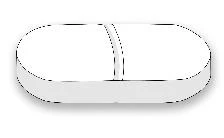
The 400 mg tablets are white and engraved on both sides.
Length: approximately 18.2 mm
Width: approximately 8.2 mm
Height: approximately 5.9 mm
Seractil tablets are supplied in packs of 10, 20, 30, 50, 60 and 100 tablets in
transparent, colourless or opaque white PVC/PVDC/aluminium blisters.
Not all pack sizes may be marketed.
Marketing Authorisation Holder and Manufacturer
Marketing Authorisation Holder:
NEOPHARMED GENTILI S.p.A. – Milan, Italy
Manufacturer:
Gebro Pharma GmbH, A-6391 Fieberbrunn, AUSTRIA
This medicinal product is authorised in the European Economic Area (EEA) Member States under the following names:
Austria: Dexibuprofen "Gebro" 400 mg Filmtabletten
United Kingdom: Seractil 400 mg film-coated tablets
Portugal: Seractil 400 mg comprimidos revestidos
Sweden: Tradil 400 mg filmdragerade tabletter
Denmark: Seractiv 400 mg filmovertrukne tabletter
Spain: Seractil 400 mg comprimidos recubiertos con película
Greece: Seractil 400 mg film-coated tablets
Germany: Dolomagon 400 mg Filmtabletten
Italy: Seractil 400 mg compresse rivestite con film
This leaflet was last approved on:
Package leaflet: information for the user
SERACTIL 400 mg oral suspension powder
dexibuprofen
Read this leaflet carefully before taking this medicine because it contains
important information for you.
- Keep this leaflet. You may need to read it again.
- If you have any questions, consult your doctor or pharmacist.
- This medicine has been prescribed for you only. Do not give it to others, even if their symptoms are the same as yours, as it may be harmful.
- If you experience any side effect, including those not listed in this leaflet, talk to your doctor or pharmacist. See section 4.
Contents of this leaflet
- What Seractil is and what it is used for
- What you need to know before taking Seractil
- How to take Seractil
- Possible side effects
- How to store Seractil
- Contents of the pack and other information
19. What SERACTIL is and what it is used for
Dexibuprofen, the active substance in Seractil, belongs to a group of medicines known as non-steroidal anti-inflammatory drugs (NSAIDs). NSAIDs, including dexibuprofen, are used as painkillers and to reduce inflammation. Their action consists of reducing the amounts of prostaglandins (substances that regulate inflammation and pain) produced by the body.
What Seractil is used for
Seractil helps to relieve:
- pain and inflammation caused by osteoarthritis (when the joints are worn);
- pain during menstruation;
- other forms of mild to moderate pain, such as muscle and joint pain and toothache.
20. What you should know before taking Seractil
Do not take Seractil:
- if you are allergic to dexibuprofen itself or to any of the other ingredients of this medicine (listed in section 6);
- if you are allergic to acetylsalicylic acid or to any other painkiller (the allergy may cause you breathing difficulties, asthma, runny nose, skin redness or swelling of the face);
- if you have a history of gastrointestinal bleeding or perforation related to NSAIDs;
- if you have recurrent stomach or duodenal ulcers (vomiting blood, black stools or diarrhoea with blood may indicate bleeding in the stomach or intestine);
- if you have cerebral haemorrhage (cerebrovascular haemorrhage) or other active bleeding;
- if you have inflammatory bowel diseases (ulcerative colitis, Crohn’s disease);
- if you suffer from severe dehydration (e.g. caused by vomiting, diarrhoea or insufficient fluid intake);
- if you have severe heart failure or severe liver or kidney dysfunction;
- if you are a woman in the third trimester of pregnancy;
- if you have an unknown condition causing abnormal blood cell formation.
Warnings and precautions
Talk to your doctor or pharmacist before taking Seractil if:
- you have ever suffered from gastric or duodenal ulcer;
- you have had intestinal ulcers, ulcerative colitis or Crohn’s disease;
- you suffer from liver, kidney disease or alcohol dependence;
- you suffer from blood coagulation disorders (see also section “Other medicines and Seractil”);
- you suffer from oedema (when fluid accumulates in body tissues);
- you suffer from heart disease or high blood pressure;
- you suffer from systemic lupus erythematosus (a disease affecting joints, muscles and skin) or mixed connective tissue disease (a collagen disease affecting connective tissue);
- you are experiencing difficulties in conceiving;
- you suffer from or have suffered from asthma or allergic diseases, as shortness of breath may occur;
- you suffer from hay fever, nasal polyps or chronic obstructive pulmonary disease; there is an increased risk of allergic reactions. Allergic reactions may present as asthma attacks (called analgesic-induced asthma), Quincke’s oedema (swelling mainly in the face, lips, eyelids or genitals) or urticaria;
- you have recently undergone major surgery;
- you suffer from certain inherited blood formation disorders (e.g. acute intermittent porphyria);
- you have an infection – see section below "Infections".
Gastrointestinal bleeding, ulceration or perforation, sometimes fatal, have been reported with all NSAIDs at any time during treatment, with or without warning symptoms or a previous history of serious gastrointestinal events. When gastrointestinal bleeding or ulceration occurs, treatment must be immediately discontinued. The risk of gastrointestinal bleeding, ulceration or perforation is higher with increasing NSAID doses, in patients with a history of ulcers, especially if complicated by bleeding or perforation (see section 2), and in elderly patients.
These patients should start treatment with the lowest available dose. Combination therapy with protective agents (e.g. misoprostol or proton pump inhibitors) should be considered for these patients and also for patients requiring concomitant use of low-dose acetylsalicylic acid or other medicines that may increase gastrointestinal risk.
If you have previously experienced gastrointestinal toxicity, especially in the elderly, you must report any unusual abdominal symptoms (particularly gastrointestinal bleeding) to your doctor, especially during the initial stages of treatment.
Anti-inflammatory/pain medicines such as dexibuprofen may be associated with a small increased risk of heart attack or stroke, especially when administered at high doses. Do not exceed the recommended dose or duration of treatment.
You should discuss therapy with your doctor or pharmacist before taking Seractil if you have:
- heart problems including heart attack, angina pectoris (chest pain), or history of heart attack, coronary bypass surgery, peripheral arterial disease (poor circulation in legs or feet due to narrowed or blocked arteries), or any type of stroke (including "mini-stroke" or TIA, transient ischaemic attack);
- high blood pressure, diabetes, high cholesterol, family history of heart disease or stroke, or if you are a smoker.
Very rarely, severe acute hypersensitivity reactions (e.g. anaphylactic shock with symptoms such as shortness of breath, wheezing and drop in blood pressure) have been observed. Immediately discontinue treatment at the first signs of hypersensitivity reaction after taking Seractil and contact your doctor immediately.
If you take high doses of a painkiller for a prolonged period (other than as directed), you may develop headaches. In this case, consult your doctor; do not take additional doses of Seractil for headache. In general, habitual use of analgesics, particularly combinations of more than one painkiller, may lead to permanent kidney damage, including risk of kidney failure (analgesic nephropathy).
Skin reactions
Serious skin reactions associated with Seractil treatment have been reported. Discontinue taking Seractil and consult a doctor immediately if you develop skin rashes, mucosal lesions, blisters or other signs of allergy, as these may be early signs of a very serious skin reaction. See section 4.
Infections
Seractil may mask signs of infections such as fever and pain. Therefore, Seractil may delay appropriate treatment of the infection, potentially increasing the risk of complications. This has been observed in bacterial pneumonia and bacterial skin infections related to varicella. If you take this medicine while having an infection and your symptoms persist or worsen, consult a doctor immediately.
You should avoid taking NSAIDs in case of varicella zoster infection (chickenpox).
Other medicines and Seractil
Inform your doctor or pharmacist if you are taking, have recently taken or might take any other medicine.
Seractil may affect or be affected by other medicines. For example:
- medicines with anticoagulant effect (i.e. substances that thin the blood, preventing clot formation, e.g. acetylsalicylic acid, warfarin, ticlopidine, rivaroxaban, apixaban or dabigatran) may prolong bleeding time;
- medicines that lower high blood pressure (ACE inhibitors such as captopril, beta-blockers such as atenolol, angiotensin II receptor antagonists such as losartan);
- voriconazole and fluconazole (CYP2C9 inhibitors), used for fungal infections, since dexibuprofen may enhance their effect.
Other medicines may also influence or be influenced by Seractil treatment. Therefore, always consult your doctor or pharmacist before using Seractil with other medicines. In particular, inform your doctor or pharmacist if you are taking any of the following medicines in addition to those mentioned above.
Do not take the following medicines concomitantly with Seractil unless under strict medical supervision:
- NSAIDs (medicines for treatment of pain, fever and inflammation). Taking Seractil with other NSAIDs or with acetylsalicylic acid used as a painkiller increases the risk of ulcer or gastrointestinal bleeding.
You may take the following medicines together with Seractil, but for safety reasons you should inform your doctor:
- Lithium, used to treat certain mood disorders. Seractil may increase the effect of lithium.
- Methotrexate (a medicine used to treat cancer or rheumatism). Seractil may increase methotrexate side effects.
- Diuretics, as dexibuprofen may reduce the effect of these medicines.
- Corticosteroids: may increase the risk of gastrointestinal ulcer and bleeding.
- Certain antidepressants (selective serotonin reuptake inhibitors) may increase the risk of gastrointestinal bleeding.
- Digoxin (a medicine for the heart). Seractil may increase digoxin's undesirable effects.
- Immunosuppressants (such as cyclosporine, tacrolimus, sirolimus), sulfonylureas (some oral antidiabetic medicines) and aminoglycoside antibiotics (medicines to treat infections) – kidney damage may occur.
- Quinolone antibiotics, as the risk of seizures may be increased.
- Potassium-sparing diuretics, as they may lead to elevated potassium levels in the blood.
- Phenytoin, used to treat epilepsy. Seractil may enhance phenytoin's side effects.
- Pemetrexed (a medicine to treat certain types of cancer).
- Zidovudine (a medicine to treat HIV/AIDS); dexibuprofen may increase the risk of bleeding into a joint or swelling-causing bleeding.
- Baclofen (a muscle relaxant): side effects of baclofen may appear after starting dexibuprofen treatment.
- Sulfinpyrazone, probenecid (medicines for gout), as elimination of dexibuprofen may be delayed.
Seractil with food, drinks and alcohol
You may take Seractil regardless of meals, but it is better to take it after meals to help avoid stomach problems, especially if it is a long-term treatment.
Limit or avoid alcohol consumption while taking Seractil, as it may increase gastrointestinal problems.
Pregnancy, breastfeeding and fertility
If you are pregnant, think you may be pregnant or are planning to become pregnant, or if you are breastfeeding, consult your doctor before taking this medicine.
You must not take Seractil during the last 3 months of pregnancy, as it may be seriously harmful to the fetus, even at very low doses.
During the first 6 months of pregnancy, you should take Seractil only after consulting your doctor.
You should also not take Seractil if you are planning a pregnancy, as the medicine may make conception more difficult.
In rare cases, medicines such as Seractil may affect female fertility. Fertility will return to normal after stopping Seractil.
Only small amounts of Seractil pass into breast milk. However, if you are breastfeeding, you should not take Seractil for a prolonged period or at high doses.
Driving and using machines
If you experience dizziness, drowsiness, vertigo or blurred vision after taking Seractil, you should avoid driving vehicles or operating dangerous machinery (see section 4 “Possible side effects”).
Seractil contains sucrose
If your doctor has diagnosed you with an intolerance to certain sugars, contact him before taking this medicine.
Seractil contains sodium
This medicine contains less than 1 mmol (23 mg) of sodium per sachet, i.e. essentially “sodium-free”.
21. How to take Seractil
Take Seractil exactly as directed by your doctor. If you have any doubts, consult your
doctor or pharmacist.


Empty the contents of the sachet into a glass of water (approximately 200 ml). Stir well until a cloudy suspension is obtained. Take immediately after preparation.
Seractil acts more quickly if taken without food. However, it is recommended to take Seractil after meals, as this may help prevent stomach discomfort, especially if treatment is prolonged.
Do not take more than 1 sachet of Seractil per single dose.
Do not take more than 3 sachets of Seractil per day.
For osteoarthritis
The recommended dose is 1 sachet of Seractil twice daily (1 in the morning and 1 in the evening).
For acute symptoms, your doctor may increase the dose up to 3 sachets of Seractil per day.
For menstrual pain
The recommended dose is 1 sachet of Seractil twice daily.
For mild to moderate pain
The recommended dose is 200 mg three times daily. For this dosage, your doctor may prescribe half a tablet of Seractil 400 mg. For acute symptoms, your doctor may prescribe up to 3 sachets of Seractil per day.
The lowest effective dose should be used for the shortest possible duration necessary to relieve symptoms. In case of infection, if symptoms (such as fever and pain) persist or worsen, consult a doctor immediately (see section 2).
Patients with liver or kidney disease
Your doctor may have prescribed a lower than normal dose of Seractil. Do not increase the dose prescribed by your doctor.
Elderly patients
If you are over 60 years of age, your doctor may have prescribed a lower than normal dose. If no problems occur while taking Seractil, your doctor may subsequently increase the dose.
Use in children and adolescents
Since there are insufficient data on use in children and adolescents, Seractil must not be used in patients under 18 years of age.
Duration of treatment: Do not take this medicine for longer than two weeks. If longer-term treatment is necessary, your doctor may prescribe Seractil film-coated tablets.
If you think the effect of Seractil sachets is too weak or too strong, talk to your doctor or pharmacist.
If you take more Seractil than you should
If you have taken more sachets than prescribed, or if your child has accidentally taken this medicine, contact your doctor or the nearest hospital immediately to obtain advice on the risk and necessary actions.
Symptoms may include nausea, stomach ache, vomiting (possibly with traces of blood), headache, ringing in the ears, confusion, and uncontrolled eye movements. At high doses, drowsiness, chest pain, palpitations, loss of consciousness, seizures (especially in children), weakness, dizziness, blood in the urine, feeling cold, and breathing difficulties have been reported.
If you forget to take Seractil
Do not take a double dose to make up for the missed dose. Take the next sachet as scheduled.
If you have any questions about the use of this medicine, consult your doctor or pharmacist.
22. Possible side effects
Like all medicines, this medicine can cause side effects, although not everyone experiences them.
Side effects can be minimised by taking the lowest effective dose for the shortest duration needed to relieve symptoms. Elderly patients using this medicine have a higher risk of developing problems associated with adverse effects.
Adverse effects are predominantly dose-dependent and vary from patient to patient; in particular, the risk of gastrointestinal adverse effects depends on the dosage range and duration of treatment.
Stop taking Seractil and consult a doctor immediately if you:
- experience severe stomach pain, especially at the beginning of treatment with Seractil;
- have dark stools, bloody diarrhoea, or vomit blood;
- develop a skin rash, numerous painful blisters and/or skin peeling, lesions of mucous membranes, or any symptoms of hypersensitivity;
- experience symptoms such as fever, sore throat and mouth, flu-like symptoms, feeling of fatigue, nosebleeds, or bleeding from the skin. These may be caused by a decrease in white blood cells (agranulocytosis);
- have a severe or persistent headache;
- develop yellowing of the skin or whites of the eyes (jaundice);
- experience swelling of the face, tongue, or pharynx, difficulty swallowing or breathing (angioedema), or worsening asthma;
- notice reduced urine output, swelling, cloudy urine, or generally feel unwell, as these may be early signs of kidney damage or kidney failure.
Very common (may affect more than 1 in 10 people):
- gastrointestinal disorders such as abdominal pain, nausea, indigestion, diarrhoea, flatulence, constipation, heartburn, vomiting, and minor gastrointestinal bleeding which may exceptionally lead to anaemia.
Common (may affect up to 1 in 10 people):
- gastrointestinal ulcers, sometimes with bleeding and perforation (see section 2), black stools (melena), vomiting blood (haematemesis), mouth ulcers and inflammation (ulcerative stomatitis), inflammation of the colon (colitis), worsening of inflammatory bowel disease, complications of colonic diverticula (perforation, fistula).
- central nervous system disorders such as headache, dizziness, insomnia, agitation, irritability, drowsiness (somnolence), vertigo, fatigue (tiredness).
Uncommon (may affect up to 1 in 100 people):
- local burning sensation in the mouth and throat
- gastritis
- visual disturbances
- hypersensitivity reactions such as hives (urticaria), itching, bruising (purpura), and rash, as well as asthma attacks (sometimes accompanied by low blood pressure)
- swelling of the face or throat (angioedema)
- anxiety
- ringing in the ears (tinnitus)
- runny nose (rhinitis)
- skin rashes
- development of oedema, particularly in patients with hypertension or kidney problems, including kidney inflammation and kidney failure
Rare (may affect up to 1 in 1,000 people):
- psychotic reactions
- loss of vision (toxic amblyopia)
- impaired hearing
- kidney damage (papillary necrosis), elevated blood urea levels, and elevated blood uric acid levels
- liver function problems (usually reversible)
- depression, confusion, hallucinations
Very rare (may affect up to 1 in 10,000 people):
- breathing difficulties (mainly in patients with bronchial asthma)
- inflammation of the oesophagus or pancreas, formation of membrane-like strictures in the small and large intestine (intestinal stenosis, similar to a diaphragm)
- oedema, high blood pressure, inflammation of blood vessels, palpitations, heart failure
- liver dysfunction, liver damage, particularly during long-term treatment, liver impairment, acute liver inflammation (hepatitis), and jaundice
- photosensitivity reactions
- problems with blood cell production (anaemia, leucopenia, thrombocytopenia, pancytopenia, agranulocytosis) – early signs include: fever, sore throat, superficial mouth ulcers, flu-like symptoms, severe exhaustion, nosebleeds, and skin bleeding. In such cases, treatment must be stopped immediately and a doctor consulted. These symptoms should not be treated with painkillers or fever-reducing medicines (antipyretics).
- worsening of infection-related inflammation (e.g. necrotising fasciitis) has been reported with the use of some painkillers (NSAIDs). If signs of infection occur or worsen during dexibuprofen use, consult a doctor immediately to determine whether anti-infective/antibiotic therapy is needed.
- severe skin infections and soft tissue complications during varicella infection have been reported rarely.
- symptoms of aseptic meningitis such as neck stiffness, headache, nausea, malaise, fever, and confusion have been observed during dexibuprofen use. Patients with autoimmune disorders (e.g. SLE, mixed connective tissue disease) may be at higher risk. If these symptoms occur, contact a doctor immediately.
- severe skin reactions such as rashes with redness and blisters (e.g. Stevens-Johnson syndrome, erythema multiforme, toxic epidermal necrolysis/Lyell’s syndrome), hair loss (alopecia)
- severe hypersensitivity reactions (facial, tongue, and laryngeal oedema, dyspnoea, tachycardia, hypotension, severe shock), worsening asthma
Not known (frequency cannot be estimated from the available data)
- a serious skin reaction known as DRESS syndrome may occur. Symptoms of DRESS include: skin rash, fever, swollen lymph nodes, and increased eosinophils (a type of white blood cell).
- red, scaly rash with bumps under the skin and blisters, mainly affecting skin folds, trunk, and upper limbs, accompanied by fever at the beginning of treatment (generalised exanthematous pustulosis). Stop using Seractil if these symptoms occur and consult a doctor immediately. See section 2.
Medicines such as Seractil may be associated with a small increased risk of heart attack ("myocardial infarction") or stroke.
Reporting of side effects
If you experience any side effects, including those not listed in this leaflet, talk to your doctor or pharmacist. You can also report side effects directly via the national reporting system at:
https://www.aifa.gov.it/content/segnalazioni-reazioni-avverse . By reporting side effects, you can help provide more information on the safety of this medicine.
23. How to store SERACTIL
Keep this medicine out of the sight and reach of children.
Do not store above 25°C.
Do not use this medicine after the expiry date stated on the carton and sachet after "Exp".
Do not dispose of medicines via wastewater or household waste. Ask your pharmacist how to dispose of medicines you no longer use. This will help protect the environment.
24. Package contents and other information
What Seractil contains
- The active substance is dexibuprofen. Each sachet contains 400 mg of dexibuprofen.
- The other components are: sucrose, citric acid, orange flavour, saccharin, silica, sodium lauryl sulfate.
Description of the appearance of Seractil and contents of the pack
The pack may contain 10, 20, 30 or 40 sachets of Seractil in the form of yellowish powder.
Marketing Authorisation Holder and Manufacturer
Marketing Authorisation Holder
NEOPHARMED GENTILI S.p.A.
Via San Giuseppe Cottolengo, 15 – 20143 Milan, Italy
Manufacturers
Gebro Pharma GmbH, A-6391 Fieberbrunn, Austria
LAMP SAN PROSPERO SPA
Via Della Pace, 25/a
41030 S. Prospero S/S (MO) - Italy
This medicinal product is authorised in the European Economic Area Member States
under the following names:
Austria: Seractil Akut 400 mg powder for oral suspension
Italy: Seractil 400 mg powder for oral suspension