Peridon
Italy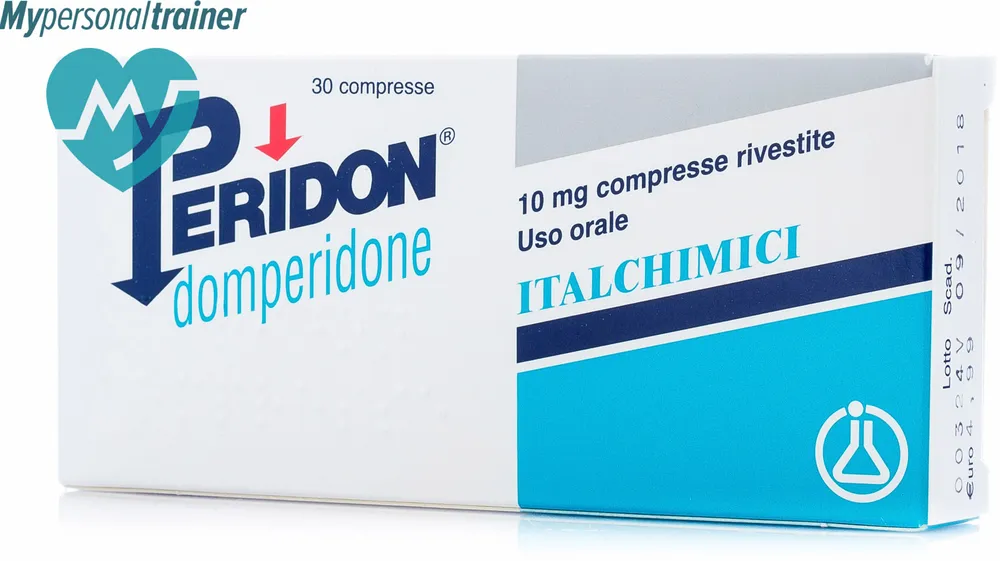
Table of Contents
Patient Information Leaflet
Peridon 30 mg suppositories
domperidone
Please read this leaflet carefully before taking this medicine, as it contains
important information for you.
- Keep this leaflet. You may need to read it again.
- If you have any questions, ask your doctor or pharmacist.
- This medicine has been prescribed for you only. Do not give it to others, even if their symptoms are the same as yours, as it may be harmful.
- If you experience any side effects, including those not listed in this leaflet, contact your doctor or pharmacist. See section 4.
Contents of this leaflet:
- What Peridon is and what it is used for
- What you need to know before taking Peridon
- How to take Peridon
- Possible side effects
- How to store Peridon
- Package contents and other information
1. What Peridon is and what it is used for
Peridon contains the active substance domperidone, a substance that stimulates gastric and intestinal motility, and belongs to a class of medicines called "prokinetics".
This medicine is used in adults and adolescents aged 12 years and older and weighing 35 kg and above, for the treatment of nausea and vomiting.
2. What you need to know before taking Peridon
Do not take Peridon
- if you are allergic to domperidone or to any of the other ingredients of this medicine (listed in section 6);
- if you have moderate or severe liver disease;
- if you have heart rhythm disorders, particularly if you have been diagnosed with a heart condition called "corrected QT interval prolongation";
- if you have heart conditions such as a disorder in which your heart is unable to pump blood properly around the body (a condition known as heart failure);
- if you have blood electrolyte disorders, such as low levels of magnesium or potassium;
- if you are taking certain types of medicines (see "Other medicines and Peridon");
- if you have tumours of a gland called the "pituitary" (pituitary tumours) causing excessive release of a substance called "prolactin" (prolactinomas).
Peridon must not be used in the following conditions, in which stimulation of stomach motility could be harmful:
- gastrointestinal bleeding,
- mechanical obstruction or perforation of the stomach and/or intestine.
Warnings and precautions
Talk to your doctor or pharmacist before taking Peridon:
- if you have liver disorders (hepatic impairment or liver failure) (see "Do not take Peridon");
- if you have kidney disorders (renal impairment or kidney failure). Consult your doctor for advice if long-term treatment is needed, as you may need to take a lower dose or take the medicine less frequently, and your doctor may wish to monitor you regularly.
Domperidone may be associated with an increased risk of heart rhythm disorders and cardiac arrest. The risk may be higher in patients over 60 years of age or in those taking doses exceeding 30 mg per day. The risk is further increased when domperidone is taken together with other medicines.
Inform your doctor or pharmacist if you are taking medicines for infections (fungal or bacterial infections) and/or if you have heart problems or AIDS/HIV (see "Other medicines and Peridon").
Domperidone should be used at the lowest effective dose in adults and adolescents aged 12 years and older with a body weight of at least 35 kg.
While taking domperidone, contact your doctor if you experience heart rhythm disturbances such as palpitations, shortness of breath, or fainting. In such cases, treatment with domperidone must be stopped.
Other medicines and Peridon
Tell your doctor or pharmacist if you are using, have recently used, or might use any other medicines.
Peridon and apomorphine
Before using Peridon and apomorphine together, your doctor will ensure that your body can tolerate taking both medicines simultaneously. Seek personalized advice from your doctor or a specialist. Refer to the apomorphine package leaflet.
Do not take Peridon if you are taking medicines for the treatment of:
- fungal infections, e.g. azole antifungals, particularly oral ketoconazole, fluconazole, or voriconazole;
- bacterial or protozoal infections, particularly erythromycin, clarithromycin, telithromycin, levofloxacin, moxifloxacin, spiramycin, pentamidine (these drugs are antibiotics);
- heart conditions or high blood pressure (e.g. amiodarone, dronedarone, quinidine, hydroquinidine, disopyramide, dofetilide, ibutilide, sotalol, diltiazem, verapamil);
- mental disorders (psychosis) (e.g. haloperidol, pimozide, sertindole);
- depression (e.g. citalopram, escitalopram);
- stomach or intestinal disorders (e.g. cisapride, dolasetron, prucalopride);
- allergies (e.g. mequitazine, mizolastine);
- malaria (particularly halofantrine, lumefantrine);
- AIDS/HIV (protease inhibitors);
- tumours (e.g. toremifene, vandetanib, vincamine);
- certain other medicines (e.g. bepridil, diphemanil, methadone).
Inform your doctor or pharmacist if you are taking medicines for infections, heart conditions, or AIDS/HIV.
It is important to ask your doctor or pharmacist whether Peridon is safe for you while taking other medicines, including those available without a prescription.
Pregnancy and breastfeeding
If you are pregnant, think you may be pregnant, planning to become pregnant, or breastfeeding, consult your doctor or pharmacist before taking this medicine.
Pregnancy
Peridon should be used during pregnancy only if clearly needed and justified by the expected therapeutic benefit.
Breastfeeding
Small amounts of domperidone have been detected in breast milk. Domperidone (Peridon) may cause adverse effects on the heart of the breastfed newborn. Domperidone (Peridon) should be used during breastfeeding only if your doctor considers it strictly necessary. Consult your doctor before using this medicine.
Driving and using machines
Peridon has no effect or a negligible effect on the ability to drive vehicles or operate machinery.
Peridon suppositories contain butylated hydroxyanisole
This may cause localized skin reactions (e.g. contact dermatitis) or irritation to the eyes and mucous membranes.
3. How to take Peridon
Take this medicine exactly as directed by your doctor or pharmacist.
If you have any doubts, consult your doctor or pharmacist.
Peridon should be used at the lowest effective dose for the shortest duration necessary to control nausea and vomiting.
Take each dose at the scheduled time.
Strictly follow these instructions unless your doctor has given you different ones.
Duration of treatment:
Symptoms usually resolve within 3–4 days of taking this medicine. Do not take Peridon for more than 7 days without consulting your doctor.
Adults and adolescents aged 12 years and older and weighing 35 kg or more:
The recommended dose is one 30 mg suppository inserted into the rectum once daily.
Use in children and adolescents under 12 years of age or weighing less than 35 kg is not recommended.
Patients with liver problems (hepatic impairment)
Peridon is contraindicated in cases of moderate or severe liver problems (moderate or severe hepatic impairment) (see section “Do not take Peridon”). Dose adjustment is not required in cases of mild liver problems (mild hepatic impairment).
Patients with kidney problems (renal impairment)
Since the elimination of Peridon from the body is slowed in cases of severe kidney problems (severe renal impairment), with repeated administration you may need to take a lower dose or take this medicine less frequently (once or twice daily). In such cases, your doctor will determine the appropriate dose for you.
If you take more Peridon than you should
If you have taken an excessive amount of Peridon, contact your doctor, pharmacist, or nearest poison control center immediately. In case of overdose, symptomatic treatment may be administered. ECG monitoring may be performed due to the possibility of a heart problem known as QT interval prolongation.
Symptoms of overdose may include:
- drowsiness,
- disorientation,
- movement disorders (extrapyramidal symptoms).
If you forget to take Peridon
Take the medicine at the scheduled time. If it is almost time for your next dose, wait until the scheduled time for that dose and then continue as normal. Do not take a double dose to make up for a missed dose.
If you stop treatment with Peridon
If you have any questions about using this medicine, consult your doctor or pharmacist.
4. Possible side effects
Like all medicines, this medicine can cause side effects, although not everybody gets them.
If you experience any of these adverse events, stop treatment immediately and contact your doctor.
The following side effects may occur with the following frequencies:
Rare (may affect at least 1 in 10,000 patients but less than 1 in 1,000)
- gastrointestinal disorders, including intestinal cramps (transient);
- increased levels of a substance called "prolactin";
- abnormal production of milk in the breasts (galactorrhea);
- breast development in males (gynaecomastia);
- absence of menstrual periods (amenorrhoea).
Very rare (may affect less than 1 in 10,000 patients)
- allergic reactions (including anaphylaxis, anaphylactic shock, anaphylactic reaction), urticaria, and rapid swelling of the legs, arms, face, or tongue (angioedema). If this occurs, stop treatment immediately and contact a doctor;
- itching;
- skin rash (cutaneous erythema);
- abnormal muscle movements or tremor;
- seizures;
- drowsiness;
- headache;
- agitation;
- nervousness;
- diarrhoea;
- altered liver function (hepatic function).
Frequency not known (frequency cannot be estimated from the available data)
Cardiovascular system disorders have been reported: disturbances in heart rhythm (fast or irregular heartbeat); if such disorders occur, you should stop treatment immediately.
Domperidone, the active substance in Peridon, may be associated with an increased risk of heart rhythm disturbances and cardiac arrest. This risk may be higher in patients over 60 years of age or in those taking doses exceeding 30 mg per day.
Domperidone should be used at the lowest effective dose in adults and adolescents aged 12 years and older and weighing 35 kg or more.
Following the instructions provided in this leaflet reduces the risk of side effects.
Reporting of side effects
If you experience any side effect, including those not listed in this leaflet, talk to your doctor or pharmacist. You can also report side effects directly via the national reporting system at https://www.aifa.gov.it/content/segnalazioni-reazioni-avverse. By reporting side effects, you can help provide more information on the safety of this medicine.
5. How to store Peridon
Store below 30°C.
Keep this medicine out of the sight and reach of children.
Do not use this medicine after the expiry date which is stated on the packaging after "Exp". The
expiry date refers to the last day of that month.
Do not dispose of any medicine via wastewater or household waste. Ask your pharmacist how to
dispose of medicines you no longer use. This will help protect the environment.
6. Pack contents and other information
What Peridon contains
- The active substance is domperidone. One suppository contains 30 mg of domperidone.
- The other components are: tartaric acid, macrogol 400, macrogol 1000, macrogol 4000, butylated hydroxyanisole.
Description of the appearance of Peridon and pack contents
Peridon is available as suppositories.
It is supplied in a carton containing 6 suppositories of 30 mg.
Marketing Authorization Holder
ITALCHIMICI S.p.A. - Via Matteo Civitali, 1 – 20148 Milan, Italy
Manufacturer
ZETA FARMACEUTICI S.p.A. - Via Galvani, 10 – 36066 Sandrigo (VI), Italy
Package leaflet: information for the patient
Peridon 1 mg/ml oral suspension
domperidone
Please read this leaflet carefully before taking this medicine because it contains
important information for you.
- Keep this leaflet. You may need to read it again.
- If you have any questions, ask your doctor or pharmacist.
- This medicine has been prescribed for you only. Do not give it to others, even if their symptoms are the same as yours, as it could be harmful.
- If you experience any side effect, including those not listed in this leaflet, talk to your doctor or pharmacist. See section 4.
Contents of this leaflet:
- What Peridon is and what it is used for
- What you need to know before taking Peridon
- How to take Peridon
- Possible side effects
- How to store Peridon
- Contents of the pack and other information
1. What Peridon is and what it is used for
Peridon contains the active substance domperidone, a substance that stimulates the motility of the
stomach and intestine, and belongs to a class of medicines called "prokinetics".
This medicine is used in adults and adolescents aged 12 years and older and weighing 35 kg or more, for the treatment of nausea and vomiting.
2. What you need to know before taking Peridon
Do not take Peridon
- if you are allergic to domperidone or to any of the other ingredients of this medicine (listed in section 6);
- if you have moderate or severe liver disease;
- if you have heart rhythm disorders, particularly if you have been diagnosed with a heart condition called "corrected QT interval prolongation";
- if you have heart problems such as a condition whereby your heart is unable to pump blood properly around the body (a condition known as heart failure);
- if you have electrolyte disturbances in the blood, such as low levels of magnesium or potassium;
- if you are taking certain types of medicines (see "Other medicines and Peridon");
- if you have tumours of a gland called the "pituitary" (pituitary tumours) which cause excessive release of a substance called "prolactin" (prolactinomas).
Peridon must not be used in the following conditions, where stimulation of stomach motility could be harmful:
- gastrointestinal bleeding,
- mechanical obstruction or perforation of the stomach and/or intestine.
Warnings and precautions
Talk to your doctor or pharmacist before taking Peridon:
- if you have liver problems (hepatic impairment or liver failure) (see "Do not take Peridon"),
- if you have kidney problems (renal impairment or kidney failure). Consult your doctor for advice if long-term treatment is needed, as you may need to take a lower dose or take the medicine less frequently, and your doctor may wish to monitor you regularly.
Domperidone may be associated with an increased risk of heart rhythm disorders and cardiac arrest. The risk may be higher in patients over 60 years of age or those taking doses exceeding 30 mg per day. The risk is further increased when domperidone is taken together with other medicines.
Inform your doctor or pharmacist if you are taking medicines for fungal or bacterial infections and/or if you have heart problems or AIDS/HIV (see "Other medicines and Peridon").
Domperidone should be used at the lowest effective dose in adults and adolescents aged 12 years and older and weighing 35 kg or more.
While taking domperidone, contact your doctor if you experience heart rhythm disturbances such as palpitations, breathing difficulties, or loss of consciousness. In such cases, treatment with domperidone must be stopped.
Use in newborns, infants, children under 12 years of age, or adolescents weighing less than 35 kg
The use of oral suspension in this population is not recommended due to insufficient data on efficacy and safety.
Other medicines and Peridon
Tell your doctor or pharmacist if you are using, have recently used, or might use any other medicines.
Peridon and apomorphine
Before using Peridon and apomorphine together, your doctor will ensure that your body can tolerate taking both medicines simultaneously. Seek personalized advice from your doctor or a specialist. Refer to the apomorphine package leaflet.
Do not take Peridon if you are taking medicines for the treatment of:
- fungal infections, e.g. azole antifungals, particularly oral ketoconazole, fluconazole, or voriconazole;
- bacterial or protozoal infections, particularly erythromycin, clarithromycin, telithromycin, levofloxacin, moxifloxacin, spiramycin, pentamidine (these drugs are antibiotics);
- heart problems or high blood pressure (e.g. amiodarone, dronedarone, quinidine, hydroquinidine, disopyramide, dofetilide, ibutilide, sotalol, diltiazem, verapamil);
- mental disorders (psychosis) (e.g. haloperidol, pimozide, sertindole);
- depression (e.g. citalopram, escitalopram);
- stomach or intestinal disorders (e.g. cisapride, dolasetron, prucalopride);
- allergies (e.g. mequitazine, mizolastine);
- malaria (particularly halofantrine, lumefantrine);
- AIDS/HIV (protease inhibitors);
- tumours (e.g. toremifene, vandetanib, vincamine);
- certain other medicines (e.g. bepridil, diphemanil, methadone).
Inform your doctor or pharmacist if you are taking medicines for infections, heart conditions, or AIDS/HIV.
It is important that you ask your doctor or pharmacist whether Peridon is safe for you while taking other medicines, including over-the-counter medicines.
Pregnancy and breastfeeding
If you are pregnant, think you may be pregnant, are planning to become pregnant, or are breastfeeding, consult your doctor or pharmacist before taking this medicine.
Pregnancy
Peridon should be used during pregnancy only if the expected therapeutic benefits justify its use.
Breastfeeding
Small amounts of domperidone have been detected in breast milk. Domperidone (Peridon) may cause adverse effects on the heart of a breastfed newborn. Domperidone (Peridon) should be used during breastfeeding only if your doctor considers it strictly necessary. Consult your doctor before using this medicine.
Driving and using machines
Peridon has no effect or only a negligible effect on the ability to drive or use machinery.
Peridon oral suspension contains sorbitol (a sugar)
This medicine contains 3200 mg per dose (10 ml), equivalent to 320 mg/ml.
Peridon oral suspension contains parahydroxybenzoates (preservatives)
Peridon contains substances called "parahydroxybenzoates" which may cause allergic reactions (including delayed reactions).
Peridon oral suspension contains sodium
This medicine contains less than 1 mmol (23 mg) of sodium per dose (10 ml), i.e., essentially 'sodium-free'.
3. How to take Peridon
Take this medicine exactly as instructed by your doctor or pharmacist.
If you have any doubts, consult your doctor or pharmacist.
Peridon should be used at the lowest effective dose for the shortest duration necessary to control nausea and vomiting.
Take each dose at the scheduled time.
Duration of treatment:
Symptoms usually resolve within 3–4 days of taking this medicine. Do not take Peridon for more than 7 days without consulting your doctor.
Adults and adolescents aged 12 years and older and weighing 35 kg or more
The recommended dose is 10 mg (10 ml of oral suspension at 1 mg/ml) taken three times daily, preferably before meals. Do not exceed 30 mg per day.
Use in children and adolescents weighing less than 35 kg is not recommended.
Patients with liver problems (hepatic impairment)
Peridon is contraindicated in cases of moderate or severe liver problems (moderate or severe hepatic impairment) (see section “Do not take Peridon”). Dose adjustment is not required in cases of mild liver problems (mild hepatic impairment).
Patients with kidney problems (renal impairment)
Since the elimination rate of Peridon from the body is slowed in cases of severe kidney problems (severe renal impairment), with repeated administration, you may need to take a lower dose or take this medicine less frequently (once or twice daily). In such cases, your doctor will determine the appropriate dose for you.
If you take more Peridon than you should
If you have taken an excessive amount of Peridon, contact your doctor, pharmacist, or nearest poison control center immediately, especially if the overdose was taken by a child. In case of overdose, symptomatic treatment may be administered. ECG monitoring may be performed due to the possibility of a heart problem known as QT interval prolongation.
Symptoms of overdose may include:
- drowsiness,
- disorientation,
- movement disorders (extrapyramidal symptoms).
If you forget to take Peridon
Take the medicine at the scheduled time. If it is almost time for your next dose, wait until the next scheduled dose and then continue as normal. Do not take a double dose to make up for a missed dose.
If you stop treatment with Peridon
If you have any questions about using this medicine, consult your doctor or pharmacist.
4. Possible side effects
Like all medicines, this medicine can cause side effects, although not everyone gets them.
If you experience any of these adverse events, stop treatment immediately and contact your doctor.
The following side effects may occur with the frequencies listed below.
Rare (may affect at least 1 in 10,000 patients but less than 1 in 1,000)
- Stomach and intestinal (gastrointestinal) disorders, including transient intestinal cramps;
- Increased levels of a substance called “prolactin”;
- Abnormal production of milk in the breasts (galactorrhea);
- Breast development in males (gynecomastia);
- Absence of menstrual periods (amenorrhea).
Very rare (may affect less than 1 in 10,000 patients)
-
Allergic reactions (including anaphylaxis, anaphylactic shock, anaphylactic reaction), urticaria, and
rapid swelling of the legs, arms, face, or tongue (angioedema). If this occurs,
stop treatment immediately and contact a doctor; -
Itching;
-
Skin rash (cutaneous erythema);
-
Abnormal muscle movements or tremor;
-
Seizures;
-
Drowsiness;
-
Headache;
-
Agitation;
-
Nervousness;
-
Diarrhea;
-
Changes in liver function (hepatic function).
The risk of abnormal muscle movements is higher in newborns and young children than in adults. If this occurs, stop treatment immediately and contact your doctor.
Frequency not known (frequency cannot be estimated from the available data)
Cardiovascular system disorders have been reported: disturbances in heart rhythm (fast or irregular heartbeat); if you experience such disturbances, you should stop treatment immediately.
Domperidone, the active substance in Peridon, may be associated with an increased risk of heart rhythm disturbances and cardiac arrest. This risk may be higher in patients over 60 years of age or in those taking doses exceeding 30 mg per day.
Domperidone should be used at the lowest effective dose in adults and adolescents aged 12 years and older and weighing 35 kg or more.
Following the instructions provided in this leaflet reduces the risk of side effects.
Reporting of side effects
If you experience any side effect, including those not listed in this leaflet, talk to your doctor or pharmacist. You can also report side effects directly via the national reporting system at the following website: https://www.aifa.gov.it/content/segnalazioni-reazioni-avverse. By reporting side effects, you can help provide more information on the safety of this medicine.
5. How to store Peridon
This medicine does not require any special storage conditions.
Keep this medicine out of the sight and reach of children.
Do not use this medicine after the expiry date which is stated on the packaging after "Exp". The expiry date refers to the last day of that month.
Do not dispose of any medicine via wastewater or household waste. Ask your pharmacist how to dispose of medicines you no longer use. This will help protect the environment.
6. Package contents and other information
What Peridon contains
- The active substance is domperidone. 1 ml of oral suspension contains 1 mg of domperidone.
- The other components are: polysorbate 20, microcrystalline cellulose and sodium carmellose, sorbitol, sodium saccharin, methylparahydroxybenzoate, propylparahydroxybenzoate, purified water.
Description of the appearance of Peridon and contents of the pack
Peridon is an oral suspension.
The pack contains a 200 ml bottle (1 mg/ml) equipped with a screw cap with child-resistant closure and a dosing cup.
Marketing Authorisation Holder
ITALCHIMICI S.p.A. - Via Matteo Civitali, 1 –20148 Milan
Manufacturer
ITC FARMA S.r.l. – Via Pontina 5, Km 29 – 00071 Pomezia (RM), Italy
ZETA FARMACEUTICI S.p.A. - Via Galvani, 10 – 36066 Sandrigo (VI), Italy
Package leaflet: information for the patient
Peridon 10 mg film-coated tablets, 10 mg effervescent granules
domperidone
Please read this leaflet carefully before taking this medicine because it contains
important information for you.
- Keep this leaflet. You may need to read it again.
- If you have any questions, ask your doctor or pharmacist.
- This medicine has been prescribed for you only. Do not give it to other people, even if they have the same symptoms as you, because it could be harmful.
- If you experience any side effects, including those not listed in this leaflet, contact your doctor or pharmacist. See section 4.
Contents of this leaflet:
- What Peridon is and what it is used for
- What you need to know before taking Peridon
- How to take Peridon
- Possible side effects
- How to store Peridon
- Contents of the pack and other information
1. What Peridon is and what it is used for
Peridon contains the active substance domperidone, a compound that stimulates gastric and intestinal motility, and belongs to a class of medicines known as "prokinetics".
This medicine is used in adults and adolescents aged 12 years and older, and weighing 35 kg or more, for the treatment of nausea and vomiting.
2. What you need to know before taking Peridon
Do not take Peridon
- if you are allergic to domperidone or to any of the other ingredients of this medicine (listed in section 6);
- if you have moderate or severe liver problems;
- if you have heart rhythm disorders, particularly if you have been diagnosed with a heart condition called "corrected QT interval prolongation";
- if you have heart conditions such as a disorder whereby your heart is unable to pump blood properly around the body (a condition known as heart failure);
- if you have blood electrolyte disorders, such as low levels of magnesium or potassium;
- if you are taking certain types of medicines (see "Other medicines and Peridon");
- if you have tumours of a gland called the "pituitary" (pituitary tumours) causing excessive release of a substance called "prolactin" (prolactinomas).
Peridon must not be used in the following conditions, where stimulation of stomach motility could be harmful:
- gastrointestinal bleeding (gastrointestinal haemorrhage),
- mechanical obstruction or perforation of the stomach and/or intestine.
Warnings and precautions
Talk to your doctor or pharmacist before taking Peridon:
- if you have liver problems (hepatic impairment or hepatic insufficiency) (see "Do not take Peridon");
- if you have kidney problems (renal impairment or renal insufficiency). Consult your doctor for advice if long-term treatment is needed, as you may need to take a lower dose or take the medicine less frequently. Your doctor may also wish to monitor you regularly.
Domperidone may be associated with an increased risk of heart rhythm disorders and cardiac arrest. The risk may be higher in patients over 60 years of age or in those taking doses exceeding 30 mg per day. The risk is further increased when domperidone is taken together with other medicines.
Inform your doctor or pharmacist if you are taking medicines for infections (fungal or bacterial infections) and/or if you have heart problems or AIDS/HIV (see "Other medicines and Peridon").
Domperidone should be used at the lowest effective dose in adults and adolescents aged 12 years and older weighing 35 kg or more.
While taking domperidone, contact your doctor if you experience heart rhythm disturbances such as palpitations, difficulty breathing, or fainting. In such cases, treatment with domperidone should be discontinued.
Other medicines and Peridon
Inform your doctor or pharmacist if you are currently using, have recently used, or might use any other medicines.
Peridon and apomorphine
Before using Peridon together with apomorphine, your doctor will ensure that your body can tolerate taking both medicines simultaneously. Ask your doctor or specialist for personalized advice. Refer to the apomorphine package leaflet.
Do not take Peridon if you are taking medicines for the treatment of:
- fungal infections, e.g. azole antifungals, particularly oral ketoconazole, fluconazole, or voriconazole;
- bacterial or protozoal infections, particularly erythromycin, clarithromycin, telithromycin, levofloxacin, moxifloxacin, spiramycin, pentamidine (these drugs are antibiotics);
- heart conditions or high blood pressure (e.g. amiodarone, dronedarone, quinidine, hydroquinidine, disopyramide, dofetilide, ibutilide, sotalol, diltiazem, verapamil);
- mental disorders (psychosis) (e.g. haloperidol, pimozide, sertindole);
- depression (e.g. citalopram, escitalopram);
- stomach or intestinal disorders (e.g. cisapride, dolasetron, prucalopride);
- allergies (e.g. mequitazine, mizolastine);
- malaria (particularly halofantrine, lumefantrine);
- AIDS/HIV (protease inhibitors);
- tumours (e.g. toremifene, vandetanib, vincamine);
- certain other medicines (e.g. bepridil, diphemanil, methadone).
Inform your doctor or pharmacist if you are taking medicines for infections, heart conditions, or AIDS/HIV.
It is important that you ask your doctor or pharmacist whether Peridon is safe for you while taking other medicines, including those available without a prescription.
Pregnancy and breast-feeding
If you are pregnant, think you may be pregnant, are planning to become pregnant, or are breast-feeding, consult your doctor or pharmacist before taking this medicine.
Pregnancy
Peridon should be used during pregnancy only if the expected therapeutic benefits justify its use.
Breast-feeding
Small amounts of domperidone have been detected in breast milk. Domperidone (Peridon) may cause adverse effects on the heart of the breastfed newborn. Domperidone (Peridon) should be used during breast-feeding only if your doctor considers it strictly necessary. Consult your doctor before using this medicine.
Driving and using machines
Peridon has no or negligible influence on the ability to drive or use machines.
Peridon tablets contain lactose (a sugar)
If your doctor has diagnosed you with an intolerance to certain sugars, contact him/her before taking this medicine.
Peridon tablets contain sodium
This medicine contains less than 1 mmol (23 mg) of sodium per tablet, i.e. essentially 'sodium-free'.
Peridon effervescent granules contain sucrose (a sugar)
If your doctor has diagnosed you with an intolerance to certain sugars, contact him/her before taking this medicine.
Contains 1.54 g of sucrose (sugar) per sachet. This should be taken into account in patients with diabetes mellitus.
Peridon effervescent granules contain aspartame (an artificial sweetener)
This medicine contains 25 mg of aspartame per sachet, equivalent to 8.33 mg/g.
Aspartame is a source of phenylalanine. It may be harmful if you have phenylketonuria, a rare genetic disorder causing phenylalanine to accumulate because the body cannot eliminate it properly.
Peridon effervescent granules contain sodium
This medicine contains 128.6 mg of sodium (the main component of table salt) per sachet. This corresponds to 6.4% of the maximum daily dietary intake recommended for an adult.
3. How to take Peridon
Take this medicine exactly as directed by your doctor or pharmacist.
If you have any doubts, consult your doctor or pharmacist.
Peridon should be used at the lowest effective dose for the shortest duration necessary to control nausea and vomiting.
Take each dose at the scheduled time.
Duration of treatment:
Symptoms usually resolve within 3–4 days of taking this medicine. Do not take Peridon for more than 7 days without consulting your doctor.
Adults and adolescents aged 12 years and older and weighing 35 kg or more
10 mg tablets
The recommended dose is one tablet taken up to three times daily, preferably before meals. Do not take more than 3 tablets per day.
Effervescent granules 10 mg
The recommended dose is one sachet taken up to three times daily. Do not take more than three sachets per day.
Use in children and adolescents under 12 years of age and weighing less than 35 kg is not recommended.
Precautions for use
The granules may appear yellowish and/or clumped; this phenomenon does not affect the quality of the medicine.
Patients with liver problems (hepatic impairment)
Peridon is contraindicated in cases of moderate or severe liver problems (moderate or severe hepatic impairment) (see section “Do not take Peridon”). Dose adjustment is not necessary in cases of mild liver problems (mild hepatic impairment).
Patients with kidney problems (renal impairment)
Since the elimination of Peridon from the body is slowed in cases of severe kidney problems (severe renal impairment), repeated administration may require a lower dose or less frequent dosing (once or twice daily). In such cases, your doctor will determine the appropriate dose for you.
If you take more Peridon than you should
If you have taken an excessive amount of Peridon, contact your doctor, pharmacist, or nearest poison control center immediately. In case of overdose, symptomatic treatment may be given. ECG monitoring may be performed due to the possibility of a heart problem known as QT interval prolongation.
Symptoms of overdose may include:
- drowsiness,
- disorientation,
- movement disorders (extrapyramidal symptoms).
If you forget to take Peridon
Take the medicine at the scheduled time. If it is almost time for your next dose, wait until then and continue as normal. Do not take a double dose to make up for the missed dose.
If you stop taking Peridon
If you have any doubts about using this medicine, consult your doctor or pharmacist.
4. Possible side effects
Like all medicines, this medicine can cause side effects, although not everybody gets them.
If you experience any of these adverse events, stop treatment immediately and contact your doctor.
The following side effects may occur, with the frequency described below.
Rare (may affect at least 1 in 10,000 patients but less than 1 in 1,000)
- gastrointestinal disorders, including transient intestinal cramps;
- increased levels of a substance called "prolactin";
- abnormal production of milk in the breasts (galactorrhoea);
- breast development in males (gynaecomastia);
- absence of menstrual periods (amenorrhoea).
Very rare (may affect less than 1 in 10,000 patients)
- allergic reactions (including anaphylaxis, anaphylactic shock, anaphylactic reaction), urticaria, and rapid swelling of the legs, arms, face, or tongue (angioedema). If this occurs, stop treatment immediately and contact a doctor;
- itching;
- skin rash (cutaneous erythema);
- abnormal muscle movements or tremor;
- seizures;
- drowsiness;
- headache;
- agitation;
- nervousness;
- diarrhoea;
- altered liver function (hepatic function).
Frequency not known (cannot be estimated from the available data)
Cardiovascular system disorders have been reported: disturbances in heart rhythm (fast or irregular heartbeat). If you experience such disturbances, you should stop treatment immediately.
Domperidone, the active substance in Peridon, may be associated with an increased risk of heart rhythm disturbances and cardiac arrest. This risk may be higher in patients over 60 years of age or in those taking doses exceeding 30 mg per day.
Domperidone should be used at the lowest effective dose in adults and adolescents aged 12 years and older and weighing 35 kg or more.
Reporting of side effects
If you experience any side effects, including those not listed in this leaflet, talk to your doctor or pharmacist. You can also report side effects directly via the national reporting system at https://www.aifa.gov.it/content/segnalazioni-reazioni-avverse. By reporting side effects, you can help provide more information on the safety of this medicine.
5. How to store Peridon
Store below 25°C.
Keep in the original packaging to protect the medicine from moisture.
Keep this medicine out of the sight and reach of children.
Do not use this medicine after the expiry date stated on the carton after “Exp”. The expiry date refers to the last day of that month.
Do not dispose of medicines via wastewater or household waste. Ask your pharmacist how to dispose of medicines no longer required. This will help protect the environment.
6. Package contents and other information
What Peridon contains
Peridon 10 mg film-coated tablets
- The active substance is domperidone. One tablet contains 10 mg of domperidone.
- The other components are: monohydrate lactose, maize starch, microcrystalline cellulose, pregelatinized starch, hydrogenated vegetable oil, povidone, sodium lauryl sulfate, magnesium stearate; Coating: hypromellose, sodium lauryl sulfate.
Peridon 10 mg effervescent granulate
- The active substance is domperidone. One sachet contains 10 mg of domperidone.
- The other components are: aspartame, povidone, tartaric acid, flavours, sodium bicarbonate, sucrose.
Description of the appearance of Peridon and package contents
Peridon is available as:
- Film-coated tablets, available in a box containing 30 10 mg tablets
- Effervescent granulate, available in a box containing 30 10 mg sachets
Marketing Authorization Holder
ITALCHIMICI S.p.A. - Via Matteo Civitali, 1 –20148 Milano
Manufacturer
ITC FARMA srl – Via Pontina 5, km 29 – 00071 Pomezia (RM), Italy
Fine Foods & Pharmaceuticals N.T.M. S.p.A. – Via Grignano 43 – 24041 Brembate (BG), Italy