Nitrous oxide Linde Medicate
Italy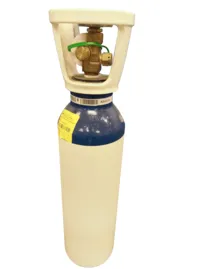
Patient Information Leaflet
NITROUS OXIDE LINDE MEDICAL liquefied medicinal gas
Nitrous oxide
Equivalent medicine
Please read all of this leaflet carefully before you use this medicine because it contains important information for you.
- Keep this leaflet. You may need to read it again.
- If you have any questions, ask your doctor, pharmacist, or nurse.
- If you get any side effects, talk to your doctor, pharmacist, or nurse. This includes any side effects not listed in this leaflet. See section 4.
Contents of this leaflet:
- What AZOTO PROTOSSIDO LINDE MEDICALE is and what it is used for
- What you need to know before using AZOTO PROTOSSIDO LINDE MEDICALE
- How to use AZOTO PROTOSSIDO LINDE MEDICALE
- Possible side effects
- How to store AZOTO PROTOSSIDO LINDE MEDICALE
- Contents of the pack and other information
1. What AZOTO PROTOSSIDO LINDE MEDICALE is and what it is used for
Nitrous oxide LINDE MEDICALE contains an anaesthetic gas and is indicated for:
- inducing anaesthesia (loss of sensation, consciousness and pain, associated with muscle relaxation) during surgical procedures, in combination with other anaesthetics administered by inhalation (inhalational route) or by intravenous injection (intravenous route)
- providing pain relief (analgesia) and inducing rapid-onset, temporary sedation during short surgical procedures, trauma, burns, dental procedures (on teeth and gums), otorhinolaryngological procedures (on nose, ear and throat), and during childbirth.
2. What you should know before using NITROUS OXIDE LINDE MEDICAL
You will not be given NITROUS OXIDE LINDE MEDICAL if:
- you are allergic to nitrous oxide;
- you suffer from dilation and/or altered transit in the intestine (intestinal obstruction);
- you are due to undergo surgery involving a risk of gas bubble formation in the blood (gas embolism);
- you are due to undergo ear surgery;
- you suffer from lung diseases (emphysema, pneumothorax, and gas embolism);
- you are in the first or second trimester of pregnancy (see section “Pregnancy and breastfeeding”);
- you need to be administered pure oxygen or have breathing difficulties;
- you have dived within the last 48 hours;
- you are due to undergo surgery requiring the use of a heart-lung machine, a device used to maintain blood circulation;
- you have a perforation of the intestine;
- you have recently received a gas injection into the eye;
- you have intestinal obstruction;
- you have inflammation of the ear (otitis), ear obstruction, or sinusitis (infection of the nose and paranasal sinuses);
- there is suspicion or confirmation of increased intracranial pressure;
- you have shown a reduced level of consciousness and cooperation during nitrous oxide analgesia treatment;
- you have suffered head trauma (closed head injury) or have severe head diseases;
- you are at risk of developing vitamin B and/or folate deficiency and anemia (reduction in hemoglobin, the protein that carries oxygen in the blood);
- you have vitamin B deficiency for which therapy has not yet been established;
- you have Biermer's anemia, a type of anemia;
- you have Crohn’s disease (a bowel disease) or diseases that may affect myelin sheaths (nerve coverings);
- you have impaired methionine synthesis (an amino acid), or have already been administered nitrous oxide for longer than 24 hours;
- you suffer from heart failure or have severely impaired cardiac function.
Other medicines and NITROUS OXIDE LINDE MEDICAL
Inform your doctor or pharmacist if you are taking, have recently taken, or might take any other medicine.
In particular, inform your doctor if you are taking:
- opioids (medicines used for pain);
- benzodiazepines (medicines to treat anxiety and insomnia);
- psychotropic medicines (medicines used to treat mental disorders);
- anesthetics (medicines used to induce anesthesia or reduce pain);
- warfarin, a medicine that slows blood clotting;
- methotrexate, a medicine used in immune diseases or tumors;
- succinylcholine and other muscle relaxants (medicines that relax muscles).
Pregnancy, breastfeeding, and fertility
If you are pregnant, think you might be pregnant, planning a pregnancy, or breastfeeding, consult your doctor before taking this medicine.
Pregnancy
The use of NITROUS OXIDE LINDE MEDICAL is contraindicated during the first and second trimesters of pregnancy (see: You will not be given NITROUS OXIDE LINDE MEDICAL if).
NITROUS OXIDE LINDE MEDICAL may be used during the third trimester of pregnancy only if the doctor considers it strictly necessary.
If NITROUS OXIDE LINDE MEDICAL is used close to delivery, the newborn will be monitored for signs of possible respiratory difficulty.
In case of occupational exposure during pregnancy, exposure limits must not exceed professional exposure limits.
Breastfeeding
It is not necessary to interrupt breastfeeding after a short-term administration of NITROUS OXIDE LINDE MEDICAL.
Fertility
No data are available. A potential risk associated with chronic occupational exposure cannot be ruled out.
Driving and using machines
Nitrous oxide affects your ability to drive or operate machinery.
Avoid driving, operating machinery, or performing other activities requiring alertness within 24 hours after anesthesia with NITROUS OXIDE LINDE MEDICAL.
After short-term administration of NITROUS OXIDE LINDE MEDICAL for pain relief, your doctor will monitor you to ensure all effects have worn off and that you are sufficiently alert to drive or operate machinery.
3. How to use NITROUS OXIDE LINDE MEDICALE
Use this medicine exactly as instructed by your doctor. If you have any doubts, consult your doctor.
Your doctor will decide whether the medicine can be administered, the dose to be given, and the duration of treatment, taking into account your health status and the concomitant administration of other anaesthetic medicines to induce general anaesthesia.
Your doctor will administer Nitrous Oxide LINDE MEDICALE to you in combination with oxygen through a cannula inserted into your mouth or nose in the operating room, or via a close-fitting face or nasal mask in other settings. You may breathe spontaneously or with the assistance of a ventilator (assisted or mechanical ventilation).
Medical personnel will monitor you throughout the administration and until you have fully regained consciousness.
If you use more NITROUS OXIDE LINDE MEDICALE than you should
In case of overdose or prolonged exposure to Nitrous Oxide LINDE MEDICALE, the following may occur:
- headache,
- dizziness,
- confusion,
- weakness,
- incoordination of movements,
- vertigo,
- memory disturbance (amnesia),
- loss of language comprehension or expression (aphasia),
- sudden and temporary loss of consciousness (syncope),
- changes in heart rhythm (arrhythmia),
- unconsciousness,
- death due to suffocation (asphyxia).
Treatment
The doctor will discontinue administration, ensure airway patency, provide assisted oxygenation, and initiate symptomatic treatment.
4. Possible side effects
Like all medicines, this medicine can cause side effects, although not everybody will experience them.
If you experience any of the following reactions, your doctor will IMMEDIATELY STOP treatment and will initiate appropriate therapy:
- bluish discoloration of the skin and mucous membranes (cyanosis).
The following side effects may occur:
Common (may affect up to 1 in 10 people):
- nausea, vomiting,
- dizziness,
- headache,
- migraine
Uncommon (may affect up to 1 in 100 people):
- granulopenia/agranulocytosis (reduction in the number of a type of white blood cells),
- severe megaloblastic anaemia (anaemia due to vitamin B deficiency),
- leucopenia (reduction in the number of white blood cells),
- heightened sense of well-being (euphoria),
- polyneuropathy (reduced motor and sensory functions),
- sensation of pressure in the ear, ear damage, rupture of the eardrum (a membrane in the ear),
- swelling,
- increased intestinal gas volume.
Very rare (may affect up to 1 in 10,000 people):
- sensory disturbances, altered reflexes, decreased level of consciousness, hallucinations (perception of things that do not exist), psychosis (mental disturbances), confusion, anxiety,
- movement disorders, paraplegia (paralysis of the lower limbs), paraparesis (partial paralysis of the upper or lower limbs), epilepsy (sudden loss of consciousness with convulsive muscle movements), increased intracranial pressure (in the head), brain disease (encephalopathy),
- hypoxia (lack of oxygen),
- pneumothorax (accumulation of air in the pleural cavity, a space between the lungs and the pleura, a membrane surrounding the lungs),
- changes in heartbeat (arrhythmias),
- heart failure (inability of the heart to supply adequate blood flow to meet the body's needs),
- hepatic necrosis (death of liver cells),
- cerebral hyperperfusion syndrome (neurological disturbances due to reduced blood flow to the brain),
- increased pressure in inflated balloons,
- vitamin B deficiency,
- hyperhomocysteinaemia (increased levels of homocysteine, an amino acid, in the blood),
- muscle weakness,
- malignant hyperthermia (excessive oxygen consumption by muscles with increased body temperature),
- multiple congenital anomalies (birth defects),
- infertility,
- hypotension (reduced blood pressure),
- shock (imbalance between oxygen availability and the body's demand for oxygen),
- ocular hypertension (increased pressure in the eye),
- retinal artery occlusion (blockage of a blood vessel in the eye),
- blindness.
Not known (frequency cannot be estimated from the available data):
- generalized epileptic seizures,
- respiratory depression,
- dependence,
- effects on nerve functions, sensation of numbness and weakness, usually in the legs.
Reporting of side effects
If you experience any side effect, including those not listed in this leaflet, please inform your doctor, pharmacist, or nurse. You can also report side effects directly via the national reporting system at the following website:
https://www.aifa.gov.it/content/segnalazioni-reazioni-avverse
By reporting side effects, you can help provide more information on the safety of this medicine.
5. How to store NITROUS OXIDE LINDE MEDICALE
Store at a temperature not exceeding 50°C.
Keep this medicine out of the sight and reach of children.
Do not use this medicine after the expiry date stated on the label after EXP. The expiry date refers to the last day of that month.
Do not dispose of any medicine via wastewater or household waste. Ask your pharmacist how to dispose of medicines you no longer use. This will help protect the environment.
6. Package contents and other information
What AZOTO PROTOSSIDO LINDE MEDICALE contains
The active substance is Nitrous oxide 100%.
Description of the appearance of AZOTO PROTOSSIDO LINDE MEDICALE and package contents
AZOTO PROTOSSIDO LINDE MEDICALE is a colourless gas with a slightly sweet odour, supplied in cylinders and cylinder packs (blue shoulder marked with "N O" or with "nitrous oxide" or white cylinder) equipped with a shut-off valve, and in fixed cryogenic containers.
Marketing Authorization Holder
LINDE MEDICALE S.r.l. – Via Guido Rossa, 3 – 20004 Arluno (MI)
Manufacturer
Cylinders and cylinder packs
Linde Gas Italia Srl - Via Pio Semeghini, 38 - Rome
Eurogas srl – via Pradazzo 22 – 26012 Castelleone (CR)
Fixed cryogenic containers
Linde Gas Italia Srl - Via Pio Semeghini, 38 - Rome
Linde Gaz Magyarorszag ZRT – Carl von Linde ut 1 – H-9653 Repcelak (Hungary)
Eurogas srl – via Pradazzo 22 – 26012 Castelleone (CR)
The following information is intended exclusively for healthcare professionals:
Precautions for use
Repeated administration or exposure to nitrous oxide may lead to dependence.
Healthcare professionals with occupational exposure to nitrous oxide should be carefully monitored.
The fraction of inspired oxygen (FiO₂) in the inhaled mixture must be at least 21% v/v during the induction phase. In practice, a lower limit of 30% v/v is often used.
Administration of nitrous oxide must be performed by trained professional personnel.
Nitrous oxide has been shown to have a slight depressant effect on myocardial contractility, but this is counterbalanced by a slight increase in neurosympathetic stimulation of the heart, so that normally there is no significant net effect on circulation. However, due to the potential for myocardial depression, nitrous oxide should be used with caution in patients with mild to moderate cardiac dysfunction and is contraindicated in patients with severe cardiac dysfunction or marked heart failure.
Nitrous oxide concentrations exceeding 50% v/v may impair protective reflexes and levels of consciousness. Concentrations above 60–67% v/v often cause unconsciousness and increase the risk of impaired protective reflexes.
If unexpected cyanosis occurs during anesthesia or during the induction phase, administration of nitrous oxide should be discontinued and the fraction of inhaled oxygen increased to 100%.
If cyanosis does not resolve rapidly, or if the episode recurs during anesthesia, equipment malfunction (delivery of a hypoxic mixture) or accidental interchange of medical gas lines supplying the anesthesia machine should be considered. Therefore, it is recommended to attempt ventilation using a self-inflating bag filled with ambient air.
When high concentrations of nitrous oxide have been used during anesthesia, diffusion hypoxia may occur, caused by the gas mixture and the reflex response to hypoxia, leading to hypercapnia and hypoventilation. To prevent this, 100% oxygen should be administered after discontinuation of nitrous oxide.
Monitoring of oxygen tension and oxygen saturation should continue for 15 minutes after the end of nitrous oxide administration.
Administration of nitrous oxide may increase pressure in the endotracheal tube cuff, potentially causing tracheal injury, or in any other inflated balloon used in procedures (e.g., catheters). During use of nitrous oxide with a Swan-Ganz catheter, the generated pressure may displace the catheter into an occlusive position, thereby altering pressure readings.
Nitrous oxide can diffuse into air-filled spaces and thus may increase pressure in the middle ear or other gas-filled areas, with a consequent risk of gas embolism.
Occupational exposure
The concentration of nitrous oxide in the workplace should be kept as low as possible, in accordance with applicable legislation.
At present, a clear correlation between exposure to trace concentrations of nitrous oxide and potential adverse health effects cannot be established. However, the risk of impaired fertility, as reported in medical and nursing personnel due to chronic exposure in inadequately ventilated rooms, cannot be completely ruled out.
Rooms where nitrous oxide is frequently used must have an adequate evacuation or ventilation system to maintain gas levels below the legally established occupational exposure limits (OEL), commonly assessed via Time-Weighted Average (TWA).
Abuse and risk of dependence
The potential risk of abuse must be recognized.
Repeated administration or exposure to nitrous oxide may lead to dependence. Caution is advised in patients with a history of substance abuse and in healthcare workers with occupational exposure to nitrous oxide.
Nitrous oxide causes inactivation of vitamin B₁₂, a cofactor of methionine synthase. Prolonged administration of nitrous oxide consequently alters folate metabolism and impairs DNA synthesis. Prolonged or frequent use of nitrous oxide may result in megaloblastic bone marrow changes, myeloneuropathy, and subacute combined degeneration of the spinal cord. Nitrous oxide must not be used without strict clinical supervision and hematological monitoring. In such cases, consultation with a hematologist as a specialist is required.
Hematological evaluation should include assessment for megaloblastic changes in red blood cells and hypersegmentation of neutrophils. Neurological toxicity may manifest without anemia or macrocytosis and with normal vitamin B₁₂ levels. Neurological toxicity has been reported after a single exposure to nitrous oxide in patients with undiagnosed subclinical vitamin B₁₂ deficiency undergoing anesthesia.
Method of administration
Nitrous oxide must always be administered under the supervision of medical personnel, who determine whether the medicinal product may be administered and at what dose, in an appropriate setting equipped for emergency cardiorespiratory resuscitation.
Instructions from medical personnel must be strictly followed when administering the gas.
Personnel using nitrous oxide must be adequately trained and updated on its use. The gas must be administered using appropriate equipment in well-ventilated rooms designed to ensure immediate air exchange, with ventilation systems preventing excessive gas concentrations in ambient air. "Double masks" (active nasal masks), particularly recommended for dental procedures, should be used.
In ambulances, the delivery device may be connected to an extraction system or a double mask may be used.
Air quality must be monitored in accordance with local regulations, and occupational exposure to nitrous oxide must remain below the hygienic limits established nationally by professional guidelines and health and safety legislation, especially for pregnant personnel.
Nitrous oxide should be administered via an orotracheal or nasotracheal tube in the operating room and via a tight-fitting facial or nasal mask in other settings. The patient may breathe spontaneously or with mechanical ventilatory support (assisted ventilation).
Nitrous oxide must be administered in combination with oxygen, using equipment that ensures delivery of a non-hypoxic mixture of nitrous oxide and oxygen. Such equipment must include oxygen concentration monitoring and a safety system that prevents administration of a hypoxic mixture (FiO₂ <21% v/v).
Due to the risk of loss of consciousness and coma, when nitrous oxide is used outside the operating room, analgesic administration is acceptable only with a mixture containing 50% v/v oxygen. The device used must make it impossible to administer mixtures with nitrous oxide concentrations exceeding 50% v/v. Throughout the period of nitrous oxide use, both the patient and the administration method must be monitored to ensure safe inhalation. The patient must be monitored by medical personnel until administration ends and consciousness is fully regained.
When nitrous oxide is used for pain treatment, the patient must keep the delivery mask in place. The patient should be instructed to hold the mask against the face and breathe normally. This additional measure aims to minimize the risk of overdose: if the patient becomes drowsy and loses consciousness, the mask will fall off, interrupting administration. Breathing ambient air will rapidly eliminate the effects of nitrous oxide, and the patient will regain consciousness. When used for short-term pain conditions in vulnerable patients unable to understand or follow instructions, nitrous oxide must be administered by competent medical personnel who initiate the therapy and can assist in maintaining the mask in position and actively monitor administration.
Cylinders and fixed cryogenic containers are reserved exclusively for containing/transporting nitrous oxide for inhalation, for therapeutic use.
NOTE: FOR MORE DETAILS, CONSULT THE CONTAINER'S USER MANUAL
Storage
Carefully read the container's instruction and user manual.
Ensure all equipment is in good condition.
Store in open air or in well-ventilated areas, within fenced and protected zones, shielded from rain and direct sunlight, and away from heat sources (locked enclosed spaces reserved for medical gases).
Do not expose to heat sources or high temperatures (above 50°C).
Protect from electrical lines and ensure proper grounding.
Store away from flammable materials and combustible substances (contact with combustible materials may cause fire).
Do not smoke or use open flames near the product.
Keep cylinders clean and dry, avoiding any contact with grease or oils (do not lubricate valves or fittings).
Ensure containers are undamaged and avoid impacts or gas leakage.
Close valves and block gas flow when not in use.
Keep cylinders and cylinder packs upright, with valves closed, protective caps and covers in place, and securely fastened to prevent accidental impacts or falls.
Do not use damaged or compromised packaging.
Empty and full containers must be stored separately.
Containers containing other types of gases must be stored separately.
Excessive storage of full containers should be avoided.
In case of fire risk, move to a safe location after closing valves.
In case of leakage, close the cylinder valve immediately, if safe to do so.
If the valve cannot be closed, move the container to a safe outdoor location to allow gas to vent safely.
Vapors may cause drowsiness and dizziness.
Cylinder transport
Cylinders must be transported using appropriate means (e.g., trolleys equipped with chains, barriers, or rings) to protect them from impact, falling, and gas leakage. Cylinders must always be handled with protective caps in place. During vehicle transport, cylinders must be securely fastened, preferably in an upright position. Permanent vehicle ventilation and a no-smoking policy must be ensured.
During gas use
Cylinders and fixed containers must not be used if visibly damaged, suspected of damage, or exposed to extreme temperatures.
Before opening the cylinder valve, place the cylinder in an upright position and maintain it upright during administration.
Open and close container closure systems gradually and carefully (do not use pliers or other tools to open or close the cylinder valve) to prevent damage.
Do not force valves during opening or closing. Do not alter the container's shape.
Never stand directly in front of the gas outlet; always stand to the side. Do not expose yourself or the patient to direct gas flow.
Nitrous oxide administration must be performed at appropriate pressure, with controlled flow rate between the container and the patient.
Do not use oil or grease in contact with the gas.
Handle equipment with clean hands, free from traces of grease or oil.
Do not completely empty the container.
After use, close the cylinder valve.
In case of gas leakage, close the valve and notify the technical service of the supplier indicated in the container’s user manual.
Use only containers suitable for the product and intended operating temperatures.
Use specific and compatible connectors, connection tubes, or flexible hoses compatible with nitrous oxide.
IT IS STRICTLY PROHIBITED TO MODIFY CONNECTORS, DELIVERY EQUIPMENT, OR ANY ACCESSORIES OR COMPONENTS (OIL AND GREASE MAY SPONTANEOUSLY IGNITE IN CONTACT WITH NITROUS OXIDE).
Do not lubricate or attempt to repair defective valves.
It is strictly prohibited to handle equipment or components with hands, clothing, or face contaminated with grease, oil, creams, or ointments.
Do not use greasy creams or lipsticks.
Do not smoke.
Do not approach the container with open flames.
No electrical equipment capable of producing sparks should be used near patients receiving oxygen.
Do not use oils or greases on connectors, valves, or any material in contact with the gas.
Never introduce nitrous oxide into a device that may contain combustible materials, especially greasy substances.
Disposal
Keep empty cylinders with valves closed.
Do not discharge into sewers, basements, or pits where gas accumulation could be hazardous. Pressurized gas discharge is not permitted.
Return empty or unused containers, even if only partially empty, to the supplier. Any residual medicinal product in the cylinder will be safely removed through appropriate procedures in a well-ventilated area by the company responsible for subsequent refilling of the container.