Momentkid
Italy
Table of Contents
Package leaflet: Information for the user
Momentkid Children 100 mg/5 ml oral suspension
Ibuprofen
Read this entire leaflet carefully before using this medicine because it contains important information for you.
Always use this medicine exactly as described in this leaflet or as your doctor or pharmacist has instructed.
- Keep this leaflet. You may need to read it again.
- If you need more information or advice, consult your pharmacist.
- If you experience any side effects, including those not listed in this leaflet, contact your doctor or pharmacist. See section 4.
- Consult your doctor if you do not notice improvement or if your symptoms worsen after:
- 24 hours in infants aged 3–5 months
- 3 days in infants and children aged 6 months and older, and in adolescents.
Contents of this leaflet:
- What Momentkid is and what it is used for
- What you need to know before using Momentkid
- How to use Momentkid oral suspension
- Possible side effects
- How to store Momentkid
- Contents of the pack and other information
1. What Momentkid is and what it is used for
Momentkid contains ibuprofen, which belongs to a group of medicines called non-steroidal anti-inflammatory drugs (NSAIDs) that act to reduce pain, fever, and inflammation.
Momentkid Children's Oral Suspension (ibuprofen 20 mg/ml) is indicated in children
from 3 months to 12 years of age for the symptomatic treatment of fever, including post-vaccination fever, and of mild to moderate pain (such as headache, toothache, sore throat, earache).
2. What you need to know before using Momentkid
Do not use Momentkid if the child:
- is allergic to ibuprofen or to any of the other ingredients of this medicine (listed in section 6);
- has had or currently has allergic reactions such as breathlessness, rhinitis (runny nose), swelling of the face, lips and throat (angioedema), or hives, particularly if associated with nasal polyps and asthma, after taking other painkillers, antipyretics, acetylsalicylic acid, or other non-steroidal anti-inflammatory drugs (NSAIDs);
- suffers from severe kidney or liver disease (renal or hepatic insufficiency);
- suffers from severe heart disease (heart failure);
- has had or currently has gastrointestinal bleeding and/or perforation following previous treatment with NSAIDs;
- has or has had gastric/duodenal ulcers (peptic ulcers) or active or recurrent bleeding (at least two distinct episodes of proven ulceration or bleeding);
- is currently taking other non-steroidal anti-inflammatory drugs (NSAIDs, including selective COX-2 inhibitors) (see section “Other medicines and Momentkid”);
- is younger than 3 months or weighs less than 5.6 kg;
- is in the last trimester of pregnancy (see section “Pregnancy and breastfeeding”).
Warnings and precautions
Talk to your doctor or pharmacist before using Momentkid if the child:
- has or has had allergies to medicines used to treat fever, pain and inflammation (non-steroidal anti-inflammatory drugs) and suffers from breathing difficulties (asthma), nasal polyps, or swelling of the face, lips and throat (angioedema);
- is taking other medicines used to treat pain, reduce fever and/or treat inflammation (non-steroidal anti-inflammatory drugs, NSAIDs, including COX-2 inhibitors) (see section “Other medicines and Momentkid”);
- has had stomach or intestinal disorders (history of ulcers), especially if complicated by bleeding or perforation, as this may increase the risk of gastrointestinal bleeding and perforation. In such cases, your doctor may advise starting treatment with the lowest available dose and possibly using concomitant medicines that protect the stomach (misoprostol or proton pump inhibitors). This should also be considered if the child is taking low-dose aspirin or other medicines that may increase the risk of stomach and intestinal disorders (see section “Other medicines and Momentkid”). During treatment with any NSAID, at any time and regardless of previous gastrointestinal symptoms or history, gastrointestinal bleeding, ulceration and perforation may occur and may be fatal. Therefore, inform your doctor of any unusual gastrointestinal symptoms (especially gastrointestinal bleeding), particularly during the initial stages of treatment. If gastrointestinal bleeding or ulceration occurs, discontinue treatment with Momentkid and contact your doctor;
- has or has had inflammatory bowel disease (ulcerative colitis, Crohn’s disease), as these conditions may worsen (see section “Possible side effects”);
- is taking medicines that may increase the risk of ulcer or bleeding, such as oral corticosteroids used to treat inflammation and certain immune system disorders, anticoagulants such as warfarin, medicines with antiplatelet effects like aspirin, or antidepressants (selective serotonin reuptake inhibitors) (see section “Other medicines and Momentkid”);
- has heart disease (uncontrolled hypertension, congestive heart failure, confirmed ischemic heart disease, peripheral arterial disease) or has had reduced blood flow to the brain (stroke), or if you think the child may be at risk for these conditions (e.g. high blood pressure, elevated blood sugar (diabetes) or lipid levels, or smoking). Medicines such as Momentkid may be associated with a slight increase in the risk of heart attack or stroke; the risk is higher with high doses and prolonged treatment. Do not exceed the recommended dose or duration of treatment;
- has high blood pressure and/or severe heart disease (heart failure), as fluid retention, high blood pressure and swelling (edema) have been reported during NSAID therapy;
- has chickenpox, as use of Momentkid should be avoided in this case;
- has an infection – see section «Infections» below.
With ibuprofen, signs of an allergic reaction to this medicine have been reported, including breathing difficulties, swelling of the face and neck (angioedema), and chest pain. Stop Momentkid immediately and contact your doctor or emergency medical services immediately if you notice any of these signs.
Skin reactions
Serious skin reactions have been reported with ibuprofen treatment, including exfoliative dermatitis, erythema multiforme, Stevens-Johnson syndrome, toxic epidermal necrolysis, drug reaction with eosinophilia and systemic symptoms (DRESS), and acute generalized exanthematous pustulosis (AGEP). Stop using Momentkid and contact your doctor immediately if you notice any symptoms related to these serious skin reactions described in section 4.
The use of Momentkid requires appropriate precautions, especially if the child:
- has or has had asthma, as breathing difficulties may worsen;
- has blood clotting disorders;
- has kidney, heart, liver disease or hypertension;
- is dehydrated (e.g. due to fever, vomiting or diarrhea); in this case, rehydrate the child before and during treatment to avoid the risk of impaired kidney function. During prolonged treatment with Momentkid, pay particular attention and inform your doctor immediately if any of the following occur:
- signs or symptoms of stomach or intestinal ulcers or bleeding (e.g. black, foul-smelling stools, vomiting blood);
- signs or symptoms of liver damage (e.g. hepatitis, jaundice);
- signs or symptoms of kidney damage (e.g. increased urine production, blood in urine);
- visual disturbances (blurred or reduced vision, areas of complete or partial blindness, altered color perception);
- symptoms such as headache, confusion, nausea, vomiting, neck stiffness and fever, as these may indicate aseptic meningitis (more frequent if the child has systemic lupus erythematosus or other collagen diseases).
Children and adolescents
In dehydrated children and adolescents, there is a risk of impaired kidney function.
Infections
Momentkid may mask symptoms of infections such as fever and pain. Therefore, Momentkid may delay appropriate treatment of the infection, potentially increasing the risk of complications. This has been observed in bacterial pneumonia and bacterial skin infections associated with chickenpox. If you take this medicine while having an infection and the symptoms persist or worsen, contact your doctor immediately.
Other medicines and Momentkid
Inform your doctor or pharmacist if the child is taking, has recently taken or might take any other medicines.
Momentkid may interact with or be affected by other medicines, particularly inform your doctor or pharmacist if the child is taking:
- other medicines used to treat pain, reduce fever and/or treat inflammation (non-steroidal anti-inflammatory drugs, NSAIDs, including COX-2 inhibitors or acetylsalicylic acid). In such cases, these combinations should be avoided as they increase the risk of adverse effects;
- medicines used to treat inflammation and certain immune system disorders (corticosteroids);
- medicines used to treat bacterial infections (quinolone antibiotics);
- medicines with anticoagulant effects (i.e. substances that thin the blood and prevent clot formation, e.g. aspirin/acetylsalicylic acid, warfarin, ticlopidine);
- medicines used to treat depression such as selective serotonin reuptake inhibitors;
- antidiabetic medicines to treat high blood sugar (sulfonylureas);
- a medicine used to treat viral infections (ritonavir);
- medicines that modulate the immune response (tacrolimus and cyclosporine);
- a medicine used to treat cancer and rheumatic diseases (methotrexate);
- a medicine used for mental disorders (lithium);
- a medicine used for medical termination of pregnancy (mifepristone): do not take NSAIDs within 8–10 days after taking mifepristone;
- a medicine used to treat gout (probenecid);
- medicines that lower blood pressure (ACE inhibitors such as captopril, beta-blockers such as atenolol, angiotensin II antagonists such as losartan) and diuretics;
- medicines used to treat heart conditions (cardiac glycosides).
Momentkid with food and drink
This medicine can be taken with or without food.
Any possible stomach-related side effects, if present, may be reduced by taking the medicine with food.
Pregnancy and breastfeeding
If you are pregnant, think you may be pregnant, planning a pregnancy, or breastfeeding, consult your doctor or pharmacist before taking this medicine.
Pregnancy
It is unlikely that girls under 12 years of age will become pregnant or breastfeed. However, in such a case, do not take this medicine during the last three months of pregnancy as it may cause problems for your baby and during childbirth. This may cause kidney or heart problems in the unborn child. It may affect bleeding tendencies in both you and your baby and may cause delayed or prolonged labor.
Avoid using this medicine during the first six months of pregnancy unless prescribed by a doctor. If treatment is needed during this period or while trying to conceive, the lowest possible dose for the shortest possible time should be used. If taken for more than a few days from week 20 of pregnancy onwards, Momentkid may cause kidney problems in the fetus leading to low levels of amniotic fluid surrounding the baby (oligohydramnios) or narrowing of a blood vessel (ductus arteriosus) in the baby’s heart. If treatment is needed for more than a few days, your doctor may recommend additional monitoring.
Breastfeeding
This medicine passes into breast milk in small amounts. It may be used during breastfeeding if taken at the recommended doses and for short periods of time.
Momentkid contains:
- sucrose: if your doctor has diagnosed you with an intolerance to certain sugars, contact him/her before taking this medicine. Momentkid contains 0.6 g of sucrose (sugar) per 1 ml, therefore 6 g of sucrose in 10 ml: this should be considered in patients with diabetes mellitus;
- methyl parahydroxybenzoate and propyl parahydroxybenzoate: may cause allergic reactions, including delayed reactions;
- sodium: this medicine contains less than 1 mmol (23 mg) of sodium per dose, i.e. essentially sodium-free.
3. How to use Momentkid
Use this medicine exactly as stated in this leaflet or as directed by your doctor or pharmacist. If you have any doubts, consult your doctor or pharmacist.
- In infants aged between 3 and 6 months, limit administration to those with a body weight above 5.6 kg.
- The daily oral dose for infants and children aged between 3 months and 12 years can be administered using the dosing syringe provided with the product. The daily dose of 20–30 mg/kg body weight, divided into three doses daily at intervals of 6–8 hours, may be given according to the following table (calculate the dose to be administered based on the weight shown in the table and the child's age).
| Body weight | Age | Single dose in ml | Maximum number of ADMINISTRATIONS/day |
| 5.6 – 7 kg | 3-6 months | 2.5 ml | 3 in 24 hours |
| 7 – 10 kg | 6-12 months | 2.5 ml | |
| 10 – 15 kg | 1-3 years | 5 ml | |
| 15 – 20 kg | 4-6 years | 7.5 ml (5+2.5 ml) | |
| 20 – 28 kg | 7-9 years | 10 ml | |
| 28 – 43 kg | 10-12 years | 15 ml |
The graduated scale on the syringe clearly shows markings for different dosage levels; in particular, the 2.5 ml mark corresponds to 50 mg of ibuprofen and the 5 ml mark corresponds to 100 mg of ibuprofen.
If your child suffers from stomach problems, administer Momentkid preferably during meals.
In case of post-vaccination fever, refer to the recommended daily dosage shown in the table above.
The lowest effective dose for the shortest duration necessary to relieve symptoms should be used. If you have an infection, consult your doctor immediately if symptoms (e.g. fever and pain) persist or worsen (see section 2).
Consult your doctor if you do not notice any improvement or if you observe a worsening of symptoms after:
- 24 hours in infants aged between 3 and 5 months
- 3 days in infants and children over 6 months of age and in adolescents.
Instructions for using the dosing syringe
The oral suspension must be administered using the dosing syringe provided with the product.
- Shake the bottle well before use, as a formulation designed to improve the taste of the suspension may result in undissolved product accumulating at the top of the bottle. However, this does not indicate deterioration.
- After unscrewing the cap by pushing it downward and simultaneously turning it to the left, insert the tip of the syringe fully into the hole in the inner cap:
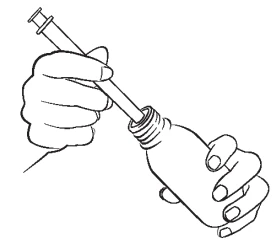
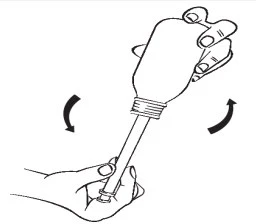
- Invert the bottle:
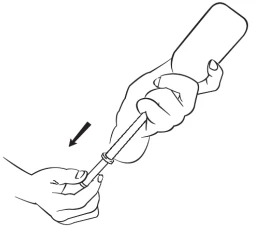
- Holding the syringe firmly, gently pull the plunger down to fill the syringe up to the mark corresponding to the desired dose:
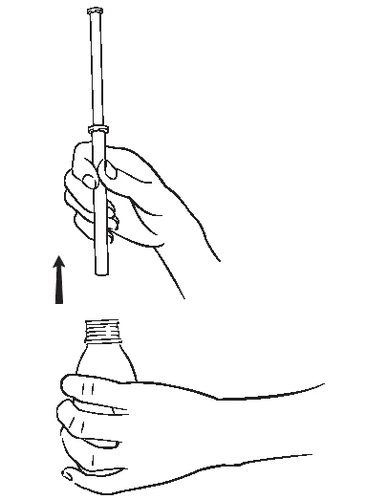
- Return the bottle to an upright position:
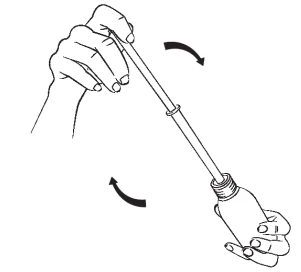
- Remove the syringe by gently rotating it:
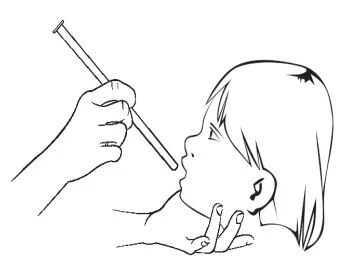
- Insert the tip of the syringe into the child’s mouth and gently press the plunger to dispense the suspension:
After use, close the bottle by screwing the cap tightly and wash the syringe with warm water. Allow it to dry and store it out of the reach and sight of children.
If you use more Momentkid than you should
If you have taken more Momentkid than you should, or if your child has accidentally ingested this medicine, always contact a doctor or the nearest hospital for advice on potential risks and actions to take.
In cases of severe poisoning, metabolic acidosis (increased levels of acid in the blood) may occur. Symptoms of overdose may include nausea, stomach discomfort, vomiting (possibly with traces of blood), headache, tinnitus (ringing in the ears), confusion, and uncontrolled eye movements. At high doses, drowsiness, chest pain, palpitations, loss of consciousness, seizures (especially in children), weakness, dizziness, blood in the urine, low blood potassium levels, feeling cold, and breathing difficulties may occur.
Additional symptoms may include: deep sleep with reduced response to normal stimuli (lethargy), lowered body temperature (hypothermia), kidney effects, gastrointestinal bleeding, profound loss of consciousness (coma), temporary cessation of breathing (apnea), diarrhea, reduced activity of the central nervous system and respiratory function, disorientation, agitation, fainting, low blood pressure (hypotension), decreased or increased heart rate (bradycardia or tachycardia), and prolonged prothrombin time/INR.
If significantly high doses of ibuprofen are ingested, serious kidney and liver damage may occur.
Symptoms of overdose may appear within 4–6 hours after taking ibuprofen.
If you have any doubts about the use of this medicine, consult your doctor or pharmacist.
4. Possible side effects
Like all medicines, this medicine can cause side effects, although not everyone experiences them.
STOP treatment with Momentkid and contact a doctor immediately if the child experiences any of the following side effects:
- flat, reddish rash with target-like or circular appearance on the trunk, often with central blisters, skin peeling, mouth, throat, nose, genital or eye ulcers. These serious skin reactions may be preceded by fever and flu-like symptoms (exfoliative dermatitis, erythema multiforme, Stevens-Johnson syndrome, toxic epidermal necrolysis);
- allergic reactions, even severe ones, which may include: hives, itching, purpura, swelling of the face, mouth and throat (angioedema), difficulty breathing (bronchospasm or dyspnea), irregular heartbeats (tachycardia), low blood pressure (hypotension), anaphylaxis, shock, and worsening of asthma;
- aseptic meningitis with symptoms such as confusion, headache, nausea, vomiting, stiff neck and fever (more frequent if the child has systemic lupus erythematosus or other collagen diseases);
- widespread rash, high body temperature, and swollen lymph nodes (DRESS syndrome);
- widespread, red, scaly rash with bumps under the skin and blisters, accompanied by fever. Symptoms usually appear early in treatment (generalized pustular eruption, acute generalized exanthematous pustulosis - AGEP).
Other side effects include:
Uncommon (may affect up to 1 in 100 people):
- headache, dizziness, drowsiness, and seizures
- stomach pain, nausea, and difficulty digesting (dyspepsia)
- skin rashes
Rare (may affect up to 1 in 1,000 people):
- cystitis, rhinitis
- depression, insomnia, difficulty concentrating, mood swings, disturbances in hearing and vision
- cerebral haemorrhage
- dry eyes
- awareness of one's own heartbeat (palpitations)
- diarrhoea, flatulence, dry mouth, constipation, and vomiting
- hair loss (alopecia), skin reaction caused by exposure to sunlight (photosensitivity dermatitis)
- serious kidney diseases including tubular necrosis, glomerulonephritis, presence of blood in urine, and increased urine production
- decreased haematocrit levels
Very rare (may affect up to 1 in 10,000 people):
- reduction in blood cell counts (anaemia, leucopenia, thrombocytopenia, eosinophilia, pancytopenia, agranulocytosis) – early signs include: fever, sore throat, superficial mouth ulcers, flu-like symptoms, severe fatigue, nosebleeds, and bleeding
- signs or symptoms of stomach or intestinal ulcers or bleeding, black and foul-smelling stools, vomiting blood
- bleeding sores in the mouth, stomach burning (gastritis)
- simultaneous kidney and liver disease (hepatorenal syndrome), death of some liver cells (hepatic necrosis), liver disease (liver failure, hepatic dysfunction, hepatitis, jaundice)
- serious kidney diseases (acute renal failure, papillary necrosis), particularly after long-term treatment, associated with increased blood urea concentration and swelling (oedema)
- decreased haemoglobin levels in the blood
- severe skin infections and soft tissue complications during chickenpox infection
- worsening of infections-related inflammation (e.g. necrotizing fasciitis) associated with the use of certain non-steroidal anti-inflammatory drugs (NSAIDs). If signs of infection appear or worsen, seek immediate medical advice to determine whether anti-infective/antibiotic treatment is needed.
Not known (frequency cannot be estimated from available data):
- irritability
- fluid retention and decreased appetite
- abnormal perception of noises such as ringing, buzzing, or hissing sounds (tinnitus)
- serious heart disease (heart failure) and swelling (oedema)
- increased blood pressure (hypertension) and reduced blood flow to the body (shock)
- respiratory tract disorders including asthma, laryngeal obstruction, laboured breathing (bronchospasm), temporary cessation of breathing (apnoea), and difficulty breathing (dyspnoea)
- worsening of inflammatory bowel diseases (colitis and Crohn’s disease), inflammation of the pancreas (pancreatitis), inflammation of the duodenum (duodenitis), inflammation of the oesophagus (oesophagitis)
- A severe skin reaction known as DRESS syndrome may occur. Symptoms of DRESS include: skin rash, fever, swollen lymph nodes, and increased eosinophils (a type of white blood cells).
- A widespread, red, scaly rash with pustule formation under the skin and blisters, mainly affecting skin folds, trunk, and upper limbs, accompanied by fever at the beginning of treatment (acute generalized exanthematous pustulosis - AGEP). Stop using Momentkid if these symptoms develop and contact your doctor immediately. See also section 2.
- Chest pain, which may be a sign of a potentially serious allergic reaction called Kounis syndrome.
The use of ibuprofen, especially at high doses (2400 mg/day), may be associated with a small increased risk of heart attack (myocardial infarction) or stroke.
Reporting of side effects
If you experience any side effects, including those not listed in this leaflet, talk to your doctor or pharmacist. You can also report side effects directly via the national reporting system at:
https://www.aifa.gov.it/content/segnalazioni-reazioni-avverse.
By reporting side effects, you can help provide more information on the safety of this medicine.
5. How to store Momentkid
Keep this medicine out of the sight and reach of children.
Do not use this medicine after the expiry date stated on the packaging and
on the bottle after Exp.
The expiry date refers to the last day of that month. This medicine does not
require any special storage conditions.
After opening the bottle, store for a maximum of 6 months.
Do not dispose of any medicine via wastewater or household waste.
Ask your pharmacist how to dispose of medicines you no longer use.
This will help protect the environment.
6. Package contents and other information
What Momentkid Bambini 100 mg/5 ml oral suspension contains
The active substance is ibuprofen. Each ml of oral suspension contains 20 mg of
ibuprofen. The other ingredients are: sucrose, sucrose monopalmitate, methyl
parahydroxybenzoate, propyl parahydroxybenzoate, xanthan gum, cetyl alcohol,
citric acid monohydrate, banana flavour, sodium edetate, simeticone emulsion, honey flavour, anhydrous colloidal silica, purified water.
Description of the appearance of Momentkid Bambini 100 mg/5 ml oral suspension
and contents of the pack
Momentkid is a white, homogeneous oral suspension.
It is available in 150 ml bottles with a dosing syringe.
Marketing Authorization Holder
Angelini Pharma S.p.A.
Viale Amelia 70 - 00181 Rome
Manufacturer
COSMO S.p.A. – Via C. Colombo, 1 - 20045 Lainate (MI)
ACRAF S.p.A. – Via Vecchia del Pinocchio, 22 – 60131 Ancona
Patient information leaflet
Momentkid Prima Infanzia 60 mg suppositories
For use in children weighing from 6 kg (3 months) to 12.5 kg (2 years)
Ibuprofen
Please read this leaflet carefully before using this medicine, as it
contains important information for you.
Always take this medicine exactly as described in this leaflet or as your doctor or pharmacist has instructed.
- Keep this leaflet. You may need to read it again.
- If you need further information or advice, consult your pharmacist.
- If you experience any side effects, including those not listed in this leaflet, contact your doctor or pharmacist. See section 4.
- Consult your doctor if you do not notice improvement or if symptoms worsen after:
- 24 hours in infants aged between 3 and 5 months
- 3 days of treatment in children aged six months and older.
Contents of this leaflet:
- What Momentkid is and what it is used for
- What you need to know before using Momentkid
- How to use Momentkid suppositories
- Possible side effects
- How to store Momentkid
- Package contents and other information
1. What Momentkid is and what it is used for
Momentkid contains ibuprofen and belongs to a group of medicines called non-steroidal anti-inflammatory drugs (NSAIDs). These medicines work by controlling the body's response to pain and fever.
Momentkid 60 mg rectal suppositories for early infancy are indicated for short-term symptomatic treatment of:
- Fever
- Mild to moderate pain
Momentkid suppositories are particularly indicated when oral administration is not recommended, e.g. in case of vomiting.
Momentkid suppositories are indicated for children weighing between 6 kg (3 months) and 12.5 kg (2 years) body weight.
2. What you should know before using Momentkid
Do not use Momentkid:
- if you are allergic to ibuprofen or to any of the other ingredients of this medicine (listed in section 6);
- if you have experienced breathlessness, asthma, rhinorrhea (runny nose), facial and/or hand swelling, or hives after taking ibuprofen, acetylsalicylic acid, or other similar painkillers (NSAIDs);
- if you have a history of gastrointestinal bleeding or perforation related to previous treatment with NSAIDs;
- if you have had two or more episodes of gastric/duodenal ulcer (peptic ulcer) or bleeding;
- if you currently have cerebrovascular bleeding or any other active bleeding;
- if you suffer from unexplained blood disorders;
- if you suffer from severe dehydration (caused by vomiting, diarrhea, or insufficient fluid intake);
- if you have severe renal, hepatic, or cardiac insufficiency;
- if you are in the last 3 months of pregnancy;
- in children weighing less than 6.0 kg (under 3 months of age).
Warnings and precautions
Talk to your doctor or pharmacist before using Momentkid:
- if you have certain skin diseases (systemic lupus erythematosus (SLE) or mixed connective tissue disease);
- if you suffer from a hereditary blood disorder (e.g. acute intermittent porphyria);
- if you have blood clotting disorders;
- if you have or have had gastrointestinal disorders (ulcerative colitis or Crohn’s disease);
- if you have ever had high blood pressure and/or heart failure;
- if you have reduced kidney function;
- if you suffer from liver problems;
- if you have disorders of the rectum or anus;
- if you have had previous episodes of high blood pressure and/or heart failure;
- if you suffer or have suffered from asthma or allergic diseases, as you may experience difficulty breathing;
- if you have hay fever, nasal polyps, or chronic obstructive respiratory disorders, as there is an increased risk of allergic reactions. Allergic reactions may manifest as asthma attacks (so-called “analgesic-induced asthma”), Quincke's edema (angioedema), or hives;
- if you experience gastrointestinal bleeding, ulceration, or perforation while taking this medicine. These conditions may occur without warning symptoms, do not affect only patients with a history of serious gastrointestinal events, and can be fatal. If gastrointestinal bleeding or ulceration occurs in patients taking Momentkid, treatment must be discontinued. Caution should be exercised in patients taking other medicines that may increase the risk of ulceration or bleeding, such as oral corticosteroids (e.g. prednisolone), anticoagulants (e.g. warfarin), selective serotonin reuptake inhibitors (medicines used to treat depression), or antiplatelet agents (e.g. acetylsalicylic acid);
- if you are taking other NSAIDs (including selective COX-2 inhibitors such as celecoxib or etoricoxib);
- if you have varicella (chickenpox), it is advisable to avoid using Momentkid;
- if Momentkid is administered for prolonged periods, regular monitoring of liver values, kidney function, and blood counts is required;
- adverse effects can be minimized by using the lowest effective dose for the shortest duration necessary to control symptoms;
- elderly patients have an increased risk of adverse effects;
- in general, habitual use of painkillers may lead to serious and permanent kidney problems. This risk may increase with physical exertion associated with loss of salts and dehydration. Therefore, it should be avoided;
- prolonged use of any type of painkiller for headache may worsen headache symptoms. If this occurs or is suspected, consult your doctor and discontinue treatment. Medication-overuse headache (MOH) should be suspected in patients who experience frequent or daily headaches despite (or because of) regular use of analgesics;
- concomitant use with other NSAIDs, including selective cyclooxygenase-2 (COX-2) inhibitors, may increase the risk of adverse reactions (see section “Other medicines and Momentkid”) and should be avoided;
- medicines such as Momentkid may be associated with a small increased risk of heart attack (“myocardial infarction”) or stroke. Any such risk is more likely with high doses and prolonged treatment. Do not exceed the recommended dose or duration of treatment: maximum 24 hours for infants aged 3 to 5 months and maximum 3 days for children aged 6 months and older;
- if you have heart problems or a history of stroke, or if you think you are at risk for these conditions (for example, if you have high blood pressure, diabetes, high cholesterol, or are a smoker), discuss your treatment with your doctor or pharmacist;
- there is a risk of kidney damage in dehydrated children;
- special medical monitoring is required immediately after major surgery;
- NSAIDs may mask symptoms of infections and fever;
- if you have an infection – see section «Infections» below.
With ibuprofen, signs of an allergic reaction to this medicine have been reported,
including breathing difficulties, swelling of the face and neck (angioedema), and
chest pain. Stop taking Momentkid immediately and contact your
doctor or emergency medical services immediately if you notice any of these signs.
Skin reactions
Serious skin reactions have been reported with ibuprofen treatment,
including exfoliative dermatitis, erythema multiforme, Stevens-Johnson syndrome,
toxic epidermal necrolysis, drug reaction with eosinophilia and systemic symptoms
(DRESS), and acute generalized exanthematous pustulosis (AGEP). Stop using
Momentkid and contact your doctor immediately if you notice any of the symptoms
related to these serious skin reactions described in section 4.
Infections
Momentkid may mask symptoms of infections such as fever and pain. Therefore,
Momentkid could delay appropriate treatment of the infection, potentially
increasing the risk of complications. This has been observed in bacterial pneumonia
and bacterial skin infections associated with varicella. If you take
this medicine while having an infection and infection symptoms persist or
worsen, consult your doctor immediately.
Other medicines and Momentkid
Tell your doctor or pharmacist if you are using, have recently used, or
might use any other medicine.
What should you avoid while taking this medicine?
Some medicines, such as anticoagulants (blood thinners) (e.g. acetylsalicylic acid, warfarin, ticlopidine), medicines for high blood pressure (ACE inhibitors such as captopril, beta-blockers, angiotensin II antagonists), and other medicines may interact with or be affected by ibuprofen treatment.
Therefore, always consult your doctor before using ibuprofen together with other
medicines.
Specifically, inform them if you are taking:
| Acetylsalicylic acid or other NSAIDs (anti-inflammatory and analgesic medicines) | Because they may increase the risk of gastrointestinal ulcers and bleeding |
| Digoxin (for heart failure) | Because the effect of digoxin may be enhanced |
| Glucocorticoids (medicines containing cortisone or cortisone-like substances) | Because they may increase the risk of gastrointestinal ulcers and bleeding |
| Antiplatelet agents | Because they may increase the risk of bleeding |
| Acetylsalicylic acid (at low dose) | Because the blood-thinning effect may be reduced |
| Medicines used to thin the blood (such as warfarin) | Because ibuprofen may enhance the effects of these medicines |
| Phenytoin (for epilepsy) | Because the effect of phenytoin may be enhanced |
| Selective serotonin reuptake inhibitors (medicines used for depression) | Because they may increase the risk of gastrointestinal bleeding |
| Lithium (a medicine for bipolar disorder and depression) | Because the effect of lithium may be enhanced |
| Probenecid and sulfinpyrazone (medicines for gout) | Because the excretion of ibuprofen may be delayed |
| Medicines for high blood pressure and diuretics | Because ibuprofen may reduce the effects of these medicines and there may be an increased risk to the kidneys |
| Potassium-sparing diuretics | Because they may lead to hyperkalemia |
| Methotrexate (a medicine for cancer or rheumatism) | Because the effect of methotrexate may be enhanced |
| Tacrolimus and cyclosporine (immunosuppressive medicines) | Because kidney damage may occur |
| Zidovudine (a medicine for the treatment of HIV/AIDS) | Because the use of Momentkid may lead to an increased risk of bleeding into joints or bleeding causing swelling in HIV-positive haemophilic patients |
| Sulfonylureas (antidiabetic medicines) | Because possible interactions may occur |
| Quinolone antibiotics | Because the risk of seizures may be increased |
| CYP2C9 inhibitors | Concomitant administration of ibuprofen and CYP2C9 inhibitors may increase exposure to ibuprofen (a CYP2C9 substrate). In a study with voriconazole and fluconazole (CYP2C9 inhibitors), increased exposure to S(+)-ibuprofen of approximately 80% to 100% was observed. |
| Reduction of the ibuprofen dose should be considered when strong CYP2C9 inhibitors are administered concomitantly, especially when high doses of ibuprofen are given with voriconazole or fluconazole |
Alcohol and Momentkid
Do not drink alcohol while using Momentkid. Some adverse effects, such as those affecting the gastrointestinal tract or the nervous system, may be more likely when alcohol is consumed at the same time as Momentkid.
Pregnancy, breastfeeding, and fertility
If you are pregnant, suspect you may be pregnant, planning a pregnancy, or breastfeeding, consult your doctor or pharmacist before using this medicine.
Pregnancy
Contact your doctor if you become pregnant while using Momentkid. Do not take this medicine during the last three months of pregnancy. This may cause kidney or heart problems in the unborn baby. It may also affect your and your baby's tendency to bleed and may result in delayed or prolonged labour. Avoid using this medicine during the first six months of pregnancy unless prescribed by your doctor. If treatment is needed during this period or while trying to conceive, the lowest possible dose for the shortest possible time should be used. If taken for more than a few days from week 20 of pregnancy onwards, Momentkid may cause kidney problems in the fetus, which may lead to low levels of amniotic fluid surrounding the baby (oligohydramnios) or narrowing of a blood vessel (ductus arteriosus) in the baby's heart. If treatment lasting more than a few days is required, your doctor may recommend additional monitoring.
Breastfeeding
This medicine may be used during breastfeeding if taken at the recommended doses and for the shortest possible duration.
Fertility
This product belongs to a group of medicines (NSAIDs) that may impair fertility in women. This effect is reversible after stopping treatment.
Driving and using machines
For short-term treatment, this medicine has little or no influence on the ability to drive or operate machinery.
3. How to use Momentkid
Use this medicine exactly as stated in this leaflet or as directed by your doctor or pharmacist. If you have any doubts, consult your doctor or pharmacist.
Momentkid Prima Infanzia suppositories should be administered to children over 3 months of age and weighing at least 6 kg (see also section 2).
The maximum daily dose of ibuprofen is 20–30 mg/kg body weight, divided into 3 or 4 doses throughout the day. Momentkid may be administered according to the following scheme (note that in this scheme, the child's body weight is more important than age):
| Child's weight | Dose | How many times a day? |
| (Age) | ||
| 6-8 kg (from 3 to 9 months) | 1 suppository | Repeat, if necessary, after at least 6-8 hours. Do not exceed 3 suppositories in 24 hours |
| 8-12.5 kg (from 9 months to 2 years) | 1 suppository | Repeat, if necessary, after at least 6 hours. Do not exceed 4 suppositories in 24 hours |
The suppositories must be administered rectally, pointed end first.
Before administration, it may be helpful to warm the suppository between the hands.
The lowest effective dose for the shortest duration necessary to relieve symptoms should be used.
If you have an infection, consult your doctor immediately if symptoms (e.g. fever and pain) persist or worsen (see section 2).
In infants aged between 3 and 5 months, a doctor should be consulted if symptoms worsen or within 24 hours if symptoms persist.
If this medicine is required for more than 3 days in children aged 6 months and older, or if symptoms worsen, a doctor should be consulted.
Consult your doctor or pharmacist if you think the medicine is acting differently than expected.
If you use more Momentkid than you should
If you have taken more Momentkid than you should, or if your child has accidentally taken this medicine, always contact a doctor or the nearest hospital for advice on the potential risk and guidance on necessary actions.
In cases of severe poisoning, metabolic acidosis (increased acid levels in the blood) may occur.
Symptoms of overdose may include nausea, stomach ache, vomiting (possibly with traces of blood), headache, tinnitus (ringing in the ears), confusion, and uncontrolled eye movements.
At high doses, drowsiness, chest pain, palpitations, loss of consciousness, seizures (especially in children), weakness, dizziness, blood in the urine, low blood potassium levels, feeling cold, and breathing difficulties may occur.
Additionally, the following signs may appear: diarrhea, gastrointestinal bleeding, dizziness, blurred vision, low blood pressure, agitation, disorientation, coma, hyperkalemia, prolonged prothrombin time/INR, acute kidney failure, liver damage, respiratory depression, cyanosis, and worsening of asthma in asthmatic patients.
If you have any doubts about the use of this medicine, consult your doctor or pharmacist.
4. Possible side effects
Like all medicines, this medicine can cause side effects, although not everyone gets them.
Side effects can be minimised by using the lowest effective dose for the shortest time needed to relieve symptoms.
You may experience one of the known side effects of NSAIDs (see below). If this happens, or if you are concerned, stop taking this medicine and contact your doctor as soon as possible. Elderly patients taking this medicine are at higher risk of developing problems related to side effects.
Stop using this medicine and consult your doctor immediately if you develop:
- signs of intestinal bleeding such as severe abdominal pain, dark stools, vomiting blood or dark particles resembling coffee grounds;
- signs of very rare but serious allergic reactions such as worsening asthma, unexplained shortness of breath or difficulty breathing, swelling of the face, tongue or throat, difficulty breathing, rapid heartbeat, drop in blood pressure leading to shock. These symptoms may occur even with the first use of this medicine;
- non-elevated reddish spots, target-shaped or circular rashes on the trunk, often with central blisters, skin peeling, mouth, throat, nose, genital or eye ulcers. These serious skin reactions may be preceded by fever and flu-like symptoms (exfoliative dermatitis, erythema multiforme, Stevens-Johnson syndrome, toxic epidermal necrolysis); widespread rash, high body temperature and swollen lymph nodes (DRESS syndrome);
- Widespread, red, scaly rash with bumps under the skin and blisters, accompanied by fever. Symptoms usually appear at the beginning of treatment (generalised exanthematous pustulosis).
Consult your doctor if you experience any of the other possible side effects
Common (may affect up to 1 in 10 people):
- Gastrointestinal disorders such as heartburn, stomach pain and nausea, indigestion, diarrhoea, vomiting, flatulence and constipation, and minor bleeding in the stomach and/or intestines which in rare cases may cause anaemia.
Uncommon (may affect up to 1 in 100 people):
- Hypersensitivity reactions with urticaria and itching;
- Gastrointestinal ulcers, perforation or bleeding, inflammation of the mouth mucosa with ulceration (ulcerative stomatitis), worsening of existing intestinal disorders (colitis or Crohn's disease), gastritis, localised rectal irritation;
- Central nervous system disorders such as headache, dizziness, insomnia, agitation, irritability or fatigue;
- Visual disturbances;
- Various skin rashes.
Rare (may affect up to 1 in 1,000 people):
- Tinnitus (ringing in the ears);
- Increased blood urea levels, pain in the flanks and/or abdomen, blood in the urine and fever which may indicate kidney damage (papillary necrosis);
- Decrease in haemoglobin levels.
Very rare (may affect up to 1 in 10,000 people):
- inflammation of the oesophagus, pancreatitis, formation of diaphragm-like intestinal structures;
- heart failure, heart attack and swelling of the face and hands (oedema), palpitations;
- reduced urine output compared to normal and swelling (especially in patients with high blood pressure or reduced kidney function); swelling (oedema) and cloudy urine (nephrotic syndrome); inflammatory kidney disease (interstitial nephritis) which may lead to acute kidney failure. If you experience any of these symptoms or feel generally unwell, stop taking Momentkid and consult your doctor immediately, as these could be early signs of kidney damage or kidney failure;
- psychotic reactions, depression;
- high blood pressure, vasculitis;
- liver dysfunction, liver damage (early signs may include skin discolouration), especially during prolonged treatment, liver failure, acute inflammation of the liver (hepatitis);
- problems in blood cell production - early signs include: fever, sore throat, superficial mouth ulcers, flu-like symptoms, severe fatigue, nose and skin bleeding and unexplained bruising. In such cases, you must stop treatment immediately and consult your doctor without delay. Avoid any self-medication with painkillers or fever-reducing medicines (antipyretics);
- severe skin infections and soft tissue complications during chickenpox infection;
- worsening of infections-related inflammation (e.g. necrotising fasciitis) has been reported with the use of some analgesics (NSAIDs). If signs of infection appear or worsen, contact your doctor immediately to assess whether anti-infective/antibiotic therapy is needed;
- symptoms of aseptic meningitis such as stiff neck, headache, nausea, vomiting, fever or confusion have been observed during ibuprofen use. Patients with autoimmune disorders (SLE, mixed connective tissue disease) may be more susceptible. Contact a doctor immediately if these symptoms occur;
- severe skin reactions such as rashes with redness and blister formation (e.g. Stevens-Johnson syndrome, erythema multiforme, toxic epidermal necrolysis/Lyell's syndrome), hair loss (alopecia).
Not known (frequency cannot be estimated from available data):
- Respiratory tract reactivity including asthma, bronchospasm or dyspnoea.
- A severe skin reaction known as DRESS syndrome may occur. Symptoms of DRESS include: skin rash, fever, swollen lymph nodes and increased eosinophils (a type of white blood cell).
- A widespread, red, scaly rash with pustule formation under the skin and blisters, mainly located in skin folds, trunk and upper limbs, accompanied by fever at the beginning of treatment (generalised exanthematous pustulosis). Stop using Momentkid if you develop these symptoms and contact your doctor immediately. See also section 2.
- Skin sensitivity to light.
- Chest pain, which may be a sign of a potentially serious allergic reaction called Kounis syndrome.
Medicines such as Momentkid may be associated with a small increased risk of heart attack ("myocardial infarction") or stroke.
Reporting of side effects
If you experience any side effect, including those not listed in this leaflet, talk to your doctor or pharmacist. You can also report side effects directly via the national reporting system at:
https://www.aifa.gov.it/content/segnalazioni-reazioni-avverse.
Reporting side effects can help provide more information on the safety of this medicine.
5. How to store Momentkid
Keep this medicine out of the sight and reach of children.
Do not use this medicine after the expiry date stated on the carton and blister after Exp. The expiry date refers to the last day of that month.
Do not store above 25°C.
Do not dispose of any medicine via wastewater or household waste. Ask your pharmacist how to dispose of medicines no longer in use. This will help protect the environment.
6. Contents of the pack and other information
What Momentkid suppositories contain
The active substance is ibuprofen. Each suppository contains 60 mg of ibuprofen.
The other component is solid semisynthetic glycerides.
Description of the appearance of Momentkid suppositories and contents of the pack
Momentkid is presented as white or cream-colored suppositories.
It is available in packs of 10 suppositories in white blisters, each containing 5 suppositories.
Marketing Authorization Holder
Angelini Pharma S.p.A.
Viale Amelia 70 - 00181 Rome
Manufacturer
A.C.R.A.F. S.p.A. – Via Vecchia del Pinocchio, 22 - 60131 Ancona.
Patient information leaflet
Momentkid Children 125 mg suppositories
Indicated for children weighing from 12.5 kg (2 years) to 20.5 kg (6 years)
Ibuprofen
Please read this leaflet carefully before using this medicine because
it contains important information for you.
Always take this medicine exactly as described in this leaflet or as your doctor or pharmacist has instructed you.
- Keep this leaflet. You may need to read it again.
- If you need further information or advice, consult your pharmacist.
- If you experience any of the side effects, including those not listed in this leaflet, contact your doctor or pharmacist. See section 4.
- Contact your doctor if you do not notice any improvement or if you experience worsening of symptoms after 3 days of treatment.
Contents of this leaflet: 1. What Momentkid is and what it is used for
- What you need to know before using Momentkid
- How to use Momentkid suppositories
- Possible side effects
- How to store Momentkid
- Package contents and other information
1. What Momentkid is and what it is used for
Momentkid contains ibuprofen and belongs to a group of medicines called non-steroidal
anti-inflammatory drugs (NSAIDs). These medicines work by controlling the body's response
to pain and fever.
Momentkid children's suppositories (ibuprofen 125 mg) are indicated for short-term
symptomatic treatment of:
- Fever
- Mild to moderate pain
Momentkid suppositories are particularly indicated when oral administration is
not recommended, e.g. in case of vomiting.
Momentkid suppositories are indicated for children weighing between 12.5 kg (2 years) and 20.5 kg (6 years) body weight.
2. What you need to know before using Momentkid
Do not use Momentkid if:
- you are allergic to ibuprofen or to any of the other ingredients of this medicine (listed in section 6);
- you have experienced breathlessness, asthma, rhinorrhea (runny nose), facial and/or hand swelling, or hives after taking ibuprofen, acetylsalicylic acid, or other similar painkillers (NSAIDs);
- you have a history of gastrointestinal bleeding or perforation related to previous treatment with NSAIDs;
- you currently have (or have had two or more episodes of) gastric/duodenal ulcer (peptic ulcer) or stomach bleeding;
- you have active cerebrovascular bleeding or any other type of active bleeding;
- you suffer from unexplained blood disorders;
- you suffer from severe dehydration (caused by vomiting, diarrhea, or insufficient fluid intake);
- you have severe renal, hepatic, or cardiac insufficiency;
- you are in the last 3 months of pregnancy;
- in children weighing less than 12.5 kg (under 2 years of age).
Warnings and precautions
Talk to your doctor or pharmacist before using Momentkid:
- if you have certain skin diseases (systemic lupus erythematosus (SLE) or mixed connective tissue disease);
- if you suffer from a hereditary blood disorder (e.g., acute intermittent porphyria);
- if you have blood coagulation disorders;
- if you currently have or have had gastrointestinal disorders (ulcerative colitis or Crohn's disease);
- if you have ever had high blood pressure and/or heart failure;
- if you have reduced kidney function;
- if you suffer from liver problems;
- if you have disorders of the rectum or anus;
- if you have had previous episodes of high blood pressure and/or heart failure;
- if you suffer or have suffered from asthma or allergic diseases, as you may experience difficulty breathing;
- if you have hay fever, nasal polyps, or chronic obstructive respiratory disorders, there is an increased risk of allergic reactions. Allergic reactions may manifest as asthma attacks (so-called “analgesic-induced asthma”), Quincke's edema, or urticaria.
- if gastrointestinal bleeding, ulceration, or perforation occurs while taking this medicine. These conditions are not necessarily preceded by warning symptoms, do not affect only patients with a previous history of serious gastrointestinal events, and can be fatal. If gastrointestinal bleeding or ulceration occurs in patients taking Momentkid, treatment must be discontinued. Caution should be exercised in patients taking other medicines that may increase the risk of ulceration or bleeding, such as oral corticosteroids (e.g., prednisolone), anticoagulants (e.g., warfarin), selective serotonin reuptake inhibitors (medicines used to treat depression), or antiplatelet agents (e.g., acetylsalicylic acid);
- if you are taking other NSAIDs (including selective COX-2 inhibitors such as celecoxib or etoricoxib);
- if you have chickenpox, it is advisable to avoid using Momentkid;
- if Momentkid is used for prolonged periods, regular monitoring of liver values, kidney function, and blood counts is required;
- adverse effects can be minimized by using the lowest effective dose for the shortest duration necessary to control symptoms;
- elderly patients have an increased risk of adverse effects;
- habitual use of painkillers may lead to serious and permanent kidney problems. This risk may increase with physical exertion associated with loss of salts and dehydration. Therefore, such use should be avoided;
- prolonged use of any type of painkiller for headache may worsen the symptoms. If this occurs or is suspected, consult your doctor and discontinue treatment. Medication-overuse headache (MOH) should be suspected in patients who experience frequent or daily headaches despite (or because of) regular use of analgesics;
- concomitant use with other NSAIDs, including selective cyclooxygenase-2 inhibitors, may increase the risk of adverse reactions (see section “Other medicines and Momentkid”) and should be avoided;
- medicines such as Momentkid may be associated with a small increased risk of heart attack (“myocardial infarction”) or stroke. Any risk is more likely with high doses and prolonged treatment. Do not exceed the recommended dose or duration of treatment (maximum 3 days);
- if you have heart problems or a history of stroke, or think you may be at risk for these conditions (for example, if you have high blood pressure, diabetes, high cholesterol, or are a smoker), discuss your treatment with your doctor or pharmacist;
- there is a risk of kidney damage in dehydrated children;
- special medical monitoring is required immediately after major surgery;
- NSAIDs may mask symptoms of infection and fever;
- if you have an infection – see section «Infections» below.
With ibuprofen, signs of an allergic reaction to this medicine have been reported,
including breathing difficulties, swelling of the face and neck (angioedema), and
chest pain. Stop taking Momentkid immediately and contact your
doctor or emergency medical services if you notice any of these signs.
Skin reactions
Serious skin reactions have been reported during treatment with ibuprofen,
including exfoliative dermatitis, erythema multiforme, Stevens-Johnson syndrome,
toxic epidermal necrolysis, drug reaction with eosinophilia and systemic symptoms
(DRESS), and acute generalized exanthematous pustulosis (AGEP). Stop using
Momentkid and contact your doctor immediately if you notice any symptoms
related to these serious skin reactions described in section 4.
Infections
Momentkid may mask symptoms of infections such as fever and pain. Therefore,
Momentkid may delay appropriate treatment of the infection, which could
increase the risk of complications. This has been observed in bacterial pneumonia
and bacterial skin infections associated with chickenpox. If you take
this medicine while having an infection and infection symptoms persist or
worsen, consult your doctor immediately.
Other medicines and Momentkid
Tell your doctor or pharmacist if you are using, have recently used, or
might use any other medicine.
What should you avoid when taking this medicine?
Some medicines such as anticoagulants (blood thinners) (e.g., acetylsalicylic
acid, warfarin, ticlopidine), medicines for high blood pressure (ACE inhibitors, e.g., captopril, beta-blockers, angiotensin II antagonists), and
other medicines may interact with or be affected by treatment with
ibuprofen.
Therefore, always consult your doctor before using ibuprofen together with other
medicines.
In particular, inform them if you are taking:
| Acetylsalicylic acid or other NSAIDs (anti-inflammatory and analgesic medicines) | Because they may increase the risk of gastrointestinal ulcers and bleeding |
| Digoxin (for heart failure) | Because the effect of digoxin may be enhanced |
| Glucocorticoids (medicines containing cortisone or cortisone-like substances) | Because they may increase the risk of ulcers and gastrointestinal bleeding |
| Antiplatelet agents | Because they may increase the risk of bleeding |
| Low-dose acetylsalicylic acid | Because the blood-thinning effect may be reduced |
| Medicines to thin the blood (such as warfarin) | Because ibuprofen may enhance the effects of these medicines |
| Phenytoin (for epilepsy) | Because the effect of phenytoin may be enhanced |
| Selective serotonin reuptake inhibitors (medicines used for depression) | Because they may increase the risk of gastrointestinal bleeding |
| Lithium (a medicine for bipolar disorder and for depression) | Because the effect of lithium may be enhanced |
| Probenecid and sulfinpyrazone (medicines for gout) | Because the excretion of ibuprofen may be delayed |
| Medicines for high blood pressure and diuretics | Because ibuprofen may reduce the effects of these medicines and there may be an increased risk to the kidneys |
| Potassium-sparing diuretics | Because they may lead to hyperkalemia |
| Methotrexate (a medicine for cancer or rheumatism) | Because the effect of methotrexate may be enhanced |
| Tacrolimus and cyclosporine (immunosuppressive medicines) | Because kidney damage may occur |
| Zidovudine (a medicine for the treatment of HIV/AIDS) | Because the use of Momentkid may lead to an increased risk of bleeding into joints or bleeding causing swelling in HIV-positive hemophilic patients |
| Sulfonylureas (antidiabetic medicines) | Because interactions are possible |
| Quinolone antibiotics | Because the risk of seizures may be increased |
| CYP2C9 inhibitors | Concomitant administration of ibuprofen and CYP2C9 inhibitors may increase exposure to ibuprofen (a CYP2C9 substrate). In a study with |
| voriconazole and fluconazole (CYP2C9 inhibitors), an increased exposure to S(+)-ibuprofen of approximately 80% to 100% was observed. Dose reduction of ibuprofen should be considered when strong CYP2C9 inhibitors are administered concomitantly, especially when high doses of ibuprofen are given with voriconazole or fluconazole |
Alcohol and Momentkid
Do not drink alcohol while using Momentkid. Some adverse effects, such as those affecting the gastrointestinal tract or the nervous system, may be more likely when alcohol is consumed at the same time as Momentkid.
Pregnancy, breastfeeding and fertility
If you are pregnant, suspect you may be pregnant, planning a pregnancy, or breastfeeding, consult your doctor or pharmacist before using this medicine.
Pregnancy
Contact your doctor if you become pregnant while using Momentkid. Do not take this medicine during the last three months of pregnancy. This may cause kidney or heart problems in the unborn baby. It may also affect your tendency and your baby's tendency to bleed, and may cause delayed or prolonged labour. Avoid using this medicine during the first six months of pregnancy unless prescribed by your doctor. If treatment is needed during this period or while trying to conceive, the lowest possible dose for the shortest possible duration should be used. If taken for more than a few days from the 20th week of pregnancy onwards, Momentkid may cause kidney problems in the fetus, leading to low levels of amniotic fluid surrounding the baby (oligohydramnios) or constriction of a blood vessel (ductus arteriosus) in the baby's heart. If treatment lasting more than a few days is necessary, your doctor may recommend additional monitoring.
Breastfeeding
This medicine may be used during breastfeeding if taken at the recommended doses and for the shortest possible duration.
Fertility
This product belongs to a group of medicines (NSAIDs) that may impair female fertility. This effect is reversible after stopping treatment.
Driving and use of machines
For short-term treatment, this medicine has little or no influence on the ability to drive or use machinery.
3. How to use Momentkid
Use this medicine exactly as stated in this leaflet or as directed by your doctor or pharmacist. If you have any doubts, consult your doctor or pharmacist.
Momentkid pediatric suppositories should be administered to children over 2 years of age and weighing at least 12.5 kg (see also section 2).
The maximum daily dose of ibuprofen is 20–30 mg/kg body weight, divided into 3 or 4 doses throughout the day. Momentkid may be administered according to the following dosing schedule (note that in this schedule, the child's body weight is more important than age):
| Child's weight (Age) | Dosage | How many times a day? |
| 12.5–17 kg (2 to 4 years) | 1 suppository | Repeat, if necessary, after at least 6–8 hours. Do not exceed 3 suppositories in 24 hours |
| 17–20.5 kg (4 to 6 years) | 1 suppository | Repeat, if necessary, after at least 6 hours. Do not exceed 4 suppositories in 24 hours |
The suppositories must be administered rectally, pointed end first.
Before administration, it may be helpful to warm the suppository in the hands.
The lowest effective dose for the shortest duration necessary to relieve symptoms should be used.
If you have an infection, consult your doctor immediately if symptoms (e.g. fever and pain) persist or worsen (see section 2).
If this medicine is required for more than 3 days, or if symptoms worsen, you must consult your doctor.
Contact your doctor or pharmacist if you think the medicine is not working as expected.
If you use more Momentkid than you should
If you have taken more Momentkid than you should, or if your child has accidentally taken this medicine, always contact a doctor or the nearest hospital for advice on the risk and guidance on actions to take.
In cases of severe poisoning, metabolic acidosis (increased acid levels in the blood) may occur.
Symptoms of overdose may include nausea, stomach pain, vomiting (possibly with traces of blood), headache, tinnitus (ringing in the ears), confusion, and uncontrolled eye movements.
At high doses, drowsiness, chest pain, palpitations, loss of consciousness, seizures (especially in children), weakness, dizziness, blood in the urine, low blood potassium levels, feeling cold, and breathing difficulties may occur.
Additionally, the following signs may appear: diarrhoea, gastrointestinal bleeding, dizziness, blurred vision, low blood pressure, excitement, disorientation, coma, hyperkalaemia, prolonged prothrombin time/INR, acute kidney failure, liver damage, respiratory depression, cyanosis, and worsening of asthma in asthmatic patients.
If you have any doubts about using this medicine, consult your doctor or pharmacist.
4. Possible side effects
Like all medicines, this medicine can cause side effects, although not everybody gets them.
Side effects can be minimised by using the lowest effective dose for the shortest time needed to relieve symptoms.
You may experience one of the known side effects of NSAIDs (see below). If this happens, or if you are concerned, stop taking this medicine and contact your doctor as soon as possible. Elderly patients taking this medicine are at greater risk of developing problems associated with side effects.
Stop using this medicine and contact your doctor immediately if you develop:
- Signs of intestinal bleeding, such as severe abdominal pain, dark stools, vomiting blood or dark particles resembling coffee grounds;
- Signs of very rare but serious allergic reactions, such as worsening asthma, unexplained shortness of breath or difficulty breathing, swelling of the face, tongue or throat, difficulty swallowing, rapid heartbeat, drop in blood pressure leading to shock. These symptoms may occur even with the first use of this medicine;
- Red, flat spots, target-shaped or circular rashes on the trunk, often with central blisters, skin peeling, mouth, throat, nose, genital or eye ulcers. These serious skin reactions may be preceded by fever and flu-like symptoms (exfoliative dermatitis, erythema multiforme, Stevens-Johnson syndrome, toxic epidermal necrolysis);
- Widespread rash, high body temperature and swollen lymph nodes (DRESS syndrome);
- Widespread, red, scaly rash with bumps under the skin and blisters, accompanied by fever. Symptoms usually appear at the beginning of treatment (generalised pustular eruption).
Contact your doctor if you experience any of the following possible side effects
Common (may affect up to 1 in 10 people):
- Gastrointestinal disturbances such as heartburn, stomach pain and nausea, indigestion, diarrhoea, vomiting, flatulence and constipation, and minor bleeding in the stomach and/or intestines, which in rare cases may lead to anaemia.
Uncommon (may affect up to 1 in 100 people):
- Hypersensitivity reactions such as urticaria and itching;
- Gastrointestinal ulcers, perforation or bleeding, inflammation of the mouth lining (ulcerative stomatitis), worsening of existing intestinal disorders (colitis or Crohn’s disease), gastritis, localised rectal irritation;
- Central nervous system disorders such as headache, dizziness, insomnia, agitation, irritability or fatigue;
- Visual disturbances;
- Various skin rashes.
Rare (may affect up to 1 in 1,000 people):
- Tinnitus (ringing in the ears);
- Increased blood urea levels, pain in the sides and/or abdomen, blood in the urine and fever, which may indicate kidney damage (papillary necrosis);
- Decreased haemoglobin levels.
Very rare (may affect up to 1 in 10,000 people):
- Inflammation of the oesophagus, pancreatitis, formation of diaphragm-like intestinal structures;
- Heart failure, heart attack and swelling of the face and hands (oedema), palpitations;
- Reduced urine output compared to normal and swelling (especially in patients with high blood pressure or reduced kidney function); oedema and cloudy urine (nephrotic syndrome); inflammatory kidney disease (interstitial nephritis), which may lead to acute kidney failure. If any of these symptoms occur, or if you feel generally unwell, stop taking Momentkid and contact your doctor immediately, as these may be early signs of kidney damage or kidney failure;
- Psychotic reactions, depression;
- High blood pressure, vasculitis;
- Liver dysfunction, liver damage (early signs may include skin discolouration), especially during long-term treatment, liver failure, acute inflammation of the liver (hepatitis);
- Problems in blood cell production – early signs include: fever, sore throat, superficial mouth ulcers, flu-like symptoms, severe fatigue, nose and skin bleeding, and unexplained bruising. In such cases, treatment must be stopped immediately and medical advice sought immediately. Any self-medication with painkillers or fever-reducing medicines (antipyretics) should be avoided;
- Severe skin infections and soft tissue complications during chickenpox infection;
- Worsening of infections-related inflammation (e.g. necrotising fasciitis) has been reported with the use of certain analgesics (NSAIDs). If signs of infection appear or worsen, contact your doctor immediately to assess whether anti-infective/antibiotic treatment is needed;
- Symptoms of aseptic meningitis such as stiff neck, headache, nausea, vomiting, fever or confusion have been observed during ibuprofen use. Patients with autoimmune disorders (SLE, mixed connective tissue disease) may be more susceptible. Contact a doctor immediately if these symptoms occur;
- Severe skin reactions such as rashes with redness and blistering (e.g. Stevens-Johnson syndrome, erythema multiforme, toxic epidermal necrolysis/Lyell’s syndrome), hair loss (alopecia).
Not known (frequency cannot be estimated from available data):
- Respiratory tract reactivity including asthma, bronchospasm or dyspnoea.
- A severe skin reaction known as DRESS syndrome may occur. Symptoms of DRESS include rash, fever, swollen lymph nodes and increased eosinophils (a type of white blood cell).
- A widespread, red, scaly rash with pustule formation under the skin and blisters, mainly affecting skin folds, trunk and upper limbs, accompanied by fever at the beginning of treatment (generalised pustular eruption). Stop using Momentkid if you develop these symptoms and contact your doctor immediately. See also section 2.
- Skin sensitivity to light.
- Chest pain, which may be a sign of a potentially serious allergic reaction called Kounis syndrome.
Medicines such as Momentkid may be associated with a small increased risk of heart attack ("myocardial infarction") or stroke.
Reporting of side effects
If you experience any side effects, including those not listed in this leaflet, talk to your doctor or pharmacist. You can also report side effects directly via the national reporting system at:
https://www.aifa.gov.it/content/segnalazioni-reazioni-avverse.
By reporting side effects, you can help provide more information on the safety of this medicine.
5. How to store Momentkid
Keep this medicine out of the sight and reach of children.
Do not use this medicine after the expiry date stated on the packaging and blister after "Exp.".
The expiry date refers to the last day of that month.
Do not store above 25°C. Do not dispose of any medicine via wastewater or household waste.
Ask your pharmacist how to dispose of medicines you no longer use. This will help protect the environment.
6. Package contents and other information
What Momentkid suppositories contain
The active substance is ibuprofen. Each suppository contains 125 mg of ibuprofen.
The other components are solid semisynthetic glycerides.
Description of the appearance of Momentkid suppositories and package contents
Momentkid is presented as white or cream-colored suppositories.
It is available in a pack of 10 suppositories in white blisters, each containing 5
suppositories.
Marketing Authorization Holder
Angelini Pharma S.p.A.
Viale Amelia 70 - 00181 Rome
Manufacturer
A.C.R.A.F. S.p.A. – Via Vecchia del Pinocchio, 22 - 60131 Ancona.