Leflunomide Ratiopharm
Italy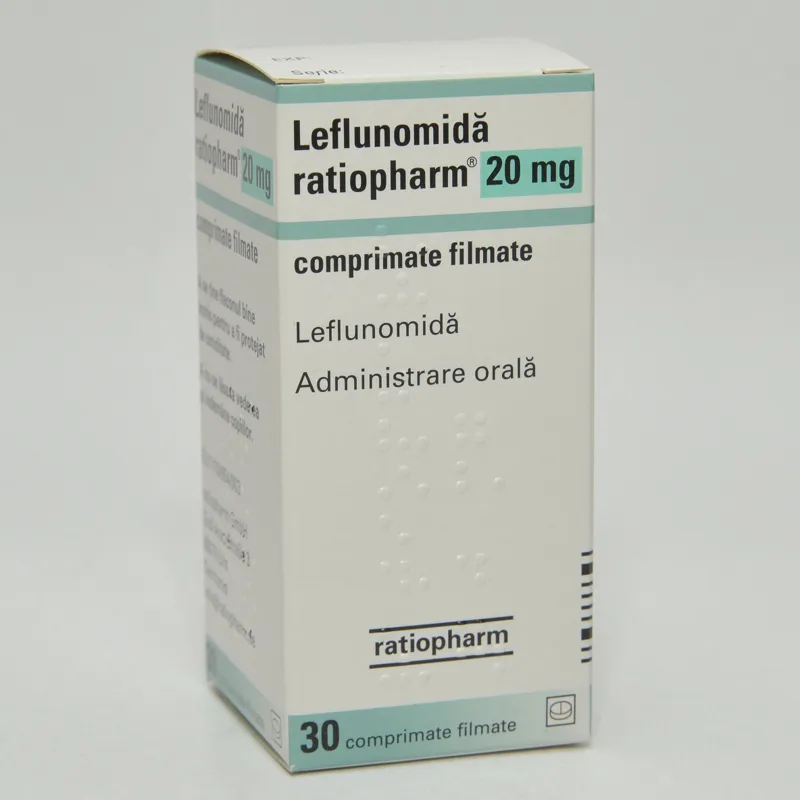
Table of Contents
Package leaflet: Information for the user
Leflunomide ratiopharm 10 mg film-coated tablets
leflunomide
Read this leaflet carefully before taking this medicine because it contains
important information for you.
- Keep this leaflet. You may need to read it again.
- If you have any questions, ask your doctor, pharmacist, or nurse.
- This medicine has been prescribed for you only. Do not give it to other people, even if they have the same symptoms as yours, because it may be harmful.
- If you experience any side effect, including those not listed in this leaflet, talk to your doctor, pharmacist, or nurse. See section 4.
Contents of this leaflet:
- What Leflunomide ratiopharm is and what it is used for
- What you need to know before taking Leflunomide ratiopharm
- How to take Leflunomide ratiopharm
- Possible side effects
- How to store Leflunomide ratiopharm
- Contents of the pack and other information
1. What Leflunomide ratiopharm is and what it is used for
Leflunomide ratiopharm contains the active substance leflunomide, which belongs to a group of
medicines called disease-modifying antirheumatic drugs (DMARDs).
Leflunomide ratiopharm is used to treat adult patients with active rheumatoid arthritis or active psoriatic arthritis.
Symptoms of rheumatoid arthritis include joint inflammation, swelling, limited mobility, and pain. Other symptoms that may affect the whole body include loss of appetite, fever, weakness, and anaemia (reduction in the number of red blood cells).
Symptoms of active psoriatic arthritis include joint inflammation, swelling, limited mobility, pain, and red, scaly skin patches (skin lesions).
2. What you need to know before taking Leflunomide ratiopharm
Do not take Leflunomide ratiopharm:
- if you have previously had an allergic reaction to leflunomide (especially a severe skin reaction, often accompanied by fever, joint pain, red skin rashes or blisters, for example Stevens-Johnson syndrome), to peanuts or soya, or to any of the other ingredients of this medicine (listed in section 6), or if you are allergic to teriflunomide (used to treat multiple sclerosis),
- if you have any liver problems,
- if you have moderate or severe kidney problems,
- if you have extremely low levels of proteins in the blood (hypoproteinemia),
- if you suffer from any condition affecting your immune system (e.g. AIDS),
- if you have any bone marrow disorder or if you have low numbers of red blood cells or white blood cells, or a reduced platelet count,
- if you have a serious infection,
- if you are pregnant, planning to become pregnant, or breastfeeding.
Warnings and precautions
Talk to your doctor, pharmacist, or nurse before taking Leflunomide ratiopharm
- if you have ever suffered from lung inflammation (interstitial lung disease).
- if you have ever had tuberculosis or have been in close contact with someone who has or has had tuberculosis. Your doctor may perform tests to check whether you have tuberculosis.
- if you are male and intend to father a child. Since it cannot be ruled out that Leflunomide ratiopharm passes into semen, you must use a reliable contraceptive method during treatment with Leflunomide ratiopharm. Men who intend to father a child should contact their doctor, who may advise stopping treatment with Leflunomide ratiopharm and taking certain medications to rapidly and sufficiently eliminate Leflunomide ratiopharm from the body. After this, you will need a blood test to confirm that Leflunomide ratiopharm has been sufficiently eliminated from your body, and then wait at least another 3 months before trying to conceive.
- if you are due to have a specific blood test (calcium level). False low calcium levels may be observed.
- if you are scheduled for or have recently undergone major surgery or if you still have an unhealed surgical wound. Leflunomide ratiopharm may impair wound healing.
Rarely, Leflunomide ratiopharm can cause problems affecting the blood, liver, lungs, or nerves in the arms or legs. Leflunomide ratiopharm may also cause certain severe allergic reactions (including drug reaction with eosinophilia and systemic symptoms [DRESS]) or increase the risk of serious infections. For further information, see section 4 (Possible side effects).
DRESS syndrome initially presents with flu-like symptoms and a rash on the face, followed by widespread rash, fever, elevated liver enzyme levels and increased levels of a type of white blood cell (eosinophilia) in blood tests, and swollen lymph nodes.
Before starting and during treatment with Leflunomide ratiopharm, your doctor will prescribe regular blood tests to monitor blood cells and liver function. Your doctor will also regularly check your blood pressure, as Leflunomide ratiopharm may cause an increase in blood pressure.
Inform your doctor if you develop unexplained chronic diarrhoea. Your doctor may carry out additional tests for differential diagnosis.
Inform your doctor if a skin ulcer develops during treatment with Leflunomide ratiopharm (see also section 4).
Children and adolescents
The use of Leflunomide ratiopharm is not recommended in children and adolescents under 18 years of age.
Other medicines and Leflunomide ratiopharm
Tell your doctor or pharmacist if you are taking, have recently taken, or might take any other medicines. This includes medicines purchased without a prescription.
This information is particularly important if you are taking:
- other medicines for the treatment of rheumatoid arthritis such as antimalarials (e.g. chloroquine and hydroxychloroquine), gold salts administered intramuscularly or orally, D-penicillamine, azathioprine, and other immunosuppressive medicines (e.g. methotrexate), as these combinations are not recommended,
- warfarin and other oral anticoagulants, as monitoring is required to reduce the risk of adverse effects of this medicine,
- teriflunomide for multiple sclerosis,
- repaglinide, pioglitazone, nateglinide, or rosiglitazone for diabetes,
- daunorubicin, doxorubicin, paclitaxel, or topotecan for cancer,
- duloxetine for depression, urinary incontinence, or diabetic kidney disease,
- alosetron for managing severe diarrhoea,
- theophylline for asthma,
- tizanidine, to relax muscles,
- oral contraceptives (containing ethinylestradiol and levonorgestrel),
- cefaclor, benzylpenicillin (penicillin G), ciprofloxacin for infections,
- indometacin, ketoprofen for pain or inflammation,
- furosemide for heart disease (diuretic),
- zidovudine for HIV infection,
- rosuvastatin, simvastatin, atorvastatin, pravastatin for hypercholesterolemia (high cholesterol),
- sulfasalazine for inflammatory bowel disease or rheumatoid arthritis,
- a medicine called cholestyramine (used to lower cholesterol) or activated charcoal, as these medicines may reduce the amount of Leflunomide ratiopharm absorbed by the body.
If you are already taking non-steroidal anti-inflammatory drugs (NSAIDs) and/or corticosteroids, you may continue taking them after starting treatment with Leflunomide ratiopharm.
Vaccinations
If you need to be vaccinated, consult your doctor. Certain vaccinations should not be given while you are taking Leflunomide ratiopharm, and for a certain period after stopping treatment.
Leflunomide ratiopharm with food, drinks and alcohol
Leflunomide ratiopharm can be taken with or without food.
It is recommended not to drink alcohol during treatment with Leflunomide ratiopharm. Drinking alcohol while taking Leflunomide ratiopharm may increase the risk of liver damage.
Pregnancy and breastfeeding
Do not take Leflunomide ratiopharm if you are pregnant or think you might be pregnant. If you are pregnant or become pregnant while being treated with Leflunomide ratiopharm, the risk of having a baby with serious birth defects is increased. Women of childbearing potential must not take Leflunomide ratiopharm without using reliable contraceptive measures.
If you plan to become pregnant after stopping treatment with Leflunomide ratiopharm, it is important to inform your doctor in advance, as you must ensure that all traces of Leflunomide ratiopharm have been eliminated from your body before attempting to conceive. Elimination of Leflunomide ratiopharm may take up to two years. This period can be reduced to a few weeks by taking certain medicines that accelerate the removal of Leflunomide ratiopharm from your body.
In either case, before becoming pregnant, blood tests must confirm that Leflunomide ratiopharm has been sufficiently eliminated from your body, and after that, you must wait at least one additional month.
For further information on laboratory tests, contact your doctor.
If you suspect you are pregnant while being treated with Leflunomide ratiopharm or within two years after stopping treatment, you must inform your doctor immediately, who will arrange for you to have a pregnancy test. If this confirms that you are pregnant, your doctor will advise treatment with certain medicines to rapidly and sufficiently eliminate Leflunomide ratiopharm from your body, thereby reducing the risk to your baby.
Do not take Leflunomide ratiopharm during breastfeeding, as leflunomide passes into breast milk.
Driving and using machines
Leflunomide ratiopharm may make you feel unsteady, and this sensation may affect your ability to concentrate and react. In this case, do not drive and do not operate machinery.
Leflunomide ratiopharm contains lactose
If you have been told by your doctor that you have an intolerance to certain sugars, contact your doctor before taking this medicine.
Leflunomide ratiopharm contains sodium
This medicine contains less than 1 mmol (23 mg) of sodium per film-coated tablet, i.e. it is essentially 'sodium-free'.
Leflunomide ratiopharm contains soya lecithin
Do not use this medicine if you are allergic to peanuts or soya.
3. How to take Leflunomide ratiopharm
Take this medicine exactly as directed by your doctor or pharmacist. If
you have any doubts, consult your doctor or pharmacist.
The initial dose of Leflunomide ratiopharm is usually 100 mg once daily for the first three
days. Afterwards, most patients require:
- for rheumatoid arthritis: a daily dose of 10 or 20 mg of Leflunomide ratiopharm, depending on the severity of the disease.
- for psoriatic arthritis: a daily dose of 20 mg of Leflunomide ratiopharm.
Take the tablet whole with plenty of water.
It may take about 4 weeks or longer before you begin to notice an
improvement in your condition. Some patients may experience further improvement even
after 4–6 months of treatment.
Generally, Leflunomide ratiopharm is taken for long periods of time.
If you take more Leflunomide ratiopharm than you should
If you take more Leflunomide ratiopharm than recommended, contact your doctor or
seek medical advice immediately. If possible, bring the tablets or the packaging with you to show the doctor.
If you forget to take Leflunomide ratiopharm
If you forget to take a dose, take it as soon as you remember, unless it is almost time for your next dose. Do not take a double dose to make up for the forgotten dose.
If you have any questions about the use of this medicine, ask your doctor, pharmacist, or
nurse.
4. Possible adverse effects
Like all medicines, this medicine can cause adverse effects, although not everyone experiences them.
Stop treatment with Leflunomide ratiopharm and contact your doctor immediately if you:
- feel weak, lightheaded or dizzy, or have difficulty breathing, as these symptoms may indicate a severe allergic reaction,
- develop skin rash or mouth ulcers, as these may be signs of serious, sometimes fatal, allergic reactions (e.g. Stevens-Johnson syndrome, toxic epidermal necrolysis, erythema multiforme, drug reaction with eosinophilia and systemic symptoms [DRESS]), see section 2.
Contact your doctor immediately if you experience:
- pallor, fatigue or bruising, as these may indicate blood disorders due to an imbalance in the different types of blood cells,
- fatigue, abdominal pain or jaundice (yellowing of the eyes or skin), as these may indicate serious liver problems such as liver failure, which can be fatal,
- any signs of infection such as fever, sore throat or cough, as this medicine may increase the risk of serious, life-threatening infections,
- cough or breathing difficulties, as these may indicate lung problems (interstitial lung disease or pulmonary hypertension),
- unusual tingling, weakness or pain in the hands or feet, as these may indicate nerve problems (peripheral neuropathy).
Common adverse effects (may affect up to 1 in 10 people)
- mild decrease in white blood cell count (leucopenia),
- moderate allergic reactions,
- loss of appetite, decreased body weight (usually not significant),
- fatigue (asthenia),
- headache, dizziness,
- abnormal skin sensations such as tingling (paraesthesiae),
- moderate increase in blood pressure,
- colitis,
- diarrhoea,
- nausea, vomiting,
- inflammation of the mouth or mouth ulcers,
- abdominal pain,
- increased values in some liver function tests,
- increased hair loss,
- eczema, dry skin, redness, itching,
- tendinitis (pain due to inflammation of the sheath covering tendons, usually in hands or feet),
- increased levels of certain blood enzymes (creatine phosphokinase),
- nerve problems in arms or legs (peripheral neuropathy).
Uncommon adverse effects (may affect up to 1 in 100 people)
- decrease in red blood cell count (anaemia) and decrease in platelet count (thrombocytopenia),
- decreased potassium levels in the blood,
- anxiety,
- taste disturbances,
- urticaria (itchy red rash),
- tendon rupture,
- increased levels of fats in the blood (cholesterol and triglycerides),
- decreased phosphate levels in the blood.
Rare adverse effects (may affect up to 1 in 1,000 people)
- increase in a type of white blood cell called eosinophils (eosinophilia); mild decrease in white blood cell count (leucopenia); reduction in all types of blood cells (pancytopenia),
- increased blood pressure,
- lung inflammation (interstitial lung disease),
- increased liver function test values that may lead to serious clinical conditions such as hepatitis and jaundice,
- severe infections known as sepsis, which may be fatal,
- increased levels of certain blood enzymes (lactate dehydrogenase).
Very rare adverse effects (may affect up to 1 in 10,000 people)
- marked decrease in certain white blood cells (agranulocytosis),
- severe and potentially life-threatening allergic reactions,
- inflammation of blood vessels (vasculitis, including necrotizing cutaneous vasculitis),
- inflammation of the pancreas (pancreatitis),
- severe liver damage such as liver failure or necrosis, which may be fatal,
- severe, sometimes fatal, reactions (Stevens-Johnson syndrome, toxic epidermal necrolysis, erythema multiforme).
Other adverse effects such as renal failure, decreased levels of uric acid in the blood,
male infertility (which is reversible when treatment with this medicine is stopped),
cutaneous lupus (characterized by rash/erythema in skin areas exposed to light), psoriasis
(onset or worsening), DRESS, and skin ulcer (a round, open sore in the skin through which underlying tissue can be seen) may occur with an unknown frequency.
Reporting of adverse effects
If you experience any adverse effect, including those not listed in this leaflet, contact your doctor or pharmacist. You can also report adverse effects directly via the national reporting system detailed in Annex V. By reporting adverse effects, you can help provide more information on the safety of this medicine.
5. How to store Leflunomide ratiopharm
Keep this medicine out of the sight and reach of children.
Do not use this medicine after the expiry date stated on the outer packaging and on the
bottle after Exp. The expiry date refers to the last day of that month.
Keep the bottle tightly closed to protect the medicine from moisture.
Do not dispose of medicines via wastewater or household waste. Ask your pharmacist how to
dispose of medicines you no longer use. This will help protect the environment.
6. Package Contents and Other Information
What Leflunomide ratiopharm Contains
- The active substance is leflunomide. Each tablet contains 10 mg of leflunomide.
- The other components are: monohydrate lactose, low-substituted hydroxypropylcellulose, tartaric acid, sodium lauryl sulfate, and magnesium stearate in the tablet core, as well as lecithin (soybean seeds), poly(vinyl alcohol), talc, titanium dioxide (E171), and xanthan gum in the film coating.
Description of the Appearance of Leflunomide ratiopharm and Contents of the Package
Leflunomide ratiopharm 10 mg film-coated tablets are white or almost white, round, with a diameter of approximately 6 mm.
The tablets are packed in bottles.
Pack sizes of 30 or 100 film-coated tablets per bottle are available.
It is possible that not all pack sizes are marketed.
Marketing Authorization Holder
ratiopharm GmbH
Graf-Arco-Straße 3,
89079 Ulm
Germany
Manufacturer
Haupt Pharma Münster GmbH
Schleebrüggenkamp 15
48159 Münster
Germany
Merckle GmbH
Ludwig-Merckle-Straße 3
89143 Blaubeuren
Germany
For further information about this medicinal product, please contact the local representative of the marketing authorization holder.
België/Belgique/Belgien Lietuva
Teva Pharma Belgium N.V./S.A./AG UAB Teva Baltics
Tél/Tel: +32 38207373 Tel: +370 52660203
България Luxembourg/Luxemburg
Тева Фарма ЕАД ratiopharm GmbH
Teл.: +359 24899585 Allemagne/Deutschland
Tél/Tel: +49 73140202
Česká republika Magyarország
Teva Pharmaceuticals CR, s.r.o. Teva Gyógyszergyár Zrt.
Tel: +420 251007111 Tel.: +36 12886400
Danmark Malta
Teva Denmark A/S Teva Pharmaceuticals Ireland
Tlf.: +45 44985511 L-Irlanda
Tel: +44 2075407117
Deutschland Nederland
ratiopharm GmbH Teva Nederland B.V.
Tel: +49 73140202 Tel: +31 8000228400
Eesti Norge
UAB Teva Baltics Eesti filiaal Teva Norway AS
Tel: +372 6610801 Tlf: +47 66775590
Ελλάδα Österreich
TEVA HELLAS A.E. ratiopharm Arzneimittel Vertriebs-GmbH
Τηλ: +30 2118805000 Tel: +43 1970070
España Polska
Teva Pharma, S.L.U. Teva Pharmaceuticals Polska Sp. z o.o.
Tel: +34 913873280 Tel.: +48 223459300
France Portugal
Teva Santé ratiopharm - Comércio e Indústria de Produtos
Tél: +33 155917800 Farmacêuticos, Lda.
Tel: +351 214767550
Hrvatska România
Pliva Hrvatska d.o.o. Teva Pharmaceuticals S.R.L.
Tel: +385 13720000 Tel: +40 212306524
Ireland Slovenija
Teva Pharmaceuticals Ireland Pliva Ljubljana d.o.o.
Tel: +44 2075407117 Tel: +386 15890390
Ísland Slovenská republika
Teva Pharma Iceland ehf. TEVA Pharmaceuticals Slovakia s.r.o.
Sími: +354 5503300 Tel: +421 257267911
Italia Suomi/Finland
Teva Italia S.r.l. Teva Finland Oy
Tel: +39 028917981 Puh/Tel: +358 201805900
Κύπρος Sverige
TEVA HELLAS A.E. Teva Sweden AB
Ελλάδα Tel: +46 42121100
Τηλ: +30 2118805000
Latvija United Kingdom (Northern Ireland)
UAB Teva Baltics filiāle Latvijā Teva Pharmaceuticals Ireland
Tel: +371 67323666 Ireland
Tel: +44 2075407117
Other Sources of Information
More detailed information on this medicinal product is available on the website of the European Medicines Agency: https://www.ema.europa.eu .
Package leaflet: information for the user
Leflunomide ratiopharm 20 mg film-coated tablets
leflunomide
Please read this leaflet carefully before taking this medicine because it contains
important information for you.
- Keep this leaflet. You may need to read it again.
- If you have any questions, ask your doctor, pharmacist, or nurse.
- This medicine has been prescribed for you only. Do not give it to other people, even if their symptoms are the same as yours, as it could be harmful.
- If you experience any side effect, including those not listed in this leaflet, talk to your doctor, pharmacist, or nurse. See section 4.
Contents of this leaflet:
- What Leflunomide ratiopharm is and what it is used for
- What you need to know before taking Leflunomide ratiopharm
- How to take Leflunomide ratiopharm
- Possible side effects
- How to store Leflunomide ratiopharm
- Contents of the pack and other information
1. What Leflunomide ratiopharm is and what it is used for
Leflunomide ratiopharm contains the active substance leflunomide, which belongs to a group of
medicines called disease-modifying antirheumatic drugs (DMARDs).
Leflunomide ratiopharm is used to treat adult patients with active rheumatoid arthritis or active psoriatic arthritis.
Symptoms of rheumatoid arthritis include joint inflammation, swelling, limited mobility, and pain. Other symptoms that may affect the whole body include loss of appetite, fever, weakness, and anaemia (reduction in the number of red blood cells).
Symptoms of active psoriatic arthritis include joint inflammation, swelling, limited mobility, pain, and red, scaly skin patches (skin lesions).
2. What you need to know before taking Leflunomide ratiopharm
Do not take Leflunomide ratiopharm:
- if you have previously experienced an allergic reaction to leflunomide (especially a severe skin reaction, often accompanied by fever, joint pain, red skin spots or blisters, for example Stevens-Johnson syndrome), to peanuts or soy, or to any of the other ingredients of this medicine (listed in section 6), or if you are allergic to teriflunomide (used to treat multiple sclerosis),
- if you have any liver problems,
- if you have moderate or severe kidney problems,
- if you have extremely low blood protein levels (hypoproteinemia),
- if you suffer from any condition affecting your immune system (e.g. AIDS),
- if you have any bone marrow disorder, or if your red or white blood cell count is low, or if your platelet count is reduced,
- if you have a serious infection,
- if you are pregnant, planning to become pregnant, or breastfeeding.
Warnings and precautions
Talk to your doctor, pharmacist, or nurse before taking Leflunomide ratiopharm
- if you have ever had lung inflammation (interstitial lung disease).
- if you have ever had tuberculosis or have been in close contact with someone who has or has had tuberculosis. Your doctor may perform tests to check for tuberculosis.
- if you are male and intend to father a child. Since it cannot be ruled out that Leflunomide ratiopharm passes into semen, you must use a reliable contraceptive method during treatment with Leflunomide ratiopharm. Men who intend to father a child should contact their doctor, who may advise stopping treatment with Leflunomide ratiopharm and taking certain medications to rapidly and sufficiently eliminate Leflunomide ratiopharm from the body. After this, you will need a blood test to confirm that Leflunomide ratiopharm has been sufficiently eliminated from your body, and then wait at least another 3 months before trying to conceive.
- if you are due to undergo a specific blood test (calcium levels). False low calcium levels may be observed.
- if you are scheduled for or have recently undergone major surgery, or if you still have an unhealed surgical wound. Leflunomide ratiopharm may impair wound healing.
Rarely, Leflunomide ratiopharm may cause problems affecting the blood, liver, lungs, or nerves in the arms or legs. Leflunomide ratiopharm may also cause severe allergic reactions (including drug reaction with eosinophilia and systemic symptoms [DRESS]), or increase the risk of serious infections. For further information, see section 4 (Possible side effects).
DRESS syndrome initially presents with flu-like symptoms and a facial rash, followed by widespread rash, fever, elevated liver enzymes and eosinophilia (increased white blood cells) in blood tests, and swollen lymph nodes.
Before starting and during treatment with Leflunomide ratiopharm, your doctor will prescribe regular blood tests to monitor blood cells and liver function. Your doctor will also regularly check your blood pressure, as Leflunomide ratiopharm may cause an increase in blood pressure.
Inform your doctor if you develop unexplained chronic diarrhea. Your doctor may perform additional tests for differential diagnosis.
Inform your doctor if a skin ulcer develops during treatment with Leflunomide ratiopharm (see also section 4).
Children and adolescents
The use of Leflunomide ratiopharm is not recommended in children and adolescents under 18 years of age.
Other medicines and Leflunomide ratiopharm
Tell your doctor or pharmacist if you are taking, have recently taken, or might take any other medicines, including those obtained without a prescription.
This information is particularly important if you are taking:
- other medicines for the treatment of rheumatoid arthritis, such as antimalarials (e.g. chloroquine and hydroxychloroquine), gold salts administered intramuscularly or orally,
D-penicillamine, azathioprine, and other immunosuppressive medicines (e.g. methotrexate),
as these combinations are not recommended, - warfarin and other oral anticoagulants, as monitoring is required to reduce the risk of adverse effects,
- teriflunomide for multiple sclerosis,
- repaglinide, pioglitazone, nateglinide, or rosiglitazone for diabetes,
- daunorubicin, doxorubicin, paclitaxel, or topotecan for cancer,
- duloxetine for depression, urinary incontinence, or diabetic kidney disease,
- alosetron for managing severe diarrhea,
- theophylline for asthma,
- tizanidine, to relax muscles,
- oral contraceptives (containing ethinylestradiol and levonorgestrel),
- cefaclor, benzylpenicillin (penicillin G), ciprofloxacin for infections,
- indometacin, ketoprofen for pain or inflammation,
- furosemide for heart disease (diuretic),
- zidovudine for HIV infection,
- rosuvastatin, simvastatin, atorvastatin, pravastatin for hypercholesterolemia (high cholesterol),
- sulfasalazine for inflammatory bowel disease or rheumatoid arthritis,
- a medicine called cholestyramine (used to lower cholesterol) or activated charcoal, as these medicines may reduce the amount of Leflunomide ratiopharm absorbed by the body.
If you are already taking non-steroidal anti-inflammatory drugs (NSAIDs) and/or corticosteroids, you may continue taking them after starting Leflunomide ratiopharm treatment.
Vaccinations
If you need to be vaccinated, consult your doctor. Certain vaccinations should not be given while you are taking Leflunomide ratiopharm, and for a certain period after stopping treatment.
Leflunomide ratiopharm with food, drinks and alcohol
Leflunomide ratiopharm may be taken with or without food.
You are advised not to drink alcohol during treatment with Leflunomide ratiopharm. Drinking alcohol while taking Leflunomide ratiopharm may increase the risk of liver damage.
Pregnancy and breastfeeding
Do not take Leflunomide ratiopharm if you are pregnant or think you might be pregnant. If you are pregnant or become pregnant while taking Leflunomide ratiopharm, the risk of having a baby with serious birth defects is increased. Women of childbearing potential must not take Leflunomide ratiopharm without using reliable contraceptive measures.
If you plan to become pregnant after stopping treatment with Leflunomide ratiopharm, it is important to inform your doctor in advance, as you must ensure that all traces of Leflunomide ratiopharm have been eliminated from your body before attempting to conceive. Elimination of Leflunomide ratiopharm may take up to two years. This period can be reduced to a few weeks by taking certain medications that accelerate the removal of Leflunomide ratiopharm from your body.
In either case, blood tests must confirm that Leflunomide ratiopharm has been sufficiently eliminated from your body before you become pregnant, and you must then wait at least another month.
For further information on laboratory tests, contact your doctor.
If you suspect you are pregnant during treatment with Leflunomide ratiopharm or within two years after stopping treatment, you must inform your doctor immediately, who will arrange for a pregnancy test. If pregnancy is confirmed, your doctor will advise treatment with certain medications to rapidly and sufficiently eliminate Leflunomide ratiopharm from your body, thereby reducing the risk to your baby.
Do not take Leflunomide ratiopharm during breastfeeding, as leflunomide passes into breast milk.
Driving and using machines
Leflunomide ratiopharm may make you feel unsteady, and this sensation may affect your ability to concentrate and react. In this case, do not drive or operate machinery.
Leflunomide ratiopharm contains lactose
If you have been told by your doctor that you have an intolerance to certain sugars, consult your doctor before taking this medicine.
Leflunomide ratiopharm contains sodium
This medicine contains less than 1 mmol (23 mg) of sodium per film-coated tablet, i.e. it is essentially ‘sodium-free’.
Leflunomide ratiopharm contains soya lecithin
Do not use this medicine if you are allergic to peanuts or soya.
3. How to take Leflunomide ratiopharm
Take this medicine exactly as instructed by your doctor or pharmacist. If you have any doubts, consult your doctor or pharmacist.
The initial dose of Leflunomide ratiopharm is usually 100 mg once daily for the first three days. Afterwards, most patients require:
- for rheumatoid arthritis: a daily dose of 10 or 20 mg of Leflunomide ratiopharm, depending on the severity of the disease.
- for psoriatic arthritis: a daily dose of 20 mg of Leflunomide ratiopharm.
Take the tablet with plenty of water.
It may take approximately 4 weeks or longer before you begin to notice an improvement in your condition. Some patients may experience further improvement even after 4–6 months of treatment.
Generally, Leflunomide ratiopharm is taken for long periods of time.
If you take more Leflunomide ratiopharm than you should
If you take more Leflunomide ratiopharm than prescribed, contact your doctor or seek medical advice immediately. If possible, bring the tablets or the packaging with you to show the doctor.
If you forget to take Leflunomide ratiopharm
If you forget to take a dose, take it as soon as you remember, unless it is almost time for your next dose. Do not take a double dose to make up for a forgotten dose.
If you have any questions about how to use this medicine, ask your doctor, pharmacist, or nurse.
4. Possible side effects
Like all medicines, this medicine can cause side effects, although not everyone gets them.
Stop treatment with Leflunomide ratiopharm and contact your doctor immediately if you:
- experience a feeling of weakness, lightheadedness or dizziness, or have difficulty breathing, as these signs may indicate a severe allergic reaction,
- develop skin rash or mouth ulcerations, as these signs may indicate serious, sometimes fatal, allergic reactions (e.g. Stevens-Johnson syndrome, toxic epidermal necrolysis, erythema multiforme, drug reaction with eosinophilia and systemic symptoms [DRESS]), see section 2.
Contact your doctor immediately if you experience:
- pallor, fatigue or bruising, as these may indicate blood disorders caused by an imbalance between the different types of blood cells,
- fatigue, abdominal pain or jaundice (yellowing of the eyes or skin), as these may indicate serious liver disease, which can be fatal,
- any signs of infection such as fever, sore throat or cough, as this medicine may increase the risk of serious, potentially life-threatening infections,
- cough or breathing difficulties, as these may indicate lung problems (interstitial lung disease or pulmonary hypertension),
- tingling, unusual weakness or pain in the hands or feet, as these may indicate nerve problems (peripheral neuropathy).
Common side effects (may affect up to 1 in 10 people)
- mild decrease in white blood cell count (leucopenia),
- mild allergic reactions,
- loss of appetite, decrease in body weight (usually not significant),
- fatigue (asthenia),
- headache, dizziness,
- abnormal skin sensations such as tingling (paraesthesia),
- moderate increase in blood pressure,
- colitis,
- diarrhoea,
- nausea, vomiting,
- mouth inflammation or mouth ulcerations,
- abdominal pain,
- increased values in some liver function tests,
- increased hair loss,
- eczema, dry skin, redness, itching,
- tendinitis (pain due to inflammation of the sheath covering tendons, usually in feet or hands),
- increased levels of certain blood enzymes (creatine phosphokinase),
- nerve problems in arms or legs (peripheral neuropathy).
Uncommon side effects (may affect up to 1 in 100 people)
- decrease in red blood cell count (anaemia) and decrease in platelet count (thrombocytopenia),
- decreased potassium levels in the blood,
- anxiety,
- taste disturbances,
- urticaria (red, itchy rash),
- tendon rupture,
- increased levels of fats in the blood (cholesterol and triglycerides),
- decreased phosphate levels in the blood.
Rare side effects (may affect up to 1 in 1,000 people)
- increase in blood cells called eosinophils (eosinophilia); mild decrease in white blood cell count (leucopenia); reduction in all blood cell counts (pancytopenia),
- increased blood pressure,
- lung inflammation (interstitial lung disease),
- increased liver function test values that may lead to serious clinical conditions such as hepatitis and jaundice,
- severe infections known as sepsis, which can be fatal,
- increased levels of certain blood enzymes (lactate dehydrogenase).
Very rare side effects (may affect up to 1 in 10,000 people)
- marked decrease in certain white blood cells (agranulocytosis),
- severe and potentially life-threatening allergic reactions,
- inflammation of blood vessels (vasculitis, including necrotizing cutaneous vasculitis),
- inflammation of the pancreas (pancreatitis),
- severe liver damage such as liver failure or necrosis, which can be fatal,
- severe, sometimes fatal, reactions (Stevens-Johnson syndrome, toxic epidermal necrolysis, erythema multiforme).
Other side effects such as kidney failure, decreased levels of uric acid in the blood,
male infertility (which is reversible when treatment with this medicine is stopped),
cutaneous lupus (characterised by rash/erythema in skin areas exposed to light), psoriasis
(onset or worsening), DRESS, and skin ulcer (a round, open sore in the skin through which underlying tissues are visible) may occur at an unknown frequency.
Reporting of side effects
If you experience any side effect, including those not listed in this leaflet, talk to your doctor or pharmacist. You can also report side effects directly via the national reporting system listed in Annex V. By reporting side effects, you help provide more information on the safety of this medicine.
5. How to store Leflunomide ratiopharm
Keep this medicine out of the sight and reach of children.
Do not use this medicine after the expiry date stated on the outer packaging and on the
bottle after Exp. The expiry date refers to the last day of that month.
Keep the bottle tightly closed to protect the medicine from moisture.
Do not dispose of medicines via wastewater or household waste. Ask your pharmacist how to
dispose of medicines no longer required. This will help protect the environment.
6. Package contents and other information
What Leflunomide ratiopharm contains
- The active substance is leflunomide. Each tablet contains 20 mg of leflunomide.
- The other components are: monohydrate lactose, low-substituted hydroxypropylcellulose, tartaric acid, sodium lauryl sulfate, and magnesium stearate in the tablet core, as well as
lecithin (soybean seeds), poly(vinyl alcohol), talc, titanium dioxide (E171), and xanthan gum
in the coating.
Description of the appearance of Leflunomide ratiopharm and package contents
Leflunomide ratiopharm 20 mg film-coated tablets are white or almost white, round, with a diameter of approximately 8 mm and a score line on one side of the tablet.
The tablet can be divided into two equal parts.
The tablets are packed in bottles.
Pack sizes of 30 or 100 film-coated tablets per bottle are available.
Not all pack sizes may be marketed.
Marketing Authorization Holder
ratiopharm GmbH
Graf-Arco-Straße 3,
89079 Ulm
Germany
Manufacturer
Haupt Pharma Münster GmbH
Schleebrüggenkamp 15
48159 Münster
Germany
Merckle GmbH
Ludwig-Merckle-Straße 3
89143 Blaubeuren
Germany
For further information on this medicinal product, please contact the local representative of the Marketing Authorization Holder.
België/Belgique/Belgien Lietuva
Teva Pharma Belgium N.V./S.A./AG UAB Teva Baltics
Tél/Tel: +32 38207373 Tel: +370 52660203
България Luxembourg/Luxemburg
Тева Фарма ЕАД ratiopharm GmbH
Teл.: +359 24899585 Allemagne/Deutschland
Tél/Tel: +49 73140202
Česká republika Magyarország
Teva Pharmaceuticals CR, s.r.o. Teva Gyógyszergyár Zrt.
Tel: +420 251007111 Tel.: +36 12886400
Danmark Malta
Teva Denmark A/S Teva Pharmaceuticals Ireland
Tlf.: +45 44985511 L-Irlanda
Tel: +44 2075407117
Deutschland Nederland
ratiopharm GmbH Teva Nederland B.V.
Tel: +49 73140202 Tel: +31 8000228400
Eesti Norge
UAB Teva Baltics Eesti filiaal Teva Norway AS
Tel: +372 6610801 Tlf: +47 66775590
Ελλάδα Österreich
TEVA HELLAS A.E. ratiopharm Arzneimittel Vertriebs-GmbH
Τηλ: +30 2118805000 Tel: +43 1970070
España Polska
Teva Pharma, S.L.U. Teva Pharmaceuticals Polska Sp. z o.o.
Tel: +34 913873280 Tel.: +48 223459300
France Portugal
Teva Santé ratiopharm - Comércio e Indústria de Produtos
Tél: +33 155917800 Farmacêuticos, Lda.
Tel: +351 214767550
Hrvatska România
Pliva Hrvatska d.o.o. Teva Pharmaceuticals S.R.L.
Tel: +385 13720000 Tel: +40 212306524
Ireland Slovenija
Teva Pharmaceuticals Ireland Pliva Ljubljana d.o.o.
Tel: +44 2075407117 Tel: +386 15890390
Ísland Slovenská republika
Teva Pharma Iceland ehf. TEVA Pharmaceuticals Slovakia s.r.o.
Sími: +354 5503300 Tel: +421 257267911
Italia Suomi/Finland
Teva Italia S.r.l. Teva Finland Oy
Tel: +39 028917981 Puh/Tel: +358 201805900
Κύπρος Sverige
TEVA HELLAS A.E. Teva Sweden AB
Ελλάδα Tel: +46 42121100
Τηλ: +30 2118805000
Latvija United Kingdom (Northern Ireland)
UAB Teva Baltics filiāle Latvijā Teva Pharmaceuticals Ireland
Tel: +371 67323666 Ireland
Tel: +44 2075407117
Other sources of information
More detailed information on this medicinal product is available on the website of the European Medicines Agency, https://www.ema.europa.eu .