Brufen
Italy
Table of Contents
- Patient Information Leaflet
- BRUFEN 400 mg coated tablets
- Patient information leaflet: information for the patient
- BRUFEN 600 mg effervescent granules
- Patient Information Leaflet
- BRUFEN 600 mg coated tablets
- Patient information leaflet
- BRUFEN 800 mg prolonged-release coated tablets
- Patient information leaflet
- BRUFEN 20 mg/ml oral suspension
Patient Information Leaflet
BRUFEN 400 mg coated tablets
ibuprofen
Please read this leaflet carefully before taking this medicine because it contains important information for you.
- Keep this leaflet. You may need to read it again.
- If you have any questions, consult your doctor or pharmacist.
- This medicine has been prescribed for you only. Do not give it to other people, even if their symptoms are the same as yours, as it may be harmful.
- If you experience any side effects, including those not listed in this leaflet, consult your doctor or pharmacist. See section 4.
Contents of this leaflet:
- What BRUFEN is and what it is used for
- What you need to know before taking BRUFEN
- How to take BRUFEN
- Possible side effects
- How to store BRUFEN
- Contents of the pack and other information
1. What BRUFEN is and what it is used for
BRUFEN contains ibuprofen, an active substance belonging to a group of medicines called NSAIDs (non-steroidal anti-inflammatory drugs). NSAIDs are medicines used to relieve pain and inflammation.
BRUFEN is used to treat pain caused, for example, by:
- injuries (e.g. those caused by sports), toothache (e.g. following tooth extraction or dental and oral surgery), postpartum pain, menstrual pain, eye pain (e.g. following eye surgery), headache, pain after surgical procedures;
- rheumatic diseases such as inflammation of muscles, tendons, nerves, and joints (periarthritis, radiculoneuritis, tenosynovitis, myositis, fibrositis), back pain (lumbago), leg pain due to sciatic nerve inflammation (sciatica), degenerative joint diseases (osteoarthritis) such as cervical, dorsal, lumbar osteoarthritis, shoulder, hip, or knee osteoarthritis, or generalized osteoarthritis, a chronic progressive autoimmune disease primarily affecting the joints (rheumatoid arthritis), and a rare inflammatory disease called Still's disease.
2. What you need to know before taking BRUFEN
Do not take BRUFEN:
- if you are allergic to ibuprofen or to any of the other ingredients of this medicine (listed in section 6);
- if you have had allergic reactions after taking aspirin (acetylsalicylic acid), other painkillers, fever-reducing medicines, or other non-steroidal anti-inflammatory drugs (NSAIDs), especially if associated with nasal polyps, facial swelling (angioedema), and/or asthma;
- if you have a lesion in the wall of the stomach or intestine (severe or active peptic ulcer);
- if you have previously experienced an episode of perforation or bleeding in the stomach or intestine caused by taking medications;
- if you have had two or more separate episodes of bleeding or injury to the stomach or intestinal wall;
- if you have severe liver or kidney problems;
- if you suffer from serious heart problems (severe heart failure);
- if you have any condition that increases the risk of bleeding;
- if you are severely dehydrated, for example, after severe episodes of vomiting or diarrhoea, or if you drink very little;
- after the sixth month of pregnancy.
Do not use BRUFEN in children under 12 years of age.
Warnings and precautions
Talk to your doctor before taking BRUFEN if:
- you suffer from systemic lupus erythematosus (SLE) or mixed connective tissue disease, conditions affecting connective tissue causing joint or muscle pain, skin changes, and problems in other organs;
- you have had stomach or intestinal problems, such as ulcers, Crohn’s disease, or ulcerative colitis (see the section below titled PAY ATTENTION on gastrointestinal risks and “Do not take BRUFEN”);
- you have reduced kidney function;
- you have liver problems;
- you have blood clotting disorders;
- you have or have had allergies (e.g. hay fever);
- you have nasal inflammation (chronic rhinitis) or nasal polyps;
- you suffer from asthma or long-term (chronic) respiratory diseases;
- you are elderly, as you are more likely to experience adverse effects from this medicine, particularly bleeding and perforations of the stomach and intestine, which may be life-threatening (see the section below titled PAY ATTENTION on gastrointestinal risks);
- you have chickenpox, as pain and anti-inflammatory medicines (NSAIDs) may worsen the severity of skin lesions caused by it. In such cases, your doctor may advise against using this medicine;
- if you are a dehydrated adolescent or an elderly person, as you are more likely to experience kidney problems;
- you have an infection – see the section “Infections” below.
Heart attack and stroke
Anti-inflammatory/pain-relieving medicines such as ibuprofen may be associated with a small increased risk of heart attack or stroke, especially when administered at high doses. Do not exceed the recommended dose or duration of treatment.
You should discuss treatment with your doctor or pharmacist before taking BRUFEN if you have:
- heart problems, including heart attack, angina (chest pain), history of heart attack, coronary bypass surgery, peripheral arterial disease (poor circulation in legs or feet due to narrowing or blockage of arteries), or any type of stroke (including “mini-stroke” or “TIA”, transient ischaemic attack);
- high blood pressure, diabetes, high cholesterol, family history of heart disease or stroke, or if you are a smoker.
Signs of an allergic reaction to this medicine, including breathing difficulties, swelling of the face and neck (angioedema), and chest pain, have been reported with ibuprofen. Stop taking BRUFEN immediately and contact your doctor or emergency medical services right away if you notice any of these signs.
Skin reactions
Serious skin reactions have been reported during treatment with ibuprofen, including exfoliative dermatitis, erythema multiforme, Stevens-Johnson syndrome, toxic epidermal necrolysis, drug reaction with eosinophilia and systemic symptoms (DRESS), and acute generalized exanthematous pustulosis (AGEP).
Stop using BRUFEN and contact your doctor immediately if you notice any symptoms related to these serious skin reactions described in section 4.
Infections
BRUFEN may mask symptoms of infections such as fever and pain. Therefore, BRUFEN could delay appropriate treatment of the infection, potentially increasing the risk of complications. This has been observed in bacterial pneumonia and bacterial skin infections associated with chickenpox.
If you take this medicine while having an infection and infection symptoms persist or worsen, consult your doctor immediately.
PAY ATTENTION, because during treatment with all non-steroidal anti-inflammatory drugs for pain and inflammation (NSAIDs):
- at any time, with or without warning symptoms, even in patients without previous serious gastrointestinal problems (stomach or intestine), bleeding, ulceration, or perforation of the stomach or intestine may occur, which can be life-threatening (see section “Do not take BRUFEN”). If you are elderly or have previously experienced such problems, your risk of these events increases further if you take higher doses of the medicine. In this case, your doctor will advise starting treatment with the lowest available dose and may also prescribe a medicine to protect your stomach (gastroprotective agents such as misoprostol or proton pump inhibitors) to be taken alongside BRUFEN;
- although very rarely, serious skin reactions, some of which are fatal, have been reported, presenting as redness, blistering, and skin peeling (e.g. exfoliative dermatitis, Stevens-Johnson syndrome, and toxic epidermal necrolysis). Your risk of developing these reactions is higher in the early stages of treatment, particularly within the first month;
- serious allergic reactions (anaphylactoid reactions, up to anaphylactic shock) may occur;
- eye disorders may occur with the use of BRUFEN. Regular eye examinations are necessary during treatment, especially for prolonged therapy;
- headache may occur, particularly with prolonged use and at high doses; in such cases, do not increase the dose of BRUFEN to relieve pain.
If you have reduced function of the heart, liver, or kidneys (especially if you suffer from systemic lupus erythematosus), your doctor will prescribe periodic specific tests, particularly for long-term treatments, and will prescribe the lowest effective dose for the shortest possible duration needed to control symptoms.
The risk of unwanted effects can be reduced by using the lowest effective dose for the shortest duration necessary to control symptoms. Do not exceed the BRUFEN dose and do not take it for long periods; always follow your doctor’s instructions carefully.
STOP treatment and contact your doctor if:
- you notice any gastrointestinal symptoms, especially bleeding, particularly if this occurs early in treatment, if you are elderly, or if you have previously had gastrointestinal problems;
- a skin rash, mucosal lesions, or any other sign of an allergic reaction appears (e.g. redness, itching, swelling of the face and throat, sudden drop in blood pressure);
- you experience vision problems;
- you experience liver problems.
Children
Do not use BRUFEN in children under 12 years of age. If necessary, consult your doctor, as lower dosage forms are available for such patients.
Other medicines and BRUFEN
Tell your doctor or pharmacist if you are taking, have recently taken, or might take any other medicines.
BRUFEN may interact with or be affected by other medicines. For example:
- other medicines that reduce pain and inflammation (NSAIDs), including selective COX-2 inhibitors, as this may increase the risk of ulcers or gastrointestinal bleeding;
- cardiac glycosides (e.g. digoxin), medicines used for heart conditions;
- sulfonylureas, medicines used for diabetes;
- medicines with anticoagulant effects (i.e. substances that thin the blood and prevent clot formation, e.g. aspirin/acetylsalicylic acid, warfarin, ticlopidine);
- cyclosporine and tacrolimus, medicines that suppress the immune system;
- medicines that lower high blood pressure (ACE inhibitors such as captopril, beta-blockers such as atenolol, angiotensin II receptor antagonists such as losartan, diuretics);
- medicines containing cortisone or cortisone-like substances used to treat inflammation (corticosteroids);
- medicines called selective serotonin reuptake inhibitors (SSRIs), used as antidepressants;
- aminoglycoside and quinolone antibiotics;
- zidovudine and ritonavir, medicines used in HIV infections;
- methotrexate, used in cancer treatment and certain immune system disorders, e.g. rheumatoid arthritis;
- cholestyramine, a medicine used to lower blood cholesterol levels;
- lithium, used in depression;
- medicines that inhibit CYP2C9, such as voriconazole and fluconazole, used in fungal infections;
- Ginkgo biloba, a herbal extract used to improve circulation;
- probenecid, a medicine used for gout;
- phenytoin, a medicine used for epilepsy;
- bisphosphonates, medicines used to treat osteoporosis;
- oxpentifylline, a medicine used for blood vessel problems;
- baclofen, a medicine used to relax muscles;
- mifepristone, a medicine used for medical termination of pregnancy;
- moclobemide, a medicine used to treat depression.
Other medicines may also interact with or be affected by BRUFEN treatment. Therefore, always consult your doctor or pharmacist before taking BRUFEN with other medicines.
BRUFEN and alcohol
Some adverse effects, such as those affecting the stomach and intestine or the nervous system, may be more likely when alcohol is consumed during BRUFEN treatment.
Pregnancy, breastfeeding, and fertility
If you are pregnant, think you may be pregnant, are planning a pregnancy, or are breastfeeding, ask your doctor or pharmacist for advice before taking this medicine.
Pregnancy
- Do not use BRUFEN during the last three months of pregnancy, as this treatment may cause problems with the baby’s heart, lungs, or kidneys and complications during childbirth (see section 2 “Do not take BRUFEN”). It may affect your and your baby’s tendency to bleed and delay or prolong labour beyond expectations.
- During the first six months of pregnancy, take this medicine only if strictly necessary and under direct medical supervision, as treatment may negatively affect pregnancy and fetal development. If treatment is required during this period or during attempts to conceive, the lowest possible dose for the shortest possible time should be used. From week 20 of pregnancy, BRUFEN may cause kidney problems in the fetus if taken for more than a few days, leading to reduced levels of amniotic fluid surrounding the baby (oligohydramnios) or narrowing of
a blood vessel (ductus arteriosus) in the baby’s heart. If treatment is needed for more than a few days, your doctor may recommend additional monitoring.
Breastfeeding
- Avoid taking BRUFEN while breastfeeding, as the medicine may pass into breast milk in small amounts. Fertility
- If you are planning a pregnancy or have difficulty conceiving, consult your doctor, as this medicine may impair fertility. This effect is reversible upon discontinuation of the drug.
Driving and using machines
BRUFEN may cause adverse effects that could impair your reaction to stimuli, such as headache, drowsiness, dizziness, vertigo, fatigue, and visual disturbances. Make sure you do not experience any of these adverse effects before driving, operating machinery, or performing any activity requiring alertness. This is particularly important if you consume alcohol during BRUFEN treatment.
BRUFEN contains lactose
If your doctor has diagnosed you with an intolerance to certain sugars, contact them before taking this medicine.
BRUFEN contains less than 1 mmol (23 mg) of sodium per tablet, i.e. essentially “sodium-free”.
3. How to take BRUFEN
Take this medicine exactly as directed by your doctor. If you have any doubts, consult your doctor or pharmacist.
The lowest effective dose for the shortest duration necessary to relieve symptoms should be used. If you have an infection, contact your doctor immediately if symptoms (e.g. fever and pain) persist or worsen (see section 2).
Adults and children over 12 years of age
The recommended dose is 2–4 tablets per day, according to your doctor's advice. The maximum dose is 4 tablets per day.
Patients with kidney or liver problems
If you have kidney or liver problems, your doctor will decide the most appropriate dose for you, possibly reducing the doses indicated above. If you have severe kidney or liver problems, you must not take this medicine (see "Do not take BRUFEN").
Elderly patients
If you are elderly, your doctor will determine the most appropriate dose for you, possibly reducing the doses indicated above.
Method of administration
BRUFEN should be taken orally with a full glass of water. Swallow the tablets whole, without chewing, breaking, crushing, or sucking them.
If you are taking BRUFEN for rheumatic diseases, take the first dose in the morning upon waking and subsequent doses with meals.
If you take more BRUFEN than you should, or if your child has accidentally taken this medicine, contact your doctor or go to the nearest hospital immediately to obtain advice on the risk and necessary actions.
If you take excessive doses of BRUFEN, you may experience: nausea, stomach ache, vomiting (possibly with traces of blood), blood in the urine, low blood potassium levels, diarrhoea, abdominal or chest pain, gastrointestinal bleeding (see also section 4 below), heart problems such as low blood pressure or irregular heartbeat, liver or kidney problems, headache, ringing in the ears (tinnitus), confusion and involuntary, oscillating eye movements (nystagmus), decreased blood pH (metabolic acidosis), weakness and dizziness, fainting, seizures (especially in children), disorientation, state of excitement, breathing difficulties (even severe), symptoms of central nervous system depression such as drowsiness, feeling cold (hypothermia), loss of consciousness, deep sleep (lethargy), coma.
If you forget to take BRUFEN
Do not take a double dose to make up for the forgotten dose.
If you have any questions about the use of this medicine, consult your doctor or pharmacist.
4. Possible side effects
Like all medicines, this medicine can cause side effects, although not everyone gets them.
Serious side effects
Stop taking BRUFEN and contact your doctor immediately if you experience any of the following:
- severe stomach problems, burning or abdominal pain due to injury of the stomach or intestinal wall (peptic ulcer), sudden and severe pain in the upper abdomen or stomach area (gastrointestinal perforation). These side effects are uncommon;
- vomiting blood (haematemesis) or black stools (melena), bleeding from the stomach or intestines (gastrointestinal haemorrhage). These conditions are common side effects;
- allergic reactions, even severe ones, presenting as more or less sudden appearance of skin lesions, such as widespread redness or blotchy rash (rash, purpura), urticaria, itching, swelling of the face, eyes, lips, angioedema of the throat with possible difficulty breathing or swallowing. These occur with uncommon frequency. Rarely, a severe, potentially life-threatening allergic reaction may also occur, characterized by increased heart rate and sudden drop in blood pressure (anaphylactic reaction, anaphylaxis);
- severe skin rashes with redness, peeling and/or blister formation (e.g. erythema multiforme, Stevens-Johnson syndrome, toxic epidermal necrolysis, exfoliative and bullous dermatitis). These conditions occur very rarely;
- difficulty breathing (asthma, even severe, bronchospasm or dyspnoea). These are uncommon side effects;
- systemic lupus erythematosus (SLE), a disease affecting connective tissue causing joint or muscle pain, skin changes and problems in other organs. This condition occurs rarely;
- worsening of infections, such as development of necrotizing fasciitis, presenting with fever, chills, weakness, sweating, diarrhoea, vomiting, redness, pain, swelling, bruising in an area of the body due to tissue necrosis (death of tissue cells);
- inflammation of the meninges (aseptic meningitis), presenting with: high fever, sudden headache, inability to bend the neck, nausea, vomiting, confusion, drowsiness and light sensitivity. This condition occurs rarely;
- a serious skin reaction known as DRESS syndrome. Symptoms of DRESS include: skin rash, fever, swollen lymph nodes and increased eosinophils (a type of white blood cell);
- widespread, red, scaly rash with formation of pustules under the skin and blisters
mainly localized in skin folds, trunk and upper limbs, accompanied by fever at the beginning of treatment (generalized pustular eruption). Stop using BRUFEN if you develop these symptoms and contact your doctor immediately. See also section 2;
- flat, red, target-like or circular spots on the trunk, often with central blisters, skin peeling, mouth, throat, nose, genital and eye ulcers. These serious skin reactions may be preceded by fever and flu-like symptoms (exfoliative dermatitis, erythema multiforme, Stevens-Johnson syndrome, toxic epidermal necrolysis);
- chest pain, which may be a sign of a potentially serious allergic reaction called Kounis syndrome.
Other side effects
Tell your doctor if you notice any of the following:
Common side effects (may affect up to 1 in 10 people)
- nausea, vomiting, diarrhoea, intestinal gas (flatulence), difficulty passing stools (constipation), indigestion (dyspepsia), abdominal pain;
- headache, dizziness;
- fatigue.
Uncommon side effects (may affect up to 1 in 100 people)
- inflammation of the nose (rhinitis);
- inflammation of the stomach (gastritis), mouth ulcers;
- dizziness, drowsiness, difficulty falling asleep (insomnia), anxiety, altered sensation (paraesthesia);
- impaired hearing, ringing in the ears (tinnitus), vision disturbances;
- skin reaction following exposure to sunlight (photosensitivity);
- changes in liver function, yellowing of the eyes or skin (jaundice), dark urine, pale stools, itching or abdominal pain, inflammation of the liver (hepatitis);
- kidney problems such as nephrotic syndrome, inflammation of the kidney (tubulointerstitial nephritis), changes in function (renal failure).
Rare side effects (may affect up to 1 in 1,000 people)
- decreased number of white blood cells (leucopenia) or of certain types of white blood cells (neutropenia, agranulocytosis), decreased number of platelets (thrombocytopenia), decreased number of red blood cells due to destruction (haemolytic anaemia) or due to bone marrow problems (aplastic anaemia);
- depression, confusion;
- vision disturbances, for example due to inflammation of the optic nerve (optic neuritis) or toxic optic neuropathy;
- swelling (oedema).
Very rare side effects (may affect up to 1 in 10,000 people)
- reduced liver function, inflammation of the pancreas (pancreatitis);
- sensation of heart pounding (palpitations), heart attack (myocardial infarction), reduced heart function (heart failure), high blood pressure (hypertension);
- breathing problems due to fluid accumulation in the lungs (pulmonary oedema).
Other side effects
- pain or burning sensation (pyrosis) in the upper stomach, inflammation of the mouth mucosa with ulcers (ulcerative stomatitis);
- worsening of colonic inflammation (colitis) or Crohn's disease (frequency not known: frequency cannot be determined from available data);
- worsening of skin infections caused by chickenpox;
- stroke;
- hallucinations, malaise.
Reporting of side effects
If you experience any side effect, including those not listed in this leaflet, please talk to your doctor or pharmacist. You can also report side effects directly via the national reporting system at https://www.aifa.gov.it/content/segnalazioni-reazioni-avverse. By reporting side effects, you can help provide more information on the safety of this medicine.
5. How to store BRUFEN
Keep this medicine out of the sight and reach of children.
Do not use this medicine after the expiry date stated on the packaging. The expiry date refers to the last day of that month.
This medicine does not require any special storage conditions.
Do not dispose of any medicine via wastewater or household waste. Ask your pharmacist how to dispose of medicines you no longer use. This will help protect the environment.
6. Package contents and other information
What BRUFEN contains
The active substance is: ibuprofen.
Each coated tablet of BRUFEN contains: 400 mg of ibuprofen.
The other components are: microcrystalline cellulose, croscarmellose sodium, hydroxypropylmethylcellulose,
lactose, sodium lauryl sulfate, magnesium stearate, titanium dioxide (E171), anhydrous colloidal silica, talc.
Description of the appearance of BRUFEN and contents of the pack
This medicine is available in packs of 30 tablets in blisters.
Marketing Authorization Holder
Viatris Italia S.r.l.
Via Vittor Pisani 20
20124 Milano
Manufacturer
Famar A.V.E. – Anthoussa Avenue 7, Anthousa Attiki, 153 49 (Greece)
AbbVie S.r.l. – S.R. 148 Pontina, Km 52 snc 04011 Campoverde di Aprilia (LT) (alternative batch release only)
Mylan Hungary Kft. Mylan utca 1, Komárom, 2900 (Hungary)
Patient information leaflet: information for the patient
BRUFEN 600 mg effervescent granules
ibuprofen
Please read this leaflet carefully before taking this medicine because it contains important information for you.
- Keep this leaflet. You may need to read it again.
- If you have any questions, ask your doctor or pharmacist.
- This medicine has been prescribed for you only. Do not give it to others, even if their symptoms are the same as yours, as it could be harmful.
- If you experience any side effect, including those not listed in this leaflet, talk to your doctor or pharmacist. See section 4.
Contents of this leaflet:
- What BRUFEN is and what it is used for
- What you need to know before taking BRUFEN
- How to take BRUFEN
- Possible side effects
- How to store BRUFEN
- Contents of the pack and other information
1. What BRUFEN is and what it is used for
BRUFEN contains ibuprofen, an active substance belonging to a group of medicines called NSAIDs (non-steroidal anti-inflammatory drugs). NSAIDs are medicines used to relieve pain and inflammation.
BRUFEN is used to treat pain caused, for example, by:
- injuries (e.g. those caused by sports), toothache (e.g. after tooth extraction or dental and oral surgery), postpartum pain, menstrual pain, eye pain (e.g. following eye surgery), headache, pain after surgical procedures;
- rheumatic diseases such as: inflammation of muscles, tendons, nerves and joints (periarthritis, radiculoneuritis, tenosynovitis, myositis, fibrositis), back pain (lumbago), leg pain due to sciatic nerve inflammation (sciatica), degenerative joint diseases (osteoarthritis), such as cervical, dorsal, lumbar osteoarthritis, shoulder, hip or knee osteoarthritis, or generalized osteoarthritis, a chronic progressive autoimmune disease primarily affecting the joints (rheumatoid arthritis), and a rare inflammatory disease called Still's disease.
2. What you need to know before taking BRUFEN
Do not take BRUFEN:
- if you are allergic to ibuprofen or to any of the other ingredients of this medicine (listed in section 6);
- if you have had allergic reactions after taking aspirin (acetylsalicylic acid) or other painkillers, fever-reducing medicines, or other non-steroidal anti-inflammatory drugs (NSAIDs), especially if associated with nasal polyps, facial swelling (angioedema), and/or asthma;
- if you have a lesion in the wall of the stomach or intestine (severe or active peptic ulcer);
- if you have previously experienced an episode of perforation or bleeding in the stomach or intestine caused by taking medicines;
- if you have had two or more separate episodes of bleeding or injury to the stomach or intestinal wall (recurrent peptic ulcer);
- if you have severe liver or kidney problems;
- if you suffer from severe heart problems (severe heart failure);
- if you have any condition that increases the risk of bleeding;
- if you are severely dehydrated, for example, if you have had severe episodes of vomiting, diarrhoea, or drink very little;
- after the sixth month of pregnancy.
Do not use BRUFEN in children under 12 years of age.
Warnings and precautions
Talk to your doctor before taking BRUFEN if:
- you suffer from systemic lupus erythematosus (SLE) or mixed connective tissue disease, conditions affecting connective tissue causing joint or muscle pain, skin changes, and problems in other organs;
- you have had stomach or intestinal problems, such as ulcers, Crohn’s disease, or ulcerative colitis (see the section below titled BE CAREFUL on gastrointestinal risks and “Do not take BRUFEN”);
- you have reduced kidney function;
- you have liver problems;
- you have blood clotting disorders;
- you have or have had allergies (e.g. hay fever);
- you have nasal inflammation (chronic rhinitis) or nasal polyps;
- you suffer from asthma or long-lasting (chronic) respiratory diseases;
- you have previously experienced swelling of the face, throat, lips, or other parts of the body (angioedema);
- you are elderly, as you are more likely to develop adverse reactions to this medicine, particularly bleeding and perforations of the stomach and intestine, which can be life-threatening (see the section below BE CAREFUL on gastrointestinal risks);
- you have chickenpox, as pain and anti-inflammatory medicines (NSAIDs) may worsen the severity of skin lesions caused by it. In such cases, your doctor may advise against using this medicine;
- you are a dehydrated adolescent or elderly person, as you are more likely to experience kidney problems;
- you have an infection – see the section “Infections” below.
Heart attack and stroke
Anti-inflammatory/painkillers such as ibuprofen may be associated with a small increased risk of heart attack or stroke, especially when administered at high doses. Do not exceed the recommended dose or duration of treatment.
You should discuss treatment with your doctor or pharmacist before taking BRUFEN if you have:
- heart problems including heart attack, angina (chest pain), or history of heart attack, coronary bypass surgery, peripheral arterial disease (poor circulation in legs or feet due to narrowed or blocked arteries), or any type of stroke (including “mini-stroke” or “TIA”, transient ischemic attack);
- high blood pressure, diabetes, high cholesterol, a family history of heart disease or stroke, or if you are a smoker.
Signs of an allergic reaction to this medicine, including breathing difficulties, swelling of the face and neck (angioedema), and chest pain, have been reported with ibuprofen. Stop BRUFEN immediately and contact your doctor or emergency medical services right away if you notice any of these signs.
Skin reactions
Serious skin reactions have been reported during treatment with ibuprofen, including exfoliative dermatitis, erythema multiforme, Stevens-Johnson syndrome, toxic epidermal necrolysis, drug reaction with eosinophilia and systemic symptoms (DRESS), and acute generalized exanthematous pustulosis (AGEP).
Stop using BRUFEN and contact your doctor immediately if you notice any symptoms related to these serious skin reactions described in section 4.
Infections
BRUFEN may mask symptoms of infections such as fever and pain. Therefore, BRUFEN could delay appropriate treatment of the infection, potentially increasing the risk of complications. This has been observed in bacterial pneumonia and bacterial skin infections associated with chickenpox.
If you take this medicine while having an infection and the symptoms persist or worsen, consult your doctor immediately.
BE CAREFUL, because during treatment with all non-steroidal anti-inflammatory drugs used for pain and inflammation (NSAIDs):
- at any time, with or without warning symptoms, even in patients without previous serious stomach or intestinal (gastrointestinal) problems, bleeding, injury (ulceration), or perforation of the stomach or intestine have been reported, which can be life-threatening (see section “Do not take BRUFEN”). If you are elderly or have previously had such problems, the risk of these events is higher when taking higher doses of the medicine. In this case, your doctor will advise starting treatment with the lowest available dose and may also prescribe a medicine to protect your stomach (gastroprotective agents such as misoprostol or proton pump inhibitors) to be taken together with BRUFEN;
- although very rarely, serious skin reactions, some of which have been fatal, have been reported, manifesting as redness, blistering, and peeling (e.g. exfoliative dermatitis, Stevens-Johnson syndrome, and toxic epidermal necrolysis). The risk of developing these reactions is higher during the early stages of treatment, particularly within the first month;
- severe allergic reactions (anaphylactoid reactions, up to anaphylactic shock) may occur;
- eye disorders may occur if BRUFEN is used for prolonged treatments. Regular eye examinations are necessary during therapy;
- headache may occur, especially if used for prolonged periods and at high doses. In such cases, do not increase the dose of BRUFEN to relieve the pain.
If you have reduced heart, liver, or kidney function (especially if you suffer from systemic lupus erythematosus), your doctor will prescribe periodic specific tests, particularly for prolonged treatments, and will prescribe the lowest effective dose for the shortest possible duration needed to control symptoms.
The risk of experiencing side effects can be reduced by using the lowest effective dose for the shortest duration necessary to control symptoms. Do not exceed the BRUFEN dose or take it for long periods; always follow your doctor's instructions carefully.
STOP treatment and contact your doctor if:
- you notice any stomach or intestinal (gastrointestinal) symptoms, especially bleeding, particularly if this occurs early in treatment, if you are elderly, or if you have previously had gastrointestinal problems;
- a skin rash, mucosal lesions, or any other sign of an allergic reaction appear (e.g. redness, itching, facial or throat swelling, sudden drop in blood pressure);
- you experience vision problems;
- you experience liver problems.
Children
Do not use BRUFEN in children under 12 years of age. If necessary, consult your doctor, as lower specific dosages are available for such patients.
Other medicines and BRUFEN
Inform your doctor or pharmacist if you are taking, have recently taken, or might take any other medicines.
BRUFEN may affect or be affected by other medicines. For example:
- other medicines that reduce pain and inflammation (NSAIDs), including those called selective COX-2 inhibitors, as this may increase the risk of ulcers or gastrointestinal bleeding;
- cardiac glycosides (e.g. digoxin), medicines used for heart conditions;
- sulfonylureas, medicines used for diabetes;
- medicines with anticoagulant effects (i.e. substances that thin the blood and prevent clot formation, e.g. aspirin/acetylsalicylic acid, warfarin, ticlopidine);
- cyclosporine and tacrolimus, medicines that suppress the immune system;
- medicines that lower high blood pressure (ACE inhibitors such as captopril, beta-blockers such as atenolol, angiotensin II receptor antagonists such as losartan, diuretics);
- medicines containing cortisone or cortisone-like substances used to treat inflammation (corticosteroids);
- medicines called 'selective serotonin reuptake inhibitors' (SSRIs), used as antidepressants;
- aminoglycoside and quinolone antibiotics;
- zidovudine and ritonavir, medicines used in HIV infections;
- methotrexate, used in cancer treatment and certain immune system disorders, e.g. rheumatoid arthritis;
- colestyramine, a medicine used to lower blood cholesterol levels;
- lithium, used in depression;
- medicines that inhibit CYP2C9, such as voriconazole and fluconazole, used in fungal infections;
- Ginkgo Biloba, a herbal extract used to improve circulation;
- probenecid, a medicine used for gout;
- phenytoin, a medicine used for epilepsy;
- bisphosphonates, medicines used to treat osteoporosis;
- oxpentifylline, a medicine used for blood vessel problems;
- baclofen, a medicine used to relax muscles;
- mifepristone, a medicine used for medical termination of pregnancy;
- moclobemide, a medicine used to treat depression.
Other medicines may also affect or be affected by treatment with BRUFEN. Therefore, always consult your doctor or pharmacist before taking BRUFEN with other medicines.
BRUFEN with alcohol
Some side effects, such as those affecting the stomach and intestine or the nervous system, may be more likely when consuming alcohol during treatment with BRUFEN.
Pregnancy, breastfeeding, and fertility
If you are pregnant, think you may be pregnant, are planning a pregnancy, or are breastfeeding, consult your doctor or pharmacist before taking this medicine.
Pregnancy
- Do not use BRUFEN during the last three months of pregnancy, as such treatment may cause problems with the baby's heart, lungs, or kidneys and complications during childbirth (see section 2 “Do not take BRUFEN”). It may affect your and your baby's tendency to bleed and delay or prolong labour beyond expected.
- During the first six months of pregnancy, take this medicine only if strictly necessary and under direct medical supervision, as treatment may negatively affect pregnancy and fetal development. If treatment is required during this period or during attempts to conceive, the lowest possible dose for the shortest possible time should be used. From week 20 of pregnancy, BRUFEN may cause kidney problems in the fetus if taken for more than a few days, leading to reduced levels of amniotic fluid surrounding the baby (oligohydramnios) or narrowing of
a blood vessel (ductus arteriosus) in the baby's heart. If treatment is needed for more than
a few days, your doctor may recommend additional monitoring.
Breastfeeding
- Avoid taking BRUFEN if you are breastfeeding, as the medicine may pass into breast milk in small amounts.
Fertility
- If you are planning a pregnancy or have fertility problems, consult your doctor, as this medicine may impair fertility. This effect is reversible upon discontinuation of the drug.
Driving and using machines
BRUFEN may cause side effects that can impair your reaction to stimuli, such as headache, drowsiness, dizziness, vertigo, fatigue, and visual disturbances. Make sure you do not experience any of these side effects before driving, operating machinery, or doing anything that requires attention. This is particularly important when consuming alcohol during treatment with BRUFEN.
BRUFEN contains sucrose and sodium:
Sucrose
Sucrose is a sugar. If your doctor has diagnosed you with an intolerance to certain sugars, contact them before taking this medicine. Each sachet contains 3.33 g of sucrose. This should be considered in patients with diabetes mellitus.
Sodium
This medicine contains 198 mg of sodium per sachet (the main component of table salt). This corresponds to 9.9% of the maximum recommended daily dietary intake for an adult. Talk to your doctor or pharmacist if you need to take 2 or more sachets per day for a prolonged period, especially if you have been advised to follow a low-sodium diet.
3. How to take BRUFEN
Take this medicine exactly as directed by your doctor. If you have any doubts, consult your doctor or pharmacist.
The lowest effective dose for the shortest duration necessary to relieve symptoms should be used. If you have an infection, contact your doctor immediately if symptoms (e.g. fever and pain) persist or worsen (see section 2).
Adults and children over 12 years of age
The recommended dose is 1–3 sachets daily according to your doctor's advice. The maximum dose is 3 sachets (1800 mg) per day.
Patients with kidney or liver problems
If you have kidney or liver problems, your doctor will decide the most appropriate dose for you, possibly reducing the doses indicated above. If you have severe kidney or liver problems, you must not take this medicine (see "Do not take BRUFEN").
Elderly
If you are elderly, your doctor will determine the most appropriate dose for you, possibly reducing the doses indicated above.
Method of administration
BRUFEN is for oral use (taken by mouth). Dissolve the contents of the sachet in a large glass of water. You may experience slight burning in the mouth or throat after taking it.
If you are taking BRUFEN for rheumatic diseases, take the first dose in the morning upon waking and subsequent doses with meals.
If you take more BRUFEN than you should, or if your child has accidentally taken this medicine, contact your doctor or go to the nearest hospital to obtain advice on the risk and necessary actions.
Overdose symptoms may include: nausea, stomach discomfort, vomiting (possibly with traces of blood), blood in the urine, low blood potassium levels, diarrhoea, abdominal or chest pain, gastrointestinal bleeding (see also section 4 below), heart problems such as low blood pressure or changes in heart rhythm (bradycardia, tachycardia), circulatory problems, liver or kidney problems, headache, ringing in the ears (tinnitus), confusion, and uncontrolled oscillating eye movements (nystagmus), decreased blood pH (metabolic acidosis), weakness and dizziness, fainting, seizures (especially in children), disorientation, excitement, breathing difficulties (including apnoea), depression, reduced activity of the central nervous system such as drowsiness, feeling cold (hypothermia), loss of consciousness, deep sleep (lethargy), coma.
If you forget to take BRUFEN
Do not take a double dose to make up for the missed dose.
If you have any questions about the use of this medicine, consult your doctor or pharmacist.
4. Possible side effects
Like all medicines, this medicine can cause side effects, although not everyone will experience them.
Serious side effects
Stop taking BRUFEN and contact your doctor immediately if you experience any of the following:
- severe stomach problems, burning or abdominal pain due to injury of the stomach or intestinal wall (peptic ulcer), sudden and severe pain in the upper abdomen or stomach area (gastrointestinal perforation). These side effects are uncommon;
- vomiting blood (haematemesis) or black stools (melena), bleeding from the stomach or intestines (gastrointestinal haemorrhage). These conditions are common side effects;
- allergic reactions, even severe ones, appearing more or less suddenly with skin lesions, such as widespread redness or spots (rash, purpura), urticaria, itching, swelling of the face, eyes, lips, angioedema of the throat possibly causing breathing or swallowing difficulties. These conditions occur with uncommon frequency. Rarely, a severe, potentially life-threatening allergic reaction may occur, characterized by increased heart rate and a sudden drop in blood pressure (anaphylactic reaction, anaphylaxis);
- severe skin rashes with redness, peeling and/or blister formation (e.g. erythema multiforme, Stevens-Johnson syndrome, toxic epidermal necrolysis, exfoliative or bullous dermatitis). These conditions are very rare;
- difficulty breathing (asthma, even severe, bronchospasm or dyspnoea). These conditions are uncommon side effects;
- systemic lupus erythematosus (SLE), a disease affecting connective tissue causing joint or muscle pain, skin changes and problems in other organs. This condition is rare;
- worsening of infections, such as the onset of necrotizing fasciitis, presenting with fever, chills, weakness, sweating, diarrhoea, vomiting, redness, pain, swelling, bruising in an area of the body due to tissue necrosis (death of tissue cells);
- inflammation of the meninges (aseptic meningitis), presenting with: high fever, sudden headache, inability to bend the neck, nausea, vomiting, confusion, drowsiness and light sensitivity. This condition is rare;
- a severe skin reaction known as DRESS syndrome. Symptoms of DRESS include: skin rash, fever, swollen lymph nodes and increased eosinophils (a type of white blood cells);
- a widespread, red, scaly rash with pustules under the skin and blisters mainly located in skin folds, trunk and upper limbs, accompanied by fever at the beginning of treatment (generalized pustular eruption). Stop using BRUFEN if you develop these symptoms and contact your doctor immediately. See also section 2;
- flat, red circular or target-like spots on the trunk, often with central blisters, skin peeling, mouth, throat, nose, genital or eye ulcers. These severe skin reactions may be preceded by fever and flu-like symptoms (exfoliative dermatitis, erythema multiforme, Stevens-Johnson syndrome, toxic epidermal necrolysis);
- chest pain, which may be a sign of a potentially severe allergic reaction called Kounis syndrome.
Other side effects
Inform your doctor if you notice:
Common side effects (may affect up to 1 in 10 people)
- nausea, vomiting, diarrhoea, intestinal gas (flatulence), difficulty passing stools (constipation), indigestion (dyspepsia), abdominal pain;
- headache, dizziness;
- fatigue.
Uncommon side effects (may affect up to 1 in 100 people)
- inflammation of the nose (rhinitis);
- inflammation of the stomach (gastritis), mouth ulcers;
- dizziness, drowsiness, difficulty falling asleep (insomnia), anxiety, altered sensation (paraesthesia);
- impaired hearing, ringing in the ears (tinnitus), vision disturbances;
- skin reaction following exposure to sunlight (photosensitivity);
- changes in liver function, yellowing of the eyes or skin (jaundice), dark urine, pale stools, itching or abdominal pain, inflammation of the liver (hepatitis);
- kidney problems such as nephrotic syndrome, inflammation of the kidney (tubulointerstitial nephritis), changes in kidney function (renal failure).
Rare side effects (may affect up to 1 in 1,000 people)
- decreased number of white blood cells (leucopenia) or of certain types of white blood cells (neutropenia, agranulocytosis), decreased number of platelets (thrombocytopenia), decreased number of red blood cells due to destruction (haemolytic anaemia) or due to bone marrow problems (aplastic anaemia);
- depression, confusion;
- vision disturbances, for example due to inflammation of the optic nerve (optic neuritis) or toxic optic neuropathy;
- swelling (oedema).
Very rare side effects (may affect up to 1 in 10,000 people)
- reduced liver function, inflammation of the pancreas (pancreatitis);
- sensation of the heart pounding (palpitations), heart attack (myocardial infarction), reduced heart function (heart failure), high blood pressure (hypertension);
- breathing problems due to fluid accumulation in the lungs (pulmonary oedema).
Other side effects
- pain or burning sensation (pyrosis) in the upper stomach, inflammation of the mouth mucosa with ulcers (ulcerative stomatitis);
- worsening of inflammation of the colon (colitis) or Crohn's disease (frequency not known: frequency cannot be determined from available data);
- worsening of skin infections caused by chickenpox;
- stroke;
- hallucinations, malaise.
Reporting of side effects
If you experience any side effect, including those not listed in this leaflet, please contact your doctor or pharmacist. You can also report side effects directly via the national reporting system at https://www.aifa.gov.it/content/segnalazioni-reazioni-avverse. By reporting side effects, you can help provide more information on the safety of this medicine.
5. How to store BRUFEN
Keep this medicine out of the sight and reach of children.
Do not use this medicine after the expiry date stated on the packaging. The expiry date refers to the last day of that month.
Store this medicine at a temperature not exceeding 25°C.
Do not dispose of any medicine via wastewater or household waste. Ask your pharmacist how to dispose of medicines no longer in use. This will help protect the environment.
6. Package contents and other information
What BRUFEN contains
The active substance is: ibuprofen.
One BRUFEN sachet contains: 600 mg of ibuprofen.
The other components are: malic acid, orange flavour, microcrystalline cellulose, sodium croscarmellose,
povidone, sucrose, sodium bicarbonate, anhydrous sodium carbonate, sodium lauryl sulfate, sodium saccharin.
Description of the appearance of BRUFEN and contents of the pack
This medicine is available in packs of 10 or 30 sachets.
Marketing Authorization Holder
Viatris Italia S.r.l.
Via Vittor Pisani 20
20124 Milan
Manufacturer
AbbVie S.r.l. – S.R 148 Pontina Km 52 snc, 04011 Campoverde di Aprilia (LT)
Mylan Hungary Kft, Mylan utca 1, Komárom, 2900, Hungary
Patient Information Leaflet
BRUFEN 600 mg coated tablets
ibuprofen
Please read this leaflet carefully before taking this medicine, as it contains important information for you.
- Keep this leaflet. You may need to read it again.
- If you have any questions, consult your doctor or pharmacist.
- This medicine has been prescribed for you only. Do not give it to others, even if their symptoms are the same as yours, as it could be harmful.
- If you experience any side effects, including those not listed in this leaflet, contact your doctor or pharmacist. See section 4.
Contents of this leaflet:
- What BRUFEN is and what it is used for
- What you need to know before taking BRUFEN
- How to take BRUFEN
- Possible side effects
- How to store BRUFEN
- Contents of the pack and other information
1. What BRUFEN is and what it is used for
BRUFEN contains ibuprofen, an active substance belonging to a group of medicines called NSAIDs (non-steroidal anti-inflammatory drugs). NSAIDs are medicines used to relieve pain and inflammation.
BRUFEN is used to treat pain caused, for example, by:
- injuries (e.g. those caused by sports), toothache (e.g. following tooth extraction or dental and oral surgery), postpartum pain, menstrual pain, eye pain (e.g. following eye surgery), headache, pain after surgical procedures;
- rheumatic diseases such as inflammation of muscles, tendons, nerves and joints (e.g. shoulder periarthritis, radiculoneuritis, tenosynovitis, myositis, fibrositis), back pain (lumbago), leg pain due to sciatic nerve inflammation (sciatica), degenerative joint diseases (osteoarthrosis), such as cervical, dorsal, lumbar osteoarthrosis, shoulder, hip or knee osteoarthrosis, or generalized osteoarthrosis, a progressive chronic autoimmune disease primarily affecting the joints (rheumatoid arthritis), and a rare inflammatory disease called Still's disease.
2. What you need to know before taking BRUFEN
Do not take BRUFEN:
- if you are allergic to ibuprofen or to any of the other ingredients of this medicine (listed in section 6);
- if you have had allergic reactions after taking aspirin (acetylsalicylic acid), other painkillers, fever-reducing medicines, or other non-steroidal anti-inflammatory drugs (NSAIDs), especially if associated with nasal polyps, facial swelling (angioedema) and/or asthma;
- if you have a lesion in the wall of the stomach or intestine (severe or active peptic ulcer);
- if you have previously experienced an episode of perforation or bleeding in the stomach or intestine caused by taking medicines;
- if you have had two or more separate episodes of bleeding or injury to the stomach or intestinal wall (recurrent peptic ulcer);
- if you have severe liver or kidney problems;
- if you suffer from severe heart problems (severe heart failure);
- if you have any condition that increases the risk of bleeding;
- if you are severely dehydrated, for example if you have had severe episodes of vomiting, diarrhoea, or are drinking very little;
- after the sixth month of pregnancy.
Do not use BRUFEN in children under 12 years of age.
Warnings and precautions
Talk to your doctor before taking BRUFEN if:
- you suffer from systemic lupus erythematosus (SLE) or mixed connective tissue disease, conditions affecting connective tissue causing joint or muscle pain, skin changes, and problems in other organs;
- you have had stomach or intestinal problems, such as ulcers, Crohn’s disease, or ulcerative colitis (see the section below titled PAY ATTENTION on gastrointestinal risks and “Do not take BRUFEN”);
- you have reduced kidney function;
- you have liver problems;
- you have blood clotting disorders;
- you have or have had allergies (e.g. hay fever);
- you have nasal inflammation (chronic rhinitis) or nasal polyps;
- you suffer from asthma or long-lasting (chronic) respiratory diseases;
- you have previously experienced swelling of the face, throat, lips, or other body parts (angioedema);
- you are elderly, as you are more likely to develop adverse events with this medicine, particularly bleeding and perforations of the stomach and intestine, which can be life-threatening (see the section below titled PAY ATTENTION on gastrointestinal risks);
- you have chickenpox, since pain and anti-inflammatory medicines (NSAIDs) may worsen the severity of skin lesions caused by it. In such cases, your doctor may advise against using this medicine;
- if you are a dehydrated adolescent or an elderly person, as you are more likely to develop kidney problems;
- you have an infection – see the section “Infections” below.
Heart attack and stroke
Anti-inflammatory/pain-relieving medicines such as ibuprofen may be associated with a small increased risk of heart attack or stroke, especially when administered at high doses. Do not exceed the recommended dose or duration of treatment.
You should discuss treatment with your doctor or pharmacist before taking BRUFEN if you:
- have heart problems, including heart attack, angina (chest pain), or history of heart attack, coronary bypass surgery, peripheral arterial disease (poor circulation in legs or feet due to narrowed or blocked arteries), or any type of stroke (including “mini-stroke” or “TIA”, transient ischaemic attack);
- have high blood pressure, diabetes, high cholesterol, a family history of heart disease or stroke, or if you are a smoker.
Signs of an allergic reaction to this medicine, including breathing difficulties, facial and neck swelling (angioedema), and chest pain, have been reported with ibuprofen. Stop taking BRUFEN immediately and contact your doctor or emergency medical services right away if you notice any of these signs.
Skin reactions
Serious skin reactions have been reported during treatment with ibuprofen, including exfoliative dermatitis, erythema multiforme, Stevens-Johnson syndrome, toxic epidermal necrolysis, drug reaction with eosinophilia and systemic symptoms (DRESS), and acute generalized exanthematous pustulosis (AGEP). Stop using BRUFEN and contact your doctor immediately if you notice any of the symptoms related to these serious skin reactions described in section 4.
Infections
BRUFEN may mask symptoms of infections such as fever and pain. Therefore, BRUFEN might delay appropriate treatment of the infection, potentially increasing the risk of complications. This has been observed in bacterial pneumonia and bacterial skin infections associated with chickenpox.
If you take this medicine while having an infection and the infection symptoms persist or worsen, consult your doctor immediately.
PAY ATTENTION, because during treatment with all non-steroidal anti-inflammatory drugs used for pain and inflammation (NSAIDs):
- at any time, with or without warning symptoms, even in patients without previous serious stomach or intestinal (gastrointestinal) problems, bleeding, ulceration, or perforation of the stomach or intestine have been reported, which can be life-threatening (see section “Do not take BRUFEN”). If you are elderly or have previously had such problems, the risk of these events occurring is higher if you take higher doses of the medicine. In this case, your doctor will advise starting treatment with the lowest available dose and may also prescribe a medicine to protect your stomach (gastroprotective agents such as misoprostol or proton pump inhibitors) to be taken together with BRUFEN;
- although very rare, serious skin reactions, some of which have been fatal, have been reported, manifesting as redness, blistering, and skin peeling (e.g. exfoliative dermatitis, Stevens-Johnson syndrome, and toxic epidermal necrolysis). Your risk of experiencing these reactions is higher during the initial stages of treatment, particularly within the first month;
- severe allergic reactions (anaphylactoid reactions, up to anaphylactic shock) may occur;
- eye disorders may occur with the use of BRUFEN. Regular eye examinations are necessary during treatment, especially with prolonged therapy;
- headache may occur, especially if used for prolonged periods and at high doses; in such cases, do not increase the dose of BRUFEN to relieve pain.
If you have reduced function of the heart, liver, or kidneys (especially if you suffer from systemic lupus erythematosus), your doctor will prescribe periodic specific tests, particularly for prolonged treatments, and will prescribe the lowest effective dose for the shortest possible duration needed to control symptoms.
The risk of experiencing adverse effects can be reduced by using the lowest effective dose for the shortest duration necessary to control symptoms. Do not exceed the BRUFEN dose and do not take it for long periods; always follow your doctor’s instructions carefully.
STOP treatment and contact your doctor if:
- you notice any gastrointestinal symptoms, especially bleeding, particularly if this occurs early in treatment, if you are elderly, or if you have previously had gastrointestinal problems;
- a skin rash, mucosal lesions, or any other sign of an allergic reaction appears (e.g. redness, itching, facial or throat swelling, sudden drop in blood pressure);
- you experience vision problems;
- you develop liver problems.
Children
Do not use BRUFEN in children under 12 years of age. If necessary, consult your doctor, as lower dosage forms are available for such patients.
Other medicines and BRUFEN
Inform your doctor or pharmacist if you are taking, have recently taken, or might take any other medicines.
BRUFEN may affect or be affected by other medicines. For example:
- other medicines that reduce pain and inflammation (NSAIDs), including selective COX-2 inhibitors, as this may increase the risk of ulcers or gastrointestinal bleeding;
- cardiac glycosides (e.g. digoxin), medicines used for heart conditions;
- sulfonylureas, medicines used for diabetes;
- medicines with anticoagulant effects (i.e. substances that thin the blood and prevent clot formation, e.g. aspirin/acetylsalicylic acid, warfarin, ticlopidine);
- cyclosporine and tacrolimus, medicines that suppress the immune system;
- medicines that lower high blood pressure (ACE inhibitors such as captopril, beta-blockers such as atenolol, angiotensin II receptor antagonists such as losartan, diuretics);
- medicines containing cortisone or cortisone-like substances used to treat inflammation (corticosteroids);
- medicines called selective serotonin reuptake inhibitors (SSRIs), used as antidepressants;
- aminoglycoside and quinolone antibiotics;
- zidovudine and ritonavir, medicines used in HIV infections;
- methotrexate, used in cancer treatment and certain immune system disorders, such as rheumatoid arthritis;
- cholestyramine, a medicine used to lower blood cholesterol levels;
- lithium, used in depression;
- medicines that inhibit CYP2C9, such as voriconazole and fluconazole, used in fungal infections;
- Ginkgo Biloba, a herbal extract used to improve circulation;
- probenecid, a medicine used for gout;
- phenytoin, a medicine used for epilepsy;
- bisphosphonates, medicines used to treat osteoporosis;
- oxpentifylline, a medicine used for blood vessel problems;
- baclofen, a medicine used to relax muscles;
- mifepristone, a medicine used for medical termination of pregnancy;
- moclobemide, a medicine used to treat depression.
Other medicines may also affect or be affected by treatment with BRUFEN. Therefore, always consult your doctor or pharmacist before taking BRUFEN with other medicines.
BRUFEN and alcohol
Some adverse effects, such as those affecting the stomach, intestine, or nervous system, may be more likely when consuming alcohol during treatment with BRUFEN.
Pregnancy, breastfeeding, and fertility
If you are pregnant, think you may be pregnant, are planning a pregnancy, or are breastfeeding, consult your doctor or pharmacist before taking this medicine.
Pregnancy
- Do not use BRUFEN during the last three months of pregnancy, as this treatment may cause problems with the baby’s heart, lungs, or kidneys and complications during childbirth (see section 2 “Do not take BRUFEN”). It may affect your and your baby’s tendency to bleed and delay or prolong labour beyond expected duration.
- During the first six months of pregnancy, take this medicine only if clearly needed and under direct medical supervision, as treatment may negatively affect pregnancy and fetal development. If treatment is required during this period or during attempts to conceive, the lowest possible dose for the shortest possible time should be used. From week 20 of pregnancy, BRUFEN may cause kidney problems in the fetus if taken for more than a few days, leading to reduced levels of amniotic fluid surrounding the baby (oligohydramnios) or narrowing of a blood vessel (ductus arteriosus) in the baby’s heart.
If treatment is required for more than a few days, your doctor may recommend additional monitoring.
Breastfeeding
- Avoid taking BRUFEN if you are breastfeeding, as the medicine may pass into breast milk in small amounts.
Fertility
- If you are planning a pregnancy or have difficulty conceiving, consult your doctor, as this medicine may impair fertility. This effect is reversible upon discontinuation of the drug.
Driving and using machines
BRUFEN may cause adverse effects that can impair your reaction to stimuli, such as headache, drowsiness, dizziness, vertigo, fatigue, and visual disturbances. Make sure you do not experience any of these adverse effects before driving, operating machinery, or doing anything that requires alertness. This is particularly important when consuming alcohol during treatment with BRUFEN.
BRUFEN contains lactose
If your doctor has diagnosed you with an intolerance to certain sugars, consult him before taking this medicine.
BRUFEN contains less than 1 mmol (23 mg) of sodium per tablet, i.e. essentially ‘sodium-free’.
3. How to take BRUFEN
Take this medicine exactly as your doctor has instructed you. If you are unsure, consult your doctor or pharmacist.
The lowest effective dose for the shortest duration necessary to relieve symptoms should be used. If you have an infection, contact your doctor immediately if symptoms (e.g., fever and pain) persist or worsen (see section 2).
Adults and children over 12 years of age
The recommended dose is 1–3 tablets daily, according to your doctor's advice. The maximum dose is 3 tablets (1800 mg) per day.
Patients with kidney or liver problems
If you have kidney or liver problems, your doctor will decide the most appropriate dose for you, possibly reducing the doses indicated above. If you have severe kidney or liver problems, you must not take this medicine (see “Do not take BRUFEN”).
Elderly patients
If you are elderly, your doctor will determine the most appropriate dose for you, possibly reducing the doses indicated above.
Method of administration
BRUFEN should be taken orally with a full glass of water. Swallow the tablets whole, without chewing, breaking, crushing, or sucking them.
If you are taking BRUFEN for rheumatic diseases, your doctor will instruct you to take the first dose upon waking and subsequent doses with meals.
If you take more BRUFEN than you should or if your child has accidentally taken this medicine, contact your doctor immediately or go to the nearest hospital for advice on the risks and necessary actions.
If you take excessive doses of BRUFEN, you may experience: nausea, stomach ache, vomiting (possibly with traces of blood), blood in the urine, low blood potassium levels, diarrhoea, abdominal or chest pain, gastrointestinal bleeding (see also section 4 below), heart problems such as low blood pressure or changes in heart rhythm (bradycardia, tachycardia), and circulatory problems, liver or kidney problems, headache, ringing in the ears (tinnitus), confusion, and involuntary, oscillating eye movements (nystagmus), decreased blood pH (metabolic acidosis), weakness and dizziness, fainting, seizures (especially in children), disorientation, agitation, breathing difficulties (including apnoea), symptoms of central nervous system depression such as drowsiness, feeling cold (hypothermia), loss of consciousness, deep sleep (lethargy), coma.
If you forget to take BRUFEN
Do not take a double dose to make up for the forgotten dose.
If you have any doubts about how to use this medicine, consult your doctor or pharmacist.
4. Possible side effects
Like all medicines, this medicine can cause side effects, although not everyone gets them.
Serious side effects
Stop taking BRUFEN and contact your doctor immediately if you experience any of the following:
- severe stomach problems, burning or abdominal pain due to injury of the stomach or intestine (peptic ulcers), sudden and severe pain in the upper abdomen or stomach area (gastrointestinal perforation). These side effects are uncommon;
- vomiting blood (haematemesis) or black stools (melena), bleeding from the stomach or intestines (gastrointestinal haemorrhage). These conditions are common side effects;
- allergic reactions, even severe ones, appearing more or less suddenly with skin lesions, for example widespread or spotted redness (rash, purpura), urticaria, itching, swelling of the face, eyes, lips, angioedema of the throat with possible difficulty breathing or swallowing. These conditions occur with uncommon frequency. Rarely, a severe, life-threatening allergic reaction may also occur, characterized by increased heart rate and sudden drop in blood pressure (anaphylactic reaction, anaphylaxis);
- severe skin rashes with redness, peeling and/or blister formation (e.g. erythema multiforme, Stevens-Johnson syndrome, toxic epidermal necrolysis, exfoliative or bullous dermatitis). These conditions occur very rarely;
- difficulty breathing (asthma, even severe, bronchospasm or dyspnoea). These conditions are uncommon side effects;
- systemic lupus erythematosus (SLE), a disease affecting connective tissue causing joint or muscle pain, skin changes and problems in other organs. This condition occurs rarely;
- worsening of infections, such as the onset of necrotizing fasciitis, presenting with fever, chills, weakness, sweating, diarrhoea, vomiting, redness, pain, swelling, bruising in an area of the body due to tissue necrosis (death of tissue cells);
- inflammation of the meninges (aseptic meningitis), presenting with: high fever, sudden headache, inability to bend the neck, nausea, vomiting, confusion, drowsiness, and light sensitivity. This condition occurs rarely;
- a severe skin reaction known as DRESS syndrome. Symptoms of DRESS include: skin rash, fever, swollen lymph nodes, and increased eosinophils (a type of white blood cells);
- widespread, red, scaly rash with formation of pustules under the skin and blisters mainly located in skin folds, trunk, and upper limbs, accompanied by fever at the beginning of treatment (generalized pustular eruption). Stop using BRUFEN if you develop these symptoms and contact your doctor immediately. See also section 2;
- flat, non-elevated reddish spots, target-shaped or circular on the trunk, often with central blisters, skin peeling, mouth, throat, nose, genital, and eye ulcers. These severe skin reactions may be preceded by fever and flu-like symptoms (exfoliative dermatitis, erythema multiforme, Stevens-Johnson syndrome, toxic epidermal necrolysis);
- chest pain, which may be a sign of a potentially severe allergic reaction called Kounis syndrome.
Other side effects
Tell your doctor if you notice any of the following:
Common side effects (may affect up to 1 in 10 people)
- nausea, vomiting, diarrhoea, intestinal gas (flatulence), constipation, indigestion (dyspepsia), abdominal pain;
- headache, dizziness;
- fatigue.
Uncommon side effects (may affect up to 1 in 100 people)
- inflammation of the nose (rhinitis);
- inflammation of the stomach (gastritis), mouth ulcers;
- dizziness, drowsiness, difficulty falling asleep (insomnia), anxiety, changes in sensation (paraesthesia);
- impaired hearing, ringing in the ears (tinnitus), vision disturbances;
- skin reactions following exposure to sunlight (photosensitivity);
- changes in liver function, yellowing of the eyes or skin (jaundice), dark urine, pale stools, itching or abdominal pain, inflammation of the liver (hepatitis);
- kidney problems such as nephrotic syndrome, inflammation of the kidney (tubulointerstitial nephritis), changes in kidney function (renal failure).
Rare side effects (may affect up to 1 in 1,000 people)
- decreased number of white blood cells (leucopenia) or of certain types of white blood cells (neutropenia, agranulocytosis), decreased number of platelets (thrombocytopenia), decreased number of red blood cells due to destruction (haemolytic anaemia) or due to bone marrow problems (aplastic anaemia);
- depression, confusion;
- vision disturbances, for example due to inflammation of the optic nerve (optic neuritis) or toxic optic neuropathy;
- swelling (oedema).
Very rare side effects (may affect up to 1 in 10,000 people)
- reduced liver function, inflammation of the pancreas (pancreatitis);
- sensation of the heart pounding (palpitations), heart attack (myocardial infarction), reduced heart function (heart failure), high blood pressure (hypertension);
- breathing problems due to fluid accumulation in the lungs (pulmonary oedema).
Other side effects
- pain or burning sensation (pyrosis) in the upper stomach, inflammation of the mouth mucosa with ulcers (ulcerative stomatitis);
- worsening of inflammation of the colon (colitis) or Crohn's disease;
- worsening of skin infections caused by chickenpox;
- stroke;
- hallucinations, malaise.
Reporting of side effects
If you experience any side effect, including those not listed in this leaflet, talk to your doctor or pharmacist.
You can also report side effects directly via the national reporting system at https://www.aifa.gov.it/content/segnalazioni-reazioni-avverse. By reporting side effects, you can help provide more information on the safety of this medicine.
5. How to store BRUFEN
Keep this medicine out of the sight and reach of children.
Do not use this medicine after the expiry date stated on the packaging. The expiry date refers to the last day of that month.
Store this medicine at a temperature not exceeding 25°C.
Do not dispose of any medicine via wastewater or household waste. Ask your pharmacist how to dispose of medicines you no longer use. This will help protect the environment.
6. Package contents and other information
What BRUFEN contains
The active substance is: ibuprofen.
Each coated tablet of BRUFEN contains: 600 mg of ibuprofen.
The other components are: microcrystalline cellulose, croscarmellose sodium, hydroxypropylmethylcellulose,
lactose, sodium lauryl sulfate, magnesium stearate, titanium dioxide (E171), anhydrous colloidal silica, talc.
Description of the appearance of BRUFEN and the contents of the pack
This medicinal product is available in packs of 30 tablets in blisters.
Marketing Authorization Holder
Viatris Italia S.r.l.
Via Vittor Pisani 20
20124 Milano
Manufacturer
Famar A.V.E. – Anthoussa Avenue 7, Anthousa Attiki 153 49 (Greece)
AbbVie S.r.l. – S.R. 148 Pontina, Km 52 snc 04011 Campoverde di Aprilia (LT) (only alternative batch release)
Mylan Hungary Kft. Mylan utca 1, Komárom, 2900 (Hungary)
Famar Italia S.p.A. – Via Zambeletti 25, 20021, Baranzate (MI)
Patient information leaflet
BRUFEN 800 mg prolonged-release coated tablets
ibuprofen
Please read this leaflet carefully before taking this medicine because it contains important information for you.
- Keep this leaflet. You may need to read it again.
- If you have any questions, ask your doctor or pharmacist.
- This medicine has been prescribed for you only. Do not give it to other people, even if their symptoms are the same as yours, as it may be harmful.
- If you experience any adverse reaction, including those not listed in this leaflet, contact your doctor or pharmacist. See section 4.
Contents of this leaflet:
- What BRUFEN is and what it is used for
- What you need to know before taking BRUFEN
- How to take BRUFEN
- Possible side effects
- How to store BRUFEN
- Package contents and other information
1. What BRUFEN is and what it is used for
BRUFEN contains ibuprofen, an active ingredient belonging to a group of medicines called NSAIDs (non-steroidal anti-inflammatory drugs). NSAIDs are medicines used to relieve pain and inflammation.
BRUFEN is used to treat pain caused, for example, by:
- injuries (e.g. those caused by sports), toothache (e.g. following tooth extraction or dental and oral surgery), postpartum pain, menstrual pain, eye pain (e.g. following eye surgery), headache, pain after surgical procedures;
- rheumatic diseases such as inflammation of muscles, tendons, nerves and joints (periarthritis, radiculoneuritis, tenosynovitis, myositis, fibrositis), back pain (lumbago), leg pain due to sciatic nerve inflammation (sciatica), degenerative joint diseases (osteoarthritis), such as cervical, dorsal, lumbar osteoarthritis, shoulder, hip or knee osteoarthritis, or generalized osteoarthritis, a progressive chronic autoimmune disease primarily affecting the joints (rheumatoid arthritis), and a rare inflammatory disease called Still's disease.
2. What you need to know before taking BRUFEN
Do not take BRUFEN:
- if you are allergic to ibuprofen or to any of the other ingredients of this medicine (listed in section 6);
- if you have had allergic reactions after taking aspirin (acetylsalicylic acid), other painkillers, fever-reducing medicines, or other non-steroidal anti-inflammatory drugs (NSAIDs), especially if associated with nasal polyps, facial swelling (angioedema) and/or asthma;
- if you have a lesion in the wall of the stomach or intestine (severe or active peptic ulcer);
- if you have previously experienced an episode of perforation or bleeding in the stomach or intestine caused by taking medicines;
- if you have had two or more separate episodes of bleeding or damage to the wall of the stomach or intestine (recurrent peptic ulcer);
- if you have severe liver or kidney problems;
- if you suffer from severe heart problems (severe heart failure);
- if you have any condition that increases the risk of bleeding;
- if you are in a severe state of dehydration, for example, if you have had severe episodes of vomiting, diarrhoea, or drink very little;
- after the sixth month of pregnancy.
Do not use BRUFEN in children under 12 years of age.
Warnings and precautions
Talk to your doctor before taking BRUFEN if:
- you suffer from systemic lupus erythematosus (SLE) or mixed connective tissue disease, conditions affecting connective tissue causing joint or muscle pain, skin changes, and problems in other organs;
- you have had stomach or intestinal problems, such as ulcers, Crohn’s disease, or ulcerative colitis (see the section below titled BE CAREFUL regarding gastrointestinal risks and “Do not take BRUFEN”);
- you have reduced kidney function;
- you have liver problems;
- you have blood clotting disorders;
- you have or have had allergies (e.g., hay fever);
- you have nasal inflammation (chronic rhinitis) or nasal polyps;
- you suffer from asthma or long-lasting (chronic) respiratory diseases;
- you have previously experienced swelling of the face, throat, lips, or other parts of the body (angioedema);
- you are elderly, as you are more likely to develop adverse reactions to this medicine, particularly bleeding and perforations in the stomach and intestine, which can be life-threatening (see the section below titled BE CAREFUL regarding gastrointestinal risks);
- you have chickenpox, as pain and anti-inflammatory medicines (NSAIDs) may worsen the severity of skin lesions caused by it. In such cases, your doctor may advise against using this medicine;
- if you are a dehydrated adolescent or elderly, as you are more likely to develop kidney problems;
- you have an infection – see the section “Infections” below.
Heart attack and stroke
Anti-inflammatory/painkillers such as ibuprofen may be associated with a small increased risk of heart attack or stroke, especially when administered at high doses. Do not exceed the recommended dose or duration of treatment.
You should discuss treatment with your doctor or pharmacist before taking BRUFEN if you have:
- heart problems, including heart attack, angina (chest pain), or history of heart attack, coronary bypass surgery, peripheral arterial disease (poor circulation in legs or feet due to narrowing or blockage of arteries), or any type of stroke (including “mini-stroke” or “TIA”, transient ischemic attack);
- high blood pressure, diabetes, high cholesterol, family history of heart disease or stroke, or if you are a smoker.
Signs of an allergic reaction to this medicine, including breathing difficulties, swelling of the face and neck (angioedema), and chest pain, have been reported with ibuprofen. Stop BRUFEN immediately and contact your doctor or emergency medical services right away if you notice any of these signs.
Skin reactions
Serious skin reactions have been reported with ibuprofen treatment, including exfoliative dermatitis, erythema multiforme, Stevens-Johnson syndrome, toxic epidermal necrolysis, drug reaction with eosinophilia and systemic symptoms (DRESS), and acute generalized exanthematous pustulosis (AGEP).
Stop using BRUFEN and contact your doctor immediately if you notice any of the symptoms related to these serious skin reactions described in section 4.
Infections
BRUFEN may mask symptoms of infections such as fever and pain. Therefore, BRUFEN could delay appropriate treatment of the infection, increasing the risk of complications. This has been observed in bacterial pneumonia and bacterial skin infections associated with chickenpox.
If you take this medicine while having an infection and the symptoms persist or worsen, consult your doctor immediately.
BE CAREFUL, because during treatment with all non-steroidal anti-inflammatory drugs used for pain and inflammation (NSAIDs):
- at any time, with or without warning symptoms, even in patients without previous serious stomach or intestinal (gastrointestinal) problems, bleeding, damage (ulceration), or perforation of the stomach or intestine have been reported, which can be life-threatening (see section “Do not take BRUFEN”). If you are elderly or have previously had such problems, the risk of these events is higher when taking higher doses of the medicine. In this case, your doctor will advise starting treatment with the lowest available dose, and may also prescribe a medicine to protect your stomach (gastroprotective agents such as misoprostol or proton pump inhibitors) to be taken together with BRUFEN;
- although very rarely, serious skin reactions, some of which have been fatal, have been reported, manifesting as redness, blistering, and peeling (e.g., exfoliative dermatitis, Stevens-Johnson syndrome, and toxic epidermal necrolysis). The risk of developing these reactions is higher in the early stages of treatment, particularly within the first month;
- severe allergic reactions (anaphylactoid reactions, up to anaphylactic shock) may occur;
- eye disorders may occur. Regular eye examinations are necessary during treatment, especially with prolonged therapy;
- headache may occur, especially with prolonged use and high doses; in such cases, do not increase the dose of BRUFEN to relieve pain.
If you have impaired heart, liver, or kidney function (especially if you suffer from systemic lupus erythematosus), your doctor will prescribe periodic specific tests, particularly for long-term treatments, and will prescribe the lowest effective dose for the shortest possible duration needed to control symptoms.
The risk of experiencing adverse effects can be reduced by using the lowest effective dose for the shortest duration necessary to control symptoms. Do not exceed the dose of BRUFEN or take it for prolonged periods; always follow your doctor’s instructions carefully.
STOP treatment and contact your doctor if:
- you notice any symptoms affecting the stomach or intestine (gastrointestinal), especially bleeding, particularly if this occurs early in treatment, if you are elderly, or if you have previously had gastrointestinal problems;
- a skin rash, mucosal lesions, or any other sign of an allergic reaction appear (e.g., redness, itching, facial or throat swelling, sudden drop in blood pressure);
- you experience vision problems;
- you develop liver problems.
Children
Do not use BRUFEN in children under 12 years of age. If necessary, consult your doctor, as lower specific doses are available for such patients.
Other medicines and BRUFEN
Inform your doctor or pharmacist if you are taking, have recently taken, or might take any other medicines.
BRUFEN can affect or be affected by other medicines. For example:
- other medicines that reduce pain and inflammation (NSAIDs), including selective COX-2 inhibitors, as this may increase the risk of ulcers or gastrointestinal bleeding;
- cardiac glycosides (e.g., digoxin), medicines used for heart conditions;
- sulfonylureas, medicines used for diabetes;
- medicines with anticoagulant effects (i.e., substances that thin the blood and prevent clotting, e.g., aspirin/acetylsalicylic acid, warfarin, ticlopidine);
- cyclosporine and tacrolimus, medicines that suppress the immune system;
- medicines that lower high blood pressure (ACE inhibitors such as captopril, beta-blockers such as atenolol, angiotensin II receptor antagonists such as losartan, diuretics);
- medicines containing cortisone or cortisone-like substances used to treat inflammation (corticosteroids);
- medicines called selective serotonin reuptake inhibitors (SSRIs), used as antidepressants;
- aminoglycoside and quinolone antibiotics;
- zidovudine and ritonavir, medicines used in HIV infections;
- methotrexate, used in cancer treatment and certain immune system disorders, such as rheumatoid arthritis;
- cholestyramine, a medicine used to lower blood cholesterol levels;
- lithium, used in depression;
- medicines that inhibit CYP2C9, such as voriconazole and fluconazole, used in fungal infections;
- Ginkgo Biloba, a herbal extract used to improve circulation;
- probenecid, a medicine used for gout;
- phenytoin, a medicine used for epilepsy;
- bisphosphonates, medicines used to treat osteoporosis;
- oxpentifylline, a medicine used for blood vessel problems;
- baclofen, a medicine used to relax muscles;
- mifepristone, a medicine used for medical termination of pregnancy;
- moclobemide, a medicine used to treat depression.
Other medicines may also affect or be affected by treatment with BRUFEN. Therefore, always consult your doctor or pharmacist before taking BRUFEN with other medicines.
BRUFEN and alcohol
Some adverse effects, such as those affecting the stomach and intestine or the nervous system, may be more likely when consuming alcohol during treatment with BRUFEN.
Pregnancy, breastfeeding, and fertility
If you are pregnant, suspect you may be pregnant, planning a pregnancy, or breastfeeding, consult your doctor or pharmacist before taking this medicine.
Pregnancy
- Do not use BRUFEN during the last three months of pregnancy, as this treatment may cause problems with the baby’s heart, lungs, or kidneys and complications during childbirth (see section 2 “Do not take BRUFEN”). It may affect your and your baby’s tendency to bleed and delay or prolong labour beyond expected duration.
- During the first six months of pregnancy, take this medicine only if strictly necessary and under direct medical supervision, as treatment may negatively affect pregnancy and fetal development. If treatment is required during this period or during attempts to conceive, the lowest possible dose for the shortest possible time should be used. From week 20 of pregnancy, BRUFEN may cause kidney problems in the fetus if taken for more than a few days, leading to reduced levels of amniotic fluid surrounding the baby (oligohydramnios) or narrowing of a blood vessel (ductus arteriosus) in the baby’s heart.
If treatment is required for more than a few days, your doctor may recommend additional monitoring.
Breastfeeding
- Avoid taking BRUFEN if you are breastfeeding, as the medicine may pass into breast milk in small amounts.
Fertility
- If you are planning a pregnancy or have fertility problems, consult your doctor, as this medicine may impair fertility. This effect is reversible upon discontinuation of the drug.
Driving and using machines
BRUFEN may cause adverse effects that can impair your reaction to stimuli, such as headache, drowsiness, dizziness, vertigo, fatigue, and visual disturbances. Make sure you do not experience any of these adverse effects before driving vehicles, operating machinery, or doing anything requiring attention. This is particularly important when consuming alcohol during treatment with BRUFEN.
3. How to take BRUFEN
Take this medicine exactly as directed by your doctor. If you have any doubts, consult your doctor or pharmacist.
The lowest effective dose for the shortest duration necessary to relieve symptoms should be used. If you have an infection, contact your doctor immediately if symptoms (for example, fever and pain) persist or worsen (see section 2).
Adults and children over 12 years of age
The recommended dose is 2 tablets per day taken as a single dose.
In more severe cases, your doctor may increase this dose up to a maximum of 3 tablets (2400 mg) per day, divided into several doses.
Patients with kidney or liver problems
If you have kidney or liver problems, your doctor will decide the most appropriate dose for you, possibly reducing the doses indicated above. If you have severe kidney or liver problems, you must not take this medicine (see “Do not take BRUFEN”).
Elderly patients
If you are elderly, your doctor will determine the most appropriate dose for you, possibly reducing the doses indicated above.
Method of administration
BRUFEN should be taken orally, preferably in the evening, well before going to bed, and with plenty of water. Swallow the tablets whole, without chewing, breaking, crushing, or sucking them.
If you take more BRUFEN than you should or if your child has taken this medicine by mistake, contact your doctor or go to the nearest hospital immediately to obtain advice on the risk and necessary actions to take.
If you take high doses of BRUFEN, you may experience: nausea, stomach ache, vomiting (possibly with traces of blood), blood in the urine, low blood potassium levels, diarrhoea, abdominal or chest pain, gastrointestinal bleeding (see also section 4 below), heart problems such as low blood pressure or changes in heart rate (bradycardia, tachycardia), and circulatory problems, liver or kidney problems, headache, ringing in the ears (tinnitus), confusion, and involuntary, oscillating eye movements (nystagmus), decreased blood pH (metabolic acidosis), weakness and dizziness, fainting, seizures (especially in children), disorientation, excited state, breathing problems (including apnoea), reduced activity of the central nervous system such as drowsiness, feeling cold (hypothermia), loss of consciousness, deep sleep (lethargy), coma.
If you forget to take BRUFEN
Do not take a double dose to make up for the forgotten dose.
If you have any questions about the use of this medicine, consult your doctor or pharmacist.
4. Possible side effects
Like all medicines, this medicine can cause side effects, although not everybody gets them.
Serious side effects
Stop taking BRUFEN and contact your doctor immediately if you experience any of the
following:
- severe stomach problems, burning or abdominal pain due to injury of the stomach or intestine (peptic ulcers), sudden and severe pain in the upper abdomen or stomach area (gastrointestinal perforation). These side effects are uncommon;
- vomiting blood (haematemesis) or black stools (melena), bleeding from the stomach or intestine (gastrointestinal haemorrhage). These conditions are common side effects;
- allergic reactions, even severe ones, appearing as more or less sudden skin lesions, such as widespread or patchy redness (rash, purpura), hives, itching, swelling of the face, eyes, lips, throat, possibly causing difficulty breathing or swallowing (angioedema). These conditions occur with uncommon frequency. Rarely, a severe, potentially life-threatening allergic reaction may occur, characterized by increased heart rate and a sudden drop in blood pressure (anaphylactic reaction, anaphylaxis);
- severe skin rashes with redness, peeling and/or blister formation (e.g. erythema multiforme, Stevens-Johnson syndrome, toxic epidermal necrolysis, exfoliative or bullous dermatitis). These conditions occur very rarely;
- difficulty breathing (asthma, even severe, bronchospasm or dyspnea). These conditions are uncommon side effects;
- systemic lupus erythematosus (SLE), a disease affecting connective tissue causing joint or muscle pain, skin changes and problems in other organs. This condition occurs rarely;
- worsening of infections, such as the onset of necrotizing fasciitis, presenting with fever, chills, weakness, sweating, diarrhoea, vomiting, redness, pain, swelling, bruising in an area of the body due to tissue necrosis (death of tissue cells);
- inflammation of the meninges (aseptic meningitis), presenting with: high fever, sudden headache, inability to bend the neck, nausea, vomiting, confusion, drowsiness and sensitivity to light. This condition occurs rarely;
- a severe skin reaction known as DRESS syndrome. Symptoms of DRESS include: skin rash, fever, swollen lymph nodes and increased eosinophils (a type of white blood cells);
- widespread, red, scaly rash with formation of pustules under the skin and blisters mainly located in skin folds, trunk, and upper limbs, accompanied by fever at the beginning of treatment (generalized exanthematous pustulosis). Stop using BRUFEN if you develop these symptoms and contact your doctor immediately. See also section 2;
- flat, red, target-shaped or circular spots on the trunk, often with central blisters, skin peeling, mouth, throat, nose, genital or eye ulcers. These severe skin reactions may be preceded by fever and flu-like symptoms (exfoliative dermatitis, erythema multiforme, Stevens-Johnson syndrome, toxic epidermal necrolysis);
- chest pain, which may be a sign of a potentially severe allergic reaction called Kounis syndrome.
Other side effects
Tell your doctor if you notice:
Common side effects (may affect up to 1 in 10 people)
- nausea, vomiting, diarrhoea, intestinal gas (flatulence), constipation, indigestion (dyspepsia), abdominal pain;
- headache, dizziness;
- fatigue.
Uncommon side effects (may affect up to 1 in 100 people)
- inflammation of the nose (rhinitis);
- inflammation of the stomach (gastritis), mouth ulcers;
- dizziness, drowsiness, difficulty falling asleep (insomnia), anxiety, altered sensation (paraesthesia);
- impaired hearing, ringing in the ears (tinnitus), vision disturbances;
- skin reaction following exposure to sunlight (photosensitivity);
- changes in liver function, yellowing of the eyes or skin (jaundice), dark urine, pale stools, itching or abdominal pain, inflammation of the liver (hepatitis);
- kidney problems such as nephrotic syndrome, inflammation of the kidney (tubulointerstitial nephritis), changes in function (renal failure).
Rare side effects (may affect up to 1 in 1,000 people)
- decreased number of white blood cells (leucopenia) or of certain types of white blood cells (neutropenia, agranulocytosis), decreased number of platelets (thrombocytopenia), decreased number of red blood cells due to destruction (haemolytic anaemia) or due to bone marrow problems (aplastic anaemia);
- depression, confusion;
- vision disturbances, for example due to inflammation of the optic nerve (optic neuritis) or toxic optic neuropathy;
- swelling (oedema).
Very rare side effects (may affect up to 1 in 10,000 people)
- reduced liver function, inflammation of the pancreas (pancreatitis);
- sensation of the heart pounding (palpitations), heart attack (myocardial infarction), reduced heart function (heart failure), high blood pressure (hypertension);
- breathing problems due to fluid in the lungs (pulmonary oedema).
Other side effects
- pain or burning sensation (pyrosis) in the upper stomach, inflammation of the mouth mucosa with ulcers (ulcerative stomatitis);
- worsening of colon inflammation (colitis) or Crohn's disease (frequency not known: frequency cannot be determined from available data);
- worsening of skin infections caused by chickenpox;
- stroke;
- hallucinations, malaise.
Reporting of side effects
If you experience any side effect, including those not listed in this leaflet, talk to your doctor or pharmacist.
You can also report side effects directly via the national reporting system at https://www.aifa.gov.it/content/segnalazioni-reazioni-avverse. By reporting side effects, you can help provide more information on the safety of this medicine.
5. How to store BRUFEN
Keep this medicine out of the sight and reach of children.
Do not use this medicine after the expiry date stated on the packaging. The expiry date refers to the last day of that month.
This medicine does not require any special storage conditions.
Do not dispose of medicines via wastewater or household waste. Ask your pharmacist how to dispose of medicines you no longer use. This will help protect the environment.
6. Contents of the pack and other information
What BRUFEN contains
The active substance is: ibuprofen.
One prolonged-release coated tablet of BRUFEN contains: 800 mg of ibuprofen.
The other components are: stearic acid, anhydrous colloidal silica, xanthan gum, hydroxypropylmethylcellulose,
Opaspray M-1-7111B White, povidone, talc.
Description of the appearance of BRUFEN and pack contents
This medicine is available in packs of 20 tablets in blisters.
Marketing Authorization Holder
Viatris Italia S.r.l.
Via Vittor Pisani 20
20124 Milano
Manufacturer
Famar A.V.E – Anthoussa Avenue 7, Anthousa Attiki, 153 49 (Greece)
AbbVie S.r.l. – S.R. 148 Pontina, Km 52 snc 04011 Campoverde di Aprilia (LT) (only for alternative batch release)
Patient information leaflet
BRUFEN 20 mg/ml oral suspension
ibuprofen
Please read this leaflet carefully before taking this medicine because it contains important information for you.
Always take this medicine exactly as described in this leaflet or as your doctor or pharmacist has instructed you.
- Keep this leaflet. You may need to read it again.
- If you want more information or advice, consult your doctor or pharmacist.
- If you experience any side effects, including those not listed in this leaflet, contact your doctor or pharmacist. See section 4.
- Consult your doctor if you do not notice any improvement or if you notice worsening of symptoms after a short period of treatment.
Contents of this leaflet:
- What BRUFEN is and what it is used for
- What you need to know before taking BRUFEN
- How to take BRUFEN
- Possible side effects
- How to store BRUFEN
- Contents of the pack and other information
1. What BRUFEN is and what it is used for
BRUFEN contains ibuprofen, an active substance belonging to a group of medicines called NSAIDs (non-steroidal anti-inflammatory drugs). NSAIDs are medications used to relieve pain, fever, and inflammation.
BRUFEN is used for:
- short-term treatment of fever and pain in children;
- treatment of symptoms due to juvenile rheumatoid arthritis.
2. What you need to know before taking BRUFEN
Do not take BRUFEN:
- if you are allergic to ibuprofen or to any of the other ingredients of this medicine (listed in section 6);
- if you have had allergic reactions after taking aspirin (acetylsalicylic acid), other painkillers, fever-reducing medicines, or other non-steroidal anti-inflammatory drugs (NSAIDs), especially if associated with nasal polyps, facial swelling (angioedema), and/or asthma;
- if you have a lesion in the wall of the stomach or intestine (severe or active peptic ulcer);
- if you have previously experienced an episode of perforation or bleeding of the stomach or intestine caused by taking medicines;
- if you have had two or more distinct episodes of bleeding or injury to the wall of the stomach or intestine (recurrent peptic ulcer);
- if you have severe liver or kidney problems;
- if you suffer from severe heart problems (severe heart failure);
- if you have any disease that increases the risk of bleeding;
- if you are in a severe state of dehydration, for example, if you have had severe episodes of vomiting, diarrhoea, or are drinking very little;
- after the sixth month of pregnancy.
Do not use BRUFEN in children weighing less than 7 kg.
Warnings and precautions
Talk to your doctor before taking BRUFEN if:
- you suffer from systemic lupus erythematosus (SLE) or mixed connective tissue disease, conditions affecting connective tissue causing joint or muscle pain, skin changes, and problems in other organs;
- you have had stomach or intestinal problems, such as ulcers, Crohn’s disease, or ulcerative colitis (see the section below “PAY ATTENTION” on gastrointestinal risks and “Do not take BRUFEN”);
- you have reduced kidney function;
- you have liver problems;
- you have blood clotting disorders;
- you have or have had allergies (e.g. hay fever);
- you suffer from asthma or long-lasting (chronic) respiratory diseases;
- you have nasal inflammation (chronic rhinitis) or nasal polyps;
- you are elderly, as you have a higher likelihood of developing adverse effects from this medicine;
- you have chickenpox, as pain and anti-inflammatory medicines (NSAIDs) may worsen the severity of skin lesions caused by it. In such cases, your doctor may advise against using this medicine;
- if you are a child or adolescent in a state of dehydration, as you are more likely to develop kidney problems;
- you have an infection – see the section “Infections” below;
- you have recently undergone major surgery.
Heart attack and stroke
Anti-inflammatory/pain-relieving medicines such as ibuprofen may be associated with a small increased risk of heart attack or stroke, especially when administered at high doses. Do not exceed the recommended dose or duration of treatment.
You should discuss treatment with your doctor or pharmacist before taking BRUFEN if you have:
- heart problems, including heart attack, angina (chest pain), or a history of heart attack, coronary bypass surgery, peripheral arterial disease (poor circulation in legs or feet due to narrowed or blocked arteries), or any type of stroke (including “mini-stroke” or “TIA”, transient ischaemic attack);
- high blood pressure, diabetes, high cholesterol, a family history of heart disease or stroke, or if you are a smoker.
Signs of an allergic reaction to this medicine, including breathing difficulties, swelling of the face and neck (angioedema), and chest pain, have been reported with ibuprofen. Stop BRUFEN immediately and contact your doctor or emergency medical services right away if you notice any of these signs.
Skin reactions
Serious skin reactions have been reported during treatment with ibuprofen, including exfoliative dermatitis, erythema multiforme, Stevens-Johnson syndrome, toxic epidermal necrolysis, drug reaction with eosinophilia and systemic symptoms (DRESS), and acute generalized exanthematous pustulosis (AGEP).
Stop using BRUFEN and contact your doctor immediately if you notice any symptoms related to these serious skin reactions described in section 4.
Infections
BRUFEN may mask symptoms of infections such as fever and pain. Therefore, BRUFEN could delay appropriate treatment of the infection, increasing the risk of complications. This has been observed in bacterial pneumonia and bacterial skin infections associated with chickenpox.
If you take this medicine while having an infection and the symptoms of the infection persist or worsen, consult your doctor immediately.
PAY ATTENTION, because during treatment with all non-steroidal anti-inflammatory drugs for pain and inflammation (NSAIDs):
- at any time, with or without warning symptoms, even in patients without previous serious stomach or intestinal (gastrointestinal) problems, bleeding, injury (ulceration), or perforation of the stomach or intestine have been reported, which can be life-threatening (see section “Do not take BRUFEN”) and fatal, especially in the elderly;
- very rarely, serious skin reactions have been reported, some of which have been fatal, manifesting as redness, blistering, and skin peeling (e.g. exfoliative dermatitis, Stevens-Johnson syndrome, and toxic epidermal necrolysis). Your risk of developing these reactions is higher in the early stages of treatment, particularly within the first month;
- serious allergic reactions (anaphylactoid reactions, up to anaphylactic shock) may occur;
- eye problems may occur while using BRUFEN. Regular eye examinations are necessary during treatment, especially for prolonged therapy;
- especially when used for long periods and at high doses, headache may occur; in such cases, do not increase the dose of BRUFEN to relieve pain. If recurrent headaches persist despite using BRUFEN, consult your doctor;
- signs and symptoms of meningitis may occur, especially with prolonged use and high doses.
If you have reduced heart, liver, or kidney function (especially if you suffer from systemic lupus erythematosus), your doctor will prescribe periodic specific tests, particularly for long-term treatment, and will prescribe the lowest effective dose for the shortest possible duration needed to control symptoms.
The risk of adverse effects can be reduced by using the lowest effective dose for the shortest duration necessary to control symptoms. Do not exceed the BRUFEN dose and do not take it for long periods; always follow your doctor’s instructions carefully.
STOP treatment and contact your doctor if:
- you notice any symptoms affecting the stomach and intestine (gastrointestinal), especially bleeding, particularly if this occurs early in treatment, if you are elderly, or if you have had previous gastrointestinal problems;
- a skin rash, mucosal lesions, or any other sign of an allergic reaction appears (e.g. redness, itching, swelling of the face and throat, sudden drop in blood pressure);
- you experience vision problems;
- you experience liver problems.
Other medicines and BRUFEN
Inform your doctor or pharmacist if you are taking, have recently taken, or might take any other medicine.
Due to the potential increase in adverse effects, the use of BRUFEN should be avoided in combination with:
- acetylsalicylic acid;
- other anti-inflammatory painkillers (NSAIDs), including COX-2 inhibitors.
BRUFEN should be used with caution in combination with:
- cardiac glycosides (e.g. digoxin), medicines used for heart conditions; NSAIDs may exacerbate heart failure, reduce glomerular filtration rate, and increase plasma levels of cardiac glycosides;
- antidiabetics: possible increased hypoglycaemic effect of sulfonylureas;
- medicines with anticoagulant effects (i.e. substances that thin the blood, preventing clot formation, e.g. aspirin/acetylsalicylic acid, warfarin, ticlopidine), whose effects may be enhanced;
- cyclosporine and tacrolimus, medicines that suppress the immune system. This may increase the risk of kidney damage;
- medicines that lower high blood pressure (ACE inhibitors such as captopril, beta-blockers such as atenolol, angiotensin II receptor antagonists such as losartan, diuretics), whose effects may be reduced. These medicines may increase the risk of kidney function impairment. Diuretics may also increase the risk of NSAID-associated nephrotoxicity;
- potassium-sparing diuretics (certain diuretics): concomitant use may lead to increased potassium levels;
- medicines containing cortisone or cortisone-like substances used to treat inflammation (corticosteroids), which may increase the risk of gastrointestinal ulceration or bleeding;
- antiplatelet agents, which may increase the risk of gastrointestinal bleeding;
- medicines called 'selective serotonin reuptake inhibitors' (SSRIs), used as antidepressants, which may increase the risk of gastrointestinal bleeding;
- aminoglycoside antibiotics. Concomitant use may increase the risk of toxicity;
- quinolone antibiotics. Patients taking NSAIDs and quinolones may have an increased risk of developing seizures;
- zidovudine, a medicine used in HIV infections. In haemophiliac patients with HIV infection, there is an increased risk of bleeding into joints and haematoma;
- antivirals such as ritonavir: possible increased concentration of NSAIDs;
- methotrexate, used in cancer treatment and certain immune system disorders, e.g. rheumatoid arthritis. Concomitant use may increase the risk of toxicity;
- cholestyramine, a medicine used to lower blood cholesterol levels, which may reduce the gastrointestinal absorption of ibuprofen;
- lithium, used in depression. Concomitant use may increase its plasma levels;
- medicines that inhibit CYP2C9, such as voriconazole and fluconazole, used in fungal infections. Concomitant administration of ibuprofen and CYP2C9 inhibitors may increase exposure to ibuprofen;
- Ginkgo Biloba, a herbal extract used to improve circulation. It may increase the risk of bleeding;
- probenecid, a medicine used in gout;
- phenytoin, a medicine used for epilepsy. Concomitant use may increase its plasma levels; bisphosphonates, medicines used to treat osteoporosis. They may enhance gastrointestinal side effects and increase the risk of bleeding and ulceration;
- oxpentifylline, a medicine used for blood vessel problems. It may enhance gastrointestinal side effects and increase the risk of bleeding and ulceration;
- baclofen, a medicine used to relax muscles. It may enhance gastrointestinal side effects and increase the risk of bleeding and ulceration;
- mifepristone, a medicine used for medical termination of pregnancy. A decrease in the effectiveness of the medicine may occur;
- moclobemide, a medicine used to treat depression, which increases the effect of ibuprofen.
Other medicines may also affect or be affected by treatment with BRUFEN. Therefore, always consult your doctor or pharmacist before taking BRUFEN with other medicines.
BRUFEN with alcohol
Some adverse effects, such as those affecting the stomach and intestine or the nervous system, may be more likely when consuming alcohol during treatment with BRUFEN.
Pregnancy, breastfeeding, and fertility
If you are pregnant, suspect you may be pregnant, planning to become pregnant, or breastfeeding, consult your doctor or pharmacist before taking this medicine.
Pregnancy
- Do not use BRUFEN during the last 3 months of pregnancy, as this treatment may cause heart, lung, or kidney problems in the fetus and complications during childbirth (see section 2 “Do not take BRUFEN”). It may affect your and your baby’s tendency to bleed and delay or prolong labour more than expected.
- During the first 6 months of pregnancy, take this medicine only if strictly necessary and under direct medical supervision, as treatment may negatively affect pregnancy and fetal development. If treatment is required during this period or during attempts to conceive, the lowest possible dose for the shortest possible time should be used. From the 20th week of pregnancy, BRUFEN may cause kidney problems in the fetus if taken for more than a few days, leading to reduced levels of amniotic fluid surrounding the baby (oligohydramnios) or narrowing of a blood vessel (ductus arteriosus) in the baby’s heart. If treatment is required for more than a few days, your doctor may recommend additional monitoring.
Breastfeeding
- Avoid taking BRUFEN while breastfeeding, as the medicine may pass into breast milk in small amounts.
Fertility
- If you are planning a pregnancy or have difficulty conceiving, consult your doctor, as this medicine may impair fertility. This effect is reversible upon discontinuation of the medicine.
Driving and using machines
BRUFEN may cause adverse effects that could impair your reaction to stimuli, such as headache, drowsiness, dizziness, vertigo, fatigue, and visual disturbances. Make sure you do not experience any of these adverse effects before driving, operating machinery, or performing any activity requiring alertness. This is particularly important if you consume alcohol during treatment with BRUFEN.
BRUFEN contains saccarose, sorbitol, orange yellow, methylparahydroxybenzoate, propylparahydroxybenzoate, and sodium benzoate
Saccharose
This medicine contains 3 g of saccharose per 5 ml dose. If your doctor has diagnosed you with intolerance to certain sugars, contact them before taking this medicine. This should be considered in people with diabetes mellitus. It may be harmful to teeth.
Sorbitol
This medicine contains 500 mg of sorbitol per 5 ml dose. Sorbitol is a source of fructose. If your doctor has told you that you (or your child) are intolerant to certain sugars or have been diagnosed with hereditary fructose intolerance, a rare genetic disorder in which patients cannot metabolize fructose, speak with your doctor before you (or your child) take this medicine.
Methylparahydroxybenzoate and propylparahydroxybenzoate
This medicine contains the preservatives methylparahydroxybenzoate and propylparahydroxybenzoate, which may cause allergic reactions (including delayed ones).
Orange yellow
This medicine contains orange yellow, which may cause allergic reactions;
Sodium benzoate
This medicine contains 12.5 mg of sodium benzoate per 5 ml dose. Sodium benzoate may increase jaundice (yellowing of the skin and eyes) in newborns up to 4 weeks of age.
This medicine contains less than 1 mmol (23 mg) of sodium per dose, i.e. essentially 'sodium-free'.
3. How to take BRUFEN
Take this medicine exactly as stated in this leaflet or as instructed by your doctor or pharmacist. If you have any doubts, consult your doctor or pharmacist.
The lowest effective dose for the shortest necessary duration should be used to relieve symptoms. If you have an infection, contact your doctor immediately if symptoms (e.g. fever and pain) persist or worsen (see section 2).
Children under 12 years of age and weighing more than 7 kg
The recommended daily dose is calculated according to the child's body weight. The usual dose is 20 mg (1 ml of solution) per kg of body weight per day, to be administered in 3–4 doses.
Refer to the table below, which provides some examples, to take the correct dose:
| kg | Total daily dose of ibuprofen | Corresponding volume (ml per dose, for 3 administrations per day) |
| 7 | 7 ml (equivalent to 140 mg of ibuprofen) | 2.3 ml |
| 9 | 9 ml (equivalent to 180 mg of ibuprofen) | 3 ml |
| 12 | 12 ml (equivalent to 240 mg of ibuprofen) | 4 ml |
| 15 | 15 ml (equivalent to 300 mg of ibuprofen) | 5 ml |
| 18 | 18 ml (equivalent to 360 mg of ibuprofen) | 6 ml |
| 21 | 21 ml (equivalent to 420 mg of ibuprofen) | 7 ml |
| 24 | 24 ml (equivalent to 480 mg of ibuprofen) | 8 ml |
| 27 | 27 ml (equivalent to 540 mg of ibuprofen) | 9 ml |
| 30 | 30 ml (equivalent to 600 mg of ibuprofen) | 10 ml |
For intermediate weights, calculate the dose based on the assumption that 1 kg of body weight corresponds to 1 ml of BRUFEN (equivalent to 20 mg of ibuprofen). For example, for a child weighing 8 kg, administer 8 ml of suspension per day, equal to 160 mg of ibuprofen.
Do not use Brufen in children weighing less than 7 kg.
Duration of treatment
Use the lowest effective dose for the shortest duration necessary to relieve symptoms.
Consult your doctor in the following cases:
- need for treatment lasting more than 3 days in infants and children over 6 months of age and in adolescents, or worsening of symptoms;
- persistence of symptoms for longer than 24 hours in infants aged between 3 and 5 months.
Patients with kidney or liver problems
If you have kidney or liver problems, your doctor will decide the most appropriate dose for you, possibly reducing the doses indicated above. If you have severe kidney or liver problems, you must not take this medicine (see "Do not take BRUFEN").
Method of administration
BRUFEN must be taken by mouth (oral use). You may experience some burning sensation in the mouth or throat after taking it.
Shake the bottle well before each use.
Use the dosing syringe provided in the package to measure the correct dose.
To use the dosing syringe, follow these instructions:
- Shake the bottle well before use;
- Unscrew the cap and insert the tip of the syringe into the hole of the inner cap;
- Invert the bottle while holding the syringe firmly; gently pull the plunger down to draw the suspension into the syringe up to the mark corresponding to the desired dose (Fig. 1);
- Return the bottle to an upright position, remove the syringe, and close the bottle;
- Insert the tip of the syringe into the child's mouth, and gently press the plunger to dispense the suspension (Fig. 2);
- Wash the syringe with water (Fig. 3).
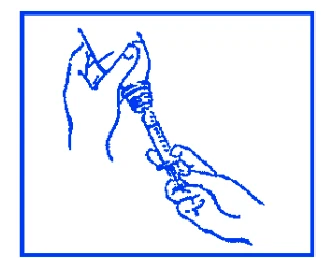
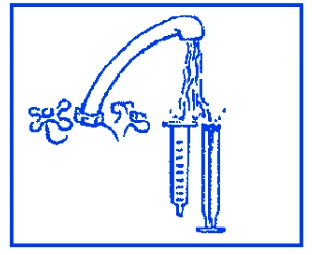
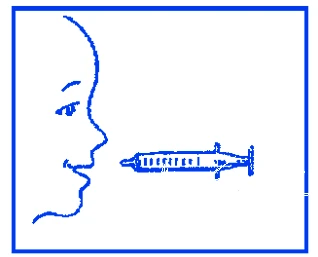
Fig. 1 Fig. 2 Fig. 3
If you take more BRUFEN than you should, or if your child has accidentally taken this medicine, always contact your doctor or go to the nearest hospital to obtain advice on the risk and on the actions to take.
If you take high doses of BRUFEN, you may experience: nausea, stomach ache, vomiting (possibly with traces of blood), blood in the urine, low potassium levels in the blood, diarrhoea, abdominal or chest pain, gastrointestinal bleeding (see also section 4 below), heart problems such as low blood pressure or changes in heart rate (bradycardia, tachycardia), and circulatory problems, liver or kidney problems, headache, ringing in the ears (tinnitus), confusion and uncontrolled oscillating eye movements (nystagmus), decreased blood pH (metabolic acidosis), weakness and dizziness, fainting, seizures (especially in children), disorientation, agitation, breathing difficulties (including apnea), or depression of the central nervous system such as drowsiness, feeling cold (hypothermia), loss of consciousness, deep sleep (lethargy), coma.
If you forget to take BRUFEN
Do not take a double dose to make up for a forgotten dose.
If you have any doubts about how to use this medicine, consult your doctor or pharmacist.
4. Possible side effects
Like all medicines, this medicine can cause side effects, although not everybody gets them.
Serious side effects
Stop taking BRUFEN and contact your doctor immediately if you experience any of the following:
- severe stomach problems, burning or abdominal pain due to injury of the stomach or intestine (peptic ulcers), sudden and severe pain in the upper abdomen or stomach area (gastrointestinal perforation). These side effects are uncommon;
- vomiting blood (haematemesis) or black stools (melena), bleeding from the stomach or intestine (gastrointestinal haemorrhage). These conditions are common side effects;
- allergic reactions, even severe ones, appearing as more or less sudden onset of skin lesions, such as widespread redness or spots (rash, purpura), urticaria, itching, swelling of the face, eyes, lips, angioedema of the throat with possible difficulty in breathing and swallowing. These conditions occur with uncommon frequency. Rarely, a severe, life-threatening allergic reaction may also occur, characterised by increased heart rate and sudden drop in blood pressure (anaphylactic reaction, anaphylaxis);
- severe skin rashes with redness, peeling and/or blister formation (e.g. erythema multiforme, Stevens-Johnson syndrome, toxic epidermal necrolysis, exfoliative dermatitis and bullous dermatitis). These conditions occur very rarely;
- difficulty in breathing (asthma, even severe, bronchospasm or dyspnoea). These conditions are uncommon side effects;
- systemic lupus erythematosus (SLE), a disease affecting connective tissue causing joint or muscle pain, skin changes and problems in other organs. This condition occurs rarely;
- worsening of infections, such as the onset of necrotizing fasciitis, presenting with fever, chills, weakness, sweating, diarrhoea, vomiting, redness, pain, swelling, bruising in an area of the body due to tissue necrosis (death of tissue cells);
- inflammation of the meninges (aseptic meningitis), presenting with: high fever, sudden headache, inability to bend the neck, nausea, vomiting, confusion, drowsiness and sensitivity to light. This condition occurs rarely;
- a severe skin reaction known as DRESS syndrome. Symptoms of DRESS include: skin rash, fever, swollen lymph nodes and increased eosinophils (a type of white blood cells);
- a widespread, red, scaly rash with pustules under the skin and blisters mainly located in skin folds, trunk and upper limbs, accompanied by fever at the beginning of treatment (generalised exanthematous pustulosis). Stop using BRUFEN if you develop these symptoms and contact your doctor immediately. See also section 2;
- non-elevated reddish spots, target-shaped or circular, on the trunk, often with central blisters, skin peeling, mouth, throat, nose, genital and eye ulcers. These severe skin reactions may be preceded by fever and flu-like symptoms [exfoliative dermatitis, erythema multiforme, Stevens-Johnson syndrome, toxic epidermal necrolysis];
- chest pain, which may be a sign of a potentially serious allergic reaction called Kounis syndrome.
Other side effects
Tell your doctor if you notice any of the following:
Common side effects (may affect up to 1 in 10 people)
- nausea, vomiting, diarrhoea, intestinal gas (flatulence), constipation, indigestion (dyspepsia), abdominal pain;
- headache, dizziness;
- fatigue.
Uncommon side effects (may affect up to 1 in 100 people)
- inflammation of the nose (rhinitis);
- inflammation of the stomach (gastritis), mouth ulcers;
- dizziness, drowsiness, difficulty falling asleep (insomnia), anxiety, disturbances in sensation (paraesthesia);
- impaired hearing, ringing in the ears (tinnitus), vision disturbances;
- skin reaction following exposure to sunlight (photosensitivity);
- changes in liver function, yellowing of the eyes or skin (jaundice), dark urine, pale stools, itching or abdominal pain, inflammation of the liver (hepatitis);
- kidney problems such as nephrotic syndrome, inflammation of the kidney (tubulointerstitial nephritis), changes in function (renal failure).
Rare side effects (may affect up to 1 in 1,000 people)
- decrease in the number of white blood cells (leucopenia) or of certain types of white blood cells (neutropenia, agranulocytosis), decrease in the number of platelets (thrombocytopenia), decrease in the number of red blood cells due to destruction (haemolytic anaemia) or due to bone marrow problems (aplastic anaemia);
- depression, confusion;
- visual disturbances, for example due to inflammation of the optic nerve (optic neuritis) or toxic optic neuropathy;
- swelling (oedema).
Very rare side effects (may affect up to 1 in 10,000 people)
- reduced liver function, inflammation of the pancreas (pancreatitis);
- sensation of the heart pounding (palpitations), heart attack (myocardial infarction), reduced heart function (heart failure), high blood pressure (hypertension);
- breathing problems due to fluid accumulation in the lungs (pulmonary oedema).
Other side effects
- pain or burning (pyrosis) in the upper stomach, inflammation of the mouth mucosa with ulcers (ulcerative stomatitis);
- worsening of colon inflammation (colitis) or Crohn's disease (frequency not known: frequency cannot be estimated from available data);
- worsening of skin infections caused by chickenpox;
- stroke;
- hallucinations, malaise.
Reporting of side effects
If you experience any side effect, including those not listed in this leaflet, talk to your doctor or pharmacist. You can also report side effects directly via the national reporting system at https://www.aifa.gov.it/content/segnalazioni-reazioni-avverse. By reporting side effects, you can help provide more information on the safety of this medicine.
5. How to store BRUFEN
Keep this medicine out of the sight and reach of children.
Do not use this medicine after the expiry date stated on the packaging. The expiry date refers to the last day of that month.
Store this medicine at a temperature not exceeding 25°C.
After first opening, use the medicine within 6 months.
Do not dispose of any medicine via wastewater or household waste. Ask your pharmacist how to dispose of medicines you no longer use. This will help protect the environment.
6. Package contents and other information
What BRUFEN contains
The active substance is: ibuprofen.
1 ml of BRUFEN oral suspension contains: 20 mg of ibuprofen.
The other components are: methyl 4-hydroxybenzoate, propyl 4-hydroxybenzoate, citric acid monohydrate,
glycerol, liquid sorbitol, sucrose, sodium benzoate (E211), orange yellow (E110), orange flavour
D717 BBA, polysorbate 80, agar powder, purified water.
Description of the appearance of BRUFEN and contents of the pack
This medicine is available in 100 ml or 200 ml bottles of oral solution, supplied with a 5 ml dosing syringe.
Marketing Authorization Holder
Viatris Italia S.r.l.
Via Vittor Pisani 20
20124 Milano
Manufacturer
AbbVie S.r.l. – S.R 148 Pontina Km 52 snc, 04011 Campoverde di Aprilia (LT)