Altiazem
Italy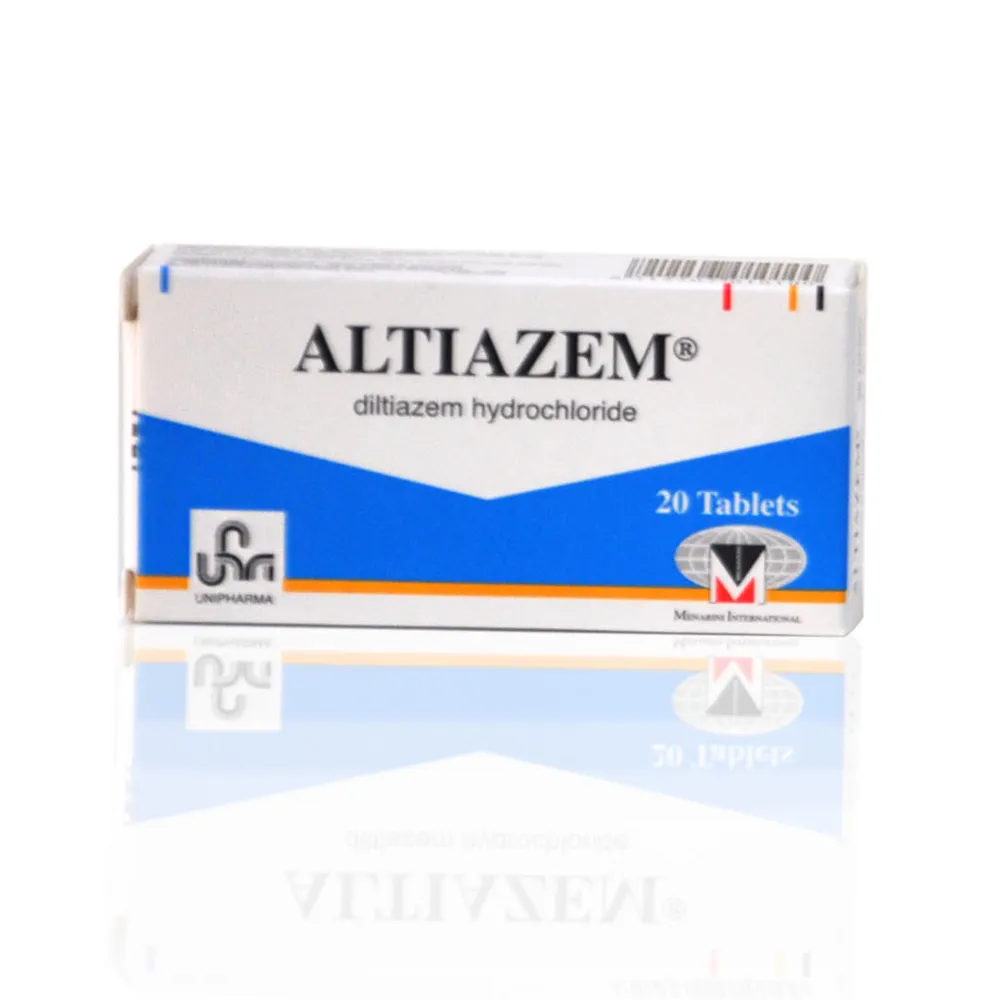
Table of Contents
Package leaflet: Information for the user
ALTIAZEM 60 mg modified-release tablets, 120 mg prolonged-release tablets, 300 mg prolonged-release hard capsules
diltiazem hydrochloride
Equivalent medicine
Please read all of this leaflet carefully before you start using this medicine as it contains important information for you.
- Keep this leaflet. You may need to read it again.
- If you have any questions, ask your doctor or pharmacist.
- This medicine has been prescribed for you only. Do not give it to other people, even if they have the same symptoms as you, because it may be harmful.
- If you experience any side effects, including those not listed in this leaflet, tell your doctor or pharmacist. See section 4.
Contents of this leaflet:
- What ALTIAZEM is and what it is used for
- What you need to know before taking ALTIAZEM
- How to take ALTIAZEM
- Possible side effects
- How to store ALTIAZEM
- Contents of the pack and other information
1. WHAT ALTIAZEM IS AND WHAT IT IS USED FOR
ALTIAZEM contains a substance called diltiazem, belonging to the class of medicines known as calcium antagonists (calcium channel blockers) with direct action on the heart.
This medicinal product is indicated in adults and elderly patients:
- For the treatment of angina pectoris (chest pain caused by insufficient oxygen supply to the heart) induced by exertion, following a myocardial infarction, or vasospastic angina (Prinzmetal's angina, caused by excessive narrowing of the arteries supplying blood to the heart).
- For the treatment of mild to moderate arterial hypertension (high blood pressure).
2. WHAT YOU SHOULD KNOW BEFORE TAKING ALTIAZEM
Do not take ALTIAZEM
- If you are allergic to the active substance or to any of the other ingredients of this medicine (listed in section 6).
- If you have hypotension (low blood pressure, systolic pressure below 90 mmHg).
- In case of acute myocardial infarction (death of part of the heart tissue due to interruption of blood flow) with pulmonary congestion (pathological increase in lung volume caused by excessive blood flow).
- If you suffer from sinoatrial node dysfunction (the area of the heart where electrical impulses originate) and do not have a functioning cardiac pacemaker.
- In case of second- or third-degree sinoatrial or atrioventricular block without a functioning ventricular pacemaker.
- If you have severe bradycardia (marked reduction in heart rate).
- If you have congestive heart failure (inability of the heart to supply adequate blood flow to meet the body's needs).
- If you have left ventricular failure with pulmonary stasis (fluid accumulation in the lungs leading to breathing difficulties and cough).
- In combination with other medicines containing amiodarone or dantrolene (see "Other medicines and ALTIAZEM").
- During confirmed or suspected pregnancy, breastfeeding, or in women of childbearing potential (see "Pregnancy, breastfeeding and fertility").
- If you are already taking a medicine containing ivabradine for the treatment of other cardiac conditions.
- If you are using a medicine containing lomitapide used to treat high cholesterol levels (see "Other medicines and ALTIAZEM").
ALTIAZEM is contraindicated in pediatric and adolescent populations (0–17 years) (see "Children and adolescents").
Warnings and precautions
Talk to your doctor or pharmacist before taking ALTIAZEM.
Always consult your doctor for proper instructions on how to take this medicine, and undergo regular monitoring.
If you have a history of heart failure, unusual shortness of breath, slow heartbeat, or low blood pressure, cases of kidney damage have been reported in patients with these conditions; your doctor may need to monitor your kidney function.
Particular caution is required at the beginning of treatment (especially continuous monitoring of heart rate is required).
Take ALTIAZEM with caution and under close monitoring if:
- You have reduced left ventricular function (a region of the heart).
- You suffer from bradycardia (risk of worsening).
- You have first-degree atrioventricular block shown on ECG (electrocardiogram); there is a risk of progression, rarely to complete block.
Calcium antagonists, such as diltiazem, may be associated with mood changes, including depression.
Take diltiazem cautiously if you are at risk of intestinal obstruction, as diltiazem, like other calcium antagonists, has an inhibitory effect on intestinal motility.
Residues from extended-release formulations may appear in your stools; however, this is not clinically significant.
Since the extended-release formulations of diltiazem (ALTIAZEM 120 mg prolonged-release tablets and ALTIAZEM 300 mg prolonged-release hard capsules) have different mechanisms for releasing the active substance and different absorption rates, do not substitute one prolonged-release formulation of diltiazem for another.
During treatment, periodic monitoring of liver and kidney function is recommended.
If you are elderly or have renal or hepatic impairment (reduced kidney or liver function), you may experience increased blood levels of the medicine. In such cases, when taking other antihypertensive medicines (which lower blood pressure) concomitantly, use the lowest effective dose (see "Other medicines and ALTIAZEM"), as the hypotensive effect (blood pressure-lowering effect) of diltiazem may be enhanced.
If undergoing general anesthesia, the anesthesiologist must be informed that you are taking diltiazem. The reduction in cardiac contractility, conduction, automaticity, and vasodilation caused by anesthetics may be enhanced by calcium channel blockers (such as ALTIAZEM).
ALTIAZEM 120 mg prolonged-release tablets are coated with an insoluble polymer membrane that allows controlled release of the active substance; this membrane remains unchanged during passage through the stomach and intestine; if you find it in your feces, do not assume the product was ineffective.
Abrupt discontinuation of treatment may be associated with worsening angina.
Children and adolescents
The safety and efficacy of diltiazem have not been established in children and adolescents. Use of diltiazem is not recommended in children and adolescents (see "Do not take ALTIAZEM").
Other medicines and ALTIAZEM
Inform your doctor or pharmacist if you are taking, have recently taken, or might take any other medicines.
Do not take ALTIAZEM with:
- DANTROLENE, a muscle relaxant used in a condition called "malignant hyperthermia" (severe fever) administered by infusion. When verapamil (a calcium antagonist like diltiazem) and dantrolene are administered intravenously together, fatal ventricular fibrillation consistently occurs. Therefore, the combination of a calcium antagonist and dantrolene is potentially dangerous (see "Do not take ALTIAZEM").
- AMIODARONE (an antiarrhythmic medicine). Diltiazem is contraindicated in patients receiving amiodarone (risk of bradycardia and atrioventricular block) (see "Do not take ALTIAZEM").
- Medicines containing lomitapide, used to treat high cholesterol levels. Diltiazem may increase lomitapide concentrations, potentially increasing the likelihood and severity of liver-related adverse effects.
Take ALTIAZEM with caution when combined with:
- ANTIHYPERTENSIVES; this combination increases the hypotensive effect (blood pressure reduction), especially with alpha-blockers (medicines mainly used to treat high blood pressure). Combining diltiazem with an alpha-blocker requires close monitoring of blood pressure.
- BETA-BLOCKERS (medicines used to treat cardiac arrhythmia, hypertension, and angina); this combination may lead to disturbances in heart rhythm (marked bradycardia, sinoatrial node arrest (cardiac electrical impulse block), sinoatrial and atrioventricular conduction disturbances, and cardiovascular decompensation (additive effect). Such combinations should not be used unless under strict clinical and ECG monitoring, especially at the start of treatment.
- CARDIAC GLYCOSIDES (medicines that increase the heart's contractile force). Combining ALTIAZEM with cardiac glycosides increases blood digoxin levels (a specific cardiac glycoside) and the risk of bradycardia; caution is required, especially in elderly patients and when high doses are used. Diltiazem's effects on the sinoatrial and atrioventricular nodes enhance those of digitalis preparations.
- ANTIARRHYTHMICS (medicines used to correct heart rhythm abnormalities). Since diltiazem has antiarrhythmic properties, combining it with other antiarrhythmics is not recommended due to an increased risk of cardiac adverse effects from additive effects. Such combinations should not be used unless under strict clinical and ECG monitoring.
- NITRATES; this combination increases the hypotensive effect and may cause lipothymia (sudden weakness sensations) due to additive vasodilation (see "Warnings and precautions"). In all patients treated with calcium antagonists, nitrates should be prescribed with gradually increasing doses.
- CYCLOSPORINE (a medicine used to modulate the body's immune response); co-administration increases free cyclosporine blood levels. It is recommended to reduce the cyclosporine dose, monitor kidney function, measure cyclosporine blood levels, and adjust dosing both during and after combination therapy.
- CARBAMAZEPINE (a medicine used to treat epilepsy); this combination increases free carbamazepine blood levels. It is recommended to measure carbamazepine blood levels and adjust dosing if necessary.
- PHENYTOIN (a medicine used to treat epilepsy). Diltiazem increases phenytoin blood concentration; phenytoin reduces the effect of diltiazem.
- ANTIDEPRESSANTS; co-administration of antidepressants and diltiazem increases imipramine (a specific antidepressant) blood levels and likely those of other tricyclic antidepressants.
- ANTIPSYCHOTICS; the combination increases the blood pressure-lowering effect.
- THEOPHYLLINE (a medicine used in various respiratory diseases); this combination increases free theophylline blood levels.
- ANTI-ULCER (ANTI-H_) agents such as cimetidine and ranitidine (medicines used to treat ulcers, erosion of the stomach and duodenum lining); co-administration with ALTIAZEM increases diltiazem blood levels. Patients on diltiazem therapy should be closely monitored when starting or stopping anti-H_ therapy. Adjustment of the daily diltiazem dose may be necessary.
- RIFAMPICIN (an antibiotic); combining ALTIAZEM with rifampicin may reduce diltiazem blood levels after starting rifampicin treatment. Patients should be closely monitored when starting or stopping rifampicin.
- LITHIUM (a mood stabilizer); there may be an increased risk of lithium toxicity in the central nervous system.
- ANESTHETICS (see "Warnings and precautions").
- Other medicines affecting cardiac contractility or conduction, due to potential additive effects.
- Medicines that are substrates of the CYP3A4 enzyme; combining ALTIAZEM with CYP3A4 inhibitors or inducers may increase or decrease diltiazem blood concentrations. A moderate increase (less than 2-fold) in diltiazem plasma concentrations has been documented when co-administered with a strong CYP3A4 inhibitor. Diltiazem is also a CYP3A4 inhibitor. Co-administration may result in increased plasma concentrations of either co-administered medicine. Co-administration of diltiazem with a CYP3A4 inducer may reduce diltiazem plasma concentrations.
- BENZODIAZEPINES, such as midazolam and triazolam (psychotropic medicines used to treat anxiety and insomnia); diltiazem significantly increases midazolam and triazolam concentrations and prolongs their presence in the blood. Particular caution is required when prescribing short-acting benzodiazepines metabolized by CYP3A4 to patients taking diltiazem.
- CORTICOSTEROIDS, such as methylprednisolone (anti-inflammatory agents); this combination may inhibit methylprednisolone metabolism and P-glycoprotein (responsible for transporting various substances across cell membranes). Patients should be monitored when starting methylprednisolone treatment. Dose adjustment of methylprednisolone may be necessary.
- STATINS (medicines used to control blood cholesterol levels); diltiazem is a CYP3A4 inhibitor and may therefore increase blood concentrations of certain statins metabolized by this enzyme, increasing the risk of myopathy (skeletal muscle disease) and rhabdomyolysis (severe muscle damage). If possible, a statin not metabolized by CYP3A4 should be used with diltiazem; otherwise, close monitoring for signs and symptoms of potential statin toxicity is required.
- Medicines that reduce immune system activity (such as sirolimus, temsirolimus, everolimus); dose reduction may be necessary when co-administered with diltiazem.
Pregnancy, breastfeeding and fertility
If you are pregnant, suspect you may be pregnant, planning a pregnancy, or breastfeeding, consult your doctor before taking this medicine.
Pregnancy
Diltiazem use is contraindicated during pregnancy (see "Do not take ALTIAZEM").
Diltiazem has shown reproductive toxicity in some animal species (rat, mouse, rabbit).
To date, human data on diltiazem use in pregnancy are very limited.
Fertility
In women of childbearing potential, pregnancy must always be ruled out before starting and during treatment, and effective contraception must be ensured.
Breastfeeding
Since diltiazem is excreted in breast milk, breastfeeding should be avoided during treatment with this medicine.
If the use of ALTIAZEM is considered clinically essential, an alternative method of infant feeding should be used.
Driving and operating machinery
Based on reported adverse effects such as drowsiness, dizziness, and malaise, the ability to drive or operate machinery may be impaired. In such cases, avoid driving or operating machinery.
ALTIAZEM 60 mg modified-release tablets contain lactose. If your doctor has diagnosed you with an intolerance to certain sugars, contact them before taking this medicine.
ALTIAZEM 60 mg modified-release tablets contain hydrogenated castor oil. This may cause gastrointestinal disturbances and diarrhea.
ALTIAZEM 120 mg prolonged-release tablets contain sucrose. If your doctor has diagnosed you with an intolerance to certain sugars, contact them before taking this medicine.
ALTIAZEM 120 mg prolonged-release tablets and ALTIAZEM 300 mg prolonged-release hard capsules contain less than 1 mmol (23 mg) of sodium per dose, i.e., essentially "sodium-free".
3. HOW TO USE ALTIAZEM
Take this medicine exactly as directed by your doctor or pharmacist.
If you have any doubts, consult your doctor or pharmacist.
ALTIAZEM 60 mg modified-release tablets
Angina pectoris
The recommended dose is 1 tablet three times daily, at regular intervals. If necessary, the dose may be increased up to 2 tablets three times daily, according to your doctor's advice.
Hypertension
The recommended dose is half to 1 tablet three times daily.
ALTIAZEM 120 mg prolonged-release tablets
Angina pectoris and hypertension
The recommended dose is 1 tablet every 12 hours.
The tablets must not be chewed, but swallowed whole with some liquid.
This formulation is intended for maintenance therapy.
ALTIAZEM 300 mg prolonged-release hard capsules
Angina pectoris and hypertension
The recommended dose is 1 capsule daily, depending on therapeutic response and tolerability, after initiating therapy with lower doses of diltiazem.
The time of day for administration is not critical, but should remain consistent throughout treatment; ideally, the capsule should be taken before or during a meal.
The capsules must not be chewed, but swallowed whole with some liquid.
This formulation is intended for maintenance therapy.
Elderly patients
In elderly patients, and in patients with renal or hepatic impairment or who are concurrently taking other antihypertensive medicines, use the lowest effective dose.
Particular caution is required at the beginning of treatment (see “Warnings and precautions”).
If you take more ALTIAZEM than you should
The clinical effects of an overdose of diltiazem may include severe hypotension, up to circulatory collapse, bradycardia with or without isorhythmic dissociation (reduced heart rate and heartbeat with normal or abnormal rhythm), atrioventricular conduction disturbances (impaired propagation of the heart's electrical impulse), and reduced renal function.
Hospital treatment should include gastric lavage (stomach emptying and washing) and osmotic diuresis (excessive urine production caused by a substance not reabsorbed at the renal level).
Disturbances of automaticity and conduction (abnormalities in heart rhythm due to impaired generation or propagation of electrical impulses) may be managed with temporary electrical systolic stimulation (cardiac pacing). Recommended pharmacological treatments include: atropine, vasopressor agents (substances that increase vascular contraction and thus blood pressure), such as adrenaline, inotropic agents (medicines that increase the force of cardiac contraction), glucagon, and intravenous calcium gluconate.
In case of accidental overdose of ALTIAZEM, contact your doctor immediately or go to the nearest hospital.
If you have any doubts about how to use this medicine, consult your doctor or pharmacist.
4. POSSIBLE ADVERSE REACTIONS
Like all medicines, this medicine can cause adverse reactions, although not everyone experiences them.
Very common adverse reactions (may affect more than 1 in 10 patients)
- Peripheral edema (fluid accumulation).
Common adverse reactions (may affect up to 1 in 10 patients)
- Headache, dizziness.
- Atrioventricular block (first-, second-, or third-degree; bundle branch block), palpitations.
- Hot flushes.
- Constipation, dyspepsia (digestive discomfort), stomach pain, nausea.
- Erythema.
- Malaise.
Uncommon adverse reactions (may affect up to 1 in 100 patients)
- Insomnia, nervousness.
- Bradycardia.
- Orthostatic hypotension (sudden drop in blood pressure upon changing from lying down or sitting to standing).
- Vomiting and diarrhea.
- Increased liver enzymes (AST, ALT, LDH, ALP).
Rare adverse reactions (may affect up to 1 in 1,000 patients)
- Epistaxis (nosebleed).
- Amnesia, depression, personality changes, hallucinations, somnolence.
- Paresthesia (altered sensation in limbs or other body parts), tinnitus (ringing in the ears), tremor.
- Arrhythmia, asystole (severe heart failure due to lack of electrical activity in the heart leading to ventricular contraction), syncope (transient loss of consciousness), angina.
- Dry mouth, taste disturbances, abdominal pain.
- Urticaria, pruritus, generalized erythema (characterized by leukocytoclastic vasculitis), petechiae (small, bright red, irregularly circular skin spots caused by localized bleeding).
- Impotence.
- Amblyopia (visual disturbance), eye irritation.
- Dyspnea (difficulty breathing).
- Nocturia (frequent need to urinate during rest), polyuria (increased urine production).
- Osteoarticular pain (in bones and joints).
- Anorexia (loss of appetite), weight gain.
- Increased creatine phosphokinase enzyme levels.
Very rare adverse reactions (may affect up to 1 in 10,000 patients)
- Leukopenia (reduced number of white blood cells).
- Interstitial nephritis (inflammation of the kidneys).
Adverse reactions with unknown frequency (frequency cannot be estimated from the available data)
- Thrombocytopenia (reduced number of platelets) and prolonged bleeding time (bleeding).
- Mood changes (including depression).
- Extrapyramidal syndrome (gait disturbances), dizziness.
- Sinoatrial block, congestive heart failure, electrocardiogram abnormalities.
- Vasculitis (inflammation of blood vessels), including leukocytoclastic vasculitis, and edema (especially in the lower limbs).
- Gingival hyperplasia (enlargement of gingival tissue).
- Hepatitis (inflammation of the liver).
- Photosensitivity (including lichenoid keratosis in sun-exposed skin areas), angioedema (allergic skin reaction), rash, erythema multiforme (including Stevens-Johnson syndrome and toxic epidermal necrolysis or Lyell's syndrome), sweating, exfoliative dermatitis, generalized acute exanthematous pustulosis, occasionally desquamative erythema with or without fever (skin disorders).
- Gynecomastia (breast enlargement in males).
- Asthenia (lack of energy).
- Hyperglycemia (increased blood glucose concentration).
- A condition in which the body's immune system attacks normal tissues, causing symptoms such as joint swelling, fatigue, and skin rashes (known as "lupus-like syndrome").
Reporting of adverse reactions
If you experience any adverse reaction, including those not listed in this leaflet, contact your doctor or pharmacist. You may also report adverse reactions directly via the national reporting system at https://www.aifa.gov.it/content/segnalazioni-reazioni-avverse.
By reporting adverse reactions, you can help provide more information on the safety of this medicine.
5. HOW TO STORE ALTIAZEM
Keep this medicine out of the sight and reach of children.
ALTIAZEM 60 mg modified-release tablets
Do not store above 30°C.
ALTIAZEM 120 mg prolonged-release tablets
Do not store above 25°C.
ALTIAZEM 300 mg prolonged-release hard capsules
Do not store above 30°C.
Do not use this medicine after the expiry date stated on the packaging. The expiry date refers to
the last day of that month and applies to the product in its original, unopened packaging stored
correctly.
Do not dispose of any medicines via wastewater or household waste. Ask your pharmacist how to
dispose of medicines you no longer use. This will help protect the environment.
6. PACK CONTENTS AND OTHER INFORMATION
What ALTIAZEM contains
ALTIAZEM 60 mg modified-release tablets
Each tablet contains:
Active substance: diltiazem hydrochloride 60 mg.
Other components: lactose, hydrogenated castor oil, macrogol 6000, magnesium stearate.
ALTIAZEM 120 mg prolonged-release tablets
Each tablet contains:
Active substance: diltiazem hydrochloride 120 mg.
Other components:
Core: monosodium citrate, sucrose, povidone, magnesium stearate, macrogol 6000.
Coating: sucrose, coating polymer, acetyltributyl citrate, polymeric castor oil, sodium bicarbonate, ethylvanillin, titanium dioxide (E 171).
ALTIAZEM 300 mg hard capsules with prolonged release
Each capsule contains:
Active substance: diltiazem hydrochloride 300 mg.
Other components: microcrystalline cellulose, sodium carmellose, acrylic and methacrylic acid copolymer esters, ethylcellulose, diacetylated monoglycerides, magnesium stearate.
Capsule composition: gelatin, titanium dioxide (E 171), yellow iron oxide (E 172).
Description of the appearance of ALTIAZEM and pack contents
ALTIAZEM 60 mg modified-release tablets
Modified-release tablets.
Box containing 50 white, divisible tablets in 2 blisters of 25 tablets each.
ALTIAZEM 120 mg prolonged-release tablets
Prolonged-release tablets.
Box containing 24 white coated tablets in 1 blister of 24 tablets.
ALTIAZEM 300 mg hard capsules with prolonged release
Hard capsules with prolonged release.
Box containing 14 hard gelatin capsules, white body and yellow cap, in blister.
Marketing Authorization Holder and Manufacturer
Marketing Authorization Holder
Istituto Luso Farmaco d'Italia S.p.A. - Milanofiori - Strada 6 - Edificio L - Rozzano (MI).
Manufacturer
ALTIAZEM 60 mg modified-release tablets
A. Menarini Manufacturing Logistics and Services S.r.l., Via Campo di Pile – L’Aquila.
Menarini Von Heyden GmbH, Leipziger Str. 7-13 – Dresden (Germany).
ALTIAZEM 120 mg prolonged-release tablets
A. Menarini Manufacturing Logistics and Services S.r.l., Via Campo di Pile – L’Aquila.
AlfaSigma S.p.A., Via Pontina Km 30.400 – Pomezia (Rome).
ALTIAZEM 300 mg hard capsules with prolonged release
A. Menarini Manufacturing Logistics and Services S.r.l., Via Campo di Pile – L’Aquila.
Laboratorios Menarini S.A., Alfonso XII, 587, 08918 Badalona - Barcelona (Spain).
Patient Information Leaflet: Information for the user
ALTIAZEM 50 mg/5 ml
powder and solvent for injectable solution for intravenous use
diltiazem hydrochloride
Equivalent medicine
Please read this leaflet carefully before using this medicine as it contains
important information for you.
- Keep this leaflet. You may need to read it again.
- If you have any questions, consult your doctor or pharmacist.
- This medicine has been prescribed for you only. Do not give it to others, even if their symptoms are the same as yours, as it could be harmful.
- If any adverse reaction occurs, including those not listed in this leaflet, consult your doctor or pharmacist. See section 4.
Contents of this leaflet:
- What ALTIAZEM is and what it is used for
- What you need to know before using ALTIAZEM
- How to use ALTIAZEM
- Possible adverse reactions
- How to store ALTIAZEM
- Package contents and other information
2. WHAT ALTIAZEM IS AND WHAT IT IS USED FOR
ALTIAZEM contains a substance called diltiazem, belonging to a class of medicines known as calcium antagonists (calcium channel blockers) with direct action on the heart.
This medicine is indicated in adults and elderly patients:
- For myocardial (heart muscle) protection during acute ischemia (sudden reduction of blood flow to the heart) caused by coronary spasm (constriction of the arteries supplying blood to the heart) or non-functional occlusion (arterial blockage due to thrombi or atherosclerosis) of the coronary arteries.
- For myocardial protection during cardiac surgery with extracorporeal circulation (a device that temporarily takes over cardiac and pulmonary functions).
- In the treatment of paroxysmal junctional tachycardia (sudden onset and cessation of abnormally fast heart rate).
- In the treatment of rapid atrial fibrillation and atrial flutter (abnormal heart rhythms characterized by high frequency).
2. WHAT YOU NEED TO KNOW BEFORE USING ALTIAZEM
Do not use ALTIAZEM
- If you are allergic to the active substance or to any of the other ingredients of this medicine (listed in section 6).
- If you suffer from sinoatrial node dysfunction (the area of the heart where electrical impulses originate) and do not have a functioning cardiac pacemaker.
- In case of second- or third-degree atrioventricular block (a defect in the heart's conduction system) without a functioning ventricular pacemaker.
- In case of atrial fibrillation or atrial flutter associated with ventricular pre-excitation syndrome, especially when the refractory period (non-excitable phase) of the accessory pathway is short.
- In case of severe bradycardia (marked reduction in heart rate).
- In case of hypotension (low blood pressure, systolic pressure below 90 mmHg) associated with hypovolemia (reduced circulating blood volume) and/or heart failure (inability of the heart to supply adequate blood flow to meet the body’s demands).
- In case of wide-complex ventricular tachycardia.
- In case of cardiogenic shock (acute reduction in cardiac function).
- In case of congestive heart failure.
- In case of left ventricular failure with pulmonary congestion (fluid accumulation in the lungs leading to breathing difficulties and cough).
- In combination with other medicines containing amiodarone or dantrolene (see “Other medicines and ALTIAZEM”).
- If you have an accessory bypass tract (Wolff-Parkinson-White syndrome or short PR syndrome – abnormal conduction of cardiac impulses) and develop atrial fibrillation or atrial flutter.
- During confirmed or suspected pregnancy, breastfeeding, or in women of childbearing potential (see “Pregnancy, breastfeeding and fertility”).
- If you are already taking a medicine containing ivabradine for the treatment of other cardiac conditions.
- If you are using a medicine containing lomitapide, used to treat high cholesterol levels (see “Other medicines and ALTIAZEM”).
ALTIAZEM is contraindicated in pediatric and adolescent patients (0–17 years) (see “Children and adolescents”).
Warnings and precautions
Talk to your doctor or pharmacist before using ALTIAZEM.
The injectable formulation of diltiazem is not recommended in cases of severe bradycardia (see “Do not use ALTIAZEM”), unless the benefit outweighs the risk. In any case, the patient must be closely monitored.
Always consult your doctor for instructions on the correct method of administration and undergo regular check-ups.
If you have a history of heart failure, unusual shortness of breath, slow heartbeat, or low blood pressure, cases of kidney damage have been reported in such patients; your doctor may need to monitor kidney function.
Particular caution is required at the beginning of treatment.
ALTIAZEM is generally recommended to be used in a hospital setting.
Hospital use of ALTIAZEM is mandatory:
- In case of perfusion (intravenous infusion of solution at a controlled rate).
- In case of cardiomegaly (enlarged heart), heart failure, or hypotension (when not associated with hypovolemia and/or heart failure).
Use ALTIAZEM with caution:
- If you have first-degree atrioventricular block.
- During anesthesia in combination with nitrates (medicines that dilate the coronary arteries to increase blood flow to the heart), due to the blood pressure-lowering effect of diltiazem (see “Other medicines and ALTIAZEM”).
If undergoing general anesthesia, the anesthesiologist must be informed that the patient is taking diltiazem. The effects of anesthetics—reduced cardiac contractility, conduction, automaticity, and vasodilation—may be enhanced by calcium channel blockers (such as ALTIAZEM).
When halogenated anesthetics and diltiazem are used concurrently, the dose of diltiazem should be adjusted according to cardiovascular response. In patients receiving both diltiazem and curare (a plant extract used during surgery to relax muscles), a reduced rate of decurarization (neutralization of curare’s effect) may occur during anesthesia.
Calcium antagonists, such as diltiazem, may be associated with mood changes, including depression.
Like other calcium antagonists, diltiazem has an inhibitory effect on intestinal motility. Therefore, it should be used with caution in patients at risk of developing intestinal obstruction.
There is no available information on the use of injectable diltiazem in elderly patients or in patients with renal or hepatic (liver) impairment.
In elderly patients, or in those with renal or hepatic impairment, or those taking other antihypertensive medicines (which lower blood pressure), use the lowest effective dose (see “Other medicines and ALTIAZEM”).
Children and adolescents
The safety and efficacy of diltiazem have not been established in children and adolescents. The use of diltiazem is not recommended in children and adolescents (see “Do not use ALTIAZEM”).
Other medicines and ALTIAZEM
Inform your doctor or pharmacist if you are taking, have recently taken, or might take any other medicines.
Do not use ALTIAZEM with:
- DANTROLENE, a muscle relaxant used in a condition called “malignant hyperthermia” (severe fever), administered by infusion. When verapamil (a calcium antagonist similar to diltiazem) and dantrolene are administered intravenously together, fatal ventricular fibrillation is consistently observed. Therefore, the combination of a calcium antagonist and dantrolene is potentially dangerous (see “Do not use ALTIAZEM”).
- AMIODARONE (an antiarrhythmic medicine). Diltiazem is contraindicated in patients receiving amiodarone (risk of bradycardia and atrioventricular block) (see “Do not use ALTIAZEM”).
- Medicines containing lomitapide, used to treat high cholesterol levels. Diltiazem may increase lomitapide concentration, potentially increasing the likelihood and severity of liver-related adverse effects.
Use ALTIAZEM with caution in combination with:
- ANTIHYPERTENSIVES; this combination increases the hypotensive effect (blood pressure reduction), especially with alpha-blockers (medicines mainly used for treating hypertension). Combining diltiazem with an alpha-blocker requires close monitoring of blood pressure.
- BETA-BLOCKERS (medicines used to treat cardiac arrhythmia, hypertension, and angina); this combination may lead to disturbances in heart rhythm (marked bradycardia, sinoatrial node arrest (cardiac electrical impulse block), sinoatrial and atrioventricular conduction disturbances, and cardiovascular decompensation (additive effect). Such combinations should not be used unless under strict clinical and electrocardiographic monitoring, especially at the start of treatment.
- CARDIAC GLYCOSIDES (medicines that increase the heart’s contractile force). Combining ALTIAZEM with cardiac glycosides increases blood digoxin levels (a specific cardiac glycoside) and the risk of bradycardia; caution is required, especially in elderly patients and when high doses are used. The effects of diltiazem on the sinoatrial and atrioventricular nodes may potentiate those of digitalis preparations.
- ANTIARRHYTHMICS (medicines used to correct abnormal heart rhythms). Since diltiazem has antiarrhythmic properties, concomitant administration with other antiarrhythmics is not recommended due to an increased risk of cardiac adverse effects (additive effect). Such combinations should not be used unless under strict clinical and electrocardiographic monitoring.
- NITRATES; this combination increases the hypotensive effect and may cause lipotimia (sudden weakness) due to additive vasodilation (see “Warnings and precautions”). In all patients treated with calcium antagonists, nitrates should be prescribed starting at gradually increasing doses.
- CYCLOSPORINE (a medicine used to modulate the body’s immune response); concurrent administration increases free cyclosporine blood levels. It is recommended to reduce the cyclosporine dose, monitor kidney function, measure blood cyclosporine levels, and adjust dosing both during and after combination therapy.
- CARBAMAZEPINE (a medicine used to treat epilepsy); this combination increases free carbamazepine blood levels. It is recommended to measure carbamazepine blood levels and adjust dosing as needed.
- PHENYTOIN (a medicine used to treat epilepsy). Diltiazem increases phenytoin blood concentration, while phenytoin reduces the effect of diltiazem.
- ANTIDEPRESSANTS; concurrent administration increases imipramine (a specific tricyclic antidepressant) blood levels and likely other tricyclic antidepressants as well.
- ANTIPSYCHOTICS; the combination increases the blood pressure-lowering effect.
- THEOPHYLLINE (a medicine used in various respiratory diseases); this combination increases free theophylline blood levels.
- ANTI-ULCER (ANTI-H ) AGENTS such as cimetidine and ranitidine (medicines used to treat ulcers and erosion of the stomach and duodenum lining); administering ALTIAZEM with these medicines increases diltiazem blood levels. Patients on diltiazem therapy should be closely monitored when starting or stopping anti-H treatment. Adjustment of the daily diltiazem dose may be necessary.
- RIFAMPICIN (an antibiotic); combining ALTIAZEM with rifampicin may reduce diltiazem blood levels after starting rifampicin treatment. Patients should be closely monitored when starting or stopping rifampicin.
- LITHIUM (a mood stabilizer); there may be an increased risk of lithium toxicity in the central nervous system.
- ANESTHETICS (see “Warnings and precautions”).
- Other medicines that affect cardiac contractility or conduction, due to potential additive effects.
- Medicines that are substrates of the CYP3A4 enzyme; combining ALTIAZEM with CYP3A4 inhibitors or inducers may increase or decrease diltiazem blood levels. A moderate increase (less than 2-fold) in diltiazem plasma concentrations has been documented when co-administered with a strong CYP3A4 inhibitor. Diltiazem is also a CYP3A4 inhibitor. Co-administration may lead to increased plasma concentrations of either of the co-administered drugs. Co-administration of diltiazem with a CYP3A4 inducer may result in decreased diltiazem plasma concentrations.
- BENZODIAZEPINES, such as midazolam and triazolam (psychotropic medicines used to treat anxiety and insomnia); diltiazem significantly increases midazolam and triazolam concentrations and prolongs their presence in the blood. Particular caution is required when prescribing short-acting benzodiazepines metabolized by CYP3A4 to patients taking diltiazem.
- CORTICOSTEROIDS, such as methylprednisolone (anti-inflammatory agents); this combination may inhibit methylprednisolone metabolism and P-glycoprotein (responsible for transporting various substances across cell membranes). Patients should be monitored when starting methylprednisolone treatment. Dose adjustment of methylprednisolone may be necessary.
- STATINS (medicines used to control blood cholesterol levels); diltiazem is a CYP3A4 inhibitor and may therefore increase blood concentrations of certain statins metabolized by this enzyme, increasing the risk of myopathy (skeletal muscle disease) and rhabdomyolysis (severe muscle damage). If possible, a statin not metabolized by CYP3A4 should be used with diltiazem; otherwise, close monitoring for signs and symptoms of potential statin toxicity is required.
- Medicines that suppress the immune system (such as sirolimus, temsirolimus, everolimus); dose reduction may be necessary when co-administered with diltiazem.
Pregnancy, breastfeeding and fertility
If you are pregnant, suspect you may be pregnant, plan to become pregnant, or are breastfeeding, consult your doctor before taking this medicine.
Pregnancy
Diltiazem use is contraindicated during pregnancy (see “Do not use ALTIAZEM”).
Diltiazem has shown reproductive toxicity in some animal species (rat, mouse, rabbit).
To date, human data on diltiazem use during pregnancy are very limited.
Fertility
In women of childbearing age, pregnancy must always be ruled out before starting treatment, and effective contraception must be ensured during treatment.
Breastfeeding
Since diltiazem is excreted in breast milk, breastfeeding should be avoided during treatment with this medicine.
If the use of ALTIAZEM is considered clinically essential, an alternative method of infant feeding should be used.
Driving and operating machinery
Based on reported adverse effects such as drowsiness, dizziness, and malaise, the ability to drive or operate machinery may be impaired. In such cases, avoid driving or operating machinery.
3. HOW TO USE ALTIAZEM
Use this medicine exactly as directed by your doctor or pharmacist. If you have any doubts, consult your doctor or pharmacist.
Dissolve the lyophilized powder with the contents of the vial supplied in the package and use the resulting solution within 24 hours.
Acute myocardial ischemia
The recommended dose is 0.15 mg/kg administered by direct intravenous injection (over 1–2 minutes).
If necessary, treatment may be followed by a continuous intravenous infusion at a constant rate.
In this case, the maximum dosage will be 10 mg/h for 24 hours.
Administration must be performed under continuous electrocardiographic monitoring, and the product must be diluted in physiological saline or 5% glucose solution. In any case, the total daily dose of diltiazem must not exceed 240 mg.
Cardiac surgery with extracorporeal circulation
Add 0.05 to 0.2 mg/kg (total dose) to the solutions commonly used in cardioplegia (artificially induced cardiac arrest to perform cardiac surgery).
The recommended dose is 0.1 mg/kg, administered as a continuous intravenous infusion starting 30 minutes before anesthesia induction.
Treatment should continue during the postoperative period, especially when the patient regains consciousness and returns to normal body temperature.
In case of coronary artery bypass grafting, the infusion should be maintained for at least 24 hours after termination of extracorporeal circulation. Intravenous treatment should be continued until previous anti-anginal therapy (treatment for chest pain due to reduced blood flow to the heart muscle) can be resumed.
Junctional tachycardia
The recommended dose is 0.25 to 0.30 mg/kg administered by direct intravenous injection (over 1–2 minutes).
Rapid atrial fibrillation and atrial flutter
A dose of 0.25 to 0.30 mg/kg administered by direct intravenous injection (over 1–2 minutes) is often sufficient to reduce the heart rate below 100 beats per minute.
For continuation of therapy beyond 24 hours, oral formulations are recommended.
Elderly patients
In elderly patients, and in those with renal or hepatic impairment or who are concurrently taking other antihypertensive medicines, use the lowest effective dose.
Particular caution is required at the beginning of treatment (see “Warnings and precautions”).
If you use more ALTIAZEM than you should
Clinical effects of an overdose of diltiazem may include severe hypotension up to collapse, bradycardia with or without isorhythmic dissociation (reduced heart rate and beats with normal or abnormal rhythm), atrioventricular conduction disturbances (impaired propagation of the heart's electrical impulse), and reduced renal function.
Hospital-based treatment should include gastric lavage (stomach emptying and washing) and osmotic diuresis (excessive urine production caused by a substance not reabsorbed at the renal level).
Disturbances in automaticity and conduction (rhythm abnormalities due to impaired generation or propagation of electrical impulses) may be managed with temporary electrostimulation (cardiac pacing). Recommended pharmacological treatments include: atropine, vasopressor agents (agents that increase vascular contraction and thus blood pressure), such as adrenaline, inotropic agents (medicines that increase the force of heart contraction), glucagon, and calcium gluconate infusion.
In case of accidental overdose of ALTIAZEM, contact your doctor immediately or go to the nearest hospital.
If you have any questions about the use of this medicine, consult your doctor or pharmacist.
4. POSSIBLE ADVERSE REACTIONS
Like all medicines, this medicine may cause adverse reactions, although not everybody experiences them.
Very common adverse reactions (may affect more than 1 in 10 people)
- Peripheral edema (fluid accumulation).
Common adverse reactions (may affect up to 1 in 10 people)
- Headache, dizziness.
- Atrioventricular block (first, second, or third degree; bundle branch block), palpitations.
- Hot flushes.
- Constipation, dyspepsia (digestive discomfort), stomach pain, nausea.
- Erythema.
- Malaise.
Uncommon adverse reactions (may affect up to 1 in 100 people)
- Nervousness, insomnia.
- Bradycardia.
- Orthostatic hypotension (sudden drop in blood pressure upon changing from lying down or sitting to standing).
- Vomiting and diarrhea.
- Increased liver enzymes (AST, ALT, LDH, ALP).
Rare adverse reactions (may affect up to 1 in 1,000 people)
- Epistaxis (nosebleed).
- Amnesia, depression, personality changes, hallucinations, somnolence.
- Paresthesia (altered sensation in limbs or other body parts), tinnitus (ringing in the ears), tremor.
- Arrhythmia, asystole (severe heart failure due to lack of electrical activity in the heart leading to ventricular contraction), syncope (transient loss of consciousness), angina.
- Dry mouth, taste disturbances, abdominal pain.
- Urticaria, pruritus, generalized erythema (characterized by leukocytoclastic vasculitis), petechiae (small, vivid red, irregularly circular skin spots caused by localized bleeding).
- Impotence.
- Amblyopia (visual disturbances), eye irritation.
- Dyspnea (difficulty breathing).
- Nocturia (frequent need to urinate during rest), polyuria (increased urine production).
- Osteoarticular pain (in bones and joints).
- Anorexia (loss of appetite), weight gain.
- Increased creatine phosphokinase enzyme levels.
Very rare adverse reactions (may affect up to 1 in 10,000 people)
- Leukopenia (reduced number of white blood cells).
- Interstitial nephritis (inflammation of the kidneys).
Adverse reactions with unknown frequency (frequency cannot be estimated from the available data)
- Thrombocytopenia (reduced number of platelets) and prolonged bleeding time (bleeding).
- Mood changes (including depression).
- Extrapyramidal syndrome (gait disturbances), vertigo.
- Sinoatrial block, congestive heart failure, electrocardiogram abnormalities. When administered intravenously or by infusion, poorly tolerated hypotension, bradycardia, or atrioventricular nodal block may occur.
- Vasculitis (inflammation of blood vessels), including leukocytoclastic vasculitis, and edema (especially in the lower limbs).
- Gingival hyperplasia (enlargement of the gum tissue).
- Hepatitis (inflammation of the liver).
- Photosensitivity (including lichenoid keratosis in sun-exposed skin areas), angioedema (allergic skin reaction), rash, erythema multiforme (including Stevens-Johnson syndrome and toxic epidermal necrolysis or Lyell's syndrome), sweating, exfoliative dermatitis, generalized acute exanthematous pustulosis, occasionally desquamative erythema with or without fever (skin disorders).
- Gynecomastia (breast development in males).
- Asthenia (lack of energy).
- Hyperglycemia (increased blood glucose concentration).
- A condition in which the body's immune system attacks normal tissues, causing symptoms such as joint swelling, fatigue, and skin rashes (called "lupus-like syndrome").
Reporting of adverse reactions
If you experience any adverse reaction, including those not listed in this leaflet, tell your doctor or pharmacist. You may also report adverse reactions directly via the national reporting system at https://www.aifa.gov.it/content/segnalazioni-reazioni-avverse.
By reporting adverse reactions, you can help provide more information on the safety of this medicine.
5. HOW TO STORE ALTIAZEM
Keep this medicine out of the sight and reach of children.
After dissolving the lyophilized powder, the contents of the vial must be used within 24 hours.
The product should be reconstituted using the ampoule provided in the package.
Do not dilute the medicine with a solution of basic pH (greater than 7).
Do not use this medicine after the expiry date stated on the packaging. The expiry date refers to the last day of that month and to the product in its original, unopened packaging stored under the recommended conditions.
Do not dispose of any medicine via wastewater or household waste. Ask your pharmacist how to dispose of medicines no longer in use. This will help protect the environment.
6. CONTENTS OF THE PACKAGE AND OTHER INFORMATION
What ALTIAZEM contains
Active substance: diltiazem hydrochloride 50 mg.
Other components: mannitol, water for injections.
Description of the appearance of ALTIAZEM and the contents of the pack
Powder and solvent for injectable solution.
Carton containing 5 vials made of clear glass containing a lyophilisate and 5 clear ampoules of solvent of 5 ml containing water for injections.
Marketing Authorisation Holder and Manufacturer
Marketing Authorisation Holder
Istituto Luso Farmaco d'Italia S.p.A. - Milanofiori - Strada 6 - Edificio L - Rozzano (MI).
Manufacturer
A. Menarini Manufacturing Logistics and Services S.r.l., Via Sette Santi 3 – Florence.