Loratadine ViatriS 10 mg tablets EFG
Spain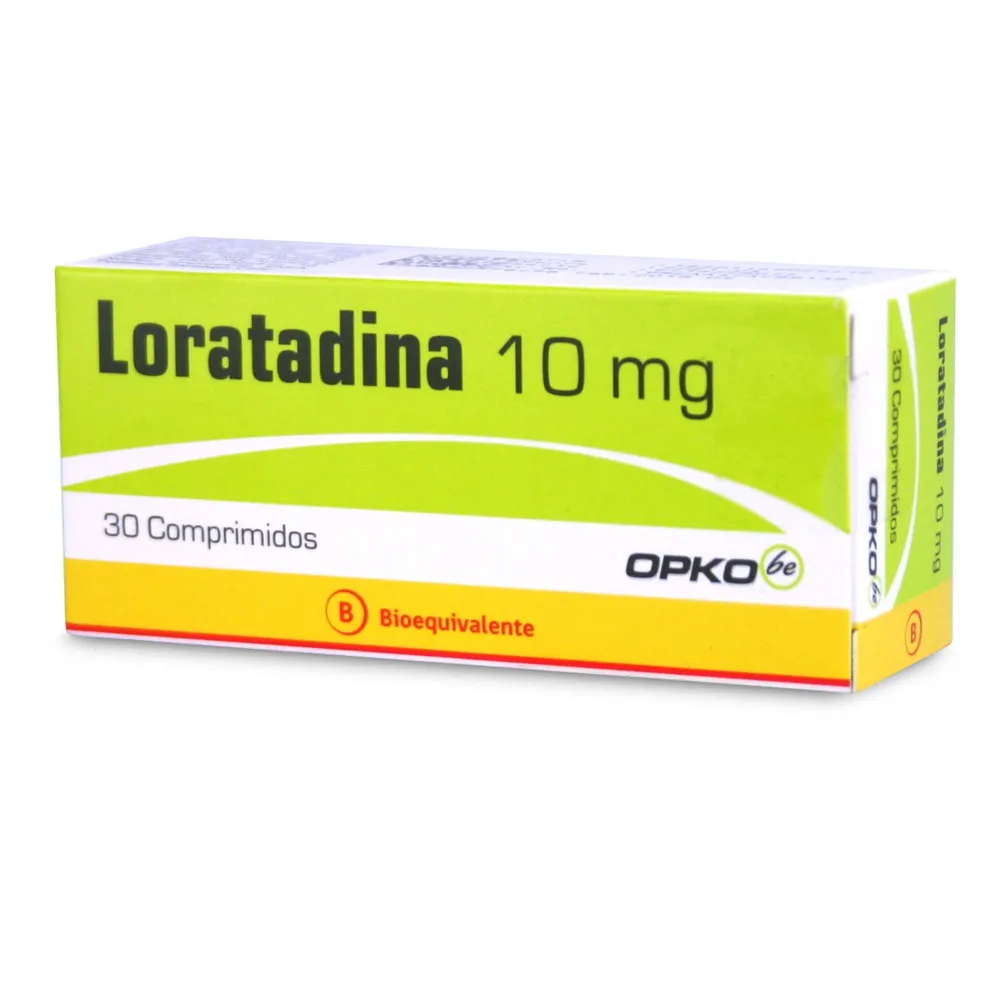
Table of Contents
- Package leaflet: Information for the user
- Introduction
- 1. What Loratadina Viatris is and what it is used for
- 2. What you need to know before taking Loratadine Viatris
- 3. How to take Loratadine Viatris
- 4. Possible adverse effects
- 5. Storage of Loratadine Viatris
- 6. Pack contents and additional information
Package leaflet: Information for the user
Introduction
Package leaflet: information for the patient
Loratadine Viatris 10 mg tablets EFG
Read all of this leaflet carefully before you start taking this medicine, because it contains important information for you.
-
Keep this leaflet, as you may need to read it again.
- If you have any questions, ask your doctor or pharmacist.
- This medicine has been prescribed for you only, and you should not give it to other people, even if they have the same symptoms as you, because it may harm them.
-
If you experience any adverse effects, consult your doctor or pharmacist, even if they are adverse effects not listed in this leaflet. See section 4.
Contents of the leaflet
- What Loratadine Viatris is and what it is used for
- What you need to know before taking Loratadine Viatris
- How to take Loratadine Viatris
- Possible adverse effects
- How to store Loratadine Viatris
- Contents of the pack and other information
1. What Loratadina Viatris is and what it is used for
Loratadina Viatris contains the active substance loratadine, which belongs to a group of medicines known as antihistamines.
This medicine helps reduce your allergy symptoms by blocking the effects of a substance called "histamine", which is produced by the body when you are allergic to something.
This medicine relieves symptoms associated with allergic rhinitis (e.g. hay fever), such as sneezing, runny or itchy nose, and burning or itchy eyes.
You should consult a doctor if your condition worsens or does not improve after 7 days.
2. What you need to know before taking Loratadine Viatris
Do not take Loratadine Viatris:
- If you are allergic to loratadine or to any of the other ingredients of this medicine (listed in section 6).
Warnings and precautions
Talk to your doctor, pharmacist, or nurse before starting to take this medicine.
Take special care with loratadine if:
- You have liver disease.
- You are due to undergo any type of skin allergy testing. Do not take this medicine during the 2 days prior to such tests, as this medicine may interfere with the test results.
Children and adolescents
Do not give this medicine to children under 6 years of age or to children weighing less than 30 kg. Other formulations are more appropriate for children under 6 years of age or weighing 30 kg or less.
Children under 2 years of age
The safety and efficacy of this medicine have not been established. No data are available.
Other medicines and Loratadine Viatris
The side effects of this medicine may increase when used together with medicines that affect the activity of certain liver enzymes, or if your liver is not functioning properly. In clinical studies, no increase in loratadine side effects was observed with medicines that affect these enzymes.
Tell your doctor, pharmacist, or nurse if you are taking, have recently taken, or might need to take any other medicines, including medicines not requiring a prescription.
Taking Loratadine Viatris with food and alcohol
It has not been shown that this medicine enhances the effects of alcoholic beverages.
Pregnancy and breastfeeding
If you are pregnant or breastfeeding, think you may be pregnant, or are planning to become pregnant, consult your doctor or pharmacist before using this medicine.
It is not recommended to take this medicine if you are pregnant or breastfeeding.
Driving and using machines
In clinical trials assessing driving ability, no impaired function was observed in patients receiving loratadine. At the recommended dose, this medicine is not expected to cause drowsiness or reduced alertness. However, very rarely, some individuals may experience drowsiness, which could affect their ability to drive or operate machinery.
Loratadine Viatris contains lactose
This medicine contains lactose. If your doctor has informed you that you have an intolerance to certain sugars, consult with them before taking this medicine.
3. How to take Loratadine Viatris
Follow exactly the instructions for use of this medicine as given by your doctor or pharmacist. If in doubt, consult your doctor or pharmacist again.
Your doctor will tell you how long to take this medicine. Do not stop treatment earlier.
Adults and children over 6 years of age weighing more than 30 kg
Take 1 tablet once daily with a glass of water, with or without food.
Body weight of 30 kg or less
Do not give this medicine. There are other more appropriate formulations available for children under 6 years of age who weigh 30 kg or less.
Children under 2 years of age
This medicine is not recommended for children under 2 years of age.
Adults and children with severe liver problems
Adults and children weighing more than 30 kg
Take 1 tablet once daily on alternate days with a glass of water, with or without food.
However, you should consult your doctor, pharmacist, or nurse before taking this medicine.
If your symptoms worsen or persist after 7 days of treatment, you should consult a doctor.
If you take more Loratadine Viatris than you should
If you take more loratadine than you should, contact your doctor or pharmacist immediately.
Somnolence, palpitations, and headache have been reported with overdose of this medicine.
In case of overdose or accidental ingestion, contact your doctor or pharmacist immediately or call the Toxicology Information Service (Telephone 91 562 04 20), indicating the medicine and the amount ingested.
If you forget to take Loratadine Viatris
If you forget to take your dose on time, take it as soon as possible, then return to your usual dosing schedule. Do not take a double dose to make up for forgotten doses.
If you have any further questions about the use of this product, ask your doctor or pharmacist.
4. Possible adverse effects
Like all medicines, this medicine may cause adverse effects, although not everyone experiences them.
The adverse effects most frequently reported in adults and adolescents over 12 years of age are:
- Somnolence.
- Headache.
- Increased appetite.
- Difficulty sleeping.
The adverse effects most frequently reported in children aged 6 to 12 years are:
- Headache.
- Nervousness.
- Fatigue.
During the post-marketing period of loratadine, the following very rare adverse effects have also been reported (may affect up to 1 in 10,000 people):
- Severe allergic reaction (including swelling).
- Dizziness.
- Seizures.
- Irregular or rapid heartbeat.
- Nausea (feeling sick).
- Dry mouth.
- Stomach discomfort.
- Liver problems.
- Hair loss.
- Skin rash.
- Fatigue.
Frequency not known (cannot be estimated from the available data):
- Weight gain.
Reporting of adverse effects
If you experience any type of adverse effect, consult your doctor or pharmacist, even if it is a possible adverse effect not listed in this leaflet. You may also report them directly through the Spanish Pharmacovigilance System for Human Medicines: https://www.notificaram.es. By reporting adverse effects, you can help provide more information on the safety of this medicine.
5. Storage of Loratadine Viatris
Keep this medicine out of the sight and reach of children.
This medicine does not require any special storage conditions.
Do not use this medicine after the expiry date stated on the packaging after EXP or CAD. The expiry date refers to the last day of the month indicated.
Do not use this medicine if you notice any changes in the appearance of the tablet.
Medicines must not be disposed of via wastewater or household waste. Dispose of packaging and unused medicines at a SIGRE point in your pharmacy. If in doubt, ask your pharmacist how to dispose of packaging and medicines you no longer need. This will help protect the environment.
6. Pack contents and additional information
Composition of Loratadine Viatris
- The active substance is loratadine. Each tablet contains 10 mg of loratadine.
- The other excipients are: monohydrate lactose, corn starch, povidone, and magnesium stearate (E-470b).
Appearance of the product and pack contents
Loratadine Viatris is presented as tablets.
White, round tablets with a score line.
Each pack contains blisters of 20 tablets.
Marketing Authorization Holder and Manufacturer
Marketing Authorization Holder
Viatris Pharmaceuticals, S.L.
C/ General Aranaz, 86
28027 - Madrid
Spain
Manufacturer
Toll Manufacturing Services, S.L.
C/ Aragoneses, 2
28108 - Alcobendas (Madrid)
Spain
Date of the most recent revision of this leaflet: April 2022
Detailed information on this medicinal product is available on the website of the Spanish Agency of Medicines and Medical Devices (AEMPS) https://www.aemps.gob.es/