Glimepiride Pensa 4 mg tablets EFG
Spain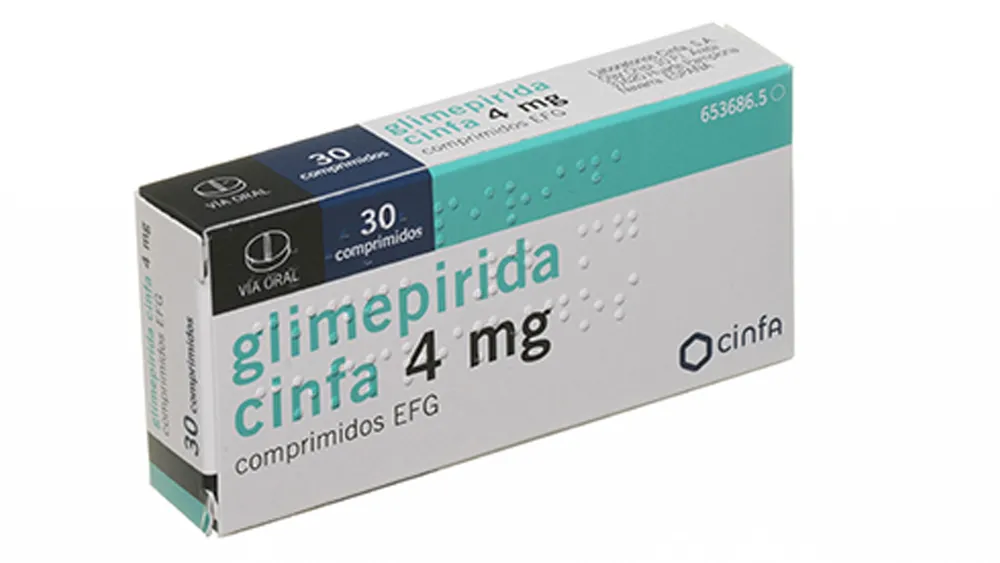
Table of Contents
Patient Information Leaflet
Introduction
PACKAGE LEAFLET: INFORMATION FOR THE USER
Glimepiride Pensa 4 mg tablets EFG
Read the entire leaflet carefully before starting to take this medicine, as it contains important information for you.
|
Package leaflet contents:
- What Glimepirida Pensa is and what it is used for
- What you need to know before taking Glimepirida Pensa
- How to take Glimepirida Pensa
- Possible side effects
- Storage of Glimepirida Pensa
- Contents of the pack and other information
1. What Glimepirida Pensa is and what it is used for
Glimepirida Pensa is a medication that lowers blood sugar levels and is active when taken orally. This medicine belongs to a group of blood sugar-lowering medications called sulfonylureas. Glimepirida Pensa increases the amount of insulin released by the pancreas. Insulin reduces the levels of sugar in your blood.
What Glimepirida Pensa is used for:
Glimepirida Pensa is used to treat a type of diabetes (type 2 diabetes mellitus) when diet, physical exercise, and weight reduction have not been sufficient to control your blood sugar levels.
2. What you need to know before taking Glimepirida Pensa
Do not take Glimepirida Pensa and speak with your doctor if:
- you are allergic (hypersensitive) to glimepiride, to other sulfonylureas (medicines used to lower your blood sugar levels such as glibenclamide) or sulfonamides (medicines for bacterial infections such as sulfamethoxazole), or to any of the other components of this medicine (listed in section 6).
- you have insulin-dependent diabetes (type 1 diabetes mellitus).
- you are experiencing diabetic coma (reduced level of consciousness due to ketoacidosis).
- you have diabetic ketoacidosis (a complication of diabetes when acid levels in your body rise and you may have any of the following symptoms: fatigue, dizziness (nausea), frequent urge to urinate, and muscle stiffness).
- you have severe kidney disease.
- you have severe liver disease.
Do not take this medicine if any of the above conditions apply to you. If you are unsure, consult your doctor or pharmacist before taking glimepiride.
Warnings and precautions
Consult your doctor or pharmacist before starting Glimepirida Pensa:
- if you are recovering from an illness, surgery, infection with fever, or other forms of stress. Inform your doctor, as adjustments to your treatment may be necessary.
- if you have severe impairment of liver or kidney function.
If you are unsure whether any of the above conditions apply to you, consult your doctor or pharmacist before taking this medicine.
A decrease in hemoglobin levels and breakdown of red blood cells (hemolytic anemia) may occur in patients who lack an enzyme called glucose-6-phosphate dehydrogenase.
Available information on the use of glimepiride in individuals under 18 years of age is limited. Therefore, its use is not recommended in these patients.
Important information about hypoglycemia (low blood sugar)
If you are taking glimepiride, you may experience hypoglycemia (low blood sugar). Please see below for more information about hypoglycemia, its signs, and treatment.
The following factors may increase your risk of hypoglycemia:
- Malnutrition, irregular meal times, skipping or delaying meals, fasting periods.
- Changes in your diet.
- If you take more glimepiride than needed.
- If you have reduced kidney function.
- If you have severe liver disease.
- If you have other hormonal disorders (such as thyroid gland, pituitary gland, or adrenal cortex problems).
- If you consume alcohol (especially if you skip a meal).
- If you take certain medications (see "Taking Glimepirida Pensa with other medicines").
- If you increase your physical activity without eating enough or consuming fewer carbohydrates than usual.
Signs of hypoglycemia include:
- Feeling hungry, headache, nausea, vomiting, lethargy, drowsiness, sleep disturbances, restlessness, aggressiveness, difficulty concentrating, reduced alertness and reaction time, depression, confusion, speech and vision disturbances, tremors, slurred speech, partial paralysis, sensory disturbances, dizziness, feeling helpless.
- The following symptoms may also occur: sweating, moist skin, anxiety, rapid heartbeat, high blood pressure, palpitations, sudden chest pain that may radiate to nearby areas (angina pectoris and cardiac arrhythmias).
If your blood sugar continues to drop, you may experience significant confusion (delirium), seizures, loss of self-control, shallow breathing, slower heart rate, and may become unconscious. The clinical picture of a severe drop in blood sugar resembles that of a stroke.
Treatment of hypoglycemia
In most cases, symptoms of low blood sugar disappear quickly when you consume sugar, such as sugar lumps, sweet fruit juices, or sugared tea.
Therefore, you should always carry some sugar with you (e.g., sugar lumps). Remember that artificial sweeteners are not effective. Please consult your doctor or go to the hospital if your symptoms do not improve after taking sugar or if symptoms recur.
Blood tests
Your blood and urine sugar levels should be monitored regularly. Your doctor may request blood tests to monitor your blood cell count and assess liver function.
Children and adolescents
The use of Glimepirida Pensa is not recommended in individuals under 18 years of age.
Taking Glimepirida Pensa with other medicines
Inform your doctor or pharmacist if you are currently using, or have recently used, any other medicines, including those obtained without a prescription, as it may be necessary to discontinue treatment or adjust the dose of one or more of them.
The following medicines may enhance the hypoglycemic effect of Glimepirida Pensa. This may lead to an increased risk of hypoglycemia (low blood sugar):
- Other medicines for treating diabetes mellitus (such as insulin or metformin)
- medicines for pain and inflammation (phenylbutazone, azapropazone, oxyphenbutazone; and aspirin derivatives)
- medicines for urinary tract infections (such as certain long-acting sulfonamides)
- medicines for fungal and bacterial infections (tetracyclines, chloramphenicol, fluconazole, miconazole, quinolones, clarithromycin)
- medicines used to thin the blood (coumarin derivatives such as warfarin)
- medicines to increase muscle mass (anabolic agents)
- medicines used in male hormone replacement therapy
- medicines for treating depression (fluoxetine, MAO inhibitors)
- medicines to lower high cholesterol levels (fibrates)
- medicines to lower high blood pressure (ACE inhibitors)
- medicines known as antiarrhythmics used to control abnormal heart rhythms (disopyramide)
- medicines for treating gout (allopurinol, sulfinpyrazone, probenecid)
- medicines for treating cancer (cyclophosphamide, ifosfamide, trofosfamide)
- medicines for weight loss (fenfluramine)
- medicines to improve circulation when administered at high doses via intravenous infusion (pentoxifylline)
- medicines for nasal allergies such as hay fever (tritoqualine)
- medicines known as sympatholytics used to treat high blood pressure, heart failure, or prostate symptoms
The following medicines may reduce the hypoglycemic effect of Glimepirida Pensa. This may lead to a risk of hyperglycemia (high blood sugar):
- medicines containing female sex hormones (estrogens and progestogens)
- medicines to increase urine production (thiazide diuretics)
- medicines used to stimulate the thyroid gland (such as levothyroxine)
- medicines for treating allergies and inflammation (glucocorticoids)
- medicines for treating severe mental disorders (chlorpromazine and other phenothiazine derivatives)
- medicines to increase heart rate, treat asthma or nasal congestion, cough and colds, or used for weight reduction, or used in life-threatening emergencies (adrenaline and sympathomimetics)
- medicines for treating high cholesterol (nicotinic acid)
- medicines for treating constipation when used long-term (laxatives)
- medicines for treating seizures (phenytoin)
- medicines for treating nervousness and sleep problems (barbiturates)
- medicines to increase eye pressure (acetazolamide)
- medicines for treating high blood pressure or low blood sugar (diazoxide)
- medicines for treating infections, tuberculosis (rifampicin)
- medicines for treating severe low blood sugar (glucagon)
The following medicines may increase or decrease the hypoglycemic effect of Glimepirida Pensa:
- medicines for treating stomach ulcers (known as H2 antagonists)
- medicines for treating high blood pressure or heart failure such as beta-blockers, clonidine, guanethidine, and reserpine. These may even mask the signs of hypoglycemia, so special caution is required when taking these medicines.
Glimepirida Pensa may also increase or decrease the effects of the following medicines:
- Medicines that inhibit blood clotting (coumarin derivatives such as warfarin).
- Colesevelam, a medicine used to lower cholesterol, affects the absorption of Glimepirida Pensa. To avoid this effect, it is recommended to take Glimepirida Pensa at least 4 hours before colesevelam.
Taking Glimepirida Pensa with food, drinks, and alcohol
Alcohol consumption may unpredictably increase or decrease the hypoglycemic action of Glimepirida Pensa.
Pregnancy, breastfeeding, and fertility
Pregnancy
Glimepiride should not be taken during pregnancy. Consult your doctor if you are pregnant, think you may be pregnant, or are planning to become pregnant.
Breastfeeding
Glimepiride may pass into breast milk. Glimepiride should not be used during breastfeeding.
Consult your doctor or pharmacist before taking any medicine.
Driving and using machines
Your ability to concentrate and react may be affected by symptoms caused by hypoglycemia or hyperglycemia, such as vision problems. This could be dangerous in situations where these skills are important (e.g., driving or operating machinery). Therefore, consult your doctor to determine whether it is advisable to drive or operate machinery.
Important information about some of the components of Glimepirida Pensa
This medicine contains lactose. If your doctor has informed you that you have an intolerance to certain sugars, consult with him before taking this medicine.
3. How to take Glimepirida Pensa
Follow exactly the administration instructions for Glimepirida as given by your doctor. Consult your doctor or pharmacist if you have any doubts.
How to take this medicine
- Take this medicine orally, just before or with the first meal of the day (usually breakfast). If you do not eat breakfast, you should take the product as directed by your doctor. It is important not to skip any meals while taking glimepiride.
- Swallow the tablet with at least half a glass of water. Do not split or chew the tablets. The tablet's score line is intended solely for splitting the tablet if you have difficulty swallowing it whole.
How much to take
The dose of glimepiride depends on your individual needs, condition, and blood and urine sugar test results, and will be determined by your doctor. Do not take more tablets than your doctor has prescribed.
- The initial dose is one 1 mg glimepiride tablet per day.
- If necessary, your doctor may gradually increase the dose after 1–2 weeks of treatment.
- The maximum recommended dose is 6 mg of glimepiride per day.
- You may start combination therapy with glimepiride plus metformin or glimepiride plus insulin. In such cases, your doctor will individually determine the appropriate doses of glimepiride, metformin, and insulin for you.
- If your weight changes, if you change your lifestyle, or if you are under stress, you may need to adjust your glimepiride dose; therefore, inform your doctor.
- If you feel that the effect of glimepiride is too strong or too weak, do not adjust the dose yourself—inform your doctor or pharmacist.
If you take more Glimepirida Pensa than you should
If you accidentally take too much glimepiride or an extra dose, there is a risk of hypoglycemia (for symptoms of hypoglycemia, see section 2). You should immediately consume sufficient sugar (for example, sugar lumps, sweet fruit juice, sugared tea) and inform your doctor immediately.
When treating hypoglycemia due to accidental ingestion in children, the amount of sugar administered must be carefully controlled to avoid causing dangerous hyperglycemia. Unconscious individuals should not be given food or drink.
Since hypoglycemia may last for some time, it is very important that the patient is carefully monitored until there is no further risk. As a precaution, hospitalization may be necessary. Show the packaging or any remaining tablets to the doctor so they can determine what you have taken.
Severe cases of hypoglycemia accompanied by loss of consciousness and serious neurological impairment are medical emergencies requiring immediate medical treatment and hospitalization. Ensure that there is always an informed person available who can call a doctor in case of emergency.
In case of overdose or accidental ingestion, contact your doctor or pharmacist immediately, go to the nearest hospital emergency department with this leaflet, or call the Toxicology Information Service at 91 562 04 20, indicating the name of the medicine and the amount ingested or administered.
If you forget to take Glimepirida Pensa
Do not take a double dose to make up for missed doses.
If you stop taking Glimepirida Pensa
If you interrupt or stop treatment, be aware that the desired effect of lowering blood sugar will not be achieved, or your condition may worsen again. Continue taking glimepiride until your doctor tells you to stop.
If you have any further questions about the use of this medicine, ask your doctor or pharmacist.
4. Possible adverse effects
Like all medicines, this medicine can cause adverse effects, although not everyone will experience them.
Consult your doctor immediately if you experience any of the following symptoms:
- Allergic reactions (including inflammation of blood vessels, often with skin rash), which may lead to severe reactions with breathing difficulties, low blood pressure, and sometimes resulting in shock.
- Abnormal liver function, including yellowing of the skin and eyes (jaundice), problems with bile flow (cholestasis), inflammation of the liver (hepatitis), or liver failure.
- Skin allergy (hypersensitivity) such as itching, skin rash, urticaria, and photosensitivity. Some mild allergic reactions may progress to severe reactions.
- Severe hypoglycemia (reduction in blood sugar levels), including loss of consciousness, seizures, or coma.
Some patients have experienced the following adverse effects while taking glimepiride:
Rare adverse effects (affect up to 1 in 1,000 people)
- Blood sugar levels below normal (hypoglycemia) (see section 2).
- Reduction in blood cell counts:
- Platelets (which increases the risk of bleeding or bruising).
- White blood cells (which makes infections more likely).
- Red blood cells (which may cause paleness of the skin and lead to weakness or difficulty breathing).
In general, these abnormalities resolve when treatment with glimepiride is discontinued.
Very rare adverse effects (affect up to 1 in 10,000 people)
- Allergic reactions (including inflammation of blood vessels, often with skin rash), which may trigger severe reactions with breathing difficulties, low blood pressure, and sometimes result in shock. If you experience any of these symptoms, inform your doctor immediately.
- Abnormal liver function, including yellowing of the skin and eyes (jaundice), problems with bile flow (cholestasis), inflammation of the liver, or liver failure. If you experience any of these symptoms, inform your doctor immediately.
- Nausea, vomiting, diarrhea, feeling of heaviness or bloating in the stomach, and stomach pain.
- Decreased levels of sodium in the blood (detectable in blood tests).
Other adverse effects include:
- Skin allergy (hypersensitivity) such as itching, skin rash, urticaria, and light sensitivity. Some mild allergic reactions may progress to severe reactions with difficulty swallowing or breathing, or swelling of the lips, throat, or tongue. Therefore, if you experience any of these adverse effects, inform your doctor immediately.
- Allergic reactions to sulfonylureas, sulfonamides, or related medicines.
- You may experience vision disturbances when starting treatment with glimepiride. This is due to changes in blood sugar levels and should improve quickly.
- Increased liver enzymes.
- Unusual severe bleeding or bruising under the skin.
Reporting of adverse effects:
If you experience any type of adverse effect, talk to your doctor or pharmacist, even if it is a possible adverse effect not listed in this leaflet. You can also report them directly via the Spanish Pharmacovigilance System for Human Medicines: http://www.notificaram.es. By reporting adverse effects, you can help provide more information on the safety of this medicine.
5. Storage of Glimepiride Pensa
No special storage conditions are required.
Keep out of the sight and reach of children.
Do not use this medicine after the expiry date stated after "EXP" on the packaging. The expiry date refers to the last day of the month indicated.
Medicines must not be disposed of via wastewater or household waste. Dispose of unused medicines and their containers at the SIGRE Point at your pharmacy. If you have any doubts, ask your pharmacist how to properly dispose of unused medicines and their packaging. This will help protect the environment.
6. Contents of the pack and other information
Composition of Glimepirida Pensa 4 mg tablets
The active substance is glimepiride. Each tablet contains 4 mg of glimepiride.
The other components are: monohydrate lactose, microcrystalline cellulose (E-460), sodium starch glycolate from potato, povidone K-30 and magnesium stearate (E-572).
Appearance of the product and contents of the pack
Glimepirida Pensa 4 mg tablets are presented as white, biconvex, scored tablets, with scoring on one side. Each pack contains 30 or 120 tablets.
Marketing Authorization Holder
Towa Pharmaceutical, S.A.
C/ de Sant Martí, 75-97
08107 Martorelles (Barcelona)
Spain
Manufacturer
Laboratorios Alter, S.A.
Mateo Inurria, 30
28036 Madrid
Date of the most recent revision of this leaflet: July 2018
Detailed and up-to-date information on this medicinal product is available on the website of the Spanish Agency for Medicines and Health Products (AEMPS) http://www.aemps.gob.es