Evra 203 micrograms/24 hours + 33.9 micrograms/24 hours transdermal patch
Spain
Table of Contents
Package leaflet: Information for the user
Introduction
Package leaflet: information for the user
EVRA 203 micrograms/24 hours + 33.9 micrograms/24 hours transdermal patch norelgestromin/ethinylestradiol
Important things you should know about combined hormonal contraceptives (CHCs):
-
They are one of the most reliable reversible contraceptive methods if used correctly.
-
They slightly increase the risk of developing a blood clot in the veins and arteries, especially during the first year or when restarting a combined hormonal contraceptive after a break of 4 weeks or more.
-
Be alert and consult your doctor if you think you may have symptoms of a blood clot (see section 2 “Blood clots”).
Read this entire leaflet carefully before you start using this medicine, because it contains important information for you.
-
Keep this leaflet, as you may need to read it again.
-
If you have any questions, consult your doctor, pharmacist or nurse.
-
This medicine has been prescribed for you only and must not be given to other people, as it may harm them.
-
If you experience any adverse effects, consult your doctor, pharmacist or nurse, even if they are adverse effects not listed in this leaflet. See section 4.
Contents of this leaflet
-
What EVRA is and what it is used for
-
What you need to know before using EVRA
-
How to use EVRA
-
Possible adverse effects
-
How to store EVRA
-
Contents of the pack and other information
1. What EVRA is and what it is used for
EVRA contains two types of sex hormones: a progestogen called norelgestromine and an oestrogen called ethinylestradiol.
As it contains two hormones, EVRA is considered a "combined hormonal contraceptive".
It is used to prevent pregnancy.
2. What you need to know before starting to use EVRA
General considerations
Before starting to use EVRA, you must read the information about blood clots in section 2. It is particularly important that you read about the symptoms of a blood clot (see section 2 “Blood clots”).
When you must not use EVRA
Do not use EVRA if you have any of the conditions listed below. If you have any of the conditions listed below, you must inform your doctor. Your doctor will discuss with you which other form of contraception would be more suitable.
-
if you have (or have ever had) a blood clot in a blood vessel in your legs (deep vein thrombosis, DVT), in your lungs (pulmonary embolism, PE), or in other organs;
-
if you know you have a disorder affecting blood clotting: for example, protein C deficiency, protein S deficiency, antithrombin III deficiency, factor V Leiden, or antiphospholipid antibodies;
-
if you require surgery or if you are going to be immobile for a long time (see section “Blood clots”);
-
if you have ever had a heart attack or a stroke;
-
if you have (or have ever had) angina pectoris (a condition causing severe chest pain and may be the first sign of heart attack) or a transient ischaemic attack (TIA, temporary stroke-like symptoms);
-
if you have any of the following conditions that may increase your risk of developing a clot in the arteries:
-
severe diabetes with blood vessel damage
-
very high blood pressure
-
very high levels of fat in the blood (cholesterol or triglycerides)
-
a condition called hyperhomocysteinaemia
-
if you have (or have ever had) a type of migraine called “migraine with aura”;
-
if you are allergic to norelgestromin, ethinylestradiol, or any of the other ingredients of this medicine (listed in section 6);
-
if you have ever been told you may have breast cancer or cancer of the uterus, cervix, or vagina;
-
if you have ever had a liver tumour or a liver disease causing your liver not to function properly;
-
if you have unexplained vaginal bleeding.
-
if you have hepatitis C and are being treated with medicines containing ombitasvir/paritaprevir/ritonavir and dasabuvir (see also section “Other medicines and EVRA”).
Do not use this medicine if you have any of the above-mentioned conditions. If you are unsure, consult your doctor, pharmacist, or nurse before using this medicine.
When you must take special care with EVRA
When should you consult your doctor? Seek urgent medical attention
"Blood clot [thrombosis]" below). For a description of the symptoms of these serious side effects, see "How to recognize a blood clot". |
Warnings and precautions
Before using this medicine, you must have a medical examination by your doctor.
Inform your doctor if you have any of the following conditions.
If any of these conditions develop or worsen while you are using EVRA, you must also inform your doctor.
-
if you have Crohn's disease or ulcerative colitis (chronic inflammatory bowel disease);
-
if you have systemic lupus erythematosus (SLE, a disease affecting your body's natural defense system);
-
if you have hemolytic uremic syndrome (HUS, a blood clotting disorder causing kidney failure);
-
if you have sickle cell anemia (an inherited red blood cell disorder);
-
if you have high levels of fat in the blood (hypertriglyceridemia) or a family history of this condition. Hypertriglyceridemia has been associated with an increased risk of pancreatitis (inflammation of the pancreas);
-
if you require surgery or will be immobile for long periods (see section 2 “Blood clots”);
-
if you have recently given birth, you are at increased risk of blood clots. You should ask your doctor how long after delivery you can start using EVRA;
-
if you have inflammation of veins beneath the skin (superficial thrombophlebitis);
-
if you have varicose veins;
BLOOD CLOTS
Using a combined hormonal contraceptive such as EVRA increases your risk of developing a blood clot compared to not using it. Rarely, a blood clot may block blood vessels and cause serious problems.
Blood clots may form:
-
in veins (called “venous thrombosis”, “venous thromboembolism” or VTE)
-
in arteries (called “arterial thrombosis”, “arterial thromboembolism” or ATE)
Recovery from blood clots is not always complete. Rarely, there may be serious long-term effects, and very rarely, they may be fatal.
It is important to remember that the overall risk of a harmful blood clot due to EVRA is small.
HOW TO RECOGNIZE A BLOOD CLOT
Seek urgent medical attention if you notice any of the following signs or symptoms.
Are you experiencing any of these signs? | What might you be | |||
suffering from? | ||||
? | swelling in one leg or foot or along a vein in the | Deep vein thrombosis | ||
leg or foot, especially when accompanied by: | ||||
- | pain or tenderness in the leg, which may only be | |||
noticed when standing or walking; | ||||
- | increased warmth in the affected leg; | |||
- | change in skin color of the leg, e.g., if it becomes | |||
pale, red, or blue. | ||||
? | sudden shortness of breath without a known cause or | Pulmonary embolism | ||
? | rapid breathing; | |||
sudden cough without a clear cause, possibly bringing up blood; | ||||
? | sudden chest pain that may worsen when breathing | |||
? | deeply; | |||
severe dizziness or lightheadedness; | ||||
? | rapid or irregular heartbeat; | |||
? | severe stomach pain. | |||
If you are unsure, consult a doctor, as some of these | ||||
symptoms such as cough or shortness of breath may be mistaken for | ||||
a milder condition such as a respiratory infection (e.g., a | ||||
"common cold") | ||||
Symptoms occurring more frequently in one eye: | Retinal vein thrombosis (blood | |||
? | sudden loss of vision, or | clot in the eye) | ||
? | painless blurred vision, which may progress to | |||
loss of vision. |
? | chest pain, discomfort, pressure, heaviness; | Heart attack |
? | feeling of tightness or fullness in the chest, arm, or below | |
? | the sternum; | |
sensation of fullness, indigestion, or suffocation; | ||
? | discomfort in the upper body radiating to the | |
? | back, jaw, throat, arm, or stomach; | |
sweating, nausea, vomiting, or dizziness; | ||
? | extreme weakness, anxiety, or shortness of breath; | |
? | rapid or irregular heartbeat. | |
? | sudden weakness or numbness of the face, arm, or | Stroke |
? | leg, especially on one side of the body; | |
sudden confusion, difficulty speaking or understanding; | ||
? | speech; | |
sudden difficulty seeing in one or both eyes; | ||
? | sudden difficulty walking, dizziness, loss of | |
? | balance or coordination; | |
sudden, severe, and prolonged headache without known | ||
? | cause; | |
loss of consciousness or fainting, with or without | ||
seizures. | ||
Sometimes stroke symptoms may be brief, with almost | ||
immediate and complete recovery, but you should still seek | ||
urgent medical attention as you may be at risk of having | ||
another stroke. | ||
? | swelling and slight blue discoloration of a limb; | Blood clots blocking |
? | sudden severe stomach pain (acute abdomen). | other blood vessels |
BLOOD CLOTS IN A VEIN |
What could happen if a blood clot forms in a vein?
-
The use of combined hormonal contraceptives has been associated with an increased risk of blood clots in the veins (venous thrombosis). However, these adverse effects are rare. They occur more frequently during the first year of using a combined hormonal contraceptive.
-
If a blood clot forms in a vein of the leg or foot, it may cause deep vein thrombosis (DVT).
-
If a blood clot travels from the leg and lodges in the lung, it may cause a pulmonary embolism.
-
Very rarely, a clot may form in a vein of another organ such as the eye (retinal vein thrombosis).
When is the risk of developing a blood clot in a vein higher?
The risk of developing a blood clot in a vein is higher during the first year of first taking a combined hormonal contraceptive. The risk may also be higher if you restart taking a combined hormonal contraceptive (the same medication or a different one) after a break of 4 weeks or more.
After the first year, the risk decreases, but it is always somewhat higher than if you were not taking a combined hormonal contraceptive.
When you stop using EVRA, your risk of developing a blood clot returns to normal within a few weeks.
What is the risk of developing a blood clot?
The risk depends on your natural risk of venous thromboembolism (VTE) and on the type of combined hormonal contraceptive you are taking.
The overall risk of developing a blood clot in the leg or lung (DVT or PE) with EVRA is small.
-
Among 10,000 women who do not use any combined hormonal contraceptive and who are not pregnant, about 2 may develop a blood clot within one year.
-
Among 10,000 women who use a combined hormonal contraceptive containing levonorgestrel, norethisterone, or norgestimate, about 5–7 will develop a blood clot within one year.
-
Among 10,000 women who use a combined hormonal contraceptive containing etonogestrel or norelgestromine, such as EVRA, between about 6 and 12 women will develop a blood clot within one year.
-
Your risk of developing a blood clot will vary depending on your personal medical history (see “Factors that increase your risk of a blood clot” below).
Risk of developing a blood clot | |
within one year | |
Women who do not use a combined hormonal patch/pill/ring | About 2 in 10,000 women |
vaginal and who are not pregnant | |
Women who use a combined hormonal contraceptive pill | About 5-7 in 10,000 women |
containing levonorgestrel, norethisterone, or | |
norgestimate | |
Women who use EVRA | About 6-12 in 10,000 women |
Factors that increase your risk of a blood clot in a vein
The risk of having a blood clot with EVRA is small, but certain conditions increase the risk. Your risk is higher:
-
if you are overweight (body mass index or BMI above 30 kg/m²);
-
if any of your close relatives have had a blood clot in the leg, lung, or another organ at a young age (i.e., before approximately 50 years). In this case, you might have an inherited blood clotting disorder;
-
if you require surgery or will be immobile for a long time due to injury or illness, or if your leg is in a cast. You may need to stop using EVRA several weeks before surgery or while you are less mobile. If you need to stop using EVRA, ask your doctor when you can start using it again;
-
as you get older (especially over about 35 years);
-
if you have given birth within the last few weeks.
The risk of developing a blood clot increases the more conditions you have.
Air travel (>4 hours) may temporarily increase the risk of a blood clot, especially if you have any of the other listed risk factors.
It is important to inform your doctor if you have any of the above conditions, even if you are unsure. Your doctor may decide that you should stop using EVRA.
If any of the above conditions change while you are using EVRA—for example, a close relative experiences a thrombosis without a known cause, or you gain significant weight—inform your doctor.
BLOOD CLOTS IN AN ARTERY
What can happen if a blood clot forms in an artery?
Like a blood clot in a vein, a clot in an artery can cause serious problems. For example, it can cause a heart attack or stroke.
Factors that increase your risk of a blood clot in an artery
It is important to note that the risk of heart attack or stroke from using EVRA is very small, but it may increase:
-
with age (over about 35 years);
-
if you smoke. When using a combined hormonal contraceptive such as EVRA, you are advised to stop smoking. If you are unable to stop smoking and are over 35 years old, your doctor may advise you to use a different type of contraceptive;
-
if you are overweight;
-
if you have high blood pressure;
-
if a close relative has had a heart attack or stroke at a young age (under about 50 years). In this case, you may also have an increased risk of heart attack or stroke;
-
if you or a close relative has high levels of fat in the blood (cholesterol or triglycerides);
-
if you suffer from migraines, especially migraines with aura;
-
if you have a heart condition (valve disorder, a heart rhythm disorder called atrial fibrillation);
-
if you have diabetes.
If you have one or more of these conditions, or if any of them are particularly severe, your risk of developing a blood clot may be further increased.
If any of the above conditions change while you are using EVRA—for example, you start smoking, a close relative experiences a thrombosis without a known cause, or you gain significant weight—inform your doctor.
Psychiatric disorders:
Some women who use hormonal contraceptives such as EVRA have reported depression or a depressed mood. Depression can be severe and may sometimes lead to suicidal thoughts. If you experience mood changes or symptoms of depression, contact your doctor for medical advice as soon as possible.
Additionally, consult your doctor, pharmacist, or nurse before starting to use EVRA if you have or have had any of the following conditions, or if they appear or worsen during treatment with EVRA:
-
You think you might be pregnant;
-
You have headaches that worsen or occur more frequently;
-
You weigh 90 kg or more (equivalent to 14 st and 2 lb or more);
-
You have high blood pressure or a tendency for it to increase;
-
You have a gallbladder disease, including gallstones or inflammation of the gallbladder;
-
You have a blood disorder called porphyria;
-
You have a neurological disorder causing sudden, involuntary movements of the body called “Sydenham’s chorea”;
-
You had blistering skin rashes during pregnancy (“herpes gestationis”);
-
You have hearing loss;
-
You have diabetes;
-
You have depression;
-
You have epilepsy or any other condition causing seizures;
-
You have liver disorders, including yellowing of the skin and whites of the eyes (jaundice);
-
You have or have had “pregnancy mask.” These are spots or yellowish-brown patches on the skin, especially on the face (called “chloasma”). These patches may not disappear completely, even after stopping EVRA. Protect your skin from sunlight or ultraviolet radiation. This may help prevent these patches from appearing or worsening.
-
You have kidney problems.
If you are unsure whether you have any of the above conditions, consult your doctor or pharmacist before using EVRA.
Sexually transmitted infections
This medicine does not protect you from HIV (AIDS) infection or any other sexually transmitted infections. This includes chlamydia, genital herpes, genital warts, gonorrhea, hepatitis B, syphilis. Always use condoms to protect yourself from these infections.
Laboratory tests
- If you need a blood or urine test, inform your doctor or laboratory staff that you are using EVRA, as hormonal contraceptives may alter some test results.
Children and adolescents
EVRA has not been studied in girls and adolescents under 18 years of age. EVRA must not be used in girls and adolescents who have not yet had their first menstrual period.
Other medicines and EVRA
Inform your doctor or pharmacist if you are taking, have recently taken, or might need to take any other medicines.
Do not use EVRA if you have hepatitis C and are taking medications containing ombitasvir/paritaprevir/ritonavir and dasabuvir, as this may cause elevated liver function test results in blood tests (increase in hepatic ALT enzyme). Your doctor will prescribe another type of contraceptive method before starting treatment with these medications. EVRA can be restarted approximately 2 weeks after completing this treatment. See section “When not to use EVRA.”
Certain medicines and herbal products may interfere with the effectiveness of EVRA.
If this happens, you could become pregnant or experience unexpected bleeding.
These include medicines used to treat:
-
some antivirals used for HIV/AIDS and hepatitis C virus infections (protease inhibitors and non-nucleoside reverse transcriptase inhibitors such as ritonavir, nevirapine, efavirenz);
-
medicines for infections (such as rifampicin and griseofulvin);
-
anticonvulsant medicines (such as barbiturates, topiramate, phenytoin, carbamazepine, primidone, oxcarbazepine, and felbamate);
-
bosentan (a medicine used to treat high blood pressure in the blood vessels of the lungs);
-
St. John’s wort or Hypericum (a herbal remedy used for depression).
If you are taking any of the above-mentioned medicines, you should use another contraceptive method (such as condom, diaphragm, or foam). The effect of some of these medicines may last up to 28 days after stopping them. Consult your doctor or pharmacist about using another contraceptive method if you are using EVRA together with any of the medicines listed above.
EVRA may reduce the effect of some medicines, such as:
-
medicines containing cyclosporine;
-
lamotrigine used for epilepsy [This may increase the risk of seizures].
Your doctor may need to adjust the dose of the other medicine. Consult your doctor or pharmacist before taking any medicine.
Pregnancy and breastfeeding
-
Do not use this medicine if you are pregnant or think you might be pregnant.
-
Stop using this medicine immediately if you become pregnant.
-
Do not use this medicine if you are breastfeeding or plan to breastfeed.
If you think you might be pregnant or intend to become pregnant, consult your doctor or pharmacist before using this medicine.
Driving and using machines
You may drive or use machines while using this medicine.
Risks of using combined hormonal contraceptives
The following information is based on data from combined oral contraceptive pills. Since the transdermal patch EVRA contains hormones similar to those used in combined oral contraceptive pills, it is likely to carry the same risks. The use of any combined oral contraceptive pill involves risks, which could lead to disability or death.
It has not been demonstrated that a transdermal patch such as EVRA is safer than an orally administered combined contraceptive pill.
Combined hormonal contraceptives and cancer
Cervical cancer (neck of the womb)
Cervical cancer is also detected more frequently in women who use combined hormonal contraceptives. However, this may be due to other causes, including sexually transmitted infections.
Breast cancer
Breast cancer has been diagnosed more frequently in women using combined hormonal contraceptives. However, it is possible that combined hormonal contraceptives are not the cause of the increased incidence of breast cancer. This may be because women who use combined hormonal contraceptives undergo more frequent examinations, increasing the likelihood of detection. The increased risk of breast cancer gradually decreases after stopping combined hormonal contraceptives. After ten years, the risk equals that of women who have never used combined hormonal contraceptives.
Liver cancer
Rare cases of non-cancerous liver tumors have been reported in women taking combined hormonal contraceptives. Even more rarely, cancerous liver tumors have been reported. These may cause internal bleeding with severe abdominal pain. If you experience this symptom, you must contact your doctor immediately.
3. How to use EVRA
Follow exactly the administration instructions for this medicine given by your doctor or pharmacist.
Otherwise, the risk of becoming pregnant may increase.
-
Consult your doctor or pharmacist if you have any doubts.
-
You should have non-hormonal contraceptive methods available (such as condoms, diaphragm, or contraceptive foam) as a backup in case you make any error when using the patch.
How many patches to use
-
Weeks 1, 2 and 3: Apply one patch and leave it on for exactly 7 days.
-
Week 4: Do not apply a patch this week.
If you have not used a hormonal contraceptive method in the previous cycle
-
You may start using this medicine on the first day of your next period.
-
If one or more days have passed since the beginning of your period, consult your doctor about using a temporary non-hormonal contraceptive method.
Switching from oral contraceptive pills to EVRA
If switching from oral contraceptive pills to this medicine:
-
Wait until you have your menstrual period.
-
Apply the first patch within the first 24 hours of your period.
If you apply the patch after Day 1 of your period, you must:
- Use a non-hormonal contraceptive method simultaneously until Day 8, when you change the patch.
If you do not have your period within 5 days after taking the last oral contraceptive pill, consult your doctor before starting to use this medicine.
Switching from a progestogen-only pill, implant, or injectable contraceptive to EVRA
- You may start treatment with this medicine on any day after stopping the progestogen-only pill, on the day of implant removal, or on the day your next injection is due.
- Apply the patch the day after stopping the progestogen-only pill, on the day of implant removal, or on the day your next injection is due.
- You must use a non-hormonal contraceptive method simultaneously until Day 8, when you change the patch.
After a spontaneous or induced abortion before 20 weeks of gestation
-
Consult your doctor.
-
You may start using this medicine immediately.
If one or more days have passed since the spontaneous or induced abortion when you start using this medicine, consult your doctor about using a temporary non-hormonal contraceptive method.
After a spontaneous or induced abortion after 20 weeks of gestation
- Consult your doctor.
You may start using this medicine 21 days after the induced or spontaneous abortion, or on the first day of your next period, whichever occurs first.
After childbirth
-
Consult your doctor.
-
If you have given birth and are not breastfeeding, you should not start using this medicine earlier than 4 weeks after childbirth.
-
If you start using it later than 4 weeks after childbirth, use a non-hormonal contraceptive method simultaneously during the first 7 days.
If you have had sexual intercourse since childbirth, wait until you have your first menstrual period or consult your doctor to ensure you are not pregnant before starting to use this medicine.
If you are breastfeeding
-
Consult your doctor.
-
Do not use this medicine if you are breastfeeding or planning to breastfeed (see also section 2, Pregnancy and breastfeeding).
Important information to follow while using the patch
-
Change the EVRA patch on the same day each week, as it is designed to work for 7 days.
-
Never go without wearing the patch for more than 7 consecutive days.
-
Patches should be worn only one at a time.
-
Do not cut or manipulate the patch in any way.
-
Avoid applying the patch on an area of skin that is red, irritated, or cut.
-
The patch must adhere properly to the skin to work correctly.
-
Press firmly on the patch until the edges are securely attached.
-
Do not apply creams, oils, lotions, powders, or makeup to the area of skin where you will apply the patch or near the area where you wear the patch. This could cause the patch to detach.
-
Do not apply a new patch to the same area from which you just removed the previous patch. Doing so increases the likelihood of skin irritation.
-
Check every day to make sure the patch has not fallen off.
-
Do not stop using the patches even if you do not have sexual intercourse frequently.
How to use the patch:
If this is the first time you are using EVRA, wait until the day your menstrual period starts.

-
Apply the first patch within the first 24 hours of your period.
-
If you apply the patch after the first day of your period, you must use a non-hormonal contraceptive method until Day 8, when you change the patch.
-
The day you apply the first patch will be Day 1. The “Patch Change Day” will be that same day each week.
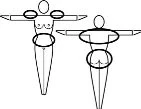
Choose a location on your body to apply the patch.
-
Always apply the patch to clean, dry, and hair-free skin.
-
Apply it to the buttock, abdomen, outer arm, or upper back, in an area not likely to be rubbed by tight clothing.
-
Never apply the patch on the breasts.
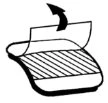
| Using your fingers, open the aluminum pouch.
Avoid contact with the adhesive surface. |
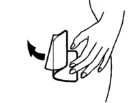
| Apply the patch to your skin.
|
| Wear the patch continuously for 7 days (one week).
|
|
Apply a new patch. This completes a total of three weeks of wearing patches. To avoid skin irritation, do not apply the new patch in exactly the same location as the previous one. |
| Do not wear any patch during Week 4 (Day 22 to Day 28).
|
| At the start of your next four-week cycle.
|
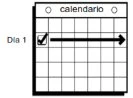

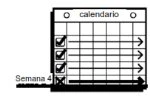
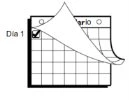
If you wish to change the “Patch Change Day” to a different day of the week, consult your doctor. You must complete the current cycle and remove the third patch on the correct day. During week 4, you may choose a new Patch Change Day and apply the first patch on that chosen day. In no case should you go more than 7 consecutive days without a patch.
If you wish to delay your period, apply a new patch at the beginning of week 4 (Day 22), thus skipping the usual patch-free week. You may experience light bleeding or intermenstrual spotting. Do not use more than 6 consecutive patches (i.e., no more than 6 weeks). After using 6 consecutive patches (for 6 consecutive weeks), do not apply another patch in week 7. After a 7-day period without a patch, apply a new patch and begin a new cycle, using this as Day 1. Consult your doctor before deciding to delay your period.
Daily activities while using the patches
-
Normal activities such as bathing, showering, sauna, and exercise should not affect the performance of the patch.
-
The patch is designed to stay in place during these activities.
-
However, it is recommended that you check whether the patch has become detached after performing these activities.
If you need to apply the patch to a new area of the body on a day different from your “Patch Change Day”
If the patch you are wearing is uncomfortable or causes irritation:
-
You may remove it and apply a new patch to a different area of the body until your next scheduled “Patch Change Day.”
-
You should wear only one patch at a time.
If you have difficulty remembering to change the patch
- Consult your doctor, pharmacist, or nurse about ways to make patch changes easier. They may also advise you on using another contraceptive method.
If the patch starts to come off, its edges lift, or it falls off
Less than one day (up to 24 hours):
-
Try to reapply the patch or immediately apply a new one.
-
Additional contraceptive measures are not necessary.
-
Your “Patch Change Day” should remain the same.
-
Do not reapply a patch if:
- the adhesive no longer sticks
-
it has adhered to itself or another surface
-
it has particles stuck to it
-
it has come off or fallen off a second time.
-
Do not use any type of adhesive or bandage to secure the patch in place.
-
If you cannot reapply the patch, you must apply a new one immediately.
More than one day (24 hours or longer) or if you do not know how long:
-
Immediately start a new four-week cycle by applying a new patch.
-
From now on, this will be a new Day 1 and a new “Patch Change Day.”
-
You must use additional non-hormonal contraception during the first week of the new cycle.
You may become pregnant if you do not follow these instructions.
If you forget to change the transdermal patch
At the beginning of any patch cycle (Week 1 (Day 1)):
If you forget to apply the patch, you may be at very high risk of becoming pregnant.
-
You must use additional non-hormonal contraception for one week.
-
Apply the first patch of the new cycle as soon as you remember.
-
You now have a new “Patch Change Day” and a new Day 1.
Mid-cycle (Week 2 or 3):
If you forget to change the patch for one or two days (up to 48 hours):
-
Apply a new patch as soon as you remember.
-
Apply the next patch on your usual “Patch Change Day.”
Additional contraceptive measures are not necessary.
For more than 2 days (48 hours or longer):
-
If you forget to change the patch for more than 2 days, you may become pregnant.
-
Start a new four-week cycle as soon as you remember, by applying a new patch.
-
From now on, there will be a new “Patch Change Day” and a new Day 1.
-
You must use additional contraception during the first week of the new cycle.
At the end of the patch cycle (Week 4):
If you forget to remove the patch:
-
Remove it as soon as you remember.
-
Start the new cycle on your usual “Patch Change Day,” the day after Day 28.
Additional contraception is not necessary.
If you experience absence or irregularities in bleeding with EVRA
This medicine may cause unexpected vaginal bleeding or spotting during the weeks you use the patch.
-
This usually stops after the first few cycles.
-
Errors in patch use may also cause spotting and light bleeding.
-
Continue using this medicine, but if bleeding persists beyond the first three cycles, consult your doctor or pharmacist.
Even if you do not have a period during the patch-free week (Week 4), you must apply a new patch on your usual “Patch Change Day.”
-
If you have used this medicine correctly and do not get your period, it does not necessarily mean you are pregnant.
-
However, if you miss two consecutive periods, consult your doctor or pharmacist, as you may be pregnant.
If you use more EVRA than you should (more than one EVRA patch at a time)
Remove the patches and consult your doctor immediately.
Using too many patches may cause:
-
Feeling sick (nausea) and being sick (vomiting)
-
Vaginal bleeding.
If you stop treatment with EVRA
You may experience irregular, light, or absent menstruation. This usually occurs within the first 3 months, especially if your periods were irregular before starting this medicine.
If you have any further questions about the use of this medicine, ask your doctor, pharmacist, or nurse.
4. Possible adverse effects
Like all medicines, this medicine can cause adverse effects, although not everyone will experience them. If you experience any adverse effect, especially if it is severe and persistent, or if you have any change in your health that you think may be due to EVRA, consult your doctor.
All women who take combined hormonal contraceptives have an increased risk of developing blood clots in the veins [venous thromboembolism (VTE)] or blood clots in the arteries (arterial thromboembolism [ATE]). For more detailed information about the different risks associated with taking combined hormonal contraceptives, see section 2 “What you need to know before you start using EVRA”.
Very common adverse effects (may affect more than 1 in 10 women):
-
Headache
-
Nausea
-
Breast tenderness
Common adverse effects (may affect up to 1 in 10 women):
-
Vaginal fungal infection, sometimes called candidiasis
-
Mood disturbances such as depression, mood changes or mood swings, anxiety, crying
-
Dizziness
-
Migraine
-
Abdominal pain or swelling
-
Vomiting or diarrhoea
-
Acne, skin rash, itching or skin irritation
-
Muscle spasms
-
Breast problems such as pain, enlargement or lumps in the breast
-
Changes in menstrual bleeding pattern, uterine cramps, painful periods, vaginal discharge
-
Skin problems at the site where the patch has been in contact with the skin, such as redness, irritation, itching or rash
-
Feeling tired or unwell
-
Weight gain
Uncommon adverse effects (may affect up to 1 in 100 women):
-
Allergic reaction, hives
-
Swelling due to water retention in the body
-
High levels of fats in the blood (such as cholesterol or triglycerides)
-
Sleep problems (insomnia)
-
Decreased sexual desire
-
Eczema, redness of the skin
-
Abnormal production of milk in the breast
-
Premenstrual syndrome
-
Vaginal dryness
-
Other skin problems at the site where the patch has been applied
-
Swelling
-
High blood pressure or increase in blood pressure
-
Increased appetite
-
Hair loss
-
Sensitivity to sunlight
Rare adverse effects (may affect up to 1 in 1,000 women):
Harmful blood clots in a vein or artery, for example:
-
in a leg or foot (i.e., DVT)
-
in a lung (i.e., PE)
-
heart attack
-
stroke
-
mini-stroke or temporary stroke-like symptoms, known as transient ischaemic attack (TIA)
-
blood clots in the liver, stomach/intestine, kidneys or eye
The chances of developing a blood clot may be higher if you have any other condition that increases this risk (see section 2 for more information about conditions that increase the risk of blood clots and symptoms of a blood clot).
-
Breast, cervical or liver cancer
-
Skin problems at the site where the patch has been applied, such as blistering rash or ulcers
-
Non-cancerous (benign) tumours in the breasts or liver
-
Uterine fibroids
-
Rage or feeling frustrated
-
Increased sexual desire
-
Taste disturbance
-
Problems with contact lens use
-
Sudden, sharp increase in blood pressure (hypertensive crisis)
-
Inflammation of the gallbladder or colon
-
Abnormal cells in the cervix
-
Spots or brown patches on the face
-
Gallstones or blockage of the bile ducts
-
Yellowing of the skin and whites of the eyes
-
Abnormal blood sugar or insulin levels
-
Swelling of the face, mouth, throat or tongue
-
Skin rash with painful red nodules on the shins and legs
-
Itching of the skin
-
Rough, scaly, itchy and red skin
-
Suppression of lactation
-
Vaginal discharge
-
Fluid retention in the legs
-
Fluid retention
-
Swelling in the arms, hands, legs or feet
If you have stomach upset
-
The amount of hormone you receive from EVRA is not affected by being unwell (vomiting) or diarrhoea.
-
You do not need to use additional contraceptive measures if you have stomach upset.
You may experience spotting or light bleeding, breast tenderness, or feel unwell during the first 3 cycles. These symptoms usually disappear, but if they do not, consult your doctor or pharmacist.
Reporting of adverse effects
If you experience any adverse effect, talk to your doctor, pharmacist or nurse, even if it is a possible adverse effect not listed in this leaflet. You can also report them directly through the national reporting system included in Appendix V. By reporting adverse effects, you can help provide more information on the safety of this medicine.
5. Storage of EVRA
Keep this medicine out of the sight and reach of children.
Do not use this medicine after the expiry date stated on the label after "EXP". The expiry date is the last day of the month indicated.
Store in the original packaging to protect from light and moisture.
Do not refrigerate or freeze.
Used patches still contain some active hormones. To protect the environment, they must be disposed of carefully. To dispose of a used patch:
-
Peel off the label intended for disposal of the patch from the outer pouch.
-
Place the used patch onto the label so that the adhesive side covers the shaded area.
-
Fold the label over, enclosing the patch inside, and discard it, keeping it out of the reach of children.
Medicines should not be disposed of via wastewater or household waste. Ask your pharmacist how to dispose of medicines and packaging that you no longer need. This will help protect the environment.
6. Contents of the pack and other information
Composition of EVRA
The active substances are norelgestromin and ethinylestradiol. Each 20 cm² transdermal patch contains 6 mg of norelgestromin and 600 micrograms of ethinylestradiol.
The active substances are released over 7 days, delivering on average 203 micrograms of norelgestromin and 34 micrograms of ethinylestradiol per 24 hours.
The other components are: outer layer: pigmented low-density polyethylene outer layer,
inner layer of polyester; intermediate layer: polyisobutylene/polybutene adhesive, crospovidone, non-woven polyester material, lauryl lactate; third layer: polyethylene terephthalate (PET) film, polydimethylsiloxane coating.
Appearance of the product and contents of the pack
EVRA is a thin, beige plastic transdermal patch with “EVRA” printed on it. The adhesive side is applied to the skin after removal of the clear protective plastic film.
EVRA is available in the following pack sizes: packs of 3, 9 or 18 patches in individually foil-wrapped sachets, grouped in threes, with a perforated clear plastic overwrap.
Only some pack sizes may be marketed.
Marketing Authorisation Holder and Manufacturer
Marketing Authorisation Holder: Janssen-Cilag International NV, Turnhoutseweg, 30, B-2340 Beerse, Belgium.
Manufacturer: Janssen-Pharmaceutica NV, Turnhoutseweg 30, B-2340 Beerse, Belgium.
For more information about this medicine, please contact the local representative of the Marketing Authorisation Holder:
Belgium/Belgium/Belgien Janssen-Cilag NV Antwerpseweg 15-17 B-2340 Beerse Tel/Tél: + 32 14 64 94 11 | Lithuania UAB "JOHNSON & JOHNSON" Konstitucijos pr. 21C LT-08130 Vilnius Tel: +370 5 278 68 88 |
Bulgaria „JANSSEN & JOHNSON BULGARIA” EOOD ul. “Sredets” 4 Sofia City Center, floor 4 Sofia 1766 Tel: +359 2 489 94 00 | Luxembourg/Luxembourg Janssen-Cilag NV Antwerpseweg 15-17 B-2340 Beerse Belgium/Belgium Tél/Tel: + 32 14 64 94 11 |
Czech Republic Janssen-Cilag s.r.o. Walterovo náměstí 329/1 CZ-158 00 Praha 5 – Jinonice Tel: +420 227 012 227 | Hungary Janssen-Cilag Kft. Nagyenyed u. 8-14 H-Budapest, 1123 Tel: +36 1 884 2858 |
Denmark Janssen-Cilag A/S Bregnerødvej 133 DK-3460 Birkerød Tlf: +45 45 94 82 82 | Malta AM.MANGION LTD Mangion Building, Triq Gdida fi Triq Valletta MT-Hal-Luqa LQA 6000 Tel:+356 2397 6000 |
Germany Janssen-Cilag GmbH Johnson & Johnson Platz 1 D-41470 Neuss Tel: +49 2137 955 955 | Netherlands Janssen-Cilag B.V. Graaf Engelbertlaan 75 NL-4837 DS Breda Tel: +31 76 711 1111 |
Estonia UAB "JOHNSON & JOHNSON" Eesti filiaal Lõõtsa 2 EE-11415 Tallinn Tel: +372 617 7410 | Norway Janssen-Cilag AS Postboks 144 NO-1325-Lysaker Tlf: + 47 24 12 65 00 |
Greece Janssen-Cilag Φαρμακευτική Α.Ε.Β.Ε. Λεωφόρος Ειρήνης 56 GR-151 21 Πεύκη, Αθήνα Tηλ: +30 210 80 90 000 | Austria Janssen-Cilag Pharma GmbH. Vorgartenstraße 206B A-1020 Wien Tel:+43 1 610 300 |
Spain Janssen-Cilag, S.A. Paseo de las Doce Estrellas, 5-7 E-28042 Madrid Tel: +34 91 722 81 00 | Poland Janssen-Cilag Polska Sp. z o.o. ul. Ilzecka 24 PL-02-135 Warszawa Tel.: + 48 22 237 60 00 |
France Janssen-Cilag 1, rue Camille Desmoulins, TSA 91003 F-92787 Issy Les Moulineaux, Cedex 9 Tél: 0800 25 50 75 / + 33 1 55 00 40 03 | Portugal Janssen-Cilag Farmacêutica, Lda. Lagoas Park, Edifício 9 PT-2740-262 Porto Salvo Tel: +351 214 368 600 |
Croatia Johnson & Johnson S.E. d.o.o. Oreškoviceva 6h 10010 Zagreb Tel: +385 1 6610 700 | Romania Johnson & Johnson România SRL Str. Tipografilor nr.11 – 15 Cladirea S-Park, Corp B3-B4, Etaj 3 013714 Bucuresti, ROMANIA Tel: +40 21 207 18 00 |
Ireland Janssen Sciences Ireland UC Barnahely Ringaskiddy IRL – Co. Cork P43 FA46 Tel: +353 1 800 709 122 | Slovenia Johnson & Johnson d.o.o. Šmartinska cesta 53 SI-1000, Ljubljana Tel. + 386 1 401 18 00 |
Iceland Janssen-Cilag AB c/o Vistor hf. Hörgatúni 2 IS-210 Garðabær Simi: (+354) 535 7000 | Slovakia Janssen, Johnson & Johnson, s.r.o. CBC III, Karadžicova 12 SK-821 08 Bratislava Tel. +421 232 408 400 |
Italy Janssen-Cilag SpA Via M.Buonarroti, 23 I-20093 Cologno Monzese MI Tel: +39 02 2510 1 | Finland Janssen-Cilag Oy Vaisalantie/Vaisalavägen 2 FI-02130 Espoo/Esbo Puh/Tel: +358 207 531 300 |
Cyprus Varvabas Hadjipangos Ltd Leoforos Giannou Kraniditou 226 Latsi CY-2234 Lefkosia Tel: +357 22 207 700 | Sweden Janssen-Cilag AB Box 4042 SE-16904 Solna Tel: +46 8 626 50 00 |
Latvia UAB "JOHNSON & JOHNSON" filiale Latvija Mukusalas iela 101 Riga, LV-1004 Tel: +371 678 93561 | United Kingdom Janssen-Cilag Ltd. 50-100 Holmers Farm Way High Wycombe Buckinghamshire HP12 4EG - UK Tel: +44 1 494 567 444 |
Date of the most recent review of this leaflet:
Other sources of information
Detailed information on this medicine is available on the European Medicines Agency website: http://www.ema.europa.eu .